
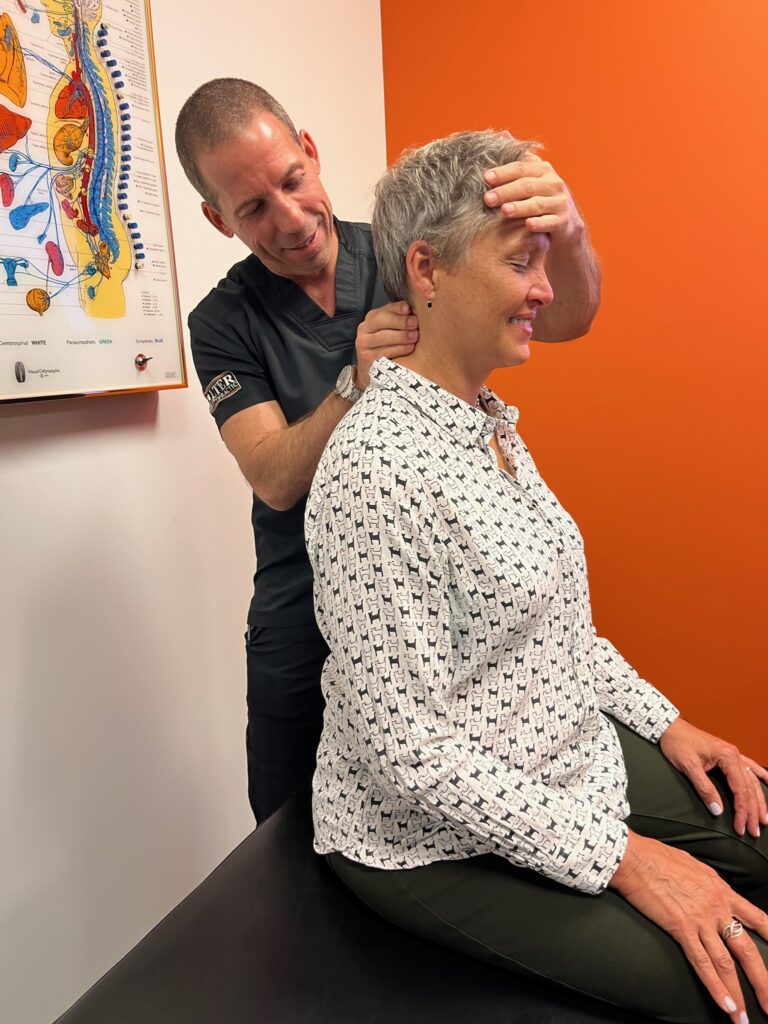

If you’ve recently been in a fender bender, took a hard hit on the pickleball court, or woke up with a stiff, aching neck after a sudden jolt, you might be dealing with whiplash. At Alter Chiropractic here in Delray Beach, we see this all the time—and the good news is, most people recover well with the right plan. In this article, I’ll explain what whiplash is, why early, gentle care matters, how chiropractic fits into a safe recovery, and when to seek urgent medical help. My goal is to help you feel informed, calm, and confident about your next steps.
What is whiplash? Whiplash is a neck injury caused by a rapid back-and-forth motion of the head, most commonly from car accidents, sports impacts, or falls. It’s a sprain/strain of the soft tissues of the neck that can also affect joints, nerves, and posture. Symptoms may start right away or appear over 24–72 hours.
Table of Contents
- What Whiplash Is (and What It Isn’t)
- Why Timely Care Matters
- Signs and Symptoms After a Whiplash Injury
- Common Causes in Delray Beach
- The Biomechanics of Whiplash—Explained Simply
- How Chiropractic Care Can Help
- What Your First Visit Looks Like at Alter Chiropractic
- Home Care and Recovery Tips
- When to See a Chiropractor—and When to Seek Medical Care
- Myths and Facts About Whiplash Care
- A Local Note from Alter Chiropractic
What Whiplash Is (and What It Isn’t)
Whiplash is a soft-tissue injury of the neck, usually from a sudden acceleration–deceleration force. The muscles and ligaments that support your neck are stretched beyond their normal range. Joints in the cervical spine can become irritated, and the nervous system can become sensitized, which is part of why the neck can feel so stiff and guarded afterward.
Whiplash is not the same as a broken neck, a dislocation, or a spinal cord injury. Those are emergencies and present differently. Most whiplash injuries are considered non-emergency soft-tissue injuries. Even so, it’s important to evaluate the neck carefully to rule out red flags and to guide a safe, personalized plan.
Why Timely Care Matters
After a whiplash injury, many people try to “tough it out” and wait weeks to address the pain and stiffness. In our experience and in many conservative-care guidelines, early, gentle movement and guidance can help you recover more comfortably. The first few weeks are when your body is laying down new collagen and healing. We want that healing tissue to organize along healthy movement patterns, not around stiffness and guarding.
Chiropractic care for whiplash is focused on improving motion, calming irritated tissues, and gradually rebuilding strength and confidence. Research summaries from organizations such as the National Center for Complementary and Integrative Health note that spinal manipulation and other manual therapies may help some types of neck pain, especially when combined with exercise and education. We keep it simple, safe, and tailored to you, and we coordinate with other providers when needed.
For general background on manual therapies for neck pain, you can review the NCCIH overview: Spinal Manipulation: What You Need To Know (NCCIH).
Signs and Symptoms After a Whiplash Injury
Whiplash doesn’t always show up immediately. It can unfold over hours or a few days as muscles tighten and inflammation builds. Common symptoms include neck pain and stiffness, reduced range of motion, headaches (often at the base of the skull), shoulder or upper back soreness, and tenderness along the neck muscles. Some people notice jaw tension, dizziness, or fatigue. Others report tingling or aching that radiates into the upper back or arms.
Pain with looking over the shoulder, trouble getting comfortable at night, and a sense that your head feels “heavy” are also typical. These symptoms don’t mean something is seriously wrong, but they do mean your body is protecting itself. When the neck stiffens, other areas like the upper back and shoulders try to help, which can spread the discomfort. A thoughtful exam helps us identify what’s irritated and how to calm it down.
Common Causes in Delray Beach
Here in Delray Beach, we see whiplash from more than just car accidents on I-95 or Atlantic Avenue. Pickleball, tennis, surfing mishaps, unexpected falls, and even sudden stops on bikes or scooters can trigger a similar neck motion. Traveling visitors sometimes arrive feeling sore a day or two after a minor fender bender on vacation. Whether the force was big or small, the neck can still react strongly—and it’s always worth getting checked if symptoms persist.
The Biomechanics of Whiplash—Explained Simply
During a whiplash event, the neck goes through a quick “S-shaped” curve. The lower neck may extend while the upper neck flexes, then the pattern reverses. That rapid sequence can strain tissues at multiple levels. The facet joints (small joints along the back of the spine) can become irritated, muscles can spasm to brace the area, and nerves can become more sensitive temporarily.
Because the neck is so connected to the upper back, shoulder blades, and even the jaw, recovering well means addressing the whole region. That’s why care plans often include gentle work to the mid-back, shoulder stabilizers, and posture—not just the neck itself. It’s a team effort within your own body.
How Chiropractic Care Can Help
Chiropractors are trained to evaluate spine and joint problems, assess movement patterns, and use hands-on techniques to restore motion and comfort. At Alter Chiropractic, we match the techniques to your presentation and comfort level. Early on, that often means very gentle methods. As you improve, we add progressive exercises to help you return confidently to work, driving, and sports.
Depending on your exam, your plan may include:
- Gentle joint work to the neck and mid-back (mobilization or manipulation when appropriate) to improve motion and reduce guarding.
- Soft-tissue techniques for tender muscles and fascia to calm spasms and ease tension.
- Specific exercises—starting with pain-free range of motion and isometrics—then gradually building in posture, scapular stability, and endurance.
- Posture and ergonomics coaching for driving, desk work, and sleep setups.
- Education and reassurance so you understand what to expect week by week.
Evidence reviews suggest that combining manual therapy with exercise and education is a reasonable, conservative approach for many people with neck pain. Your care is individualized—we don’t force aggressive techniques, and we don’t use a one-size-fits-all plan. If something isn’t appropriate for your specific injury, we won’t do it.
Safety note: Chiropractic care is not emergency care. If we suspect a fracture, concussion, or other serious issue, we’ll refer you to the appropriate medical provider right away. We also coordinate with primary care, physical therapy, massage therapy, and imaging centers when that’s in your best interest.
What Your First Visit Looks Like at Alter Chiropractic
First, we listen—how did the injury happen, what makes it better or worse, and what are your goals? Then we do a focused exam: checking motion, muscle tone, tender points, joint irritation, and simple neurological screens when needed. This helps us decide if you’re a good candidate for chiropractic care or if you need a medical referral first.
From there, we outline a plan with you. Many people start with gentle hands-on care and a short home routine. We keep visits efficient, explain everything in plain language, and make sure you’re comfortable every step of the way. Most importantly, we set expectations—what the next few weeks may feel like and how to spot normal soreness versus a red flag.
Home Care and Recovery Tips
Healing is a process, and the little things you do daily add up. Here are simple, safe ways to support recovery alongside your care plan:
- Keep moving—gently. Short, frequent, pain-free neck movements during the day can help reduce stiffness more than lots of rest.
- Use cold packs the first couple of days for soreness, then consider alternating heat and cold based on what feels best.
- Sleep with your neck supported. A medium-height pillow that keeps your head neutral (not too flexed or extended) is ideal.
- Break up screen time and driving with posture resets. Keep the head stacked over the shoulders; avoid long stretches of chin-poked-forward posture.
- Ease back into workouts gradually. Start with walking or light cardio, then add strength and mobility as comfort allows.
Unless a physician advises otherwise, prolonged immobilization with a rigid collar isn’t typically recommended for uncomplicated whiplash. Gentle, guided movement tends to help tissues heal along healthy lines of stress. If you’re unsure what “gentle” should look like for you, ask us—we’ll tailor a plan to your day-to-day life.
When to See a Chiropractor—and When to Seek Medical Care
It’s reasonable to see a chiropractor within the first few days after a whiplash injury, or anytime symptoms are lingering. If pain and stiffness last more than a few days, if it’s hard to turn your head to drive, or if headaches are creeping in, a professional evaluation can help you get on the right track.
Urgent medical care is needed if you notice any red flags, including severe or worsening neck pain after a significant trauma, numbness or weakness in your arms or legs, loss of bladder or bowel control, confusion or severe headache after the injury, fainting, or signs of concussion. For concussion information and red flags, see the CDC’s resource on mild traumatic brain injury: CDC: Traumatic Brain Injury. If you suspect a fracture or serious injury, go to the ER or call 911. Chiropractic care can resume later when it’s safe.
Myths and Facts About Whiplash Care
|
Myth |
Fact |
|
“If the car wasn’t badly damaged, I can’t have whiplash.” |
Vehicle damage doesn’t always match the forces on your neck. Even low-speed impacts can strain soft tissues. |
|
“I should rest completely until it goes away.” |
Brief rest is fine, but prolonged inactivity can increase stiffness. Gentle, guided movement usually helps recovery. |
|
“A neck brace is always necessary.” |
Rigid collars are rarely used for uncomplicated whiplash unless a physician prescribes them. Most people do better with movement and support. |
|
“Chiropractic is only about ‘cracking’ the neck.” |
Good chiropractic care is individualized and may include gentle mobilization, soft-tissue work, exercise, posture guidance, and education. |
|
“If it still hurts after a week, it’s permanent.” |
Not at all. Many people improve over several weeks with a consistent, well-structured plan. |
Note: Evidence summaries indicate that manual therapy combined with exercise and education can help many people with neck pain. Outcomes vary, and your plan should be individualized.
A Local Note from Alter Chiropractic
Living an active life in Delray Beach is one of the best parts of being here—beach days, tennis, golf, biking, and long walks along the Ave. If a whiplash injury is holding you back, we’re here to help you move comfortably again. We’ll meet you where you are, create a plan that fits your routine, and keep it as simple and supportive as possible. If you ever have questions about whether chiropractic care is right for your situation, just ask. We’re happy to point you in the right direction, even if that means a different type of provider first.
FAQs
Is chiropractic safe for whiplash?
For most people with uncomplicated whiplash, conservative chiropractic care is considered a reasonable option. Your chiropractor should screen for red flags and tailor techniques to your tolerance. If anything is outside our scope, we refer appropriately.
How soon after a car accident should I see a chiropractor?
If you’re not in urgent distress, you can schedule a visit within a few days. Early evaluation helps guide gentle movement and avoid unhelpful habits. Seek emergency care first if you have severe symptoms or red flags.
Do I need X-rays or an MRI for whiplash?
Imaging isn’t always necessary for uncomplicated whiplash. Your exam and history guide that decision. If we suspect a fracture, neurological involvement, or another serious condition, we’ll refer for imaging.
How long does whiplash take to heal?
Many people improve over several weeks, though timelines vary. Adhering to a consistent plan—gentle care, progressive exercises, and good sleep and posture—supports recovery.
Can I exercise with whiplash?
Usually yes, but start small. Begin with pain-free range of motion and light cardio like walking. Add strength and mobility gradually under professional guidance.
Will I need ongoing adjustments forever?
No. The goal is to help you recover, move well, and feel confident managing flare-ups. Some people choose periodic tune-ups; others return only if needed. It’s your choice.
TL;DR
- Whiplash is a soft-tissue neck injury from rapid back-and-forth motion; symptoms can appear within 24–72 hours.
- Early, gentle care and guided movement often help recovery more than prolonged rest.
- Chiropractic care can include mobilization/manipulation when appropriate, soft-tissue work, exercise, and posture coaching.
- Get urgent medical care for red flags like severe worsening pain, weakness, loss of bladder/bowel control, or concussion symptoms.
- Here in Delray Beach, Alter Chiropractic offers individualized, evidence-informed care to help you return to work, driving, and the activities you love.