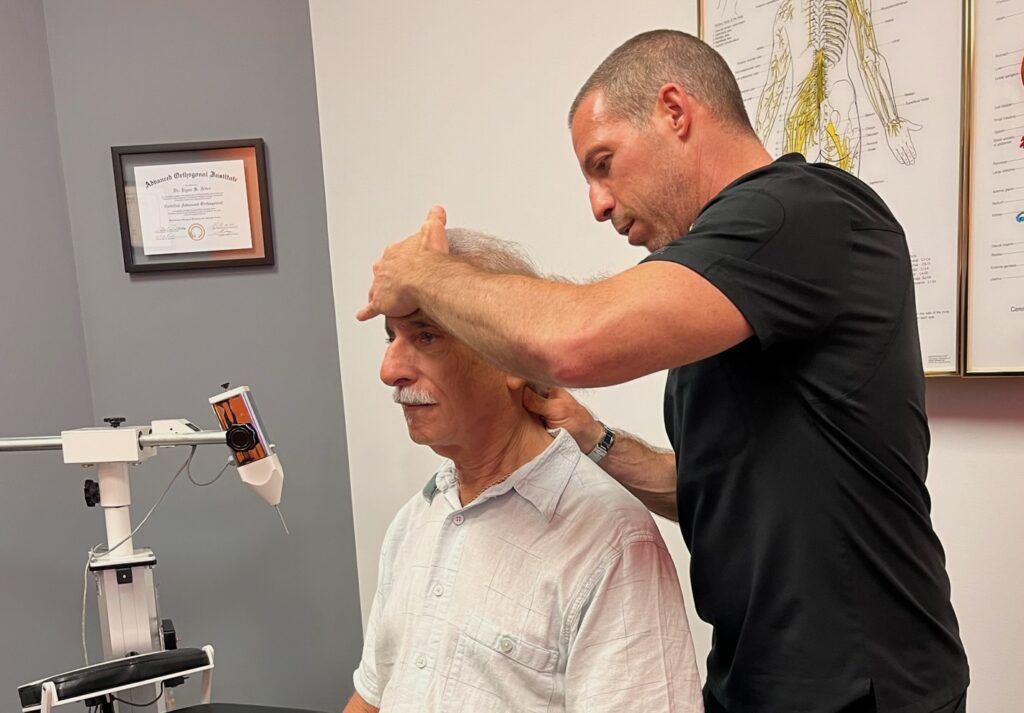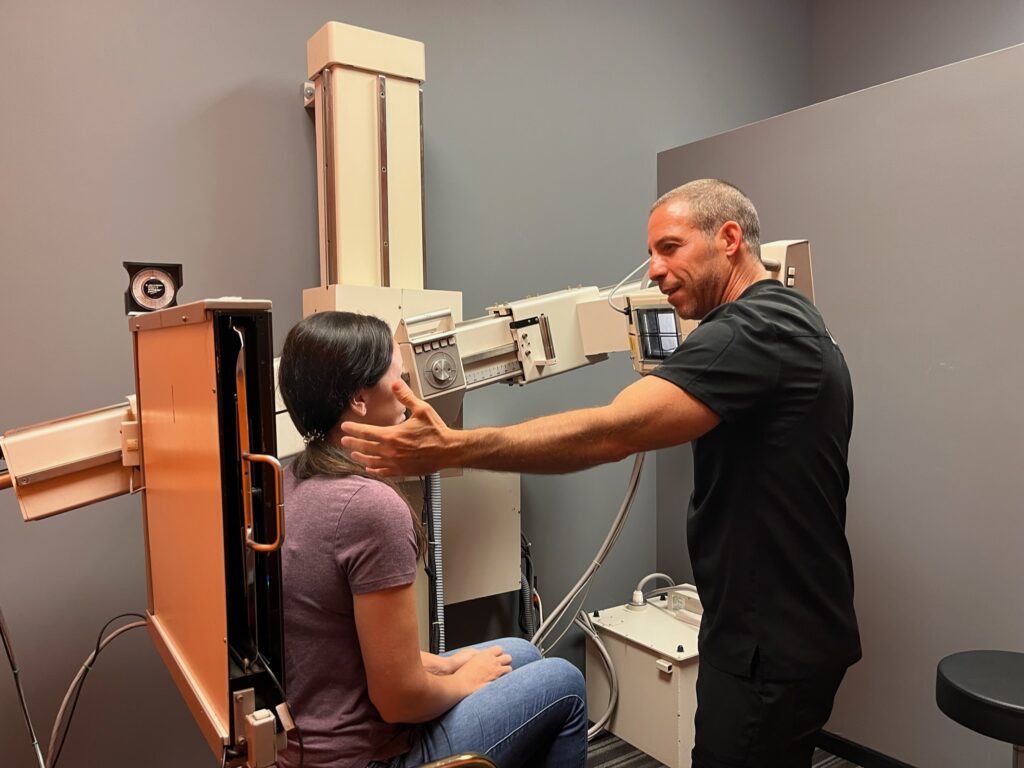

You might wonder why so many people rely on regular care for their wellness. It's not just about treating illnesses as they arise; it's about embracing a proactive approach to health that emphasizes prevention and early detection. By building relationships with healthcare providers, individuals can receive tailored advice that promotes accountability and healthier choices. This ongoing support can greatly enhance both physical and mental well-being. But what specific benefits do these practices yield, and how can you apply them for your own lasting wellness?
The Importance of Routine Check-Ups
Your health deserves attention, and routine check-ups are an important part of that care. These visits aren't just for when you're feeling unwell; they're proactive steps to maintain your overall health. Regular check-ups allow your healthcare provider to monitor your health status, catch potential issues early, and help you make informed decisions about your lifestyle.
During these appointments, your doctor assesses your essential signs, reviews your medical history, and may recommend screenings or tests based on your age and risk factors. This ongoing relationship with your physician creates a thorough understanding of your health, enabling them to tailor recommendations specifically for you.
You might think you're healthy, but some conditions can develop silently. Routine check-ups can identify these hidden issues before they escalate. Early detection often leads to simpler, more effective treatment options, reducing the risk of complications in the long run.
Moreover, regular visits foster a sense of accountability. They remind you to prioritize your well-being and encourage you to maintain healthy habits. By establishing a routine, you're more likely to stay engaged with your health goals, such as eating right, exercising, and managing stress.
Preventive Measures for Longevity
To boost your longevity, focusing on preventive measures is key.
Regular health screenings, a balanced nutrition plan, and incorporating exercise into your routine can make a significant difference in your overall well-being.
Regular Health Screenings
Regular health screenings play an essential role in maintaining overall wellness and can greatly enhance longevity. By scheduling regular check-ups, you're taking proactive steps to detect potential health issues early on. These screenings often include blood pressure measurements, cholesterol levels, and cancer screenings, all tailored to your age and risk factors.
When you stay informed about your health status, you can make better decisions that align with your wellness goals. For instance, if your cholesterol levels are high, your doctor can guide you toward lifestyle changes or treatments that could prevent serious complications down the line.
Moreover, regular screenings allow you to build a strong relationship with your healthcare provider. This partnership fosters open communication, making it easier for you to discuss any concerns that arise.
Don't forget, knowledge is power. The sooner you identify potential problems, the more options you have for treatment and management.
Balanced Nutrition Plans
Taking charge of your health doesn't stop at regular health screenings; it extends into what you eat. A balanced nutrition plan is essential for maintaining your well-being and preventing chronic diseases. By focusing on whole foods, you'll fuel your body with essential nutrients, vitamins, and minerals that promote longevity.
Start by incorporating a variety of fruits and vegetables into your meals. Aim for colorful options, as different hues provide unique health benefits.
Don't forget lean proteins, like chicken, fish, and plant-based sources, which help repair and build your body's tissues. Whole grains, such as quinoa, brown rice, and oats, should also be staples in your diet, providing energy and fiber.
Be mindful of your portion sizes and try to limit processed foods, added sugars, and unhealthy fats. Instead, opt for healthy fats found in avocados, nuts, and olive oil.
Staying hydrated is equally important, so drink plenty of water throughout the day.
Exercise and Activity Integration
Incorporating exercise into your daily routine is an essential step toward achieving lasting wellness and preventing chronic diseases. You don't need to hit the gym for hours; small, consistent changes can make a big impact. Aim for at least 150 minutes of moderate aerobic activity each week, like brisk walking or cycling. You can break this down into shorter sessions that fit your schedule.
Integrating activity into your day doesn't have to be a chore. Take the stairs instead of the elevator, walk during your lunch break, or try standing while you work. These simple adjustments can boost your energy and enhance your mood.
Strength training is also vital; aim for two days a week. This can include bodyweight exercises like push-ups or squats.
Don't forget to mix things up. Find activities you enjoy, whether it's dancing, swimming, or playing a sport. Enjoying what you do makes it easier to stick with it in the long run.
Holistic Approaches to Health
A holistic approach to health emphasizes the connection between the mind, body, and spirit, recognizing that true wellness comes from addressing all aspects of your life. Instead of focusing solely on symptoms, this approach encourages you to look at your overall lifestyle and how it affects your well-being.
By integrating various practices, you can achieve a more balanced and fulfilling life.
Here are three key components of a holistic approach:
- Nutrition: What you eat plays a vital role in your health. A balanced diet rich in whole foods can boost your energy levels and enhance your mood. Focus on incorporating a variety of fruits, vegetables, and whole grains into your meals.
- Physical Activity: Regular exercise is essential not just for physical health but also for mental clarity. Find activities you enjoy, whether it's yoga, dancing, or hiking. Moving your body helps reduce stress and improves your overall sense of well-being.
- Mindfulness and Relaxation: Taking time for mindfulness practices, such as meditation or deep breathing, can help you manage stress effectively. These practices allow you to reconnect with yourself, fostering a sense of inner peace.
Mental Health Benefits of Regular Care
How can regular care positively impact your mental health? When you engage in consistent healthcare practices, you're not just addressing physical ailments; you're nurturing your mind. Regular check-ups and therapies create a supportive environment where you can openly discuss your thoughts and feelings. This dialogue encourages self-awareness and helps you manage stress more effectively.
By prioritizing regular care, you also establish a routine that contributes to a sense of stability in your life. Predictability can reduce anxiety and enhance your ability to cope with challenges. You'll likely notice improvements in mood, resilience, and overall emotional well-being.
Moreover, regular care often includes a focus on preventive measures. When you actively participate in your health, you're less likely to feel overwhelmed by unexpected issues. This proactive approach fosters a sense of control over your life, which is vital for maintaining mental health. You'll find that when you take charge of your well-being, it paves the way for a more optimistic outlook.
Additionally, regular health professionals can identify early signs of mental strain or disorders, allowing for timely intervention. By collaborating with these professionals, you gain access to resources and strategies tailored to your unique needs. This partnership not only alleviates symptoms but also equips you with tools to enhance your mental fortitude.
In essence, regular care isn't just about physical health; it's a powerful ally in your mental health journey, fostering stability, resilience, and proactive engagement with your well-being.
Physical Fitness and Wellness
When you prioritize regular exercise, you're not just boosting your physical health; you're enhancing your overall wellness.
Nutrition plays a vital role in this journey, fueling your body and mind.
Plus, the mental health benefits of staying active can't be overlooked, as they help you feel more balanced and energized.
Importance of Regular Exercise
Regular exercise plays an essential role in maintaining both physical fitness and overall wellness.
It's not just about looking good; it's about feeling good and enhancing your quality of life. When you commit to a routine, you'll notice several significant benefits.
- Boosts Mood: Exercise releases endorphins, which help reduce stress and anxiety. You'll feel more energized and positive throughout the day.
- Improves Physical Health: Regular workouts strengthen your heart, lungs, and muscles. This leads to better endurance and reduced risk of chronic diseases like diabetes and heart disease.
- Enhances Sleep Quality: Engaging in physical activity can help you fall asleep faster and deepen your sleep. You'll wake up feeling refreshed and ready to tackle the day.
Incorporating regular exercise into your life doesn't have to be intimidating.
Whether it's a brisk walk, a yoga class, or a gym session, find activities you enjoy and make them part of your routine. The key is consistency.
Nutrition's Role in Wellness
Exercise isn't the only key player in your journey to wellness; nutrition plays an important role too. What you eat fuels your body, affecting your energy levels, mood, and overall health. A balanced diet rich in whole foods—like fruits, vegetables, lean proteins, and whole grains—provides essential nutrients your body needs to function effectively.
When you prioritize nutrition, you're not just supporting your physical activity; you're also enhancing recovery. Proper nutrition helps repair muscles after workouts, reduces soreness, and prepares you for your next session.
Additionally, staying hydrated is significant. Water aids digestion, nutrient absorption, and helps maintain energy levels, so don't overlook it.
You might also find that good nutrition keeps your immune system strong, reducing sick days and helping you stay on track with your fitness goals. By making mindful food choices, you can achieve a balance that complements your exercise routine and supports long-term wellness.
Mental Health Benefits
Engaging in physical fitness doesn't just transform your body; it greatly boosts your mental health too. When you commit to regular exercise, you access numerous benefits that enhance your well-being.
Here are three key mental health benefits you can experience:
- Reduced Anxiety and Depression: Physical activity stimulates the production of endorphins, the body's natural mood lifters. You'll find that regular workouts can considerably lower feelings of anxiety and depression.
- Improved Focus and Cognitive Function: Exercise increases blood flow to your brain, enhancing your cognitive abilities. You'll notice better concentration, sharper memory, and improved problem-solving skills, making everyday tasks feel less intimidating.
- Enhanced Self-Esteem and Confidence: As you achieve fitness goals, your self-esteem naturally rises. You'll feel a greater sense of accomplishment and confidence in your abilities, which positively affects other areas of your life.
Nutritional Guidance for Optimal Health
When it comes to achieving ideal health, the right nutritional choices play an important role. You have the power to fuel your body with the nutrients it needs to thrive. Start by incorporating a variety of whole foods into your diet, such as fruits, vegetables, whole grains, lean proteins, and healthy fats. These foods not only provide necessary vitamins and minerals but also promote lasting energy and overall wellness.
Consider meal planning as a way to guarantee you're making mindful choices. By preparing your meals ahead of time, you can avoid last-minute decisions that often lead to unhealthy snacking or fast food. Opt for colorful plates; the more colors you include, the more diverse nutrients you're likely to consume.
Don't forget to hydrate! Drinking plenty of water is essential for maintaining peak bodily functions. Pay attention to portion sizes, too. Eating in moderation helps you avoid overeating and keeps your metabolism balanced. Listen to your body and recognize when you're hungry or full. This mindfulness can lead to healthier habits over time.
If you're unsure where to start, seeking guidance from a nutritionist can be invaluable. They can help tailor a plan that fits your lifestyle and health goals.
Building a Proactive Mindset
A proactive mindset acts as a powerful catalyst for personal growth and well-being. When you adopt this perspective, you take charge of your health and happiness rather than waiting for changes to happen.
This shift can lead to a more fulfilling life, where you actively pursue your goals and enhance your overall wellness.
To build a proactive mindset, consider these three key strategies:
- Set Clear Goals: Define what wellness means to you. Whether it's improving your nutrition, increasing physical activity, or managing stress, setting specific and measurable goals gives you direction and purpose.
- Embrace Continuous Learning: Stay informed about health and wellness topics that interest you. Read books, attend workshops, or listen to podcasts. The more knowledge you gain, the better equipped you'll be to make informed decisions about your health.
- Practice Self-Reflection: Regularly assess your progress and mindset. Ask yourself what's working and what isn't. This reflection helps you identify areas for improvement and keeps you accountable for your choices.
Community and Support Systems
Having a strong community and support system can greatly enhance your journey toward lasting wellness. When you surround yourself with positive influences, you're more likely to stay motivated and committed to your health goals. Whether it's friends, family, or a wellness group, these connections provide encouragement and accountability.
Think about how it feels to share your challenges and victories with others who understand your journey. They can offer valuable advice, share resources, or simply lend an ear when you need to vent. This sense of belonging can make a significant difference in how you approach your wellness plan.
Additionally, being part of a community allows you to learn from others. You can gain insights into new practices, nutrition tips, or exercises that you mightn't have considered on your own. Engaging with diverse perspectives can broaden your understanding of wellness and inspire you to try new things.
Don't underestimate the power of group dynamics, either. Participating in classes or support groups fosters a sense of camaraderie that can boost your commitment. When you see others working hard toward their goals, it pushes you to do the same.
Lastly, remember that it's okay to seek out support when you need it. Whether it's a health coach, a support group, or online forums, these resources can provide guidance and motivation. By building a strong community around you, you'll create a solid foundation for your lasting wellness journey.
Success Stories of Lasting Wellness
Success stories of lasting wellness inspire and motivate, showcasing real-life examples of how commitment and perseverance lead to meaningful change.
When you hear about individuals who've transformed their health through regular care, it reinforces the belief that you can also achieve your wellness goals.
Here are three powerful stories that illustrate this journey:
1. Maria's Journey: After struggling with chronic fatigue for years, Maria sought regular check-ups and adopted a balanced lifestyle.
With the guidance of her healthcare provider, she incorporated exercise and nutrition into her routine.
Within months, she regained her energy and found joy in daily activities.
2. James' Transformation: Diagnosed with high blood pressure, James committed to regular follow-ups and lifestyle changes.
By working closely with a nutritionist and incorporating stress-reducing practices like yoga, he managed to lower his blood pressure considerably.
His dedication not only improved his health but also inspired his family to make healthier choices.
3. Lily's Resilience: Battling anxiety, Lily turned to therapy and regular wellness check-ins.
By integrating mindfulness and regular physical activity into her life, she learned to manage her anxiety effectively.
Today, she's not just coping but thriving, sharing her story to encourage others facing similar struggles.
These stories highlight that lasting wellness isn't just a dream; it's attainable with dedication and the right support.
You can initiate your journey too, knowing that many have walked this path before you.
Conclusion
Incorporating regular care into your life isn't just a routine; it's a commitment to your overall well-being. By prioritizing check-ups, you empower yourself to catch potential issues early and foster meaningful relationships with your healthcare providers. This proactive mindset not only enhances your physical health but also nurtures your mental well-being. Embrace the support systems around you, and you'll discover that lasting wellness is within reach. Your journey to a healthier, happier life starts now!