
If you're experiencing upper back pain, know that you're not alone, and there are effective ways to find relief that may be easier than you think. As a local chiropractor, I want to share with you various techniques that can be seamlessly integrated into your daily routine. These methods include stretching and strengthening exercises, as well as making adjustments to your workspace and posture. Each technique has its unique benefits that can significantly reduce discomfort.
You might be wondering which techniques will be the most effective for your specific situation. That's where my expertise comes in. Together, we can explore the top ten strategies that not only address your immediate pain but also promote long-term wellness. By understanding and applying these practical solutions, you can achieve lasting relief and improve your overall quality of life. Let's take a closer look at how natural healing methods can help you feel better and restore balance to your body.
Stretching Exercises
As a local chiropractor, I often see patients struggling with upper back pain. One of the most effective and natural ways to alleviate this discomfort is through stretching exercises. Incorporating these stretches into your daily routine can greatly improve your flexibility, reduce muscle tension, and enhance blood flow to the area, ultimately leading to relief from pain.
I recommend beginning with a straightforward upper back stretch. You can either stand or sit up straight, interlace your fingers, and reach your arms overhead while taking a deep breath in. Hold this position for about 15-30 seconds, focusing on the stretch along your shoulders and upper back. Many of my patients report feeling immediate relief as they let go of built-up tension.
Another great stretch to try is the cat-cow stretch. Start by getting on all fours, ensuring that your wrists are aligned under your shoulders and your knees are under your hips. Inhale deeply as you arch your back downwards, lifting your head and tailbone upward (this is the cow position). Then, exhale as you round your back, drawing your chin towards your chest (the cat position). Repeat this sequence 5-10 times to promote healthy movement in your spine.
You may also benefit from the seated forward bend. Sit on the floor with your legs extended in front of you. As you inhale, lengthen your spine, and then, as you exhale, bend forward at the hips, reaching towards your toes. This stretch effectively targets your entire back and helps release any accumulated tension.
Lastly, I encourage you to try the shoulder blade squeeze. Whether you're sitting or standing, pull your shoulder blades together as if you're trying to pinch a pencil between them. Hold this position for a few seconds and repeat several times.
Making these stretches a regular part of your routine can significantly help keep your upper back feeling loose and pain-free. Incorporating these simple stretches into your day can be a powerful step toward natural healing and maintaining a healthy spine. If you have any questions or need further guidance, don't hesitate to reach out to me for personalized advice.
Strengthening Workouts
As a local chiropractor dedicated to your health and well-being, I want to share the importance of strengthening workouts for building a strong and resilient upper back. These exercises not only alleviate pain but also play a crucial role in preventing future issues that can arise from weak muscles and poor posture.
When targeting your upper back, it's essential to focus on key muscle groups such as the rhomboids, trapezius, and latissimus dorsi. Incorporating specific exercises into your routine can significantly enhance your overall strength and stability.
One effective exercise is the row. You can use dumbbells or resistance bands for this workout. Stand with your feet shoulder-width apart, pull the weights towards your torso, and squeeze your shoulder blades together. This movement engages the upper back effectively, and I recommend aiming for three sets of 10-15 repetitions.
Pull-ups are another fantastic option for developing upper body strength. If you find full pull-ups challenging, don't hesitate to start with assisted pull-ups or negative pull-ups, where you slowly lower yourself from the bar. This gradual approach helps build the strength needed for a full pull-up.
Another exercise I often recommend is the face pull. Using a resistance band anchored at chest height, pull the band towards your face while keeping your elbows high. This not only strengthens the upper back but also improves shoulder stability. Again, try to perform three sets of 10-15 reps.
It's also vital to remember the role of core strength in supporting your upper back. Exercises like planks and dead bugs help stabilize your entire torso, which in turn supports your upper back during daily activities. Incorporate these core-strengthening exercises into your routine two to three times a week for optimal results.
As you embark on these strengthening workouts, always listen to your body. If any exercise causes discomfort or pain, consider modifying it or seeking guidance from a professional.
By consistently engaging in these exercises, you can experience less upper back pain and enjoy greater overall strength, which is essential for maintaining a healthy lifestyle.
As your chiropractor, I'm here to support you on your journey to better health through natural healing and effective exercise strategies.
Posture Correction
As a local chiropractor, I want to emphasize the importance of proper posture in preventing and alleviating upper back pain. Maintaining good posture is essential because it reduces strain on your back muscles and spinal structures, leading to a healthier, more comfortable life.
It's crucial to be aware of how you sit, stand, and move throughout your day. With a few simple adjustments, you can experience significant relief from discomfort.
Here are three key strategies I recommend to improve your posture:
- Sit with Support: When you're seated, ensure that your chair provides support for your lower back. Your feet should be flat on the floor, and your knees should be at or below hip level. Keep your back straight and your shoulders relaxed—not slouched. This positioning helps maintain the natural curve of your spine.
- Stand Tall: When you stand, aim to distribute your weight evenly between both feet. Keeping your shoulders back and relaxed is important, as is engaging your core to provide support for your spine. Avoid locking your knees, and remember to shift your weight occasionally if you find yourself standing for long periods. This practice can help prevent fatigue and discomfort.
- Mind Your Neck: Your neck has a significant impact on your overall posture. Try to keep your head aligned over your shoulders and avoid jutting it forward, which can lead to strain and discomfort. If you're using a computer or phone, raise the screen to eye level to reduce neck strain and promote better alignment.
By incorporating these strategies into your daily routine, you can help alleviate upper back pain and improve your overall posture.
If you have any questions or need further assistance, don't hesitate to reach out. Your journey to better posture and natural healing is important to me!
Ergonomic Workspace Setup
As a local chiropractor, I want to emphasize the importance of creating an ergonomic workspace to help alleviate upper back pain and boost your productivity. Many people may not realize that the way you set up your work environment can significantly impact your overall well-being. Here are some essential tips to consider:
First, invest in a chair that provides adequate lumbar support. It's crucial that your chair allows your feet to rest flat on the floor, with your knees forming a 90-degree angle. If your chair lacks adjustments, using a footrest can make a big difference in your comfort.
Next, let's talk about desk height. Your desk should be positioned so that your elbows are at a 90-degree angle while typing, and your wrists remain in a neutral position. If your desk is too high, you might experience strain in your upper back and shoulders, which can exacerbate discomfort. If necessary, a keyboard tray can help you achieve the right height.
Monitor placement is another key factor. Your computer screen should be at eye level, approximately an arm's length away. This positioning helps prevent you from tilting your head or straining your neck. If you work with multiple monitors, try to keep them close together to minimize the need for twisting your body.
Lastly, I can't stress enough the importance of taking regular breaks. Stand up, stretch, and move around at least once every hour. This simple practice can alleviate tension and help refresh your mind, ultimately supporting your body's natural healing processes.
Heat Therapy
As your local chiropractor, I want to share how heat therapy can greatly benefit those struggling with upper back pain.
There are several effective ways to apply heat, including heating pads and warm baths, each providing its own set of advantages.
However, it's crucial to prioritize safety to prevent any burns or discomfort during your treatment.
Understanding how to use heat therapy properly can enhance your healing process and promote relaxation in your muscles.
Always feel free to reach out with any questions or for further guidance on incorporating heat therapy into your wellness routine!
Benefits of Heat Therapy
As a local chiropractor, I often see patients struggling with upper back pain, and I want to share how heat therapy can be a simple yet powerful tool in your healing journey. This natural method not only helps alleviate discomfort but also promotes healing by increasing blood flow to the affected area.
Here are some important benefits of incorporating heat therapy into your routine:
- Muscle Relaxation: Heat therapy works wonders in relaxing tight muscles. By soothing these tense areas, it becomes much easier for you to move freely and engage in your daily activities without the burden of pain.
- Pain Relief: One of the key advantages of heat therapy is its ability to reduce pain perception. By calming the nerve endings in the affected area, heat can provide immediate relief, allowing you to focus on your day-to-day life rather than the discomfort.
- Improved Flexibility: Applying heat to your back can significantly enhance your range of motion. When your muscles and connective tissues are warmed up, they become more pliable, which is critical for preventing further injury and maintaining overall mobility.
Incorporating heat therapy into your self-care routine is quite simple. You can use heating pads, warm towels, or even take a warm bath.
Just be mindful to apply the heat for a safe duration to prevent burns. Whether you're at home or out and about, heat therapy is a practical and effective approach to managing upper back pain naturally.
Types of Heat Applications
As a local chiropractor, I'm here to help you explore various heat applications that can significantly aid in relieving upper back pain. One of the most accessible methods is using a heating pad. By placing it directly on the affected area for about 15 to 20 minutes, you allow the gentle warmth to penetrate your muscles, promoting relaxation and alleviating discomfort.
Many electric heating pads come with adjustable settings, enabling you to find a temperature that's most comfortable for you.
Another excellent option is using warm towels. Simply soak a towel in hot water, wring it out, and drape it over your back. This method provides soothing heat without the need for electricity, making it a simple yet effective choice.
For those seeking a more immersive experience, I recommend taking a warm bath. Adding Epsom salts can enhance the benefits, helping to relieve muscle tension as the warm water embraces your back.
Microwavable heat packs are also a popular choice among my patients. They're convenient, easily molded to fit the contours of your back, and provide targeted relief. Just be sure to follow the manufacturer's instructions for safe heating.
Lastly, consider heat wraps that provide continuous warmth throughout your day. These can be worn while you go about your activities, offering comfort and support as you manage your upper back pain.
Incorporating these heat applications into your daily routine can be a valuable part of your overall well-being and pain management strategy. If you have any questions or need further guidance, don't hesitate to reach out during your next visit!
Safety Precautions to Consider
As a chiropractor dedicated to your well-being, I want to share some important safety precautions for those considering heat therapy as a natural remedy for upper back pain.
While heat can be a wonderful way to relieve discomfort, improper use can lead to further issues. Here are three essential tips to keep in mind:
- Temperature Check: It's crucial to always check the heat source before applying it to your skin. The heat should feel warm and soothing, not hot. Using overly high temperatures can result in burns or skin irritation, particularly for those with sensitive skin.
- Limit Duration: I recommend limiting your heat application to 20-30 minutes at a time. Extended exposure can cause overheating and potential damage to your skin and the underlying tissues, which can set back your healing process.
- Consult a Professional: If you have any underlying health conditions such as diabetes or circulatory issues, please consult with me or your healthcare provider before starting any heat therapy. We can provide tailored advice based on your individual medical history to ensure your safety.
By following these precautions, you'll be able to maximize the benefits of heat therapy while minimizing any risks.
Always listen to your body—if you experience any discomfort or pain during treatment, it's important to stop immediately. Your health and safety are our top priorities, and I'm here to support you on your journey to natural healing.
Cold Therapy
As a local chiropractor, I want to share with you an effective method for alleviating upper back pain: cold therapy. This simple technique can make a significant difference in your comfort. When you apply cold to the painful area, it helps to diminish inflammation and numb sharp sensations, offering you immediate relief. You can use ice packs, frozen vegetables, or even a cold towel to achieve this soothing effect. Just be sure to wrap your ice source in a cloth to protect your skin from frostbite.
To maximize the benefits of cold therapy, I recommend applying it for 15 to 20 minutes at a time. It's also important to give your skin a break between sessions—about an hour is ideal. This approach allows your body to adjust while enhancing the therapeutic effects. If you find that cold therapy brings you relief, feel free to repeat the process multiple times throughout the day.
You may find cold therapy especially helpful after activities that put strain on your upper back, like lifting heavy objects or spending long hours hunched over a computer. It's most effective within the first 48 hours of experiencing pain, as this is typically when inflammation is at its highest.
However, if your pain persists or worsens despite using cold therapy, it's essential to consult with a healthcare professional, like myself. I can provide personalized guidance and treatment options tailored to your specific needs.
Cold therapy is an accessible and cost-effective way to manage upper back pain, so I encourage you to give it a try and see how it can help you feel better. Remember, your well-being is our priority, and there are many natural healing methods available to support your health journey.
Massage Techniques
As a local chiropractor, I often recommend a variety of techniques to help my patients recover from upper back pain, and one that you might find beneficial is massage therapy.
Incorporating massage into your recovery routine can effectively relieve tension, enhance circulation, and improve flexibility in your upper back. By focusing on sore spots and tight muscles, you can significantly reduce discomfort and foster healing.
Here are three massage techniques that are accessible whether you're at home or working with a professional:
- Trigger Point Therapy: This method targets specific areas in your upper back that are tense or painful. You can apply pressure with your fingers or use a massage ball. Hold the pressure for about 15-30 seconds while taking deep breaths. This approach can help release muscle knots and alleviate pain, making it an excellent addition to your healing process.
- Swedish Massage: This is a gentle technique that involves long, flowing strokes and kneading, promoting relaxation throughout the entire upper back. By using your hands to apply gentle pressure along the muscles, particularly from the neck down to the shoulders, you can create a soothing experience. Using oil or lotion can further enhance this method, making it more effective.
- Deep Tissue Massage: If your discomfort originates from deeper muscle layers, deep tissue techniques may be the solution. This involves using slow, firm strokes to reach deeper muscles and fascia. While it may feel intense, this type of massage is often very effective in breaking up muscle tension and providing relief.
Incorporating these massage techniques into your routine can help you manage upper back pain more effectively.
It's essential to listen to your body during the process, and remember, if you ever feel unsure or require further assistance, don't hesitate to reach out for professional help, like chiropractic care.
Together, we can work towards your health and wellness goals.
Mindfulness and Relaxation
As a local chiropractor, I want to share how mindfulness and relaxation can be significant in alleviating upper back pain.
Many of my patients find that incorporating breathing exercises into their daily routine can effectively calm both the mind and body, leading to a noticeable release of tension in their muscles.
Furthermore, techniques like guided imagery can transport you to a serene mental space, enhancing relaxation and contributing to pain relief.
Breathing Exercises
As a local chiropractor, I want to share with you how breathing exercises can significantly help relieve upper back pain. These techniques not only promote relaxation but also enhance your overall well-being by encouraging mindfulness.
When you concentrate on your breath, you can effectively alleviate tension in your upper back while fostering a peaceful mindset. Here are three effective breathing techniques I recommend incorporating into your routine:
- Diaphragmatic Breathing: Find a comfortable position, whether sitting or lying down. Rest one hand on your chest and the other on your abdomen. Breathe deeply through your nose, allowing your abdomen to rise while keeping your chest relatively still. Exhale slowly through your mouth. Aim to practice this for about 5-10 minutes daily.
- 4-7-8 Breathing: This technique involves inhaling through your nose for a count of four, holding your breath for a count of seven, and then exhaling through your mouth for a count of eight. This practice can help reduce anxiety and promote relaxation, which is essential in managing discomfort in your upper back.
- Box Breathing: For this method, inhale through your nose for a count of four, hold your breath for another count of four, exhale through your mouth for four counts, and hold again for four counts before starting over. Box breathing is excellent for improving focus and alleviating tension, making it easier to cope with pain.
Integrating these breathing exercises into your daily routine can provide you with enhanced relief and support your journey towards better health.
As you explore chiropractic care and natural healing, remember that small, consistent practices like these can make a significant difference in your overall well-being.
Guided Imagery Techniques
At our chiropractic practice, we often emphasize the importance of holistic approaches to managing upper back pain, and one technique we recommend is guided imagery. This method harnesses the power of your imagination to create positive mental images that can significantly alleviate tension and discomfort.
To begin, find a quiet, comfortable space where you can either sit or lie down. Close your eyes and take a few deep breaths to ground yourself. This simple act of breathing helps to center your mind and body.
Once you're in a relaxed state, I encourage you to visualize a peaceful scene—perhaps a serene beach with gentle waves or a tranquil forest filled with the sounds of nature. Picture yourself fully immersed in this environment, feeling the warmth of the sun on your skin or a gentle breeze flowing around you.
As you do this, focus on your upper back. Imagine the tightness loosening and the pain dissipating, replaced by a soothing warmth and comfort.
Additionally, consider utilizing guided imagery recordings that often feature soothing music and calming narration. These resources can guide you through various scenarios that are specifically designed to promote relaxation and pain relief.
Regular practice of guided imagery can enhance your overall sense of well-being and assist in managing your upper back pain more effectively.
Chiropractic Adjustments
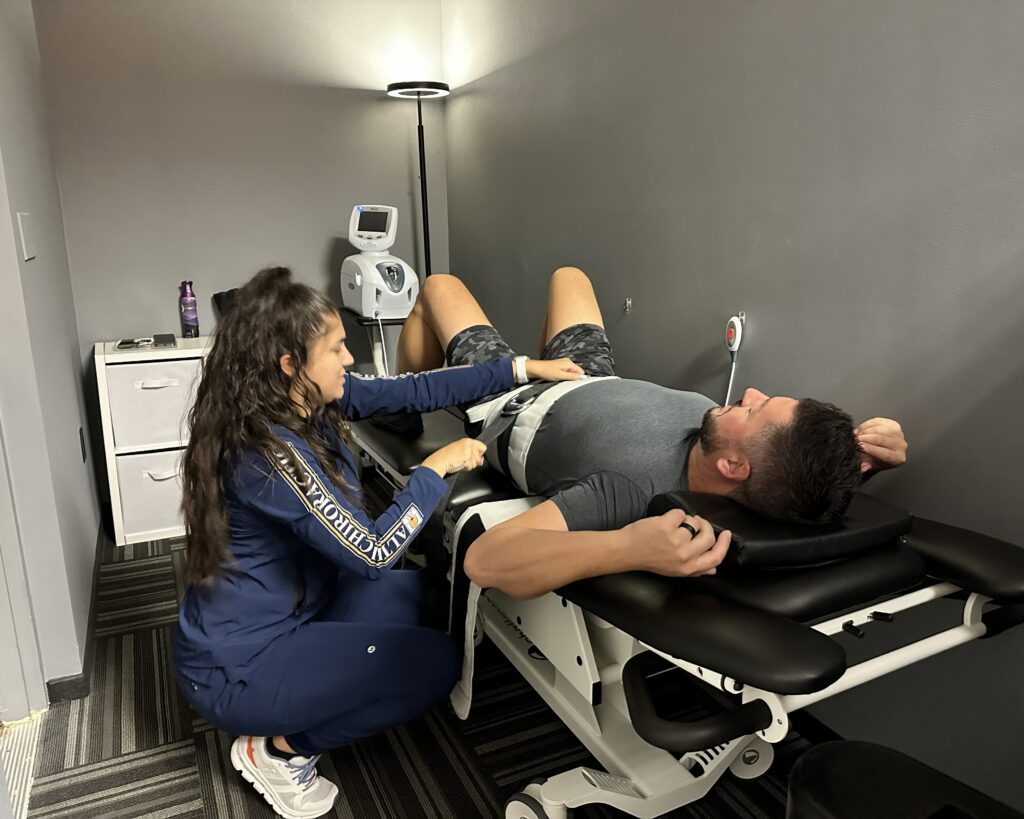
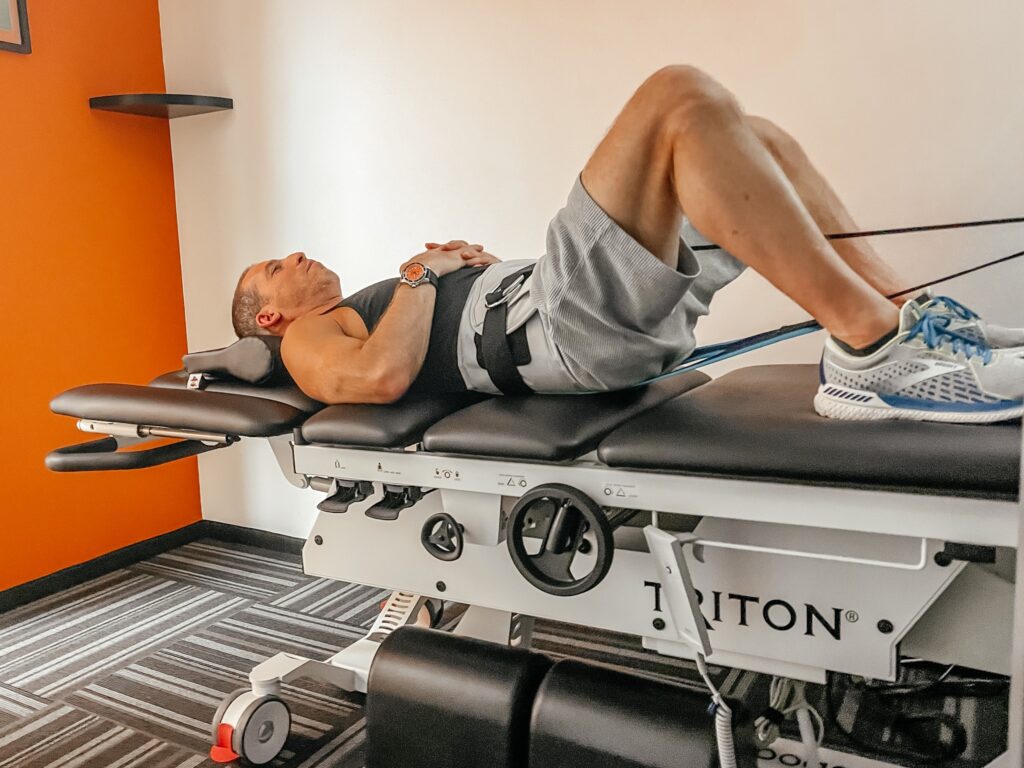
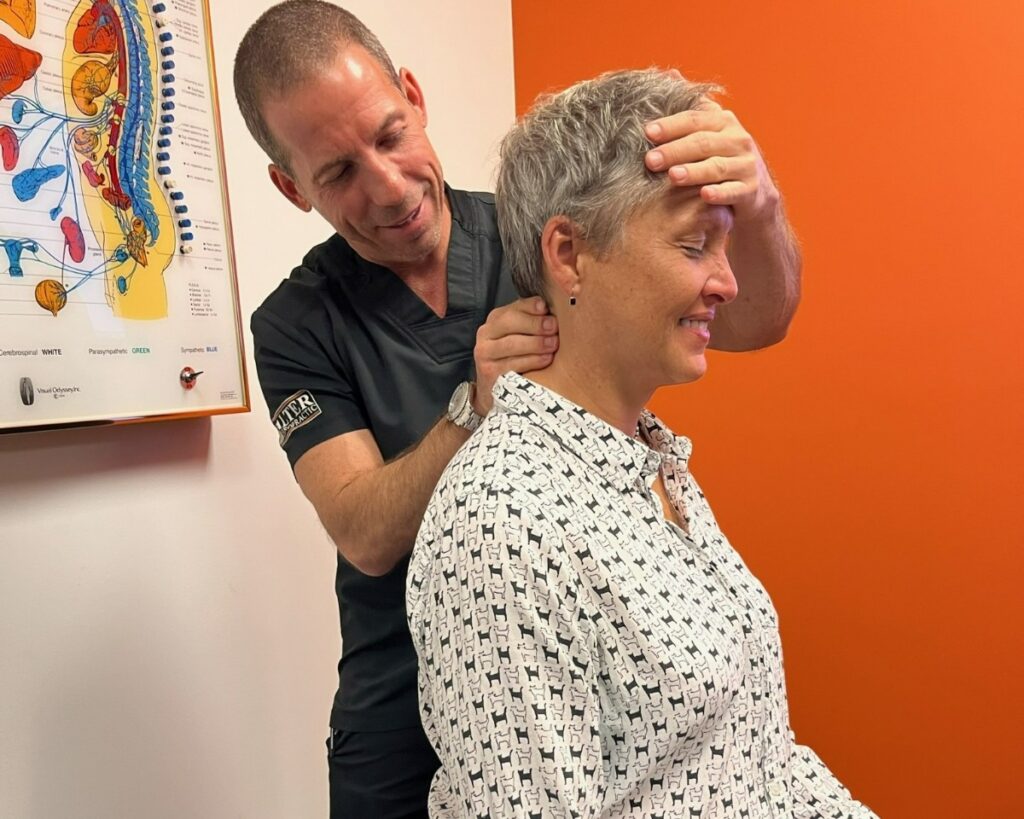
As a local chiropractor, I'm here to help you understand how chiropractic adjustments can effectively alleviate upper back pain. My goal is to provide you with insights into how our treatment focuses on diagnosing and treating musculoskeletal disorders, especially those that involve the spine.
Through specific adjustments, I can help restore proper alignment, enhance your mobility, and significantly reduce pain in your upper back. This holistic approach not only addresses your symptoms but also targets the underlying causes of your discomfort.
Let's explore three key benefits of chiropractic adjustments for upper back pain relief:
- Improved Alignment: Many individuals experience pain and tension in their upper back due to misalignments in the spine. With chiropractic adjustments, I can correct these issues, which in turn promotes better posture and alleviates strain on your muscles and ligaments.
- Increased Mobility: If you've noticed tightness in your upper back that limits your range of motion, chiropractic adjustments can help. By enhancing your flexibility and restoring normal movement patterns, you'll find it easier to perform daily activities without discomfort.
- Pain Reduction: A common benefit I see with my patients is significant pain relief following chiropractic treatment. Adjustments can relieve pressure on nerves and improve circulation, which helps to reduce inflammation and discomfort in the affected areas.
Incorporating chiropractic adjustments into your pain relief strategy can be a highly effective way to address upper back pain.
I encourage you to consult with me to discuss your specific needs and create a personalized treatment plan tailored just for you. Remember, addressing the root cause of your pain is essential for achieving long-term relief and enhancing your overall quality of life.
Let's work together towards your wellness journey!
Acupuncture Treatments
As a local chiropractor dedicated to helping you understand your options for pain relief, I want to discuss a complementary therapy that can work wonders alongside chiropractic adjustments: acupuncture. This ancient practice, grounded in Traditional Chinese Medicine, utilizes thin needles inserted at specific points on your body to restore balance and enhance your natural healing abilities.
Acupuncture can be a highly effective treatment for upper back pain. It not only targets the pain itself but also addresses any underlying factors that may be contributing to your discomfort. Many of my patients report feeling immediate relief after their acupuncture sessions, experiencing decreased muscle tension and improved blood circulation.
This technique can also stimulate the release of endorphins—your body's natural painkillers—leading to an overall improved sense of well-being.
If you're considering acupuncture, I recommend consulting with a licensed acupuncturist who can create a personalized treatment plan tailored to your needs. They'll assess your symptoms and may suggest a series of treatments to optimize your results. Each session typically lasts between 30 to 60 minutes; while some individuals might feel a slight pinch, the majority find the experience to be quite relaxing.
You may be curious about how often you should receive acupuncture treatments. Many practitioners, including myself, suggest starting with weekly sessions and then tapering off as your pain subsides.
It's also important to combine acupuncture with other therapies, such as chiropractic care or physical therapy, for the best outcomes. By integrating acupuncture into your pain management plan, you can adopt a holistic approach to not only alleviate your upper back pain but also promote your overall health and wellness.
Conclusion
As a local chiropractor, I want to help you understand how incorporating effective techniques into your daily routine can significantly alleviate upper back pain. It's essential to combine stretching and strengthening exercises with proper posture and ergonomic setups, as each of these methods plays a vital role in your recovery journey.
I often emphasize the importance of heat therapy and massage, both of which can provide immediate relief and promote healing. Additionally, I encourage you to explore alternative treatments such as chiropractic care and acupuncture, which have been beneficial for many of my patients in managing their discomfort.
Lastly, practicing mindfulness can greatly enhance your overall well-being and aid in your pain management. By integrating these strategies into your life, you can regain comfort and improve your quality of life. I'm here to support you on this path to recovery and help you understand the natural healing options available to you.