
Creating a personalized wellness plan isn't just about following a one-size-fits-all approach; it's about understanding what works best for you. You'll want to start by evaluating your current health and pinpointing specific wellness goals that resonate with your lifestyle. Consider factors like your sleep habits and stress levels, as these can greatly impact your journey. Choosing activities you enjoy is vital, but there's more to it. Curious about how to effectively monitor your progress and adapt your plan as you go? Let's explore those essential tips.
Assess Your Current Health
How well do you really know your current health? Understanding your health status is essential for creating a personalized wellness plan. Start by evaluating your physical health. Consider factors like your weight, body composition, and cardiovascular endurance. You can use simple tools, like a scale or a measuring tape, to gather this information.
Don't overlook how you feel, both physically and mentally. Are you experiencing fatigue, stress, or any chronic pain? These elements considerably influence your overall well-being.
Next, take stock of your diet and nutrition. What do you typically eat in a day? Are you consuming a balanced mix of fruits, vegetables, proteins, and whole grains? Keeping a food diary for a week can reveal patterns or habits that may need adjustment.
Additionally, think about your hydration levels. Are you drinking enough water? Proper hydration plays a crucial role in your health.
Don't forget about your lifestyle habits. How often do you exercise? Regular physical activity is essential for maintaining a healthy body and mind.
Evaluate your sleep quality, too. Are you getting enough rest each night? Poor sleep can impact your mood and energy levels.
Lastly, consider your emotional and mental health. Are you managing stress effectively? Are there relationships or situations in your life that contribute to anxiety?
Identify Your Wellness Goals
Once you've assessed your current health, it's time to set clear wellness goals that align with your needs and aspirations. Start by reflecting on what you truly want to achieve. Are you looking to lose weight, increase your energy, improve your mental health, or perhaps enhance your physical fitness? Identify specific areas in your life where you'd like to see improvement.
Next, make your goals SMART—Specific, Measurable, Achievable, Relevant, and Time-bound. Instead of saying, "I want to be healthier," specify, "I want to exercise for 30 minutes five times a week for three months." This clarity helps you track your progress and stay motivated.
Consider breaking your goals into short-term and long-term objectives. Short-term goals can serve as stepping stones, providing you with quick wins that boost your confidence. For instance, if your long-term goal is to run a marathon, your short-term goal might be to run 5K within the next month.
Don't forget to write your goals down. Seeing them in black and white reinforces your commitment and keeps you accountable. Share your goals with supportive friends or family members who can encourage you along the way.
Lastly, be flexible. Life can throw unexpected challenges your way, so it's important to reassess and adjust your goals as needed. By identifying clear wellness goals tailored to your aspirations, you're setting yourself up for a successful journey toward better health.
Consider Your Lifestyle Factors
Your daily routine plays an important role in shaping your wellness journey, so it's essential to take into account your lifestyle factors. Start by evaluating your sleep patterns. Are you getting enough quality rest each night? Lack of sleep can greatly affect your mood, energy levels, and overall health. If you're not resting well, consider adjusting your bedtime or creating a more calming nighttime routine.
Next, think about your eating habits. Do you often grab fast food or snacks on the go? A balanced diet is fundamental for your wellness plan. Make an effort to prepare healthier meals at home, focusing on whole foods that nourish your body. Track your water intake too; staying hydrated is crucial for maintaining energy and focus.
Don't forget about stress management. Identify the sources of stress in your life, whether it's work, personal relationships, or other commitments. Incorporating mindfulness practices, like meditation or deep-breathing exercises, can help you manage stress more effectively.
Additionally, consider your social life. Are you surrounding yourself with supportive friends and family? Social connections can play a major role in your mental well-being. Make time for social activities that uplift you and foster positive relationships.
Finally, think about your daily schedule. Are you allowing time for self-care? Prioritizing this in your routine can help you stay balanced and energized.
Choose Suitable Activities
Selecting suitable activities is essential for creating a personalized wellness plan that resonates with you. The activities you choose should align with your interests, goals, and lifestyle. They should also be enjoyable and sustainable, ensuring you stay committed to your wellness journey.
Here are four key considerations to help you choose activities that suit you best:
- Passion and Enjoyment: Think about what you love to do. Whether it's dancing, hiking, or practicing yoga, choosing activities that bring you joy will make it easier to stick with them.
- Physical Capabilities: Assess your current fitness level and any physical limitations. Choose activities that match your abilities, ensuring you don't set yourself up for injury or frustration.
- Time Availability: Consider your daily schedule. Opt for activities that fit seamlessly into your routine. This could be a quick workout at home, a short walk during lunch, or weekend sports with friends.
- Social Engagement: Look for activities that allow you to connect with others. Group classes, team sports, or community events can enhance your motivation and make the process more enjoyable.
Monitor Your Progress
To effectively track your journey, monitoring your progress is essential in a personalized wellness plan. This process helps you understand what works and what doesn't, allowing you to make informed decisions about your health.
Start by setting clear, measurable goals. Instead of vague aspirations like "get healthier," aim for specifics, like "exercise three times a week" or "eat five servings of vegetables daily." This clarity gives you a benchmark to measure your progress against.
Next, choose a method that fits your lifestyle to keep track of your goals. Whether you prefer a journal, an app, or a simple spreadsheet, find a system that feels manageable for you. Regularly logging your activities, meals, and feelings can provide insights into patterns or habits that need adjustment.
Schedule check-ins with yourself, ideally weekly or monthly, to evaluate your progress. During these sessions, reflect on what's working well and where you might be falling short. Celebrate your successes, no matter how small, as these moments can boost your motivation.
Don't forget to involve others in your journey. Sharing your goals with friends, family, or a wellness coach can create accountability and support. They can help you stay motivated, offer encouragement, and provide valuable feedback.
Stay Flexible and Adapt
Embrace flexibility as an essential element in your personalized wellness plan. Life's unpredictable nature means that your needs, goals, and circumstances can change. By staying adaptable, you'll be better equipped to handle setbacks and seize new opportunities for growth.
Here are some tips to help you maintain that flexibility:
- Reassess Regularly: Set aside time to evaluate your wellness goals and strategies. If something isn't working, don't hesitate to adjust your approach. Regular check-ins can help you stay aligned with your evolving needs.
- Be Open to Change: Embrace the idea that your wellness journey isn't linear. Sometimes, unexpected events may require you to shift your focus. Whether it's a new job, a family commitment, or health changes, stay open to adapting your plan to fit your current reality.
- Experiment with New Strategies: If you find yourself plateauing, try something new. This could be a different exercise routine, a new dietary approach, or even mindfulness practices. Experimentation can lead to breakthroughs and keep your journey engaging.
- Cultivate a Growth Mindset: Approach challenges with a mindset that encourages learning and growth. Instead of viewing setbacks as failures, see them as opportunities to learn more about yourself and refine your wellness plan.
Seek Professional Guidance
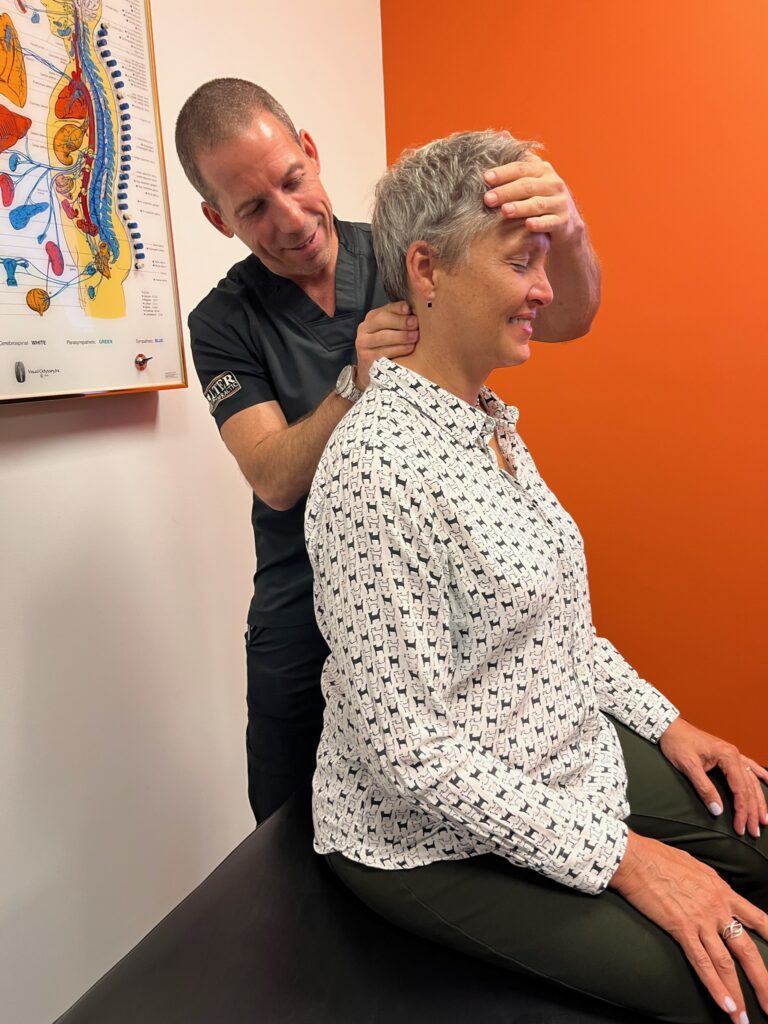
Seeking professional guidance can substantially enhance your personalized wellness plan. When you work with a healthcare professional, like a doctor, nutritionist, or wellness coach, you gain valuable insights tailored to your unique needs. They can help you identify your goals and any underlying health issues that might affect your progress.
A professional can assess your current lifestyle, including your diet, exercise routine, and stress levels. With their expertise, they'll provide evidence-based recommendations that you mightn't have considered. For example, if you're struggling with weight management, a nutritionist can design a meal plan that fits your preferences while ensuring you meet your nutritional needs.
Moreover, having someone who's knowledgeable can keep you accountable. Regular check-ins with a coach or therapist can motivate you to stick to your plan and make necessary adjustments as your life evolves. They can help you stay on track during challenging times, offering support and encouragement when you need it most.
Additionally, professionals can help you navigate the overwhelming amount of wellness information available today. They'll guide you through the noise, helping you focus on strategies that work specifically for you rather than generic advice.
In short, seeking professional guidance is an essential step in building an effective personalized wellness plan. By leveraging their expertise, you'll not only enhance your understanding but also increase your chances of achieving lasting results.
Conclusion
Creating a personalized wellness plan is all about understanding yourself and what works for you. By evaluating your health, setting clear goals, and considering your lifestyle, you can choose activities that you genuinely enjoy. Remember to monitor your progress and stay flexible, adapting your plan as needed. Don't hesitate to seek professional guidance to enhance your journey. Embrace this process with a positive mindset, and you'll be well on your way to achieving your wellness aspirations.