

You lace up your shoes, head out for a walk, and somewhere around the first block, your leg starts aching. You push through it, finish your workout, and feel surprisingly okay by the end. But then you sit down for dinner, watch a little TV, and when you stand up an hour later — the pain is back, and somehow worse than before. If this sounds familiar, you are not alone. Here in Delray Beach, this is one of the most common and confusing patterns that patients bring to Alter Chiropractic. Leg pain that worsens after rest — rather than during activity — is not just frustrating. It is a signal worth paying attention to, because it often points to something very specific happening in your spine, joints, or circulatory system.
What does it mean when leg pain gets worse after rest?
When leg pain intensifies after sitting, sleeping, or simply being still — rather than during physical activity — it suggests that the underlying cause is not muscle fatigue. Instead, it is often related to joint stiffness, nerve irritation, reduced circulation, or spinal dysfunction that responds to movement. Understanding the “why” behind this pattern is the first step toward real, lasting relief.
Why Leg Pain Gets Worse After Rest
This pattern surprises a lot of people. Most of us assume that if something hurts, rest will fix it. And for many types of injuries, that is true. A sore muscle from an intense workout benefits from a day off. But leg pain tied to nerve compression, joint inflammation, or spinal misalignment does not follow those rules. It often behaves in the opposite way.
When you are moving, your body does several helpful things. Your joints produce and distribute synovial fluid — the natural lubricant that keeps them gliding smoothly. Your muscles pump blood and oxygen through your legs. Your spinal discs receive movement-driven hydration. Your nervous system gets stimulated in ways that can temporarily reduce pain signals. All of this makes movement feel like medicine.
When you stop moving, however, those processes slow down. Joints stiffen. Fluid settles unevenly. Nerves that were being gently stretched and mobilized during activity are now compressed in one static position. Inflammatory chemicals that were dispersed by circulation begin to concentrate around irritated tissue. By the time you stand up from your couch or roll out of bed in the morning, your body has had time to “lock in” around the source of pain — and that first movement feels like breaking free from concrete.
Dr. Ryan Alter often explains it to patients this way: your body is not punishing you for resting. It is revealing the underlying dysfunction that activity temporarily masks. That distinction is important, because it changes everything about how you should approach your care.
Common Causes of This Pain Pattern
There is no single explanation for why leg pain worsens after rest. Several different conditions can produce this pattern, and each has its own mechanism. Understanding which one applies to you is what makes individualized chiropractic evaluation so valuable.
Lumbar Nerve Compression and Sciatica
One of the most frequent culprits is nerve root irritation originating in the lower back. Your sciatic nerve travels from the lumbar spine all the way down through the buttock and into the leg. When a spinal disc bulges or shifts, or when a vertebra becomes misaligned and creates pressure on a nerve root, the result is often a burning, aching, or shooting pain that runs down the leg. This type of pain frequently worsens after prolonged sitting or lying still, because those positions can increase pressure on the affected nerve. Movement, surprisingly, can decompress the area and bring temporary relief.
Spinal Stenosis
Spinal stenosis refers to a narrowing of the spinal canal that creates pressure on the nerves traveling through it. It tends to be more common as people age, and it produces leg pain, heaviness, and sometimes numbness or weakness. A hallmark of stenosis is that walking may actually relieve symptoms initially, while prolonged standing, lying flat on the back, or sitting can allow symptoms to intensify.
Peripheral Arterial Disease (PAD)
This condition involves reduced blood flow to the legs due to narrowed arteries. While PAD classically causes pain during activity — a symptom called claudication — some patients also experience rest pain, particularly at night, when the legs are elevated and gravity no longer assists circulation. If your leg pain is accompanied by coolness, skin color changes, or non-healing wounds, a medical evaluation for vascular causes is essential.
Sacroiliac Joint Dysfunction
The sacroiliac joints connect your pelvis to the base of your spine, and they play a major role in how load is transferred through your lower body. When these joints become inflamed or move improperly, they can cause deep buttock and leg pain that is often worst in the morning or after sitting for extended periods. Gentle movement tends to ease the discomfort as the joint warms up.
Inflammatory Joint Conditions
Conditions like ankylosing spondylitis or psoriatic arthritis are autoimmune in nature and frequently cause morning stiffness and pain that improves with movement. While these require medical management beyond chiropractic care alone, many patients find that conservative care complements their overall treatment plan.
What Your Body Is Actually Telling You
Rest-related leg pain is your body’s way of communicating that something structural or neurological is off — not that you have simply pushed yourself too hard. This is a crucial distinction, because it shifts the solution away from “just take it easy” and toward “find and fix the underlying cause.”
At Alter Chiropractic in Delray Beach, the philosophy has always been to treat root causes rather than chase symptoms. When a patient comes in describing this exact pattern — feeling fine during a jog but crippled after sitting through a movie — the team does not simply treat the leg. The evaluation starts at the spine, assesses joint mobility, evaluates posture and biomechanics, and looks for the structural reason the body is behaving this way.
The timing of your pain is diagnostic information. Where it travels matters. Whether it is sharp, burning, aching, or heavy matters. Whether it wakes you up at night matters. All of these details help paint a picture of what your nervous system, joints, and muscles are actually experiencing — and that picture guides effective, personalized care.
How Chiropractic Care Fits Into the Picture
Chiropractic care is one of the most well-established conservative approaches for the types of conditions that produce rest-related leg pain. It is non-invasive, drug-free, and focused on restoring proper function to the spine and musculoskeletal system — the very systems most often responsible for this confusing pain pattern.
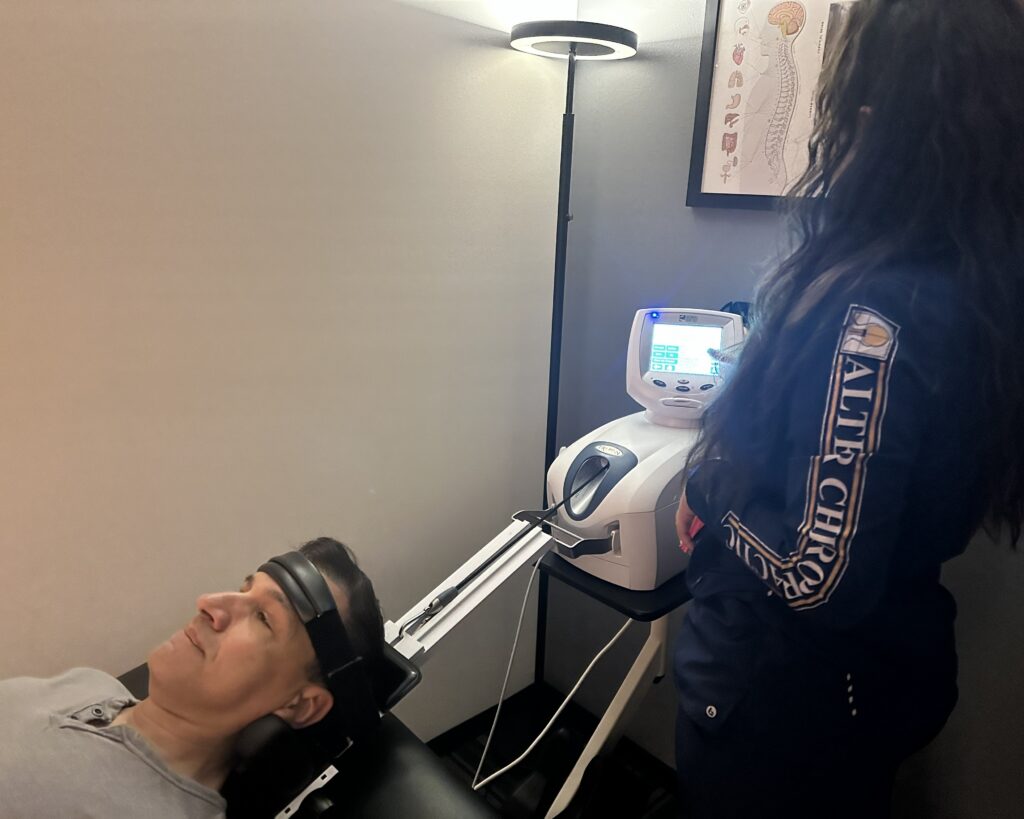
Dr. Ryan Alter takes a thorough, individualized approach with each patient. Before any care begins, there is a detailed evaluation that looks at spinal alignment, joint mobility, nerve function, and posture. The goal is never to simply reduce your pain score. The goal is to understand why the pain is there in the first place, and to address that root cause in a meaningful way.
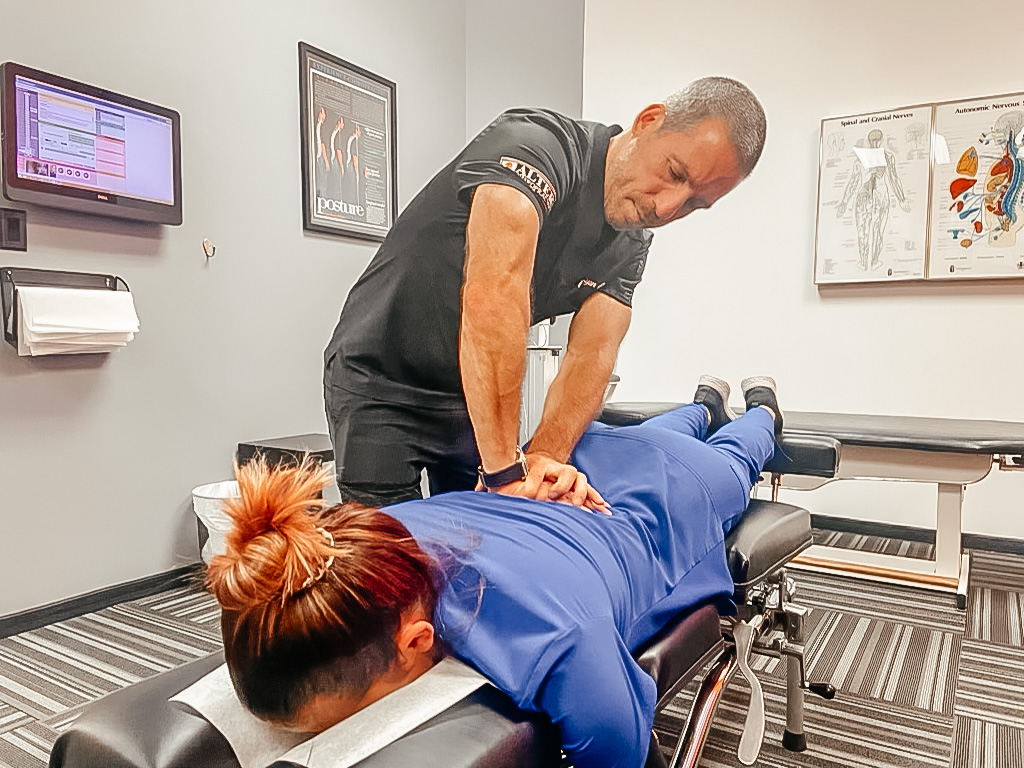
Chiropractic adjustments help restore proper alignment and movement to spinal joints that may be compressing nerves or creating imbalanced load distribution throughout the legs and pelvis. When the spine is aligned correctly and moving freely, the nervous system functions more efficiently, inflammatory pressure around nerves can reduce, and the body’s natural healing processes are better supported.
Soft tissue therapies, therapeutic exercises, and postural guidance are often part of the broader care plan as well. Research published through organizations like the National Center for Complementary and Integrative Health (NCCIH) and reviewed by major health bodies suggests that chiropractic care can be beneficial for low back-related leg pain, including sciatica-type symptoms. The evidence supports it as a legitimate first-line, conservative option before considering more invasive interventions.
For South Florida families dealing with this frustrating symptom, having access to experienced, root-cause-focused chiropractic care can make an enormous difference — not just in pain levels, but in quality of life and long-term function.
Practical Tips to Manage Leg Pain at Home
While professional evaluation is important, there are things you can do day-to-day to reduce the severity of rest-related leg pain and support your body’s healing process. These are general wellness strategies — not replacements for care, but meaningful complements to it.
First, avoid sitting for extended periods without movement breaks. Every 30 to 40 minutes, stand up, walk a short distance, and gently move your lower back and hips through their range of motion. This keeps joints lubricated and prevents the stiffness that builds during prolonged static positions.
Second, pay attention to your sleeping position. If you sleep on your side, placing a pillow between your knees can reduce the rotational stress on the lumbar spine and sacroiliac joints overnight. If you prefer to sleep on your back, a pillow under the knees can relieve pressure on the lower spine.
Third, stay hydrated. Your spinal discs are largely composed of water and rely on proper hydration to maintain their height and shock-absorbing capacity. Dehydrated discs are less resilient, more prone to compression, and more likely to irritate surrounding nerves.
Fourth, be mindful of posture throughout your day. Here in Delray Beach, many of our patients work at desks or spend long hours in vehicles — both environments that encourage poor lumbar posture and pelvic tilting. A small lumbar support cushion, adjusted monitor height, and intentional posture checks can meaningfully reduce cumulative stress on the spine.
When to See a Chiropractor
If your leg pain consistently worsens after rest and improves with movement, that pattern alone is worth a professional evaluation. You do not need to be in crisis-level pain to benefit from chiropractic care. In fact, the earlier the underlying cause is identified, the better the outcomes tend to be.
Consider scheduling an appointment at Alter Chiropractic if your leg pain has persisted for more than two weeks, if it is beginning to interfere with your sleep, or if you notice it radiating in a specific pathway down the leg. These are signs of a developing nerve or joint issue that responds well to conservative care when caught early.
There are also red flag symptoms that warrant immediate medical attention rather than chiropractic care alone. These include sudden loss of bladder or bowel control, severe weakness in one or both legs, pain following a significant trauma or fall, fever accompanied by back or leg pain, or skin changes such as coolness, discoloration, or non-healing sores. These symptoms may indicate serious vascular or neurological conditions that require urgent evaluation.
Pain Pattern Comparison Table
|
Condition |
Pain Worse During Activity? |
Pain Worse After Rest? |
Common Location |
Chiropractic Relevant? |
|---|---|---|---|---|
|
Sciatica / Nerve Root Compression |
Sometimes |
Yes — especially after sitting |
Buttock, back of thigh, calf |
Yes |
|
Sacroiliac Joint Dysfunction |
Mild |
Yes — worst in morning |
Deep buttock, upper thigh |
Yes |
|
Spinal Stenosis |
Sometimes with prolonged walking |
Yes — lying flat or sitting |
Both legs, lower back |
Yes — as part of conservative care |
|
Muscle Strain |
Yes — during or immediately after |
Mild |
Specific muscle belly |
Supportive |
|
Peripheral Arterial Disease (PAD) |
Yes — classic claudication |
Possible rest pain at night |
Calves, feet |
Medical referral recommended |
Myths vs. Facts About Leg Pain After Rest
Myth: “If it doesn’t hurt during exercise, it must not be serious.”
Fact: Many significant spinal and nerve conditions produce pain primarily after rest — not during activity. Movement can temporarily decompress nerves and distribute joint fluid, masking symptoms during exercise. The absence of pain during a workout does not mean the underlying problem is minor or harmless.
Myth: “Leg pain after sitting is just poor circulation and will go away on its own.”
Fact: While poor circulation can contribute to leg discomfort, persistent leg pain after rest is more commonly rooted in nerve irritation or joint dysfunction originating in the spine or pelvis. Waiting for it to resolve without addressing the cause often allows the problem to deepen and become harder to treat over time.
Myth: “Chiropractic care is only for back pain, not leg pain.”
Fact: Because the nerves that serve your legs originate in your lumbar spine, chiropractic care is directly relevant to many types of leg pain. Restoring proper spinal alignment and joint function can reduce nerve irritation and improve the way your legs feel and function — even when the leg itself is the primary complaint.
Myth: “You should rest as much as possible when you have leg pain.”
Fact: For most musculoskeletal and nerve-related causes of leg pain, prolonged rest is not the answer and can actually worsen symptoms. Gentle, consistent movement — guided appropriately — is generally more beneficial than immobility. A chiropractor can help you understand what kinds of movement are safe and helpful for your specific situation.
Myth: “Morning leg stiffness is just a normal part of getting older.”
Fact: While some degree of morning stiffness is common, significant leg pain or stiffness that disrupts your mornings is not something you simply have to accept. It often signals a treatable condition, and many patients at Alter Chiropractic in Delray Beach have seen meaningful improvement in their morning symptoms through consistent, root-cause-focused care.
Final Thoughts From Alter Chiropractic
Here in Delray Beach, we see this pattern regularly — people who power through their morning run just fine, only to find themselves limping to the kitchen after an evening on the couch. It can be disorienting and discouraging, especially when rest feels like it should be helping but clearly is not.
At Alter Chiropractic, Dr. Ryan Alter and the team believe you deserve more than a temporary fix. You deserve to understand what is actually happening in your body, and to receive care that addresses the real cause of your symptoms — not just a short-term patch over the pain. That root-cause philosophy has guided this practice since 2006, and it is what has earned the trust of so many South Florida families over the years.
If you are tired of waking up stiff, standing up sore, or wondering why your legs hurt more when you rest than when you work out, this is exactly the kind of problem we are here to help you solve. You do not have to keep living around your pain. Real answers are available, and they start with understanding what your body is truly telling you.
Frequently Asked Questions
Why does my leg pain get worse after sitting?
Prolonged sitting can increase pressure on the lumbar spine and the nerves that travel through your legs. It also allows joints to stiffen and inflammatory chemicals to concentrate around irritated tissue. This is why standing up after a long period of rest often triggers a burst of pain that gradually eases as you move around.
Is it sciatica if my leg hurts more after resting than during exercise?
It is possible. Sciatica — or more precisely, sciatic nerve irritation due to lumbar nerve root compression — commonly produces symptoms that worsen after sitting or lying still. However, a proper evaluation is needed to confirm whether sciatica is the cause, as several other conditions can produce a similar pattern.
Can a chiropractor help with leg pain that worsens after rest?
Yes, in many cases. When the underlying cause is spinal in origin — such as a disc issue, joint misalignment, or nerve root irritation — chiropractic care can be very effective. Dr. Ryan Alter conducts a thorough evaluation to determine whether chiropractic care is appropriate for your specific situation.
How long does it take for rest-related leg pain to improve with chiropractic care?
This varies depending on the underlying cause, how long the condition has been present, and individual factors like age and overall health. Some patients notice improvement within a few visits, while more chronic or complex cases may require a longer course of care. Your chiropractor will give you a realistic timeline based on your evaluation findings.
Should I stop exercising if my legs hurt after rest?
Not necessarily. In many cases, gentle movement and appropriate exercise are actually beneficial and part of the recovery process. However, it is important to know which activities are safe for your specific condition. A chiropractic evaluation can help you understand how to stay active without worsening the underlying problem.
What are the red flags that mean my leg pain needs emergency care?
Seek immediate medical attention if your leg pain is accompanied by loss of bladder or bowel control, sudden severe weakness in the legs, fever, significant trauma, or skin changes like coolness, discoloration, or non-healing wounds. These symptoms may indicate conditions that require urgent medical evaluation beyond conservative care.
TL;DR — Key Takeaways
-
Leg pain that worsens after rest — rather than during exercise — is a specific pattern that often points to nerve irritation, spinal joint dysfunction, or sacroiliac problems rather than simple muscle fatigue.
-
Movement temporarily relieves this type of pain by lubricating joints, decompressing nerves, and improving circulation — which is why you can feel okay during a workout but miserable on the couch afterward.
-
Common causes include sciatica, spinal stenosis, sacroiliac joint dysfunction, and in some cases vascular conditions that require medical evaluation.
-
Chiropractic care — like what Dr. Ryan Alter provides at Alter Chiropractic in Delray Beach — focuses on identifying and treating the root cause of this pain pattern, not just managing symptoms temporarily.
-
If your rest-related leg pain has persisted for more than two weeks or is affecting your sleep and daily life, it is worth getting a professional evaluation sooner rather than later.