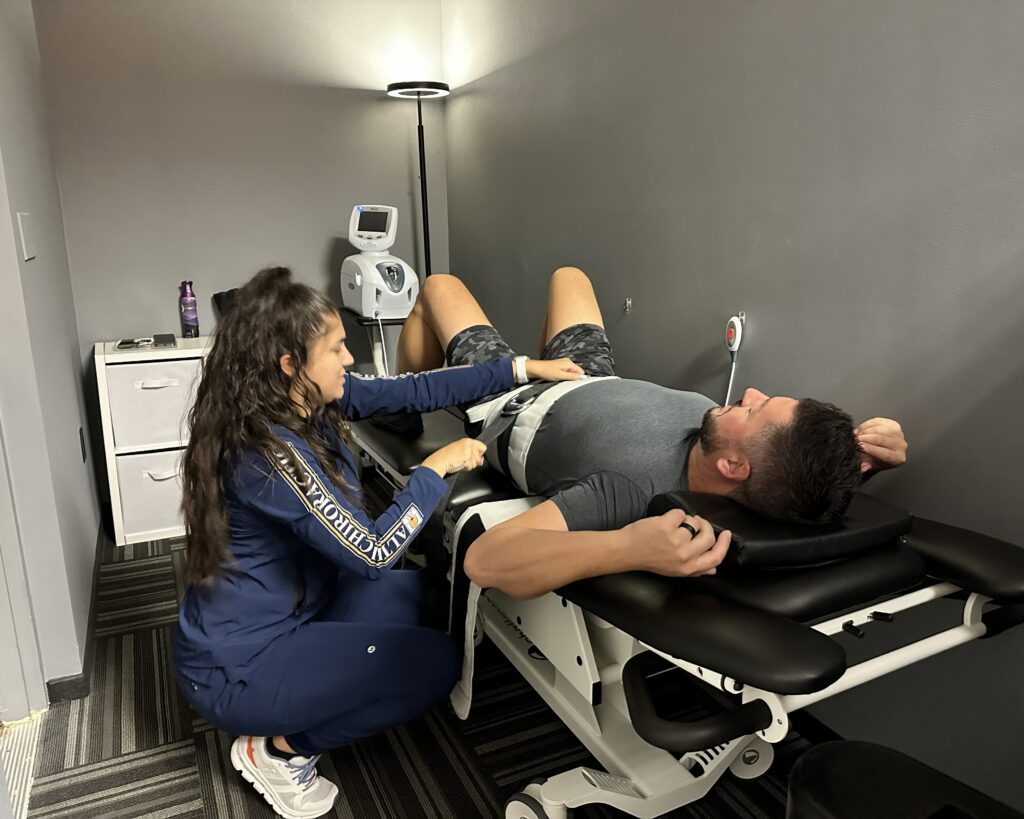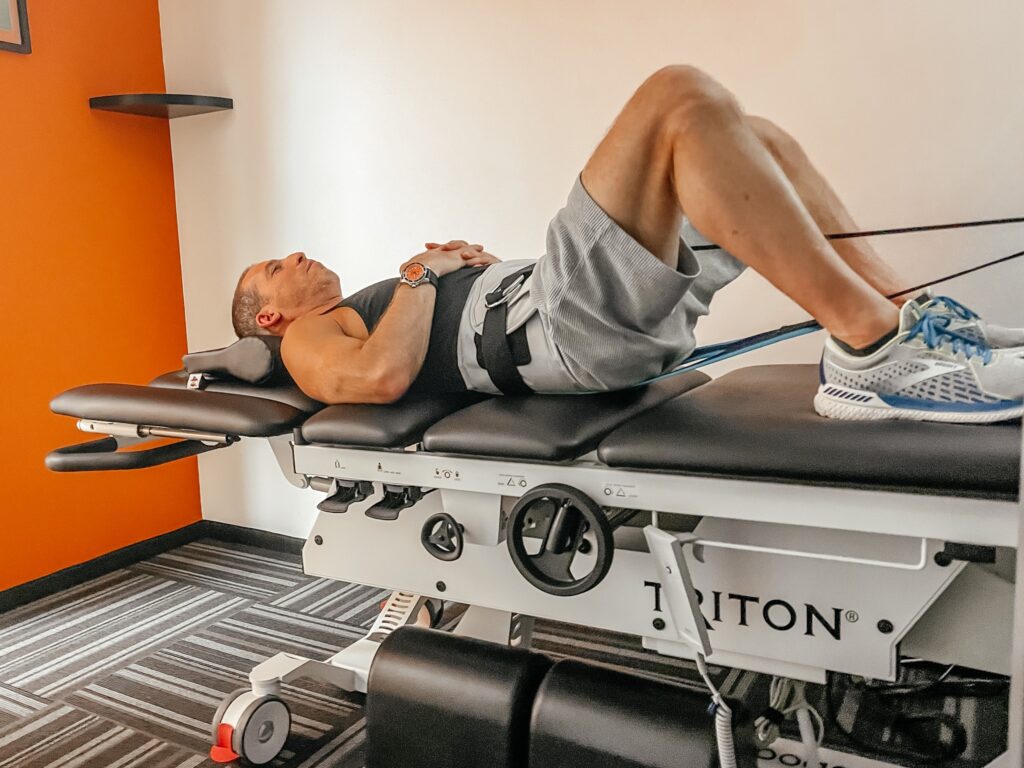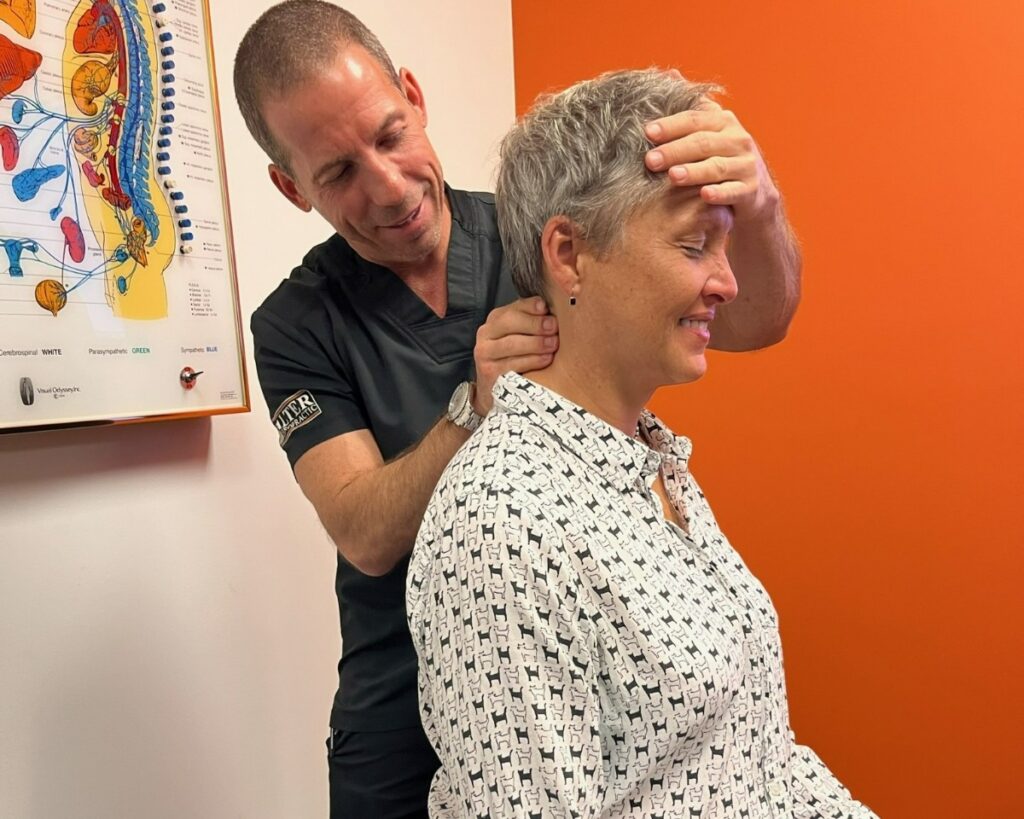

When you think about managing chronic pain, it's crucial to reflect on how preventative care can play a pivotal role in your journey. By focusing on early intervention and making proactive lifestyle changes, you can greatly minimize pain escalation. Whether it's through tailored nutrition, regular physical activity, or effective stress management, each aspect contributes to a holistic approach that enhances your quality of life. But what specific strategies can you implement today to make a tangible difference in your daily routine?
Understanding Chronic Pain
When you think about chronic pain, it's vital to recognize that it's more than just a physical sensation; it's a complex experience that can affect your emotions, thoughts, and daily life. Chronic pain often persists for months or even years, and understanding its nature is fundamental for managing it effectively.
You might find yourself feeling frustrated, anxious, or even depressed due to the ongoing discomfort, which can lead to a cycle of suffering that's hard to break.
You may experience a variety of symptoms, including sharp, dull, or throbbing sensations. It can also manifest as fatigue or stiffness, impacting your ability to perform daily tasks.
It's significant to note that chronic pain can stem from various underlying conditions, such as arthritis, fibromyalgia, or nerve damage. Each person's experience with pain is unique, and what works for one individual may not work for another.
Coping with chronic pain often requires a multi-faceted approach. You might consider keeping a pain diary to track triggers, intensity, and the impact on your daily routine. This self-awareness can be empowering, as it helps you communicate more effectively with healthcare providers.
Additionally, exploring physical therapy, mindfulness techniques, or pain management strategies can greatly improve your quality of life. By understanding the complexities of chronic pain, you can take proactive steps toward finding relief and regaining control over your life.
Importance of Preventative Care
Preventative care is essential in managing chronic pain effectively.
By adopting early intervention strategies and making lifestyle modifications, you can greatly improve your overall well-being.
Taking these proactive steps not only helps reduce pain but also enhances your quality of life.
Early Intervention Strategies
Early intervention strategies play an essential role in managing chronic pain, as addressing issues early can greatly improve outcomes. By recognizing the signs of pain and taking proactive measures, you can prevent the escalation of your condition.
Don't wait for pain to become unbearable; consult with healthcare professionals at the first signs of discomfort.
Utilizing tools like physical therapy or cognitive-behavioral therapy can help you understand and manage your pain effectively. These approaches allow you to develop coping mechanisms and improve your overall function.
Additionally, staying informed about your condition empowers you to make educated decisions about your care.
Regular screenings and check-ups are crucial, too. They can help detect potential problems before they worsen.
Make sure to communicate openly with your healthcare provider about any changes in your pain levels or related symptoms. This ongoing dialogue can help you both craft a personalized management plan tailored to your needs.
#
Lifestyle Modifications
Benefits
Making lifestyle modifications can greatly enhance your ability to manage chronic pain and improve your overall well-being. By focusing on a few key areas, you can create a positive impact on your life.
First, consider your diet. Eating a balanced diet rich in anti-inflammatory foods can reduce pain levels. Incorporate fruits, vegetables, whole grains, and healthy fats into your meals. Staying hydrated is equally important, as dehydration can exacerbate pain.
Next, don't underestimate the power of regular physical activity. Engaging in low-impact exercises like walking, swimming, or yoga can strengthen your muscles and improve flexibility. It also releases endorphins, which act as natural pain relievers.
Sleep is another vital factor. Prioritizing good sleep hygiene helps your body recover and manage pain more effectively. Create a relaxing bedtime routine and aim for 7-9 hours of quality sleep each night.
Lastly, managing stress through mindfulness practices like meditation or deep-breathing exercises can greatly reduce your pain experience.
## Lifestyle Modifications
When it comes to managing chronic pain, many people find that lifestyle modifications can play an important role in their overall well-being. By making small, intentional changes to your daily routine, you can greatly impact your pain levels and improve your quality of life.
Start by incorporating regular physical activity into your day. Engaging in low-impact exercises like walking, swimming, or yoga can help strengthen your muscles, increase flexibility, and release endorphins, which are natural pain relievers. Aim for at least 30 minutes of activity most days of the week, but listen to your body and adjust as needed.
Next, prioritize sleep. Poor sleep can exacerbate pain, so establish a regular sleep schedule, create a relaxing bedtime routine, and make sure your sleep environment is comfortable and conducive to rest.
Stress management is another vital aspect. Chronic stress can heighten pain perception, so exploring stress-reduction techniques like meditation, deep breathing exercises, or mindfulness can make a difference.
Stay connected with friends and family, too. Building a strong support network can help you feel less isolated and more empowered in your pain management journey.
Lastly, consider setting realistic goals. Break larger tasks into smaller, manageable ones to avoid feeling overwhelmed and to celebrate your achievements along the way.
Nutrition and Chronic Pain
When managing chronic pain, what you eat can make a big difference.
Incorporating anti-inflammatory foods into your diet may help reduce pain and inflammation, while addressing any nutrient deficiencies is essential for overall health.
Let's explore how these dietary choices can impact your pain management journey.
Anti-Inflammatory Foods
What if your diet could play an essential role in managing chronic pain? Incorporating anti-inflammatory foods into your meals might be a game-changer. These foods can help reduce inflammation in your body, potentially alleviating some of your pain.
Think about adding more fruits and vegetables to your plate, especially berries, leafy greens, and sweet potatoes. They're packed with antioxidants that combat inflammation.
Don't forget healthy fats! Olive oil, avocados, and nuts are excellent choices. Omega-3 fatty acids from fatty fish like salmon and mackerel can also work wonders. They're known for their anti-inflammatory properties, which might provide relief from chronic pain.
Spices like turmeric and ginger are powerful allies, too. Adding them to your dishes can enhance flavor while offering additional health benefits.
Whole grains, such as brown rice and quinoa, are another great option, as they can help maintain steady blood sugar levels and reduce inflammation.
Nutrient Deficiencies Impact
Nutrient deficiencies can markedly impact your experience with chronic pain. When your body lacks essential vitamins and minerals, it may struggle to manage inflammation, muscle function, and nerve health, all of which can exacerbate pain.
For instance, deficiencies in vitamin D and magnesium are linked to increased sensitivity to pain. Without enough vitamin D, your body can't effectively regulate calcium, which is crucial for muscle contraction and nerve signaling. This can lead to muscle stiffness and cramping.
Similarly, low magnesium levels can result in heightened pain perception and may worsen chronic pain conditions like fibromyalgia. Omega-3 fatty acids, found in fish, can also help reduce inflammation, so a lack of these can contribute to pain flare-ups.
To combat these deficiencies, focus on a balanced diet rich in whole foods. Incorporate leafy greens, nuts, seeds, and fatty fish into your meals.
If you suspect you're lacking in specific nutrients, consider discussing supplementation with your healthcare provider. By addressing nutrient deficiencies, you can potentially alleviate some of your chronic pain symptoms and improve your overall well-being.
Physical Activity and Exercise
Incorporating physical activity and exercise into your daily routine can greatly help manage chronic pain. Engaging in regular movement not only strengthens your muscles and joints but also improves flexibility, which can alleviate discomfort.
It's vital to find activities that you enjoy, whether that's walking, swimming, yoga, or cycling. These can make sticking to a routine easier and more enjoyable.
Start slow and listen to your body. If you're new to exercise, aim for short sessions, gradually increasing the duration and intensity as you feel more comfortable. Even gentle stretches or low-impact activities can provide significant benefits.
Make sure to warm up before and cool down after your workouts to prevent injury and ease muscle tension.
Incorporating strength training can also be beneficial. Building muscle helps support your joints, which may reduce pain over time. Aim for at least two days a week of strength training, focusing on major muscle groups.
Don't hesitate to consult a physical therapist or fitness professional to create a tailored plan that suits your specific needs.
Stress Management Techniques
Chronic pain often comes hand-in-hand with stress, making it essential to adopt effective stress management techniques. One of the simplest yet most powerful methods is to practice deep breathing. When you feel stress creeping in, take a moment to inhale deeply through your nose, hold for a few seconds, and then exhale slowly through your mouth. This technique can calm your nervous system and help reduce pain perception.
Another effective strategy is mindfulness meditation. By focusing on the present moment, you can create a mental space that alleviates stress and enhances your ability to manage chronic pain. Start with just a few minutes each day, sitting quietly and observing your thoughts without judgment. Over time, this practice can lead to greater emotional resilience.
Incorporating regular physical activity, even gentle movements like stretching or yoga, can also help lower stress levels. Physical activity releases endorphins, which act as natural painkillers and mood enhancers. Aim for at least 30 minutes of movement most days, adjusting the intensity to suit your body's capabilities.
Lastly, consider journaling as a way to process your feelings. Writing down your thoughts and emotions can provide clarity, helping you identify stress triggers and develop coping strategies.
Seeking Professional Guidance
Maneuvering through the intricacies of chronic pain can be intimidating, and seeking professional guidance is an essential step toward effective management.
You don't have to face this journey alone; experts can provide the knowledge and support you need. By consulting with healthcare professionals, you can gain insights tailored to your specific pain and situation.
Here are four reasons why seeking professional guidance is vital:
- Personalized Treatment Plans: A professional can assess your unique circumstances and develop a tailored plan that addresses your specific pain. This personalized approach can lead to more effective management strategies.
- Access to Resources: Professionals have access to a wide range of resources, including medications, therapies, and alternative treatments. They can help you navigate the options available and find what works best for you.
- Emotional Support: Chronic pain often comes with emotional challenges. A healthcare provider can offer not only medical advice but also emotional support, ensuring you feel heard and understood during your journey.
- Monitoring Progress: Regular check-ins with a professional can help you track your progress, adjust treatment plans, and stay accountable. This ongoing support can empower you to make informed decisions about your health.
In short, seeking professional guidance is a vital step that can enhance your understanding of pain management and improve your overall quality of life.
Don't hesitate to reach out and take charge of your health.
Building a Support System
Building a strong support system is essential for anyone dealing with chronic pain. You don't have to navigate this journey alone, and having people around you who understand your struggles can make a significant difference. Start by reaching out to friends and family. Let them know what you're going through and how they can help. Open communication fosters empathy and strengthens your connections.
Consider joining a support group, either in-person or online. These groups provide a safe space to share experiences, coping strategies, and encouragement. Listening to others who face similar challenges can alleviate feelings of isolation and help you feel validated.
Additionally, don't underestimate the importance of professional support. Therapists, counselors, or pain specialists can offer valuable insights and coping mechanisms tailored to your specific situation. They can also help you develop strategies for managing relationships affected by chronic pain.
As you build your support system, remember to be selective. Surround yourself with positive, understanding individuals who uplift you rather than those who diminish your experience. It's okay to set boundaries with people who don't respect your needs or who bring negativity into your life.
Ultimately, a solid support system can empower you to face the challenges of chronic pain more effectively. By connecting with others who care and understand, you'll not only manage your pain better but also enhance your overall quality of life. Don't hesitate to actively seek out and nurture these valuable relationships.
Conclusion
In managing chronic pain, taking a proactive approach can make all the difference. By focusing on preventative care, you can greatly improve your quality of life. Embrace lifestyle changes, prioritize nutrition, stay active, and practice stress management techniques. Don't hesitate to seek professional guidance and build a solid support system around you. Remember, you're not alone in this journey, and with dedication and the right strategies, you can effectively manage your pain and enhance your well-being.