
If you're grappling with chronic back pain, you might feel overwhelmed by the myriad of treatment options out there. Non-invasive solutions, like physical therapy, acupuncture, and mindfulness practices, offer promising pathways without the need for surgery or medication. By understanding how these approaches work together, you can take a proactive stance in managing your pain. But what specific techniques can you incorporate into your routine to start feeling better? The answers could transform your daily life in ways you haven't yet considered.
Understanding Chronic Back Pain
Chronic back pain often disrupts daily life, affecting your ability to work, exercise, and enjoy leisure activities. It can stem from various causes, including injury, poor posture, or underlying medical conditions. Understanding the nature of your pain is vital for effectively managing it.
You might feel a nagging ache, sharp pain, or stiffness in your back. This discomfort can radiate to other areas, like your legs or neck, making it hard to pinpoint the source. It's important to recognize that chronic back pain isn't just a physical issue; it can also impact your mental health, leading to anxiety or depression.
You may find that certain activities exacerbate your pain, while others provide relief. Keeping a pain diary can help you track triggers and patterns. Pay attention to your body mechanics during daily tasks; simple adjustments can make a significant difference.
Additionally, lifestyle factors play a role in managing chronic back pain. Maintaining a healthy weight, practicing good sleep hygiene, and incorporating gentle movements into your routine can help alleviate discomfort.
You should consult with a healthcare professional to discuss your symptoms and explore potential causes. They can provide valuable insights and recommend appropriate non-invasive treatments tailored to your situation.
Understanding the complexities of chronic back pain empowers you to take an active role in your healing journey, ultimately leading to a better quality of life.
Physical Therapy Techniques
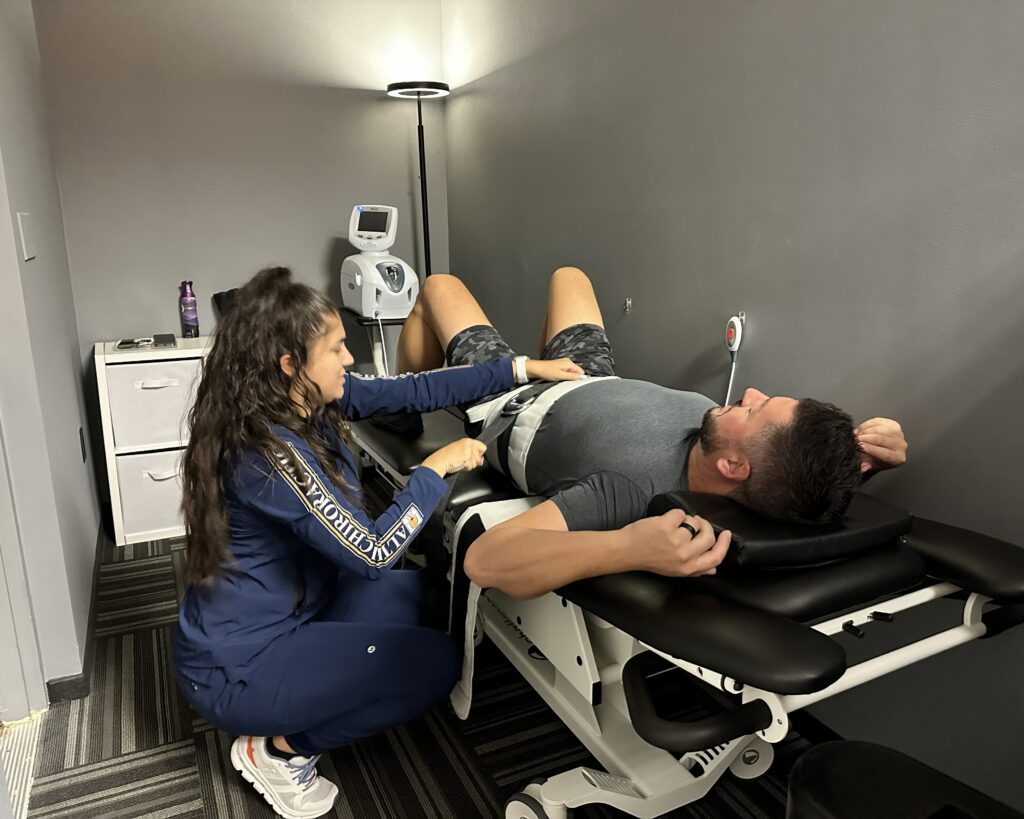
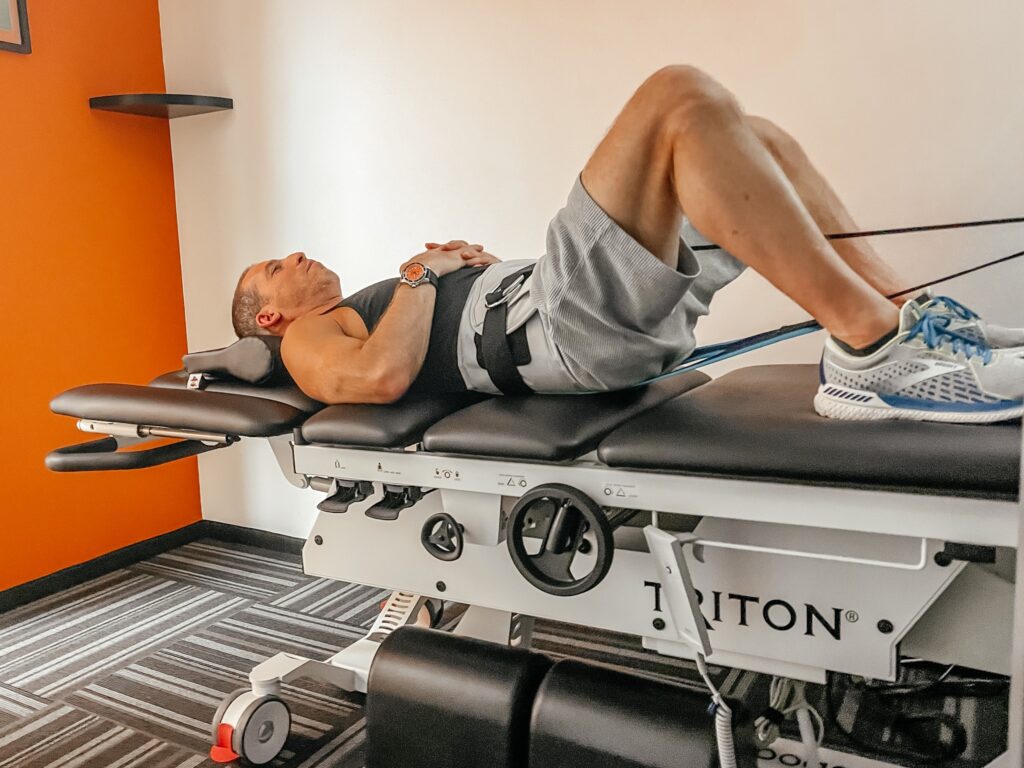
Physical therapy techniques are often essential in managing chronic back pain effectively. When you work with a physical therapist, they'll assess your condition and tailor a program specifically for you. This personalized approach helps address your unique pain triggers and mobility limitations.
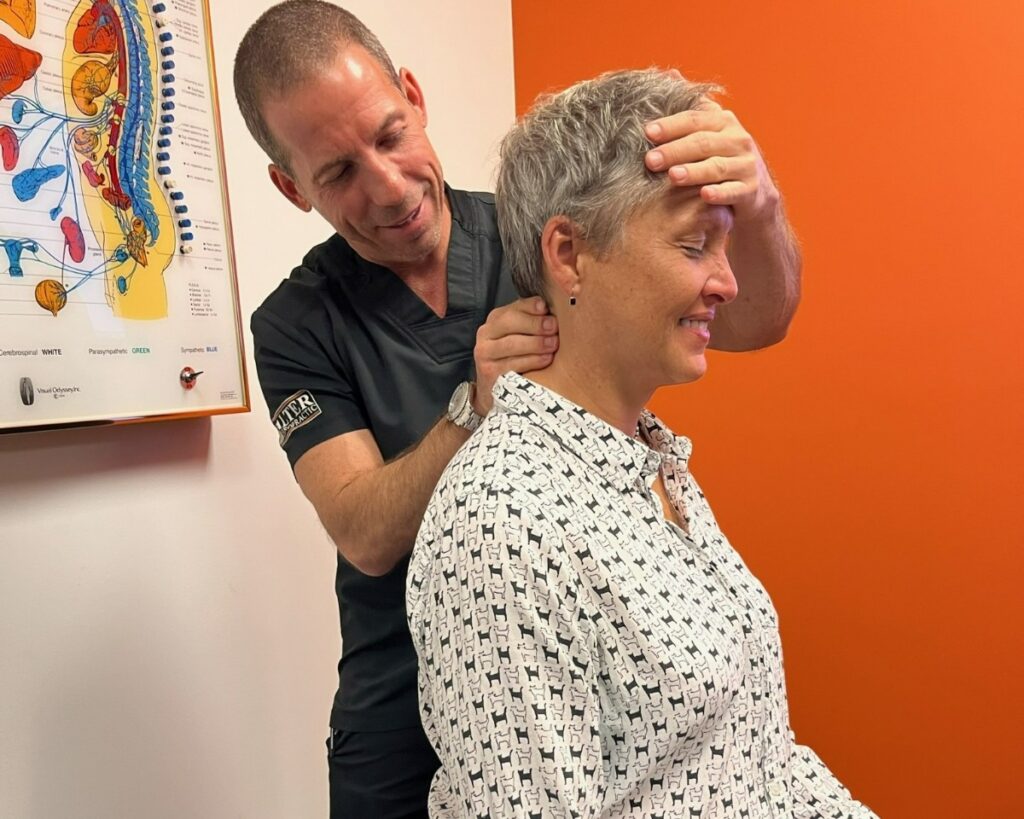
One common technique you might experience is manual therapy. Your therapist may use their hands to manipulate your spine and surrounding muscles, aiming to improve flexibility and reduce tension. This hands-on approach can provide immediate relief and help restore your body's natural movement patterns.
Another technique is therapeutic exercises. These are designed to strengthen your core and back muscles, which play a significant role in supporting your spine. By engaging in targeted exercises, you'll develop better posture and stability, reducing the risk of future pain episodes.
Stretching exercises are also important. They help improve flexibility in your muscles and joints, making it easier to perform daily tasks without discomfort. Your therapist will guide you through specific stretches that target tight areas, promoting relaxation and easing tension.
Additionally, modalities like heat, ice, or electrical stimulation may be used to manage pain and inflammation. These treatments can complement your exercise routine, providing a holistic approach to your recovery.
Benefits of Acupuncture
Acupuncture offers a unique approach to managing back pain, complementing physical therapy techniques. This ancient practice involves inserting thin needles into specific points on your body to stimulate the flow of energy, or "qi." Many people find that acupuncture can effectively reduce pain and promote healing in a non-invasive manner.
One of the key benefits of acupuncture is its ability to release endorphins, the body's natural painkillers. When you undergo acupuncture, it triggers your body to produce these feel-good hormones, which can help alleviate not just back pain but also related symptoms like anxiety and stress.
You'll likely experience a sense of relaxation during and after the session, which can contribute to overall well-being.
Another advantage is that acupuncture can enhance blood circulation in the affected areas. Improved blood flow means that essential nutrients and oxygen reach your muscles and tissues more effectively, promoting faster recovery from injuries and reducing inflammation.
You might notice increased flexibility and reduced stiffness in your back after treatments.
Additionally, acupuncture can be tailored to your specific needs. Your practitioner can adjust the treatment based on your pain levels and any underlying conditions. This personalized approach means you're more likely to find relief tailored to your situation.
Finally, acupuncture is generally safe with minimal side effects when performed by a qualified practitioner. If you've been struggling with chronic back pain, consider integrating acupuncture into your pain management plan; it might just be the solution you've been searching for.
Mindfulness and Meditation
Mindfulness and meditation can be powerful tools in managing chronic back pain.
By focusing your mind and reducing stress, these practices help alleviate tension in your body.
Let's explore the benefits of mindfulness and some effective meditation techniques that can support your pain relief journey.
Benefits of Mindfulness
While many seek immediate relief through physical treatments, incorporating mindfulness and meditation into your routine can offer profound benefits for managing chronic back pain. By focusing on the present moment, you're able to reduce stress and anxiety, which often exacerbate pain. Mindfulness helps you develop a better awareness of your body, allowing you to identify pain triggers and respond to them more effectively.
Practicing mindfulness also cultivates a sense of acceptance. Instead of fighting against your pain, you learn to acknowledge it without judgment, which can lessen its emotional weight. This shift in perspective can decrease the intensity of your discomfort, making it easier to cope throughout the day.
Moreover, mindfulness encourages relaxation. When you're able to relax your mind, your body follows suit, often leading to reduced muscle tension and improved posture. This can be particularly beneficial for back pain, as tight muscles and poor alignment can contribute to your discomfort.
Incorporating mindfulness into your life doesn't require extensive time or resources. Just a few minutes each day can greatly enhance your overall well-being and provide a valuable tool in your pain management strategy.
Meditation Techniques for Pain
Several effective meditation techniques can help you manage chronic back pain by promoting relaxation and enhancing your awareness of bodily sensations.
By incorporating these practices into your daily routine, you can cultivate a greater sense of control over your pain.
Here are three techniques to try:
1. Mindful Breathing: Sit or lie down comfortably. Focus on your breath, inhaling deeply through your nose and exhaling slowly through your mouth.
When thoughts about pain arise, gently bring your attention back to your breath. This can help create a sense of calm.
2. Body Scan Meditation: Lie down in a comfortable position. Starting from your toes, gradually scan your body, paying attention to areas of tension or discomfort.
Acknowledge these sensations without judgment, and visualize releasing the tension as you breathe out.
3. Guided Imagery: Visualize a peaceful scene, such as a beach or forest. Imagine the sights, sounds, and smells.
As you immerse yourself in this imagery, allow it to distract you from your pain and promote relaxation.
Ergonomic Adjustments
When it comes to managing chronic back pain, proper posture is essential.
You'll find that adjustable furniture can make a significant difference in your comfort and support throughout the day.
Importance of Proper Posture
Maintaining proper posture is essential for preventing chronic back pain and promoting overall spinal health. When you sit, stand, or move with proper alignment, you reduce unnecessary strain on your muscles and joints, which can lead to discomfort or injury.
Here are three key benefits of good posture:
- Reduces Muscle Tension: When you align your body correctly, you distribute weight evenly across your muscles and joints. This helps minimize muscle fatigue and tension, keeping discomfort at bay.
- Improves Circulation: Proper posture opens up your blood vessels and nerves, enhancing circulation. Better blood flow means your body receives more oxygen and nutrients, contributing to better overall health.
- Boosts Confidence: Standing tall and maintaining an upright position not only makes you look more confident, but it can also make you feel more self-assured. This mental boost can have positive effects on your mood and productivity.
Adjustable Furniture Benefits
Transforming your workspace with adjustable furniture can greatly enhance your comfort and productivity. When you invest in ergonomic solutions, like adjustable desks and chairs, you empower yourself to create a workspace that fits your body perfectly.
This means you can easily modify your setup to guarantee you're always in an ideal position, reducing strain and discomfort during long hours of work.
Adjustable furniture allows you to switch between sitting and standing, promoting better circulation and reducing the risk of back pain. It encourages you to change your posture throughout the day, which can prevent stiffness and fatigue.
Plus, having the right height for your desk and chair means you won't have to hunch over, keeping your spine aligned and your muscles relaxed.
Workspace Design Considerations
Creating an ergonomic workspace involves thoughtful design choices that prioritize your comfort and health. By making simple adjustments, you can greatly reduce the risk of chronic back pain.
Here are three key considerations for a healthier workspace:
- Chair Selection: Choose an adjustable chair that supports your lower back. A chair with lumbar support encourages proper posture, helping to alleviate strain on your spine.
- Desk Height: Confirm your desk is at the right height. Your elbows should be at a 90-degree angle when typing, and your monitor should be at eye level to prevent neck strain. If your desk isn't adjustable, consider using a riser.
- Keyboard and Mouse Placement: Position your keyboard and mouse close enough to avoid reaching. They should be at the same height as your elbows to keep your wrists straight. Using a wrist rest can also provide additional support.
Lifestyle Changes for Relief
While it might seem intimidating, making simple lifestyle changes can considerably alleviate chronic back pain. Start by incorporating regular physical activity into your routine. Aim for low-impact exercises like walking, swimming, or cycling, which strengthen your back muscles without putting too much strain on your body.
Even stretching daily can enhance flexibility and reduce tension.
Next, pay attention to your posture. Make a conscious effort to sit and stand tall, keeping your shoulders back and your spine aligned. If you work at a desk, consider investing in ergonomic furniture to support your back.
Remember, small adjustments can make a big difference in how you feel throughout the day.
Nutrition also plays an essential role in managing pain. Eating a balanced diet rich in anti-inflammatory foods—like fruits, vegetables, whole grains, and healthy fats—can help reduce inflammation and promote healing.
Staying hydrated is important too, as it supports overall health and can help prevent muscle cramps.
Don't forget about sleep. Prioritize quality rest by creating a comfortable sleeping environment. A supportive mattress and the right pillow can do wonders for your back.
Finally, consider stress-reducing activities like yoga or meditation. These practices not only ease tension in your body but also promote emotional well-being, which can be beneficial in managing chronic pain.
Conclusion
Incorporating non-invasive solutions for chronic back pain can truly transform your well-being. By engaging in physical therapy, experiencing the benefits of acupuncture, and practicing mindfulness, you can take control of your pain. Don't forget the importance of ergonomic adjustments and lifestyle changes—they can make a significant difference too. Embrace these holistic approaches, and you'll be on your way to a more comfortable, pain-free life. Remember, healing takes time, but you're not alone in this journey.