
If you're experiencing a neck injury, it's crucial to take a careful approach to your recovery. As a local chiropractor, I want to share some gentle techniques that can significantly aid in regaining your mobility and reducing discomfort. For example, incorporating gentle stretching exercises into your routine can improve flexibility and relieve tightness in the neck.
In addition to stretching, using heat and cold therapy can be very beneficial in managing pain and promoting healing. However, these are just a couple of approaches—there are many other natural strategies that you may not have considered, which can greatly enhance your healing journey. Are you interested in learning more about these techniques?
Gentle Stretching Exercises
As a local chiropractor, I want to emphasize the importance of gentle stretching exercises in your recovery from neck injuries. These stretches can be a vital part of your healing journey, helping to alleviate tension, improve flexibility, and promote overall wellness.
It's crucial to listen to your body as you incorporate these movements into your daily routine.
Let's start with neck tilts. Gently tilt your head to one side, bringing your ear toward your shoulder. Hold this position for about 15-30 seconds before switching to the other side. You should feel a gentle stretch along the side of your neck, which can help relieve tightness.
Next, we'll move on to neck rotations. Slowly turn your head to the right, looking over your shoulder, and hold for 15-30 seconds. After returning to the center, rotate to the left. This simple exercise enhances your neck mobility and can help reduce stiffness.
Shoulder rolls are another effective technique. By rolling your shoulders forward and backward, you can release built-up tension in the neck area. Aim for 10 rolls in each direction to maximize the benefits.
Lastly, don't overlook chin tucks. Whether sitting or standing, maintain a tall posture and gently tuck your chin toward your chest, holding for a few seconds. This exercise strengthens the muscles that support your neck, which is essential in preventing future injuries.
Remember, these gentle stretches can complement the chiropractic care you receive and contribute to a more effective recovery process.
Always consult with your chiropractor if you have any concerns or need personalized guidance on your healing journey.
Heat and Cold Therapy
As a local Chiropractor, I want to share some valuable insights about heat and cold therapy, which can be incredibly effective for managing pain and inflammation caused by neck injuries. Understanding when and how to use these therapies can significantly enhance your recovery journey.
When you apply heat to your neck, it can work wonders by helping to relax tense muscles and improving blood circulation in the area. This increased blood flow can accelerate the healing process. I typically recommend using heat when you're experiencing stiffness or chronic pain. You can achieve this with a warm towel, a heating pad, or even a warm shower.
Just be cautious to ensure that the heat is comfortable—aim for a soothing warmth rather than anything that feels burning or overly intense.
Conversely, cold therapy is excellent for reducing swelling and numbing sharp pain. If your neck injury is recent or if you notice inflammation, ice packs can be incredibly helpful. It's important to wrap ice or a cold pack in a cloth before applying it to your skin to prevent any damage.
Apply the cold pack to the affected area for about 15 to 20 minutes, and be sure to take breaks in between applications to protect your skin from frostbite.
I often encourage my patients to experiment with alternating between heat and cold therapy, depending on their symptoms. Start with cold therapy to address any swelling, and once the inflammation begins to subside, switch to heat for muscle relaxation.
Always pay attention to how your body responds; if one method seems to aggravate your pain, it's best to stop and consult me or another healthcare professional.
Mindfulness and Relaxation Techniques
As a local chiropractor, I want to share some insights on how finding calm amid the chaos can significantly support your recovery from neck injuries. Mindfulness and relaxation techniques are valuable tools that can help reduce stress, alleviate tension, and enhance the healing process. When you engage in these practices, you're not just calming your mind; you're also fostering a positive environment for your body to recover.
To begin, I recommend incorporating deep breathing exercises into your daily routine. Find a comfortable position, close your eyes, and take a slow, deep breath in through your nose, letting your belly expand fully. Hold that breath for a moment, then exhale slowly through your mouth. Repeating this for several minutes can help calm your nervous system and decrease muscle tension in your neck—a crucial aspect of your healing journey.
You might also consider exploring guided meditation or progressive muscle relaxation. These techniques will help you focus on different areas of your body, promoting the release of any built-up tension. There are various apps and online resources available that can guide you through these practices, making it easier to incorporate them into your daily life.
Another powerful technique is visualization. Imagine yourself in a serene environment, such as a tranquil beach or a peaceful forest. Engage all your senses by picturing the sights, sounds, and scents around you. This mental exercise can serve as a distraction from pain and help you feel more centered and at ease.
Finally, I want to emphasize the importance of self-compassion. Healing takes time, and it's essential not to rush the process. Embracing mindfulness and relaxation techniques can be a transformative part of your recovery journey, ultimately bringing you closer to a pain-free life.
Ergonomic Adjustments
As a local chiropractor, I want to emphasize the importance of creating an ergonomic workspace to help prevent and alleviate neck injuries. One of the first steps is to adjust your chair height so that your feet rest flat on the floor and your knees form a 90-degree angle. This position helps support your lower back and allows you to sit upright, minimizing strain on your neck.
Next, it's essential to position your computer monitor at eye level. Ideally, the top of the screen should be at or just below your eye level, enabling you to maintain a neutral neck position while working. If you're using a laptop, I recommend investing in a laptop stand or an external monitor to achieve this ergonomic setup.
Additionally, utilizing a separate keyboard and mouse can help keep your arms in a comfortable position, further reducing the risk of injury.
Don't overlook the placement of your keyboard and mouse! These should be positioned close enough that you don't have to reach for them, as this can lead to unnecessary strain on your neck and shoulders. Your elbows should be at about a 90-degree angle while keeping your wrists straight as you type.
Lighting is another crucial factor. Ensure your workspace is well-lit to prevent you from leaning forward or tilting your head to see clearly. If you're working with physical documents, consider using a document holder to keep them at eye level, which will help reduce neck strain from looking down.
Lastly, I can't stress enough the importance of taking regular breaks. Standing up, stretching, and moving around not only helps relieve tension but also encourages better posture when you return to your workspace.
Professional Soft Tissue Therapy
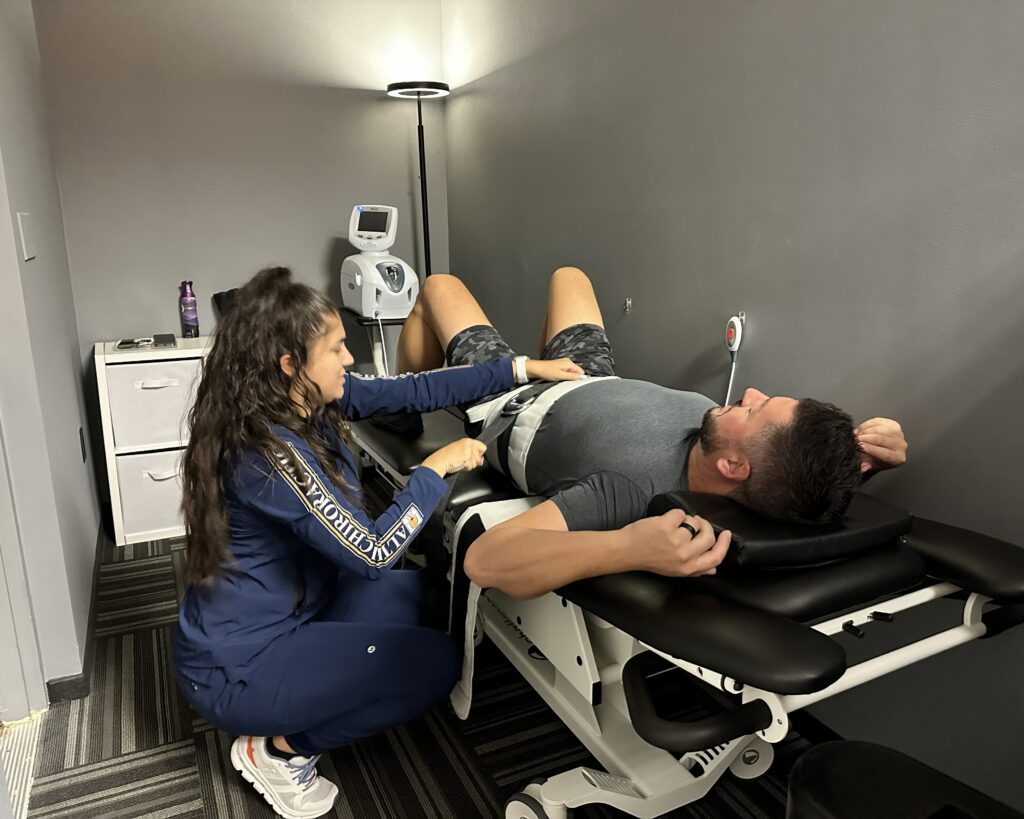
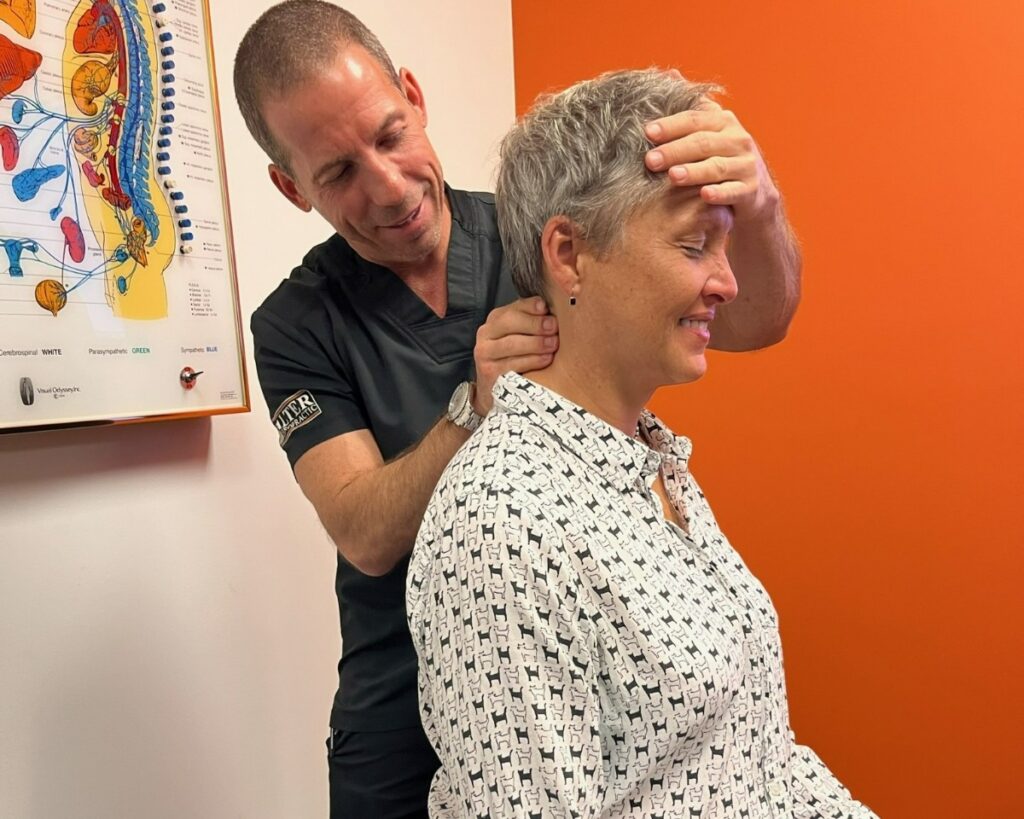
As a local chiropractor, I want to emphasize that addressing neck injuries goes beyond simply making ergonomic changes in your workspace. One effective approach to recovery is professional soft tissue therapy, which can significantly aid in your healing process. This type of therapy focuses on the manipulation of the muscles, tendons, and ligaments surrounding your neck, helping to alleviate pain and improve mobility.
When you come to see me or another certified therapist, we'll assess your unique condition and create a personalized treatment plan tailored specifically for you. We utilize various techniques, including myofascial release, deep tissue massage, and trigger point therapy, which are designed to target the knots and tension that may be causing discomfort in your neck.
These methods not only promote blood flow to the affected areas, accelerating healing but also help reduce inflammation.
During your sessions, it's vital to communicate openly about your pain levels and any discomfort you may be experiencing. This feedback allows us to adjust our techniques to ensure that your treatment is both effective and comfortable. Many patients find that regular therapy sessions lead to significant improvements in their neck's range of motion and a noticeable decrease in pain.
In addition to therapy, I recommend incorporating specific stretches and exercises into your routine, which we can discuss together. These practices are essential for strengthening the muscles that support your neck and can help prevent future injuries.
Conclusion
As a local chiropractor dedicated to helping you understand the healing process, I want to share five essential soft techniques that can significantly support your recovery from neck injuries. First, gentle stretching is crucial; it helps maintain flexibility and can ease tension in the neck muscles. Next, consider incorporating heat and cold therapy—applying heat can relax stiff muscles, while cold therapy can reduce inflammation and numb sharp pain.
Mindfulness practices, such as deep breathing and meditation, can also be beneficial; they help reduce stress and promote relaxation, which is vital for healing. Additionally, making ergonomic adjustments to your workspace or home environment can prevent further strain on your neck. Lastly, seeking professional help from a chiropractor can provide tailored treatment options that align with your specific needs.
Always remember to listen to your body—if something doesn't feel right, don't hesitate to reach out for professional guidance. Stay committed to your recovery journey, and with these techniques, you can expect to see improvements in your mobility and comfort over time. Your health is our priority, and we're here to support you every step of the way!