
As a local chiropractor, I want to emphasize that recovering from a sports injury requires more than just taking a break; it demands a comprehensive approach. It's important to understand that your recovery strategy should encompass various factors, including proper nutrition, hydration, physical therapy, and even mental training. Each of these elements plays a crucial role in how quickly and effectively you can return to your favorite activities.
In my practice, I often see patients who are unaware of the benefits that chiropractic care can offer during their recovery process. Chiropractic adjustments can help restore proper alignment and function to your body, which is vital for healing. Additionally, we can work together to develop a personalized recovery plan that includes exercise recommendations, nutritional guidance, and techniques to manage pain and inflammation.
Finding a balance between these methods is key, and it's essential to choose the approaches that are best suited to your individual needs. So, what are the most effective techniques that can truly enhance your recovery journey? Let's delve into some of these important strategies together and explore how chiropractic care can support your healing process.
Rest and Recovery
As a local chiropractor, I want to emphasize the importance of taking a break from physical activity when you're recovering from a sports injury. Many people feel the urge to push through the pain, but this can lead to worsening the injury and extending the time it takes to heal. Instead, prioritize rest as your body works diligently to repair itself.
Remember, this doesn't mean you should just lie on the couch; it's about giving your muscles, ligaments, and joints the opportunity to mend properly.
During this recovery phase, it's crucial to listen to your body. If you experience pain or discomfort, that's a clear indication to scale back your activities. Avoid any movements that aggravate the injury.
Instead, consider gentle activities that boost blood flow without putting additional strain on the affected area. Simple stretches or light, non-impact exercises can help you maintain flexibility and promote healing.
Sleep is another critical component of your recovery. Aim for high-quality sleep each night, as this is when your body does most of its healing work. Creating a restful sleep environment, minimizing distractions, and ensuring you get enough hours of rest are vital steps in supporting your recovery process.
Hydration and nutrition can't be overlooked either. Make sure you're drinking plenty of water to keep your tissues hydrated, and focus on a balanced diet rich in proteins, vitamins, and minerals.
These nutrients are essential for muscle repair and overall healing.
Finally, it's essential to remember that recovery is a process that takes time. I understand the temptation to rush back into your regular routine, but patience is key. Allow yourself the time you need to heal fully, and you'll come back stronger and more resilient.
If you have any questions or need guidance on your recovery journey, don't hesitate to reach out for support.
Physical Therapy
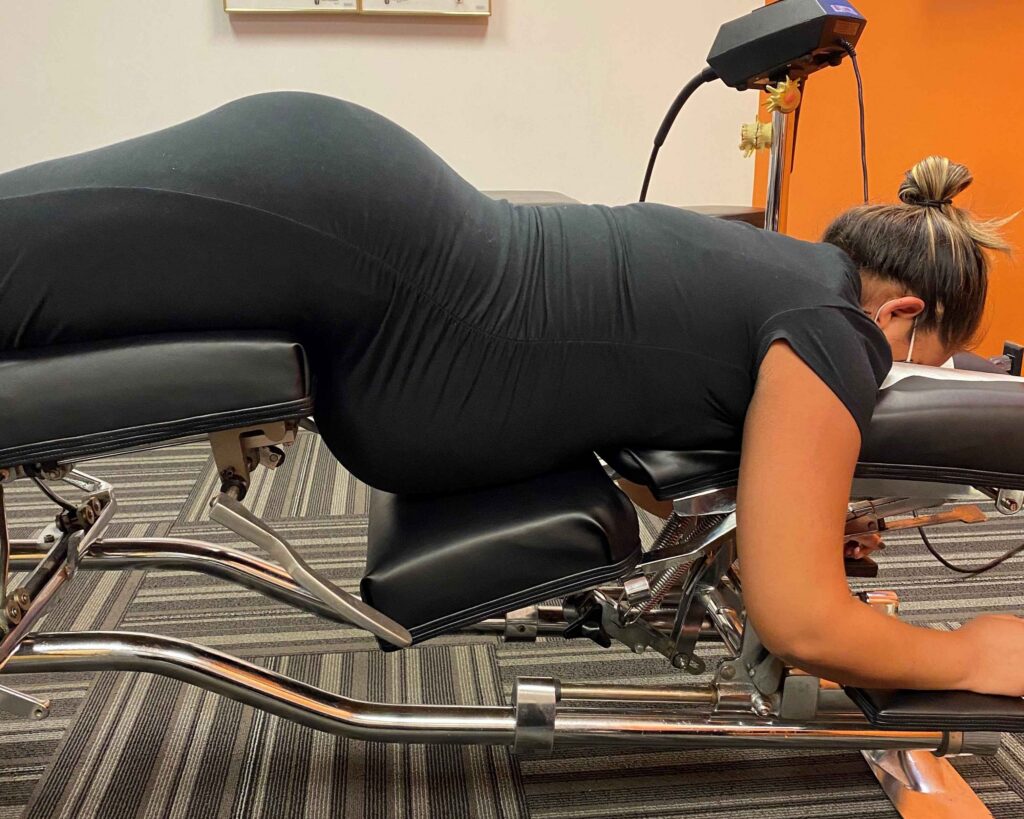
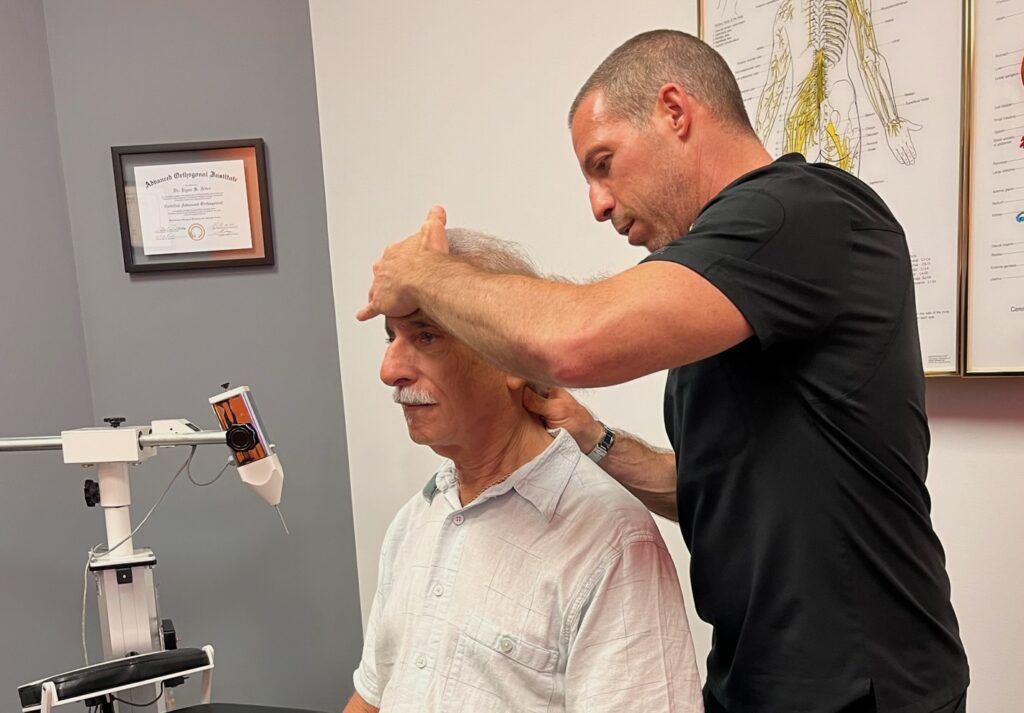
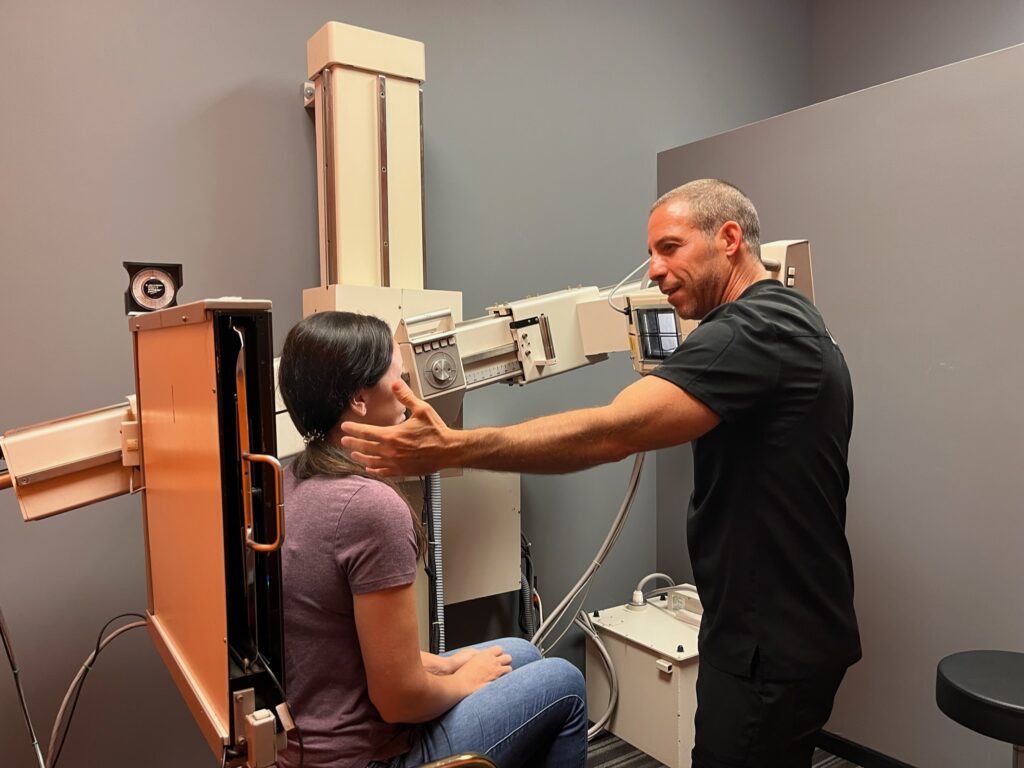
As a local chiropractor, I want to emphasize the importance of chiropractic care in enhancing your recovery from sports injuries. It's not just about alleviating pain; chiropractic care focuses on restoring your body's balance, mobility, and overall function.
When you choose to work with a licensed chiropractor, you'll receive a customized treatment plan specifically designed to address your unique injury and individual needs.
During your visits, you'll participate in a variety of therapeutic techniques aimed at strengthening the affected area and improving your range of motion. These may include spinal adjustments, soft tissue therapies, and targeted exercises.
Following your chiropractor's guidance ensures that you're engaging in safe and effective movements, significantly reducing the risk of re-injury. You'll also learn proper body mechanics for your everyday activities, which can help prevent future injuries from occurring.
In addition to hands-on adjustments, your chiropractor may use other natural healing modalities, such as therapeutic ultrasound or electrical stimulation, to alleviate pain and reduce inflammation. These approaches can enhance circulation to the injured area, further supporting your recovery process.
One of the significant advantages of chiropractic care is the education you receive throughout your treatment. You'll gain insights into your body's mechanics and learn how to listen to your body as you heal.
This knowledge empowers you to take an active role in your rehabilitation, boosting your confidence as you return to your favorite activities and sports. Embracing chiropractic care can be a vital step towards not just recovery, but also achieving optimal health and well-being.
Ice and Compression
As a local chiropractor, I want to emphasize the importance of ice and compression when recovering from sports injuries. These natural methods are essential for managing pain and reducing swelling, allowing your body to heal more effectively.
When you apply ice to the injured area, it serves to constrict blood vessels, which helps to minimize inflammation and provides pain relief. I recommend icing the affected area for about 15-20 minutes every hour, especially within the first 48 hours following your injury.
Remember to wrap your ice pack in a cloth or towel to protect your skin and prevent frostbite.
Equally important is the use of compression. Utilizing an elastic bandage or compression wrap can provide vital support to the injured area while also controlling swelling.
When applying compression, start wrapping from the farthest point away from your heart and ensure it's snug but not so tight that it cuts off circulation. You should still be able to move your toes or fingers comfortably.
Keep an eye out for any signs of excessive swelling or numbness, and make adjustments as needed.
Combining ice and compression yields the best results right after an injury. You can alternate between the two methods—ice for 15-20 minutes, followed by compression.
Repeating this cycle will help keep inflammation at bay and set you on the path to recovery. As your chiropractor, I'm here to guide you through this process and support your natural healing journey.
Proper Nutrition
As a local chiropractor, I want to emphasize how vital proper nutrition is for your recovery from sports injuries. When you're dealing with an injury, your body requires specific nutrients to heal effectively, and understanding this can significantly enhance your healing process.
First and foremost, consider focusing on a balanced diet rich in essential components like protein, healthy fats, and carbohydrates. Protein is particularly crucial for muscle repair and regeneration. Incorporating lean meats, fish, eggs, and plant-based sources like beans and legumes into your meals can provide the necessary building blocks for your recovery.
Healthy fats are also essential. Foods like avocados, nuts, and olive oil can help reduce inflammation, an important aspect of healing. Additionally, omega-3 fatty acids, which are abundant in fatty fish and flaxseeds, can further support your recovery journey by promoting healing.
Don't forget about carbohydrates! They give your body the energy needed to remain active during your recovery. Whole grains, fruits, and vegetables should be a staple in your diet, as they not only provide energy but also supply vital nutrients.
Speaking of nutrients, let's talk about micronutrients. Vitamins and minerals—particularly vitamin C, vitamin D, calcium, and zinc—play significant roles in tissue repair and maintaining bone health. Make sure to consume a colorful variety of fruits and vegetables to ensure you're getting these important nutrients.
Lastly, I can't stress enough the importance of meal timing. Eating smaller, well-balanced meals throughout the day can help maintain your energy levels and continuously provide your body with the nutrients it needs to recover.
By prioritizing proper nutrition, you can equip your body with the tools it needs to heal more efficiently, allowing you to return to your favorite sports activities sooner.
As you explore the benefits of chiropractic care and natural healing, remember that nutrition is an integral part of your overall recovery strategy. Together, we can help your body heal and thrive!
Hydration Strategies
As a local chiropractor, I want to emphasize the crucial role that hydration plays in your recovery journey. While nutrition is certainly important, staying well-hydrated is equally vital for your body to heal effectively. Proper hydration aids in repairing tissues, flushing out toxins, and maintaining optimal performance—especially when you're recovering from an injury. Many don't realize that even mild dehydration can hinder the healing process.
To begin, I recommend aiming to drink sufficient water throughout your day. A helpful guideline is to consume at least half your body weight in ounces of water daily. For instance, if you weigh 160 pounds, strive for around 80 ounces of water each day.
Keep in mind that individual needs may vary based on your activity level, the climate you're in, and your personal health. It's important to listen to your body's signals.
In addition to plain water, think about incorporating beverages rich in electrolytes, particularly if you've lost fluids through sweating or are experiencing fatigue. Options like coconut water or low-sugar sports drinks can assist in replenishing essential minerals that your body needs during recovery.
Avoid waiting until you feel thirsty to hydrate—thirst can often indicate that you're already slightly dehydrated. Instead, I encourage you to set regular reminders to drink water, especially during your recovery exercises and physical therapy sessions.
Another tip is to monitor the color of your urine; a pale yellow indicates good hydration, whereas a darker yellow suggests that you should increase your fluid intake.
Lastly, don't forget about water-rich foods such as fruits and vegetables, which can further enhance your hydration.
Gradual Return to Activity
As you embark on your gradual return to activity, it's important to tune into your body's signals and understand what it's telling you.
Setting realistic goals is crucial for regaining your strength while minimizing the risk of further injury. In chiropractic care, we emphasize the connection between your body and mind, and patience is essential during this recovery phase.
Remember, healing is a journey, and taking small, mindful steps can lead to lasting wellness.
If you have any questions about how chiropractic adjustments can support your recovery, don't hesitate to ask!
Listen to Your Body
As a local chiropractor, I want to emphasize the importance of listening to your body, especially when you're on the path to returning to physical activity after an injury.
It's natural to feel eager to jump back into your routine, but pushing yourself too hard can lead to setbacks in your healing process. Your body communicates vital signals that you should pay attention to, and adjusting your activities based on these signals is key to a successful recovery.
Here are three crucial indicators to keep an eye on:
1. Pain Level: If you experience pain during or after your activities, it's essential to take a step back. Pain serves as an important warning sign from your body, indicating that something may be amiss.
As a chiropractor, I encourage you to respect these signals and allow your body the time it needs to heal.
2. Fatigue: Unusual fatigue can be a red flag that your body is still in recovery mode. Your healing process requires energy, and if you find yourself feeling consistently worn out, consider incorporating more rest days into your routine.
Rest is just as important as activity in the healing journey.
3. Mobility: Pay attention to how your joints and muscles feel when you move. If you're experiencing stiffness or a reduced range of motion, it may be wise to scale back on your activities.
Regaining full mobility should be your priority, and sometimes that means allowing yourself to heal before pushing forward.
Remember, as you navigate your recovery, I'm here to support you with natural healing methods and to help you understand your body better.
Your journey back to activity is important, and by listening to your body, you can ensure a safer and more effective return.
Set Realistic Goals
Setting realistic goals is crucial for a successful recovery after a sports injury, and as a chiropractor, I want to guide you through this process. When you establish attainable milestones, you create a clear pathway that allows you to return to your sport safely and effectively, minimizing the risk of re-injury.
Begin by assessing your current physical condition and understanding the limitations of your body. This may involve focusing on fundamental movements before progressing to more complex activities. For instance, if you're looking to get back into running, start with walking, then advance to light jogging, and eventually work your way up to longer runs.
It's beneficial to break down your recovery into smaller, manageable steps. Setting specific, measurable, and time-bound goals can make a significant difference. Instead of a vague aspiration like "I want to run again," consider something more precise, such as, "I will jog for 10 minutes three times this week." This approach not only clarifies your objectives but also allows you to track your progress.
Celebrating your achievements, no matter how minor, is vital for maintaining motivation and reinforcing your commitment to your healing journey. Remember, patience is paramount. Rushing back into your sport can lead to setbacks, and that's where chiropractic care can really aid your recovery.
Through a combination of adjustments, physical therapy, and personalized advice, we can help you build a stronger foundation for your future performance.
Stay focused, be gentle with yourself, and trust the healing process. By setting realistic goals, you not only enhance your recovery but also pave the way for improved performance in your sport. If you have any questions about how chiropractic care can assist you on your journey, feel free to reach out.
Mental Training Techniques
As a local chiropractor, I want to emphasize that recovering from an injury involves more than just physical rehabilitation; mental training techniques are equally important.
Visualization and imagery can be powerful tools in your recovery journey. By picturing yourself performing at your peak, you can foster a positive mindset.
Additionally, incorporating mindfulness and relaxation techniques can help alleviate anxiety, creating a more conducive environment for healing.
By combining these mental strategies with chiropractic care, we can enhance your recovery process and boost your confidence as you prepare to return to your activities.
Embracing both physical and mental aspects of healing is key to achieving optimal results.
Visualization and Imagery
As a local chiropractor, I want to share with you the incredible benefits of visualization and imagery techniques in the context of sports injury recovery.
These methods can significantly enhance your healing process by tapping into your mental resilience. Here's how they can help you:
1. Increased Motivation: When you visualize yourself returning to your peak performance, it can ignite your motivation.
Imagine yourself moving with strength and agility, which can uplift your spirits and keep you committed to your rehabilitation journey.
2. Enhanced Pain Management: Visualization acts as an effective distraction from pain.
By picturing a peaceful environment or envisioning yourself executing a perfect performance, you can shift your focus away from discomfort.
This mental exercise can promote relaxation and provide relief from pain.
3. Improved Recovery Speed: Studies indicate that mentally rehearsing movements can significantly speed up your physical recovery.
By visualizing yourself performing specific exercises or skills, you reinforce important neural pathways in your brain, which can positively influence your rehabilitation progress.
Incorporating visualization and imagery into your recovery routine isn't just a complementary technique; it's a powerful tool that can facilitate your healing and set you on the path to a successful comeback.
Embrace these techniques as part of your chiropractic care, and watch how they can transform your recovery experience.
Mindfulness and Relaxation Techniques
As a local chiropractor, I want to emphasize the importance of mindfulness and relaxation techniques in your recovery from sports injuries. These approaches can significantly aid in managing stress and promoting healing, which is crucial for your overall recovery process. By focusing on the present moment, you can reduce anxiety and foster a positive mindset—both of which are vital for healing.
Incorporating deep breathing exercises into your daily routine can be incredibly beneficial. I encourage you to take a few minutes each day to practice inhaling deeply through your nose, holding your breath for a moment, and then exhaling slowly through your mouth. This simple yet effective practice can help lower your heart rate and relieve tension in your body.
I also recommend exploring activities such as yoga or meditation. These practices not only improve flexibility and strength but also build mental resilience. When you combine mindfulness with your physical rehabilitation, you create a comprehensive approach to recovery that supports both your body and mind.
Lastly, it's essential to practice self-compassion during your healing journey. Acknowledge any feelings of frustration or sadness you may experience, and remember that recovery takes time.
Stretching and Mobility
As a local chiropractor, I want to emphasize the significance of stretching and mobility exercises in your sports injury recovery journey. These exercises aren't just about regaining flexibility; they're also essential for rebuilding strength and ensuring a full return to your activities.
By integrating stretching and mobility work into your rehabilitation routine, you can significantly enhance the healing process. Here are some key points to keep in mind:
1. Dynamic Stretching: It's beneficial to begin your day or any physical activity with dynamic stretches. These movements, such as leg swings and arm circles, increase blood flow to your muscles and prepare your joints for action.
This proactive approach helps to activate your muscles, reducing the likelihood of re-injury.
2. Static Stretching: After your workouts or therapy sessions, static stretching becomes crucial. These stretches help elongate your muscles and improve overall flexibility.
Aim to hold each stretch for 15-30 seconds, paying particular attention to areas that feel tight or restricted. This practice not only aids in muscle recovery but also helps alleviate soreness.
3. Mobility Drills: Incorporating specific mobility drills into your routine is vital, especially for joints that may have suffered due to injury.
Exercises like hip openers, shoulder dislocates, or ankle circles can significantly enhance your range of motion and stability. These drills are essential for restoring functional movement patterns, allowing you to engage in your favorite activities with confidence.
As your chiropractor, I'm here to guide you in embracing these practices for a natural and effective recovery. Together, we can work towards a healthier, more resilient you!
Use of Supportive Gear
As a local chiropractor, I want to help you understand the important role that supportive gear can play in your recovery journey. When you're focusing on rehabilitation, using the right supportive gear is essential. It helps stabilize injured areas, preventing further damage and allowing you to regain confidence in your movements.
Whether it's braces, compression wraps, or other types of supportive equipment, these tools can provide the protection and support your body needs as you heal.
When choosing supportive gear, it's crucial to consider the specific nature of your injury. For example, if you're dealing with a knee injury, a knee brace can help keep the joint stable while you work on rebuilding strength. Likewise, if you've sprained your ankle, an ankle support can offer compression and reduce swelling.
Always make sure to select gear that fits well; poorly fitting equipment can cause discomfort and may even worsen your injury.
Keep in mind that supportive gear shouldn't replace the essential rehabilitation exercises that we often discuss in our sessions. Think of it as a helpful supplement to your recovery plan.
As you progress in your healing, it's important to gradually reduce your reliance on the gear, allowing your body to strengthen naturally. This approach not only promotes better healing but also prepares you for the physical demands of your daily activities or sports.
Always listen to your body during this process. If you experience any pain or discomfort while using supportive gear, it's vital to reach out to a healthcare professional—like myself.
I can provide personalized advice on the best type of gear for your specific situation and help you adjust your recovery strategy accordingly. By incorporating supportive gear wisely, you can enhance your healing journey and get back to the activities you love with confidence.
Alternative Therapies
As a local chiropractor, I want to share how alternative therapies can significantly aid in your recovery from sports injuries.
Techniques such as acupuncture and massage therapy aren't just about pain relief; they also play a crucial role in promoting your body's natural healing processes.
Many of my patients have found these therapies to be incredibly beneficial, providing the support they need to recover more effectively.
If you're unfamiliar with chiropractic care and natural healing, I encourage you to explore these options as part of your journey toward better health and wellness.
Acupuncture for Pain Relief
As a local chiropractor, I want to introduce you to a fascinating and effective alternative therapy for pain relief: acupuncture. This ancient practice has shown great promise, especially in aiding recovery from sports injuries. It involves the careful insertion of thin needles into specific points on the body, which can help promote healing and alleviate pain.
Here's why you might want to consider incorporating acupuncture into your recovery process.
- Pain Reduction: Numerous studies indicate that acupuncture can significantly lower pain levels. This means you can engage in rehabilitation exercises more comfortably, allowing for a more effective recovery.
- Improved Circulation: Acupuncture stimulates blood flow, which is vital for delivering nutrients to injured tissues. This enhanced circulation can accelerate your healing process, helping you get back to your activities faster.
- Enhanced Relaxation: Stress and anxiety can hinder your recovery. Acupuncture is known to promote relaxation, which may help you concentrate on your recovery goals with a clearer mind.
If you're considering acupuncture, it's important to consult with a qualified practitioner who specializes in sports injuries. They can customize a treatment plan that suits your unique needs.
While acupuncture shouldn't replace traditional therapies, it can certainly complement them, offering a holistic approach to your healing journey. By integrating acupuncture into your recovery routine, you might find a more effective and well-rounded path to wellness.
Massage Therapy Benefits
As a local chiropractor, I often emphasize the importance of complementary therapies in the healing process, and one that stands out is massage therapy. This hands-on technique can significantly support your recovery from sports injuries by alleviating muscle tension, enhancing circulation, and fostering relaxation.
When you receive a massage, the targeted pressure applied to your muscles can help break down scar tissue and relieve soreness. This isn't just a soothing experience; it actively promotes healing. The improved blood flow resulting from massage therapy delivers oxygen and essential nutrients to injured areas, accelerating your recovery.
Additionally, massage therapy is effective in reducing inflammation and swelling, which are crucial to address in the early stages of injury recovery. A skilled therapist can target specific muscle groups, helping to alleviate discomfort and improve flexibility and range of motion.
Beyond the physical benefits, the relaxation you experience during a massage can also help mitigate stress and anxiety, which often accompany injuries. Achieving a state of mental balance can further enhance your physical recovery.
Incorporating massage therapy into your overall recovery plan can optimize your journey back to peak performance. I encourage you to consider scheduling regular sessions with a certified massage therapist as part of your healing process, complementing the chiropractic care you receive for a holistic approach to wellness.
Conclusion
As a local chiropractor, I want to share with you the ten best techniques that can significantly improve your recovery from sports injuries. First and foremost, it's crucial to prioritize rest; your body needs time to heal. Engaging in physical therapy is also essential, as it helps restore strength and mobility, which are vital for your recovery.
Proper nutrition plays a key role as well; fueling your body with the right nutrients will support your healing process. Don't underestimate the importance of hydration—staying well-hydrated can help reduce inflammation and promote recovery. Additionally, incorporating mental training can keep your spirits high and maintain your motivation during this challenging time.
Stretching and mobility exercises are important to prevent stiffness and maintain flexibility. Wearing supportive gear, like braces or proper footwear, can further aid your recovery by providing the stability you need. By adopting a holistic approach to your recovery, you not only minimize pain but also pave the way for a stronger return to your sport. Remember, chiropractic care can be an integral part of this process, helping to align your body and optimize your healing journey.