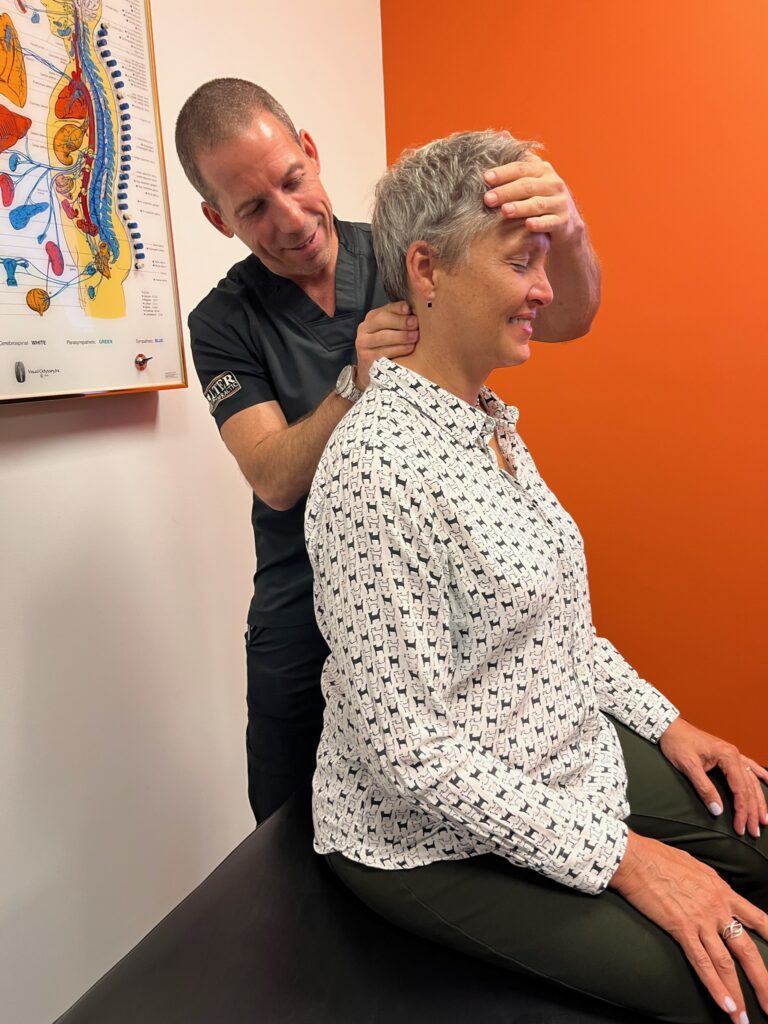

As a local chiropractor, I often encounter patients grappling with upper back pain, and many wonder about its underlying causes. This discomfort can stem from various factors, such as poor posture, muscle strain, or even stress. Understanding the root of your pain is essential for finding lasting relief, and that's why we've created an informative quiz to assist you.
This quiz is designed to help you identify specific triggers related to your habits and discomfort through straightforward, honest answers. By participating, you may gain valuable insights that can lead you to effective, natural solutions for managing your pain. Are you curious about how this knowledge could transform your approach to back health? Let's delve into what the quiz can reveal and how chiropractic care can support your journey toward wellness.
Understanding Upper Back Pain
As a local chiropractor, I often see patients struggling with upper back pain, which affects nearly 30% of adults at some point in their lives. This common issue can be confusing for many, but it's important to understand the various factors that contribute to it. Poor posture, muscle strain, and even stress can all lead to discomfort in your upper back. While upper back pain isn't always indicative of a serious medical problem, gaining insight into its causes is key to managing it effectively.
Your upper back is made up of muscles, ligaments, and vertebrae that support your spine and facilitate movement. When these components are strained or irritated—perhaps from long hours of sitting, heavy lifting, or even emotional stress—you may experience pain, tightness, or stiffness.
It's common for symptoms to intensify after prolonged periods of inactivity or repetitive strain, leading to muscle fatigue. Moreover, stress can manifest physically, contributing to tension in this area. This highlights the importance of addressing both your physical and mental health.
I encourage you to listen to your body and identify any habits that may be exacerbating your discomfort. Are you slouching at your desk? Do you carry heavy bags on one shoulder? Simple changes in your daily routine can make a significant difference in alleviating pain.
Regular exercise, stretching, and taking breaks throughout your day are all effective strategies for reducing tension and enhancing your overall well-being.
By understanding the factors that contribute to upper back pain, you're taking a proactive step toward finding natural solutions. Chiropractic care can play a vital role in your journey to recovery, helping to restore balance and function to your body.
Let's work together to reclaim your comfort and improve your quality of life.
Common Causes of Discomfort
As a local chiropractor, I often see patients who experience discomfort in their upper back for various reasons. Understanding these causes is essential for finding relief and preventing future pain.
Let's explore some common culprits that might be affecting you:
- Poor ergonomics: Spending long hours at a desk without proper chair support or monitor height can put a strain on your upper back. It's crucial to create a workspace that promotes good posture.
- Muscle strain: Engaging in physical activities without proper technique or lifting heavy objects incorrectly can lead to muscle strains in your upper back. Always remember to use your legs, not your back, when lifting.
- Sedentary lifestyle: Sitting for extended periods can weaken your muscles and lead to discomfort. Our bodies are designed for movement, so it's important to incorporate regular breaks and stretching into your day.
- Stress and tension: Emotional stress can often manifest physically, resulting in tightness in your upper back and neck. Addressing stress through relaxation techniques can significantly improve your overall well-being.
By identifying these factors, we can work together to create a plan tailored to your needs.
I encourage you to assess your workspace and ensure your posture is optimal while seated. Incorporating movement breaks and practicing stress-relief techniques, such as deep breathing or yoga, can also be beneficial.
It's important not to ignore the signals your body is sending you. Understanding the common causes of upper back pain is the first step toward effective treatment.
With the right adjustments to your lifestyle and habits, you can pave the way for a more comfortable, pain-free life. Remember, taking action now can lead to better long-term health outcomes, and I'm here to guide you on your journey to wellness through natural healing methods.
The Importance of Posture
As your local chiropractor, I want to emphasize the significant impact that your posture has on your daily life and overall health.
Many people are unaware that poor ergonomics in their workspaces can lead to discomfort, strain, and even chronic pain, which can hinder your productivity and quality of life.
Through my experience, I've seen how simple adjustments and exercises can greatly improve your posture.
This not only helps to alleviate upper back pain but also promotes better alignment of your spine, which is crucial for your overall well-being.
By prioritizing your posture and incorporating natural healing techniques, you can enhance your health and feel more energized throughout your day.
Let's work together to create a healthier, more balanced you!
Impact on Daily Activities
As your local chiropractor, I want to emphasize the importance of good posture in your daily life and how it can significantly enhance your well-being. Many people may not realize that proper alignment can lead to improved energy levels, reduced discomfort, and an overall sense of vitality.
Let's explore how your posture plays a role in your everyday activities:
- Sitting at your desk: When you practice good posture while working, you can maintain better focus and experience less fatigue. This not only boosts your productivity but also helps in reducing the strain on your spine.
- Engaging in conversations: Standing tall with your shoulders back can elevate your confidence and make you appear more approachable. This positive body language can enhance your interactions and social connections.
- Exercising: Maintaining proper posture during physical activities is crucial. It can improve your performance and significantly lower the risk of injuries, allowing you to reap the full benefits of your workouts.
- Carrying out household chores: Utilizing correct body mechanics while doing activities such as cleaning or lifting can alleviate unnecessary strain on your body. This approach makes chores feel more manageable and less daunting.
By prioritizing good posture, you may find that even the simplest tasks become easier and more enjoyable. You could experience less tension and more fluidity in your movements, leading to a more productive day.
Remember, your posture is a vital aspect of your overall health, influencing your ability to navigate daily challenges with ease. As your chiropractor, I encourage you to stand tall and embrace the many benefits that come with maintaining proper alignment.
Together, we can work towards a healthier, more balanced you!
Ergonomics and Workspace Setup
As a chiropractor dedicated to promoting your overall well-being, I want to emphasize the critical role ergonomics plays in your workspace setup. In our digital age, many people spend hours at their desks, which can lead to discomfort and conditions like upper back pain. By making simple adjustments to your workspace, you can significantly improve your posture and comfort levels.
Start with your chair. It should offer adequate support for your lower back. Adjust its height so that your feet rest flat on the floor, and your knees form a right angle. This foundational step can help alleviate stress on your spine.
Next, let's talk about your monitor. Position it at eye level to help you maintain a neutral neck posture. This adjustment prevents unnecessary strain on your neck and upper back. If you're using a laptop, I recommend investing in an external keyboard and a stand to elevate the screen to eye level.
When typing, keep your elbows close to your body and bent at a 90-degree angle. This position will help reduce tension in your shoulders and upper back.
Your desk should also be organized. Make sure it has enough space for all your essentials, allowing you to reach everything comfortably without awkward stretching. Consider using a document holder to keep papers at eye level, which will help minimize neck strain.
Lastly, don't underestimate the power of breaks. Standing up, stretching, or even taking a short walk can alleviate the tension that builds up from prolonged sitting.
Exercises for Better Posture
As a local chiropractor dedicated to your well-being, I want to emphasize the importance of good posture and how specific exercises can play a vital role in achieving it. By incorporating these exercises into your daily routine, you can strengthen your muscles, enhance flexibility, and support your spine, leading to improved alignment.
Here are some effective exercises I recommend:
- Wall Angels: This exercise can be performed by standing against a wall and sliding your arms up and down while keeping your elbows and wrists in contact with the wall. It helps to open up your shoulders and improve posture.
- Cat-Cow Stretch: While on all fours, transition between arching your back (like a cat) and lowering your belly (like a cow). This movement enhances spinal mobility and promotes a healthy back.
- Chest Opener: Stand or sit with a tall posture, clasp your hands behind your back, and gently lift your arms. This stretch opens up your chest, counteracting the hunching that often occurs from prolonged sitting.
- Plank: Strengthening your core is essential for good posture. Hold a plank position, ensuring your body remains in a straight line from head to heels. This exercise engages multiple muscle groups and supports your spine.
Incorporating these exercises into your routine just a few times a week can lead to significant improvements in your posture over time.
Consistency is essential, and by prioritizing these movements, you can alleviate upper back pain and enhance your overall well-being.
Identifying Muscle Strain
As your local chiropractor, I want to help you understand the causes of upper back pain, particularly when it comes to muscle strain. Many people experience this discomfort due to everyday activities, such as lifting heavy objects or maintaining poor posture throughout the day.
It's crucial to recognize the symptoms associated with muscle strain—such as stiffness or sharp pain—so that you can address them appropriately.
By identifying these signs early, we can work together to develop a natural healing plan that may include specific adjustments, stretches, and lifestyle modifications tailored to your needs.
Common Causes of Strain
As a local chiropractor dedicated to educating our community about natural healing, I want to shed light on muscle strain in the upper back. Many individuals may not realize how common this issue is, and understanding the root causes can be a vital step in preventing future injuries.
Muscle strain in the upper back can occur for several reasons, and recognizing these scenarios is key to maintaining your health and well-being. Here are some common activities that can lead to upper back strain:
- Lifting heavy objects incorrectly: When you lift without bending your knees, you place undue pressure on your back, which can lead to discomfort and pain.
- Sitting at a desk for extended periods: Poor ergonomics while working can weaken and tighten your muscles, contributing to strain. It's crucial to ensure your workspace is set up to support your posture.
- Sudden movements: Whether it's reaching or twisting while carrying something, these abrupt actions can result in muscle tears or strains. Always be mindful of your movements to protect your back.
- Inadequate warm-ups in sports: Failing to properly warm up before physical activity can make your muscles more prone to injury. Incorporating a warm-up routine can significantly reduce your risk of strain.
By being aware of these common causes, you can take proactive steps to avoid upper back strain and maintain a healthy lifestyle.
If you do experience discomfort, consider consulting with a chiropractor, who can provide natural healing options and help you regain balance and strength.
Symptoms to Recognize
As a local chiropractor, I want to help you understand the importance of recognizing the symptoms of an upper back strain early on, as this can significantly impact your recovery process.
If you start to feel a sharp or dull pain in your upper back, particularly when you move, twist, or lift objects, this could be a sign that your body needs attention. You may also notice that this discomfort radiates to your shoulders or neck, making it difficult to perform your daily activities.
Stiffness is another common symptom you should be aware of. If you find it challenging to turn your head or reach for items overhead, this could indicate a strain that needs to be addressed.
Additionally, keep an eye out for muscle spasms—these are sudden, involuntary contractions in your back muscles that can be quite uncomfortable.
Fatigue in your upper back is also an important signal. If you feel unusually tired or weak in that area, it's time to take notice and consider seeking help. You might also experience a reduced range of motion, which can hinder your ability to perform basic movements.
If you notice that your pain worsens with certain activities or persists for more than a few days, I encourage you to consult with a healthcare professional, such as a chiropractor.
Early intervention can prevent further complications and facilitate a quicker recovery, allowing you to regain your strength and mobility.
Remember to trust your body's signals and take proactive steps to address any concerning symptoms as they arise. Natural healing through chiropractic care can be a vital part of your journey to wellness.
Stress and Its Impact
As a local chiropractor, I want to share with you how stress can significantly impact your upper back and overall well-being. Many people may not realize that stress can lead to discomfort and chronic pain in this area. When you're under stress, your body instinctively tenses the muscles in your back and shoulders, creating a cycle of pain that can be difficult to escape.
You may notice that you start to slump or hunch forward, which only worsens the situation.
Think of stress as a weight that you carry around:
- It feels like a heavy backpack that you can't set down, constantly pulling at your shoulders.
- You might experience a knot in your upper back that seems impossible to relieve.
- There could be a tightness across your shoulders, making deep breaths feel challenging.
- A dull ache might linger, a constant reminder of the stress that feels hard to shake.
These physical symptoms are your body's way of signaling that it needs help. It's essential to understand that stress isn't merely a mental burden; it also has profound physical effects.
When stress becomes a constant in your life, it can contribute to poor posture and chronic pain.
As a chiropractor, I believe it's vital to find effective ways to manage stress for the sake of your upper back health. Simple techniques such as mindfulness practices, regular physical activity, and stretching can greatly improve your condition.
Remember, prioritizing self-care isn't just a luxury; it's essential for your overall health and well-being. By addressing stress, you're not only enhancing your mental clarity but also creating a pathway towards a healthier, more comfortable back.
If you're looking for natural healing methods, chiropractic care may offer the relief you need. Let's work together to help your body feel its best!
Quiz Instructions
Taking a quiz can be an insightful and engaging way to evaluate your understanding of upper back pain and its relationship with stress. As your local chiropractor, I encourage you to find a quiet space where you can concentrate without interruptions. Make sure you have a pen and paper or a digital device ready to jot down your answers.
This quiz features a series of questions designed to help you reflect on your personal experiences with upper back pain. Each question will prompt you to consider your symptoms, lifestyle habits, stress levels, and any previous treatments you may have undergone. It's important to read each question carefully and respond honestly, as this will ensure the results are as accurate as possible.
As you move through the quiz, take your time. There's no need to rush your responses; the more thought you invest in each answer, the more valuable your insights will be. Some questions may ask you to rate the intensity of your pain or the frequency of your stress. Utilize a scale or descriptive language to express your feelings clearly.
After completing the quiz, take a moment to review your answers. This reflection can provide you with valuable insights into your upper back pain and its potential triggers.
Remember, this quiz serves as a tool to help you better understand your situation, so approach it with an open mind. Once you have finished, you'll be well-prepared to analyze your results and explore effective, natural solutions to alleviate your discomfort.
As your chiropractor, I'm here to support you on this journey to better health and wellness.
Analyzing Your Results
As your local chiropractor, I want to help you better understand the insights gained from your quiz results regarding your upper back pain. Analyzing these results is a crucial step in identifying the factors that may be contributing to your discomfort.
By reviewing your answers, you can gain valuable insights into your daily habits, lifestyle choices, and overall physical condition. This knowledge will empower you to take informed steps towards improving your well-being.
Here are some important aspects to consider based on your results:
- Posture: Did you notice any issues related to poor posture? It's essential to reflect on how you position yourself while sitting at your desk or standing during daily activities. Good posture is foundational for spinal health.
- Activity Level: Are you leaning towards a more sedentary lifestyle, or do you engage in regular physical activity? Your activity level plays a significant role in maintaining a healthy back. Regular movement can help alleviate tension and improve flexibility.
- Stress Levels: Did stress or tension appear frequently in your responses? It's important to recognize that emotional well-being can have a profound impact on physical pain. Identifying and managing stress is key to holistic healing.
- Ergonomics: Were there any ergonomic issues highlighted in your answers? Take a moment to assess your workspace setup. Ensuring that your environment supports your body correctly can make a significant difference in your comfort and health.
By reflecting on these areas, you can better understand how they relate to your upper back pain and work towards effective solutions.
As your chiropractor, I'm here to guide you through this process and provide the natural healing methods that can help restore your health and well-being.
Recommended Solutions and Tips
Are you struggling with upper back pain? As a local chiropractor, I'm here to help you understand how to effectively address this issue through natural healing methods. The first step is to identify the root cause of your pain. It could be due to poor posture, muscle strain, or even stress.
Once we understand what's causing your discomfort, we can implement targeted solutions tailored to your needs. Incorporating regular stretching into your daily routine can be incredibly beneficial. Simple stretches like the cat-cow or shoulder blade squeeze can relieve tension and enhance your flexibility.
I recommend setting aside at least 10 minutes each day for stretching to keep your muscles loose and relaxed. Strengthening your core and upper back muscles is equally important. Exercises such as planks, rows, and thoracic extensions can help build strength and provide better support for your spine.
Aim to incorporate strength training into your routine two to three times a week for optimal results. If you spend long hours at a desk, it's crucial to evaluate your workspace. Ensure that your chair and desk height encourage good posture.
Adjust your screen to eye level and choose a chair that offers proper lumbar support to help maintain your spine's natural alignment. Don't underestimate the benefits of mindfulness and relaxation techniques. Practices such as yoga, meditation, or deep breathing can significantly reduce stress and muscle tension, which may alleviate your upper back pain.
Finally, I encourage you to consider consulting a healthcare professional like myself. By working together, we can create a personalized plan with exercises and recommendations that specifically address your unique needs and help you achieve long-lasting relief.
Conclusion
As a local chiropractor, I want to commend you for taking the quiz on your upper back pain—it's a great first step in understanding what might be causing your discomfort. By identifying potential triggers, such as posture issues and stress levels, you're gaining valuable insights that can help us work together towards relief.
In our practice, we believe that small changes can lead to significant improvements in your health. I encourage you to consider incorporating recommended exercises and ergonomic adjustments into your daily routine. Additionally, stress management techniques can play a crucial role in your overall well-being.
Chiropractic care focuses on natural healing and addressing the root causes of pain, not just the symptoms. Empower yourself to alleviate discomfort and enhance your quality of life—you deserve to feel your best! I'm here to guide you on this journey towards better health.