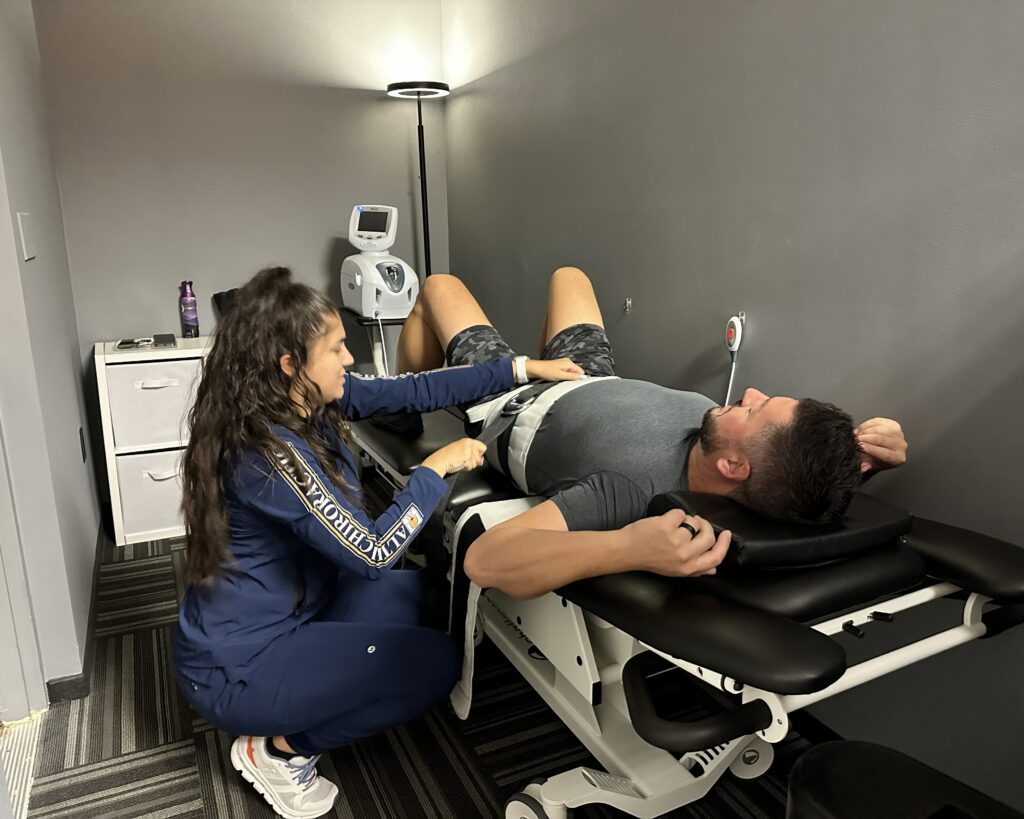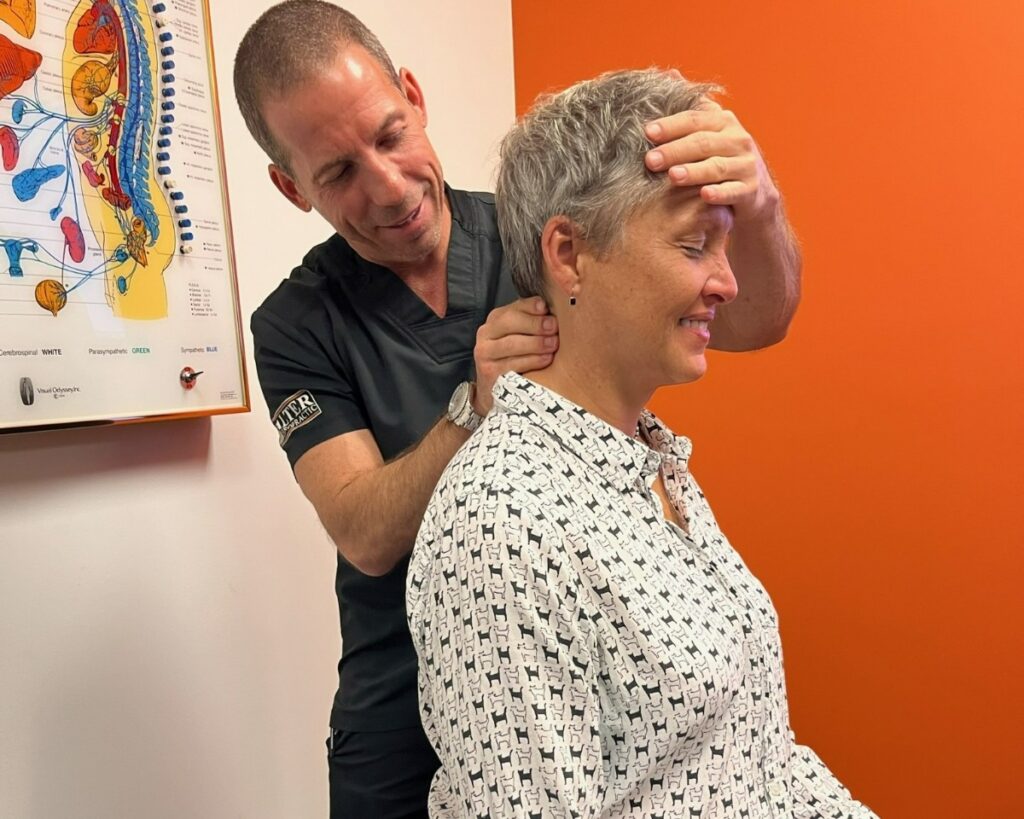

When considering the nurturing of infants and toddlers, gentle chiropractic techniques can significantly contribute to their overall development and well-being. As a local chiropractor, I emphasize the importance of soft communication and responsive care in creating an environment where young children feel safe and secure. By incorporating gentle adjustments and mindful interactions, we can foster trust and enhance their emotional growth.
Consistent routines, alongside gentle chiropractic care, can help alleviate discomfort and promote relaxation, which is vital for a child's development. As you explore these natural healing strategies, you'll discover how simple chiropractic techniques can positively transform your relationship with young children. So, what specific approaches can you implement to make an immediate impact on their health and happiness?
Understanding Gentle Parenting
When it comes to chiropractic care, you're embracing a holistic approach that prioritizes the well-being and health of your body. This philosophy encourages you to connect with your physical self on an emotional and physical level, recognizing that your body's signals are valid and deserve acknowledgment. You may not always have the words to express what you're feeling, but your aches and discomforts communicate a lot about your health.
In chiropractic care, consistency and patience are essential. You're not just reacting to pain; you're observing and understanding the underlying issues that may be driving it. Instead of relying solely on medication or invasive procedures, we focus on gentle adjustments and natural methods to guide your body back to balance.
This approach fosters a secure environment where your body feels safe to heal and function optimally. You're also aware that modeling healthy habits is vital. When you demonstrate self-care, mindfulness, and an understanding of your body's needs, you learn to mirror those qualities in your daily life.
You'll often find that maintaining a calm and relaxed demeanor helps your body manage stress and discomfort more effectively. Chiropractic care encourages open communication about your health needs, allowing us to engage in conversations about how you're feeling and what you need for optimal wellness.
Ultimately, chiropractic care is about building a strong, trusting relationship with your body. It's not always easy, and you might face challenges along the way, but your commitment to understanding and nurturing your physical health lays the foundation for a vibrant and healthy life that will serve you well into the future.
Soft Communication Strategies
Soft communication strategies are crucial when it comes to building rapport with patients, especially those who are unfamiliar with chiropractic care and natural healing. As a chiropractor, how you convey your message can greatly influence a patient's comfort level and willingness to engage in their healing journey. Using a calm and reassuring tone helps create an environment of safety and trust, making patients feel more at ease during their visits.
Incorporate gentle touch techniques, such as light adjustments or supportive contact, to reinforce the healing process. This physical connection can deepen the trust between you and your patients, making them feel valued and understood. When discussing treatment options, maintain eye contact to demonstrate your full attention and commitment to their well-being.
Utilize simple language and clear explanations, as many patients may not be familiar with chiropractic terminology. Short, straightforward sentences combined with visual aids or demonstrations can effectively convey your message. For example, when explaining an adjustment, demonstrate the movement on a model or use diagrams to illustrate how the spine works. This approach engages patients and helps them grasp the concepts better.
Moreover, practice active listening during consultations. Pay attention to their concerns, questions, and body language. Responding thoughtfully to their inquiries, even if they're unsure or hesitant, encourages them to continue expressing themselves and fosters a collaborative relationship.
Lastly, be patient. It's important to remember that some patients may take time to understand and process the information you provide. By employing these soft communication strategies, you're not just delivering treatment plans but also cultivating a supportive and trusting environment that promotes their overall health and wellness through chiropractic care.
Responsive Caregiving Practices
As a chiropractor, I want to emphasize the importance of responsive caregiving practices for nurturing the well-being of infants and toddlers. Just as we strive to respond to our patients' needs in a timely and effective manner, caregivers should also be attentive to the cues from their children. When you promptly address your child's needs, it fosters a sense of security and value that's crucial for their emotional and social development.
Paying close attention to your child's signals—whether it's a cry, a smile, or a gesture—is an opportunity for connection and engagement. For example, when your toddler reaches for a toy or points at something, acknowledging their interest can validate their feelings and encourage further expression. This parallels how we respond to our patients' discomfort or concerns, ensuring they feel heard and understood.
Utilizing a warm tone and gentle touch with your child enhances the bond between you, much like the hands-on approach we use in chiropractic care to promote healing and comfort. Holding or cuddling your child can help them feel loved and supported, similar to how we provide relief to our patients through compassionate care.
Maintaining eye contact and using expressive facial gestures is vital as well. This non-verbal communication not only reinforces your attentiveness but also shows your child that you're fully present, similar to how we focus on our patients during their visits.
In moments of distress, such as when your child is upset or frustrated, your calm and reassuring presence can help soothe their anxiety, just as we aim to provide a calming environment for our patients.
Establishing routines is also an effective way to help your child feel more secure. When you consistently respond to their needs—whether it's feeding, changing, or playing—you build trust and a sense of safety. This is akin to how we develop treatment plans that patients can rely on for their healing journey.
Mindful Interaction Techniques
As a chiropractor, I believe that mindful interaction techniques are vital for nurturing strong connections, not just between parents and their children but also in our patient relationships. By being present and engaged during our consultations, we create a supportive environment that fosters trust and understanding of your health needs.
Start by making eye contact during our conversations; this simple gesture helps you feel valued and acknowledged. When discussing your health concerns, I aim to use a calm and reassuring tone, as my voice can provide comfort and a sense of security in your healing journey.
I encourage you to observe your body's cues closely. If you feel discomfort or fatigue, it's important to communicate that so we can adjust the treatment approach accordingly. This attentiveness helps you learn to express your needs and understand your body better.
During our sessions, I strive to connect with you on a personal level—both physically and emotionally. This not only shows my commitment to your wellness but also helps you feel more at ease in our practice.
Incorporating gentle touch is also a key aspect of chiropractic care. Techniques like soft adjustments or therapeutic massage can convey support and healing. However, I always pay attention to your body language; if you seem uncomfortable or in pain, I'll respect your boundaries and adjust my approach.
Active listening is crucial in our interactions. When you share your symptoms or concerns, I give you my full attention. Responding to your experiences, even if they're difficult to articulate, demonstrates that I value your input and am dedicated to your care.
Finally, I encourage moments of reflection during our sessions. Allowing time for pauses amidst our discussions fosters a deeper understanding of your health and well-being. Through these mindful interaction techniques, I aim to cultivate a strong, trusting relationship that supports your journey toward optimal health and natural healing.
Creating a Safe Environment
Creating a safe environment is essential not just for infants and toddlers, but for everyone's overall well-being, especially when considering chiropractic care and natural healing. As a local chiropractor, I often emphasize the importance of a healthy physical space to foster trust and comfort, which are key components of healing.
First, evaluate your home environment. Just as you'd remove sharp objects or small items that a child could swallow, it's important to assess your own surroundings for anything that could lead to injury or strain. Keeping your space tidy and clutter-free reduces the risk of accidents that could affect your musculoskeletal health.
Next, consider the furniture and equipment you use daily. Make sure that your chairs and workstations promote good posture and align with ergonomic principles. This can prevent unnecessary strain on your spine and musculoskeletal system. Soft surfaces, like supportive cushions or ergonomic chairs, can help alleviate tension and provide comfort during prolonged sitting.
Supervision in this context translates to being aware of your body's signals. Just as you'd keep a watchful eye on a curious child, pay attention to how your body feels during activities. If you notice discomfort or strain, it's essential to address those issues promptly to prevent further injury.
The emotional aspect of safety is also vital in your healing journey. Creating a warm and inviting environment—perhaps by using calming colors or incorporating elements that make you feel at ease—can positively influence your mental state and impact your physical health.
Lastly, establish clear boundaries regarding your physical activities. Just as children need guidance to understand safety, you should set limits on how much physical strain you put on your body. Gentle reminders to listen to your body and seek care when needed can lead to improved well-being.
Conclusion
As a chiropractor, I want to share how incorporating gentle techniques into your caregiving routine can positively impact your relationship with your infant or toddler. Using soft communication and responsive practices, along with mindful interactions, creates a nurturing environment that supports both their emotional and physical development. It's essential to approach this process with consistency and patience. By fostering trust and comfort, you not only strengthen your bond but also help your little one thrive. Embracing these gentle strategies can contribute to their overall well-being, allowing them to flourish in a safe and loving space. Remember, natural healing through gentle care can be incredibly beneficial for your child's growth and health.