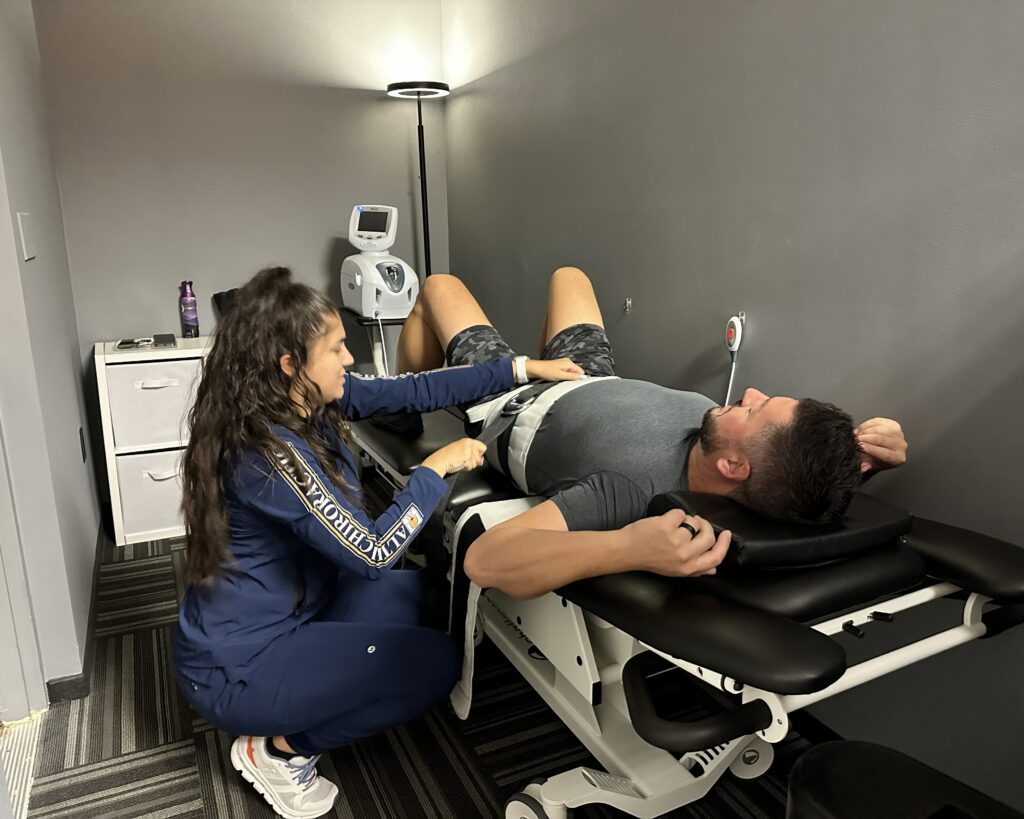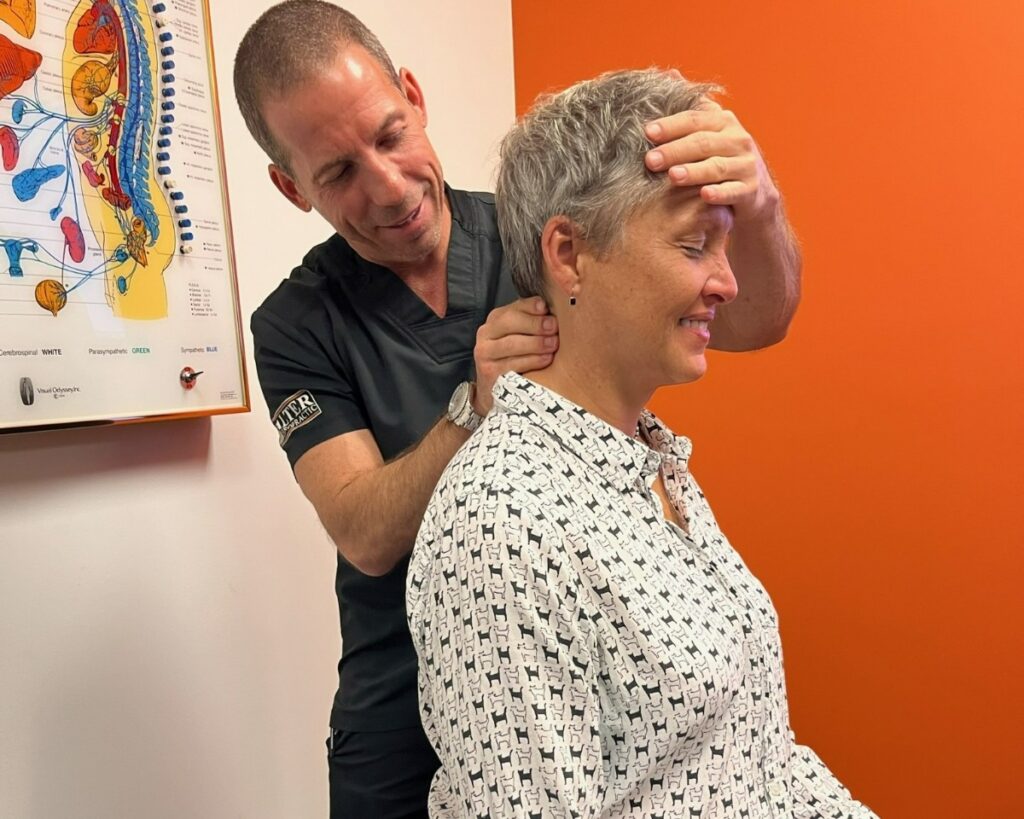

Chronic back pain is a complex issue that has been shaped by historical beliefs and labor practices throughout the ages. It’s fascinating to see how ancient cultures often viewed pain as a form of punishment or a sign of misfortune. As work and lifestyles evolved, so did our understanding of back pain’s causes.
As your local chiropractor, I believe it’s important to recognize how these historical perspectives influence our approach to treatment today. Rather than seeing pain solely as a negative experience, we can view it as a signal from our bodies, indicating areas that need attention and care. By embracing natural healing methods, such as chiropractic adjustments and holistic practices, we can address the root causes of back pain and promote overall wellness.
Understanding this historical context can empower us to think differently about pain management and explore effective, natural solutions that align with our body’s needs. Let’s work together to redefine your experience with back pain and find a path toward healing that honors both your body and its history.
The Evolution of Labor and Its Impact on Back Health
As a local chiropractor, I’ve seen firsthand how the evolution of labor over the centuries has significantly impacted our back health. Traditionally, many jobs required physical labor, which naturally built strength and resilience in our back muscles.
However, with advancements in technology, a large portion of the workforce has transitioned to sedentary roles. This shift has led to an alarming increase in back pain complaints.
Think about it: many of us spend hours hunched over desks, which places tremendous strain on our spines. This lack of movement in modern jobs can weaken our core muscles, making us more vulnerable to injury.
Additionally, poor posture and insufficient ergonomic setups can intensify these issues. Even simple actions like lifting objects incorrectly or sitting in an uncomfortable position can contribute to chronic pain.
As we navigate these changes in our work environment, it’s crucial to understand how they influence our daily routines and, ultimately, our back health. By being aware of your work habits and making small adjustments, you can take proactive steps to alleviate potential pain.
Chiropractic care can also play a vital role in restoring balance and function to your spine, helping you manage discomfort and improve your overall well-being.
Ancient Remedies and Beliefs Surrounding Back Pain
As a chiropractor, I want to share some fascinating insights into how various cultures throughout history have addressed back pain, which can help you appreciate the holistic nature of chiropractic care.
Many ancient practices highlight a profound understanding of the body, even before modern science offered explanations. Here are some intriguing methods that have been used:
- Herbal Poultices: In many cultures, healing herbs were ground into a paste and applied to the back to alleviate pain. These natural remedies emphasize the benefits of using the earth’s resources to promote healing.
- Chiropractic Techniques: Long before the term “chiropractic” was coined, many societies practiced manual adjustments to realign the spine. This reflects a deep intuition about the importance of spinal health in overall well-being.
- Acupuncture: Ancient Chinese medicine introduced acupuncture, which involves placing needles at specific points on the body. This technique is believed to stimulate healing and balance energy, similar to how chiropractic adjustments aim to restore alignment and function.
- Spiritual Rituals: It’s interesting to note that many people turned to shamans or healers to address the spiritual aspects of their pain. This illustrates the understanding that mental and emotional factors can greatly influence physical health.
- Heat Therapy: The use of hot stones or warm compresses to relieve muscle tension has been a common practice across various cultures. This method aligns with the chiropractic principle of using heat to promote relaxation and ease discomfort.
These ancient remedies underscore how societies recognized the interconnectedness of the body, mind, and spirit in managing back pain.
As we explore chiropractic care, we continue this tradition of holistic healing by focusing on the spine’s role in overall health and well-being.
The Role of Posture in Historical Work Practices
As a local chiropractor, I want to share some insights about how posture has shaped our health throughout history. Many ancient societies had an impressive grasp of the body’s mechanics, and this understanding directly influenced how they approached their daily tasks.
Picture farmers bending over to tend to crops or craftsmen hunched over their workbenches. While these positions were essential for their trades, they often resulted in chronic back pain—a common issue I see in my practice today.
In those times, people didn’t have the ergonomic tools and modern conveniences that we often take for granted. Instead, they relied heavily on their physical strength and adaptability. The daily demands of their labor not only shaped their work but also dictated their postures, leading to various back issues that may have persisted over generations.
Moreover, societal roles played a significant part in how individuals moved and positioned themselves, reinforcing certain postural habits that could lead to discomfort. By understanding these historical practices, we can gain valuable insight into the origins of back pain and the critical role that posture plays in maintaining spinal health.
At our clinic, I emphasize the importance of being mindful of our posture to prevent and alleviate back pain. By learning from the past, we can adopt healthier habits that support our well-being today and in the future.
The Influence of Industrialization on Back Pain Incidence
As a local chiropractor, I want to shed light on how industrialization has significantly influenced back pain incidence over the years, and how this knowledge can empower you to take charge of your health.
The transition from agrarian lifestyles to industrial work has introduced new challenges for our bodies. With the rise of factories and manual labor, many individuals began to experience back pain due to several factors that are important to understand:
- Sedentary lifestyles: Many workers now spend extended hours in fixed positions, which can put a strain on the back and lead to discomfort.
- Poor ergonomic practices: The lack of proper tools and equipment has often resulted in physical stress that could be avoided with better ergonomic solutions.
- Increased workloads: The pressure to boost productivity can lead to overexertion, putting additional strain on your body.
- Limited awareness: There’s historically been a lack of understanding about how to prevent injuries, leaving many unaware of simple techniques that could help protect their backs.
- Shifted social structures: The traditional support systems for maintaining health and wellness have diminished, making it more challenging to seek help or guidance.
By understanding how these factors relate to back pain, you can better appreciate the importance of chiropractic care and natural healing methods.
Regular chiropractic adjustments, ergonomic assessments, and education on injury prevention techniques can play a crucial role in managing and alleviating back pain.
My goal is to help you recognize these influences in your daily life and encourage you to take proactive steps towards a healthier back and overall well-being.
Cultural Attitudes Toward Pain and Disability Through the Ages
As a chiropractor, it’s important for you to understand how cultural attitudes toward pain and disability have evolved over time, as this shapes our approach to care. Historically, pain was often viewed as a punishment or a test of one’s character, while disabilities were sometimes seen as a reflection of divine will. In the Middle Ages, these views became more stigmatized, linking disability to moral shortcomings.
However, with the onset of the Enlightenment, perspectives began to shift. Pain started to be recognized more as a medical issue rather than a moral failing. This paved the way for a deeper understanding of health, emphasizing the body’s natural ability to heal itself.
In today’s world, there’s a growing recognition of the psychological and social aspects of pain and disability. You may have noticed a significant push for inclusivity and understanding, which challenges the old stigmas associated with these experiences. Conversations around pain and disability now focus on empathy, support, and the importance of mental health.
As your chiropractor, I aim to provide a holistic approach to your health, recognizing that pain isn’t just a physical sensation but also influenced by emotional and social factors.
My goal is to support your journey towards wellness through natural healing methods, empowering you to understand and manage your pain effectively. Together, we can foster a more positive outlook on health and well-being.
The Development of Medical Understanding of Back Pain
As you delve into the fascinating history of back pain, you’ll see how ancient theories influenced the early understanding of what causes pain and how it can be treated. At our chiropractic clinic, we appreciate this rich history because it highlights the journey of medical knowledge, which has greatly improved the ways we can address back pain today.
In the past, many believed that back pain was simply a result of bad luck or just getting older. However, as knowledge progressed, we learned that back pain can stem from various sources, including muscle imbalances, poor posture, and spinal misalignments.
This evolution in understanding has paved the way for more effective treatments, including the natural healing methods we embrace in chiropractic care.
Today, we use modern diagnostic approaches combined with the wisdom of past practices to provide holistic care tailored to each individual. This journey reflects significant changes in our perspective, emphasizing the importance of natural healing and the body’s inherent ability to recover.
Ancient Theories of Pain
As a local chiropractor, I want to share how ancient theories of pain have influenced our current understanding of chronic back pain and how they relate to the natural healing practices we use today.
It’s quite interesting to note that throughout history, people have viewed pain in various ways, often seeing it as something more than just a physical issue.
For example:
- The Ancient Egyptians turned to herbal remedies and magical spells to ease discomfort, highlighting the importance of natural solutions.
- The Greeks developed the humoral theory, suggesting that pain arose from imbalances in bodily fluids, emphasizing the need for balance in our bodies.
- In Chinese medicine, the concept of Qi, or life energy, plays a crucial role, and treatments like acupuncture focus on restoring this energy flow to alleviate pain.
- Various cultures have linked pain to spiritual or emotional disturbances, indicating a holistic approach that considers the mind and body connection.
- Thinkers such as Hippocrates started documenting physical causes of pain, marking a shift towards a more scientific understanding that still resonates in our practices today.
These ancient insights not only reflect the diverse views on pain but also lay a foundation for how we can approach healing naturally through chiropractic care.
Understanding these perspectives can empower you to take a holistic approach to your health and well-being.
Evolution of Treatments
As a local chiropractor, it’s important to understand how far we’ve come in the treatment of back pain. Our ancestors laid the foundation for pain management, relying on natural methods such as herbal remedies and basic physical therapies, often experimenting to find relief.
As knowledge expanded, so did our approaches. By the Middle Ages, practices like acupuncture began to emerge, offering new insights into managing pain.
The 19th century marked a turning point with the introduction of scientific methods, including the use of anesthetics in medical procedures. Fast forward to the 20th century, and we saw the rise of non-invasive treatments like chiropractic care and physical therapy, which are now widely recognized for their effectiveness.
Today, we’ve the privilege of blending traditional healing methods with modern innovations. This includes minimally invasive surgical options and advanced pain management techniques.
As your chiropractor, my goal is to help you navigate these options, especially in understanding the complexities of chronic back pain. Together, we can explore how natural healing and chiropractic care can be an integral part of your journey toward better health and wellness.
Modern Diagnostic Approaches
As your local chiropractor, I want to help you understand how we approach chronic back pain with modern diagnostic methods that prioritize natural healing and your overall well-being.
With advancements in technology and a thorough assessment process, we can better identify the root causes of your discomfort and tailor treatment plans that work for you.
- Imaging Techniques: We often utilize MRI and CT scans to get a clearer picture of your spinal structures, helping us see any issues that may not be visible during a physical exam.
- Physical Exams: During your visits, I’ll carefully assess your movement and how you respond to pain. This personalized evaluation is crucial for understanding your unique situation.
- Electromyography (EMG): This test helps us evaluate how well your nerves and muscles are functioning, allowing us to identify any underlying problems that may be contributing to your pain.
- Blood Tests: While not always necessary, blood tests can help us rule out inflammation or infections that might be affecting your back health.
- Patient History: Your personal account of symptoms, lifestyle, and any previous treatments plays a vital role in our diagnostic process. Your insights help me understand your condition more fully.
By combining these diagnostic tools, we not only improve our understanding of your chronic back pain but also empower you to take an active role in your health journey.
Together, we can explore natural healing options that work best for you.
Modern Perspectives: Lessons Learned From History
As your local chiropractor, I want to take a moment to discuss chronic back pain and how our understanding of it has evolved over time.
Historically, the ancient Greeks and Romans had a fascinating approach to health, believing in the importance of balancing bodily humors and recognizing the intricate connection between the mind and body. This perspective is something we’re starting to see more of in today’s holistic health approaches.
Chronic pain, including back pain, isn’t just a physical issue; it’s also influenced by psychological factors. This is where chiropractic care can play a vital role.
By addressing not only the physical misalignments in your spine but also considering how stress and mental well-being affect your pain, we aim to provide a comprehensive treatment plan.
Understanding this historical context can help us appreciate the importance of treating the whole person, not just the symptoms.
I’m here to guide you on this journey to better health through natural healing methods.
Conclusion
As your local chiropractor, I want to share some insights about chronic back pain that might deepen your understanding of this common issue. Throughout history, labor practices and cultural beliefs have significantly influenced how we view and experience pain. It’s important to recognize that pain is not just a physical sensation; it often has psychological components as well.
In our modern approach to treatment, we focus on more than just alleviating symptoms. We draw on lessons from the past to offer a holistic perspective on back health. This means addressing both the physical issues—like spinal alignment and muscle tension—and the emotional aspects that can contribute to your discomfort.
By embracing this comprehensive approach, we aim to foster your overall well-being. Instead of merely treating your pain, we work together to help you understand the root causes and promote long-term health. Remember, healing is a journey, and I’m here to guide you every step of the way.