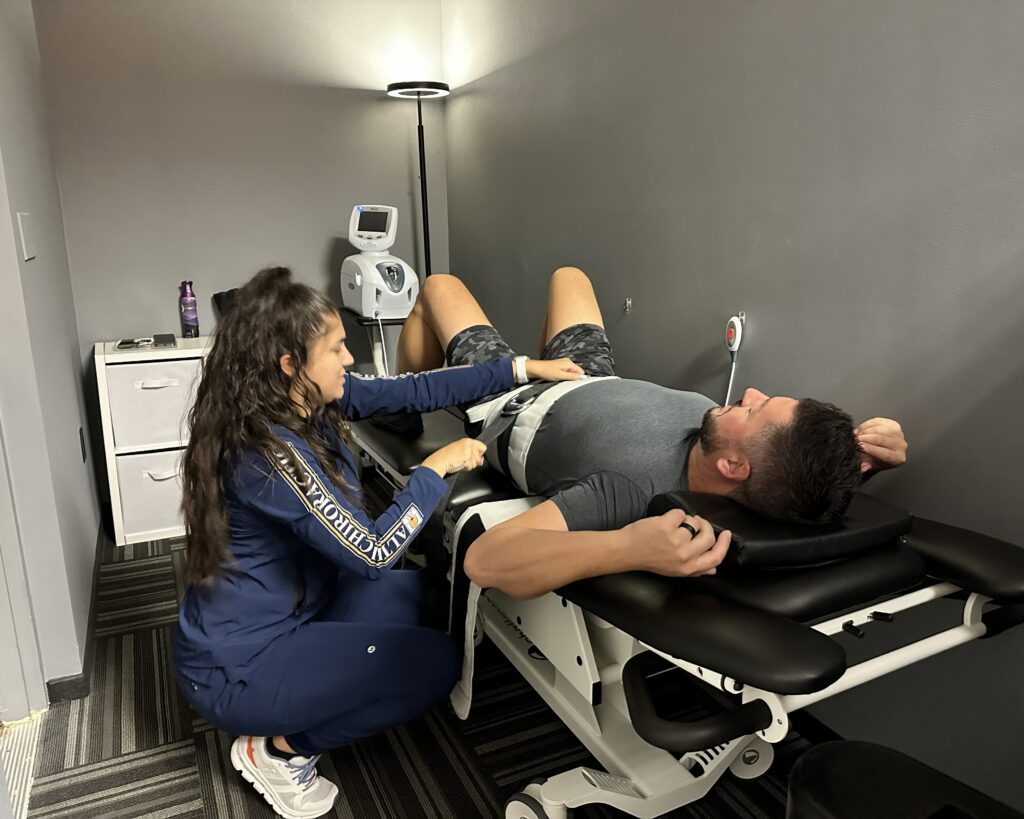
When it comes to managing cervical pain, chiropractic adjustments play a crucial role. These adjustments focus on aligning your spine, which helps improve nerve function and relieve discomfort naturally. By restoring proper alignment, we can enhance your body’s ability to heal itself and reduce pain without the need for invasive procedures or medications.
In addition to chiropractic care, incorporating personalized exercise plans tailored to your needs can significantly boost your mobility and overall wellness. Simple exercises can strengthen the muscles around your neck and improve flexibility, making a big difference in how you feel day-to-day.
But what else can you do to support your journey towards relief? Here are some helpful tips:
- Maintain Good Posture: Be mindful of your posture throughout the day, especially if you’re sitting for long periods. Keep your shoulders back and your head aligned over your spine.
- Stay Active: Regular physical activity can help keep your muscles strong and your joints flexible. Simple stretches and walks can go a long way in preventing stiffness and pain.
- Manage Stress: Stress can lead to muscle tension, particularly in the neck and shoulders. Practicing relaxation techniques, such as deep breathing or meditation, can help ease tension.
- Stay Hydrated: Drinking plenty of water is essential for overall health, including the health of your spinal discs. Proper hydration helps maintain their structure and function.
- Sleep Well: Ensure you have a supportive pillow that keeps your neck aligned while you sleep. A good night’s rest is vital for healing and recovery.
By embracing chiropractic care and these simple lifestyle changes, you can take significant steps towards managing cervical pain and achieving optimal health. Remember, you don’t have to suffer in silence—chiropractic care can be your best ally in the journey to wellness.
Understanding Cervical Pain: Causes and Symptoms
When you experience cervical pain, understanding its causes and symptoms is crucial for effective relief and wellness. Cervical pain can arise from various factors such as muscle strain, injuries, or degenerative disc issues. You might feel tightness or discomfort in your neck and shoulders, which can sometimes lead to headaches or pain radiating down your arms.
Common culprits include poor sleeping positions or excessive use of smartphones and computers, which can worsen these symptoms. In some cases, cervical pain can be accompanied by numbness or tingling, indicating that nerves may be affected. If you have difficulty turning your head or experience persistent pain, it’s important to consult a chiropractor who can help identify the root cause and provide tailored treatment options.
Chiropractic care focuses on restoring proper alignment and function to your spine, which can significantly alleviate pain and promote overall health.
To support your cervical health, here are some helpful tips you can incorporate into your daily routine:
- Practice Good Posture: Be mindful of your sitting and standing posture. Keep your shoulders back, and your head aligned over your spine, especially when using electronic devices.
- Take Frequent Breaks: If you work at a computer, remember to take regular breaks to stretch and move around. This can help prevent stiffness and strain.
- Invest in a Good Pillow: Ensure that your pillow supports your neck properly during sleep. A contour or cervical pillow can help maintain the natural curve of your neck.
- Stay Active: Engage in regular physical activity, which can strengthen the muscles that support your neck and improve flexibility. Simple exercises like neck stretches and shoulder rolls can be very beneficial.
- Consider Chiropractic Adjustments: Regular visits to a chiropractor can help ensure your spine is aligned and functioning properly, which is key to achieving optimal health and pain relief.
The Role of Posture in Cervical Discomfort
Posture is crucial when it comes to preventing and alleviating cervical discomfort, and as a chiropractor, I can’t emphasize enough how important it’s to take care of your spine. Poor posture, such as slouching or hunching over, places unnecessary strain on your neck muscles and spine, which can result in pain and stiffness. To support a healthy neck, it’s essential to maintain a neutral spine position, keeping your head aligned with your shoulders and pelvis.
If you find yourself spending long hours at a desk, I recommend adjusting your workstation so that your computer screen is at eye level. This simple change can help you avoid the common habit of craning your neck forward, which can lead to discomfort over time.
Additionally, when using your phone or reading, try to hold your devices at eye level instead of leaning down. This small adjustment can go a long way in minimizing strain on your neck.
Incorporating regular breaks into your day to stretch and realign your posture is also beneficial. Simple neck stretches or shoulder rolls can help alleviate tension and keep your spine healthy.
Remember, even small changes in how you sit or stand can contribute to reducing cervical discomfort and enhancing your overall well-being.
By prioritizing good posture and incorporating natural approaches such as chiropractic care, you can take proactive steps towards a healthier neck and body. Chiropractic adjustments can help align your spine, reduce pain, and improve function, making it an excellent choice for achieving optimal health and wellness.
Embrace these tips and consider regular chiropractic care as a pathway to a pain-free life!
Evidence-Based Physical Therapy Techniques
When dealing with cervical pain, it’s important to consider natural and holistic approaches to healing. Chiropractic care stands out as a top choice for achieving pain relief and promoting overall wellness.
Techniques such as spinal adjustments, gentle manual therapy, and personalized exercise plans can significantly aid in your recovery process. Chiropractic adjustments help realign the spine, which can relieve tension and improve mobility in your neck.
Additionally, tailored exercise prescriptions are designed to strengthen the muscles supporting your cervical spine, ensuring long-term relief.
Self-management is equally crucial. Learning effective techniques for at-home care, such as maintaining good posture, using ergonomic furniture, and incorporating gentle stretches into your daily routine, can empower you to take control of your health.
Manual Therapy Benefits
If you’re dealing with cervical pain, chiropractic care may be the solution you’ve been looking for. Manual therapy, a key component of chiropractic treatment, can significantly alleviate neck pain and enhance your overall well-being. Techniques like mobilization and manipulation are designed to restore movement and reduce stiffness in your neck, allowing you to move more freely and comfortably.
One of the great benefits of chiropractic care is that it promotes blood flow, which is essential for healing and relaxation. By addressing muscle tension and joint restrictions, chiropractic adjustments can improve your range of motion and lower your pain levels. Many patients find that they experience even greater relief when they combine these adjustments with simple exercises tailored to their needs.
Additionally, chiropractic care empowers you to better understand your body mechanics. This knowledge can help you prevent future injuries and maintain a healthier lifestyle. If you’re struggling with cervical pain, I encourage you to visit a qualified chiropractor who can create a personalized treatment plan just for you.
Here are a few general tips to keep in mind for maintaining a healthy neck:
- Practice Good Posture: Keep your head aligned over your spine while sitting or standing to reduce strain on your neck.
- Take Breaks: If you work at a desk or spend long hours on your phone, take frequent breaks to stretch and move around.
- Stay Hydrated: Drinking plenty of water helps keep your muscles and joints healthy.
- Use Supportive Pillows: Choose pillows that support the natural curve of your neck while you sleep.
Exercise Prescription Strategies
To effectively manage cervical pain and promote natural healing, incorporating evidence-based exercise strategies into your routine can make all the difference. As a chiropractor, I emphasize the importance of strengthening exercises that specifically target the neck and shoulder muscles. These exercises can help enhance stability and reduce strain on your cervical spine, which is crucial for your overall health.
Don’t overlook the role of stretching exercises as well; they improve flexibility and can alleviate tension in the muscles around your neck. A well-rounded approach that combines both strengthening and stretching exercises is ideal. Aim to integrate these exercises into your weekly routine, ideally several times a week, to see the best results.
As you begin to feel better, it’s important to gradually increase the intensity and duration of your exercises. Always listen to your body—if something doesn’t feel right, don’t push through the pain. Consulting with a qualified chiropractor can provide you with personalized guidance tailored to your specific needs.
Here are some general tips to keep in mind:
- Maintain good posture throughout your daily activities to reduce strain on your neck.
- Take frequent breaks if you’re working at a desk or using your phone for extended periods.
- Stay hydrated and maintain a healthy diet to support your body’s healing processes.
- Consider incorporating gentle yoga or Pilates into your routine, which can enhance both strength and flexibility.
Education and Self-Management
Implementing effective self-management strategies can significantly enhance your ability to cope with cervical pain, and chiropractic care is one of the best ways to achieve lasting relief and promote overall wellness.
By actively participating in your recovery, you can regain control of your life and improve your quality of living. Here are some essential techniques to consider:
1. Education: Understanding cervical pain, its causes, and how it affects your body is crucial. Knowledge empowers you to make informed choices about your health, and as a chiropractor, I can provide guidance tailored to your unique situation.
2. Posture Awareness: Maintaining proper posture is key to reducing strain on your neck. Simple adjustments, like keeping your shoulders back and aligning your head with your spine, can make a world of difference.
Regular chiropractic adjustments can help reinforce good posture and alleviate discomfort.
3. Relaxation Techniques: Incorporate relaxation methods such as deep breathing exercises or meditation into your daily routine. These techniques can help manage stress and tension, which often exacerbate pain.
A relaxed body is more responsive to chiropractic care.
4. Pain Tracking: Keep a journal to monitor your pain levels, triggers, and the effectiveness of the self-management strategies you implement. This information is valuable for your chiropractor, who can tailor your treatment plan based on your experiences and progress.
By embracing these strategies alongside regular chiropractic care, you can foster a healthier lifestyle and move towards a pain-free existence.
Ergonomic Solutions for Everyday Activities
When you’re working at your desk, making a few simple adjustments can significantly help prevent cervical pain and improve your overall well-being. As a chiropractor, I want to emphasize how essential it’s to create a workspace that supports your spine and promotes good posture.
Ensuring your computer screen is at eye level can prevent you from straining your neck, and using a chair that offers proper lumbar support can help maintain the natural curve of your spine.
Here are some ergonomic tips to enhance your daily activities and support your health:
- Screen Height: Position your monitor so that the top of the screen is at or slightly below eye level. This helps keep your neck in a neutral position, reducing the risk of discomfort.
- Chair Support: Choose a chair that supports your lower back. If your chair doesn’t have built-in lumbar support, consider using a small cushion or rolled towel to maintain the natural curve of your spine.
- Keyboard and Mouse Placement: Keep your keyboard and mouse close enough so that your elbows remain close to your body and form an angle between 90 and 120 degrees. This minimizes strain on your shoulders and wrists.
- Take Breaks: Remember to take short breaks every hour to stand up, stretch, and move around. This encourages circulation and helps prevent stiffness.
- Posture Awareness: Be mindful of your posture throughout the day. Sit back in your chair with your feet flat on the floor and your knees at a right angle. This position helps distribute your weight evenly and reduces stress on your spine.
By incorporating these ergonomic solutions into your daily routine, you can create a healthier workspace that supports your spine and overall health.
Additionally, regular chiropractic care can help address any existing pain and keep your spine aligned, promoting optimal health and wellness.
Desk Setup Adjustments
A well-organized desk setup can be a game changer when it comes to reducing cervical pain and boosting your productivity. By making just a few simple adjustments, you can create a workspace that not only feels more comfortable but also supports your neck and back, enhancing your overall well-being.
Here are four essential tips to consider:
- Chair Height: Make sure your chair is at the right height so your feet can rest flat on the floor. This promotes proper posture, which is crucial for spinal health. If your chair is too high or too low, it can lead to strain on your neck and back.
- Keyboard Position: Your keyboard should be at elbow height. This allows your arms to relax comfortably at your sides, reducing tension in your shoulders and neck. A neutral wrist position is also essential to prevent discomfort.
- Desk Depth: Keep your monitor and other tools within easy reach. When items are too far away, you may find yourself leaning forward or straining your neck, which can lead to discomfort over time.
- Frequent Breaks: Don’t forget to take regular breaks! Stretching and changing your posture throughout the day is vital for spinal health. Simple movements can help refresh your body and prevent stiffness.
Implementing these adjustments is a great step towards feeling better and working more effectively.
Proper Screen Height
Adjusting your screen height is crucial for your comfort and productivity, especially when you’re aiming for an ergonomic workspace.
As a chiropractor, I want to emphasize that keeping your screen at eye level can significantly benefit your spine and overall well-being. When your screen is properly positioned, your eyes should align with the top of the monitor when you look straight ahead. This alignment helps maintain a neutral neck posture, which is essential for reducing strain and discomfort in your cervical spine.
If your screen is too low, you may find yourself hunching forward, which can lead to neck and back pain over time. Conversely, a screen that’s too high can force you to tilt your head back, creating unnecessary tension in your neck.
To achieve the perfect alignment, consider using a monitor stand or adjusting your chair height to ensure your screen is at eye level.
Remember, maintaining good posture isn’t just about comfort; it’s about protecting your spine. Regular chiropractic care can help address any discomfort you may already be experiencing and can assist in keeping your spine healthy and aligned.
Chair Support Features
Selecting the right chair equipped with essential support features can greatly enhance your comfort and well-being during daily activities. As a chiropractor, I understand how crucial proper support is for your spine and overall health. A well-designed chair not only boosts your productivity but also plays a vital role in preventing cervical pain and maintaining spinal health.
Here are four key support features to consider when choosing a chair:
- Lumbar Support: This feature ensures that your lower back is properly supported, helping to maintain correct spinal alignment. Good lumbar support can reduce the risk of discomfort and pain in your lower back, which is essential for overall wellness.
- Adjustable Armrests: Having adjustable armrests allows your arms to rest comfortably, which can significantly reduce strain on your shoulders and neck. This is important because unnecessary tension in these areas can lead to pain and discomfort, making it harder to stay focused and productive.
- Seat Depth Adjustment: A chair that allows you to adjust the seat depth can accommodate various leg lengths, promoting proper posture and enhancing circulation. Proper posture is key to maintaining spinal health and reducing the risk of pain.
- Headrest: A supportive headrest can provide much-needed relief for your neck and head, especially during prolonged periods of sitting. This feature helps alleviate tension that can accumulate in your neck, contributing to a more relaxed and comfortable sitting experience.
Remember, while a good chair can offer support, it’s important to complement it with regular chiropractic care. Chiropractic adjustments can help maintain proper alignment and promote optimal health, ensuring that your body feels its best.
Additionally, incorporate movement into your routine by taking breaks to stretch and change positions throughout the day. Small changes, such as standing up or walking around every hour, can greatly benefit your spine and overall health.
Lifestyle Modifications to Alleviate Cervical Pain
Incorporating simple lifestyle modifications can significantly alleviate cervical pain and enhance your overall well-being. As a chiropractor, I believe that making these small changes can lead you to a healthier life, and chiropractic care plays a vital role in your journey to optimal health.
Start by adjusting your workspace to ensure your computer screen is at eye level. This simple step helps keep your neck properly aligned, reducing strain. Remember to take frequent breaks – stand up, stretch, and walk around to prevent stiffness from sitting for long periods.
Pay attention to your posture; keep your shoulders relaxed and your back straight, which can help prevent discomfort.
Regular exercise is crucial, especially activities that strengthen your neck and upper back. Consider incorporating gentle stretches and strengthening exercises into your routine. A chiropractor can guide you on the best movements tailored for your needs.
Sleep is another important factor. Ensure you have a supportive pillow that maintains proper neck alignment while you rest. This can make a world of difference in how you feel upon waking. Staying hydrated and maintaining a balanced diet are also essential; they support your body’s natural healing processes.
Mindfulness techniques, such as yoga or simple breathing exercises, can further enhance your relaxation and reduce tension in your neck and shoulders.
By embracing these lifestyle changes alongside regular chiropractic care, you can effectively manage cervical pain and promote a healthier life. Remember, chiropractic care is an excellent choice for pain relief and embracing natural wellness.
Make these small adjustments, and you’ll be on your way to feeling better and living your best life!
The Impact of Stress and Mental Health on Cervical Pain
As a local chiropractor, I want to highlight the important connection between stress, mental health, and cervical pain. Many people may not realize how much their emotional well-being can affect their physical health.
When you’re feeling anxious or overwhelmed, your body tends to tense up, which can lead to discomfort in your neck and shoulders. Here are a few key ways that stress and mental health can impact cervical pain, along with some valuable tips to help you manage it:
1. Muscle Tension: Stress can cause your muscles to tighten, putting extra strain on your cervical spine. To counteract this, consider incorporating relaxation techniques such as deep breathing exercises or gentle stretching into your daily routine.
2. Inflammation: Chronic stress may trigger inflammatory responses in your body, which can make pain worse. Engaging in regular chiropractic care can help reduce inflammation by improving spinal alignment and overall body function.
3. Poor Posture: Anxiety often leads to slouching or hunching over, which can contribute to cervical strain. Being mindful of your posture throughout the day and making a conscious effort to sit and stand up straight can alleviate some of this strain.
You might also benefit from regular chiropractic adjustments, which can help keep your spine aligned and reduce discomfort.
4. Sleep Disruption: Mental health challenges can affect your sleep quality, preventing your body from healing properly. Establishing a calming bedtime routine and seeking chiropractic care can help promote better sleep, leading to improved recovery and reduced pain.
Understanding the link between your mental state and cervical pain empowers you to take action. By prioritizing stress management techniques and seeking regular chiropractic care, you can work toward alleviating pain naturally.
Alternative Therapies: Acupuncture and Chiropractic Care
If you’re dealing with cervical pain, you might be wondering how alternative therapies like acupuncture and chiropractic care can work together for relief. While both have their benefits, I want to emphasize how chiropractic care stands out as a primary choice for achieving optimal health and wellness.
Chiropractic care focuses on aligning your spine, which is crucial for alleviating cervical discomfort. When your spine is properly aligned, it helps improve nerve function and enhances your body’s natural ability to heal itself. This approach not only targets pain relief but also promotes overall wellness, allowing you to lead a healthier life.
Acupuncture can complement chiropractic care by helping to release tension and stimulate endorphins, which may provide some temporary relief. However, the real foundation for long-term pain relief and improved mobility lies in regular chiropractic adjustments. These adjustments ensure that your spine stays in proper alignment, maintaining your body’s balance and function.
As you consider your options for managing cervical pain, remember that chiropractic care is a natural and effective way to support your health. Here are a few tips to help you on your journey:
- Stay Active: Incorporate gentle exercises and stretches that promote neck mobility and strength. Simple neck rolls or shoulder shrugs can make a difference.
- Posture Matters: Pay attention to your posture, especially when sitting at a desk or using your phone. Keeping your head aligned with your spine can help reduce strain.
- Ergonomic Setup: Create an ergonomic workspace that supports your neck and back. Ensure your computer screen is at eye level and your chair provides good support.
- Regular Adjustments: Consider scheduling regular chiropractic visits to maintain your spinal health and prevent future discomfort.
Developing a Personalized Pain Management Plan
Creating a personalized pain management plan is vital for effectively addressing your cervical pain and enhancing your overall well-being. As a chiropractor, I believe that a natural approach is key to achieving optimal health. Here are some straightforward steps to develop a plan that works for you:
- Identify Triggers: Start by keeping a journal to note down activities or positions that increase your pain. This awareness can help you make adjustments in your daily routine.
- Consult a Chiropractor: Working with a chiropractor is essential. We specialize in spinal health and can provide personalized adjustments and techniques that promote healing and reduce pain.
- Incorporate Chiropractic Care: Regular chiropractic adjustments can help align your spine, relieve tension in your muscles, and improve your overall function. Pair this with gentle exercises and stretches to strengthen your neck and back.
- Natural Therapies: Consider adding natural therapies to your routine, such as heat or cold therapy, massage, and mindfulness practices. These can help manage pain and promote relaxation.
- Stay Active: Engage in low-impact activities like walking, swimming, or yoga. Movement is crucial for maintaining mobility and reducing stiffness.
- Monitor Your Progress: Keep track of your pain levels and how you respond to different treatments. If something isn’t working, don’t hesitate to discuss adjustments to your plan with your chiropractor.
Conclusion
Incorporating chiropractic adjustments into your routine can be a game changer for relieving cervical pain and boosting your overall health. Chiropractic care focuses on aligning the spine, which can help alleviate discomfort and improve your mobility. Alongside adjustments, personalized exercise plans tailored to your needs can enhance your flexibility and reduce stiffness in your neck.
Good posture is crucial—make sure to be mindful of how you sit, stand, and move throughout your day. Investing in ergonomic furniture and tools can also provide significant support to your spine and help you maintain proper alignment. Remember, small lifestyle changes, like taking regular breaks from screens and stretching throughout the day, can make a big difference in managing pain.
Understanding how your body works is key to preventing injuries and managing any discomfort effectively. By embracing chiropractic care, you’re taking an important step towards long-lasting relief and a healthier, more vibrant life. Take charge of your wellness journey today and discover the natural benefits of chiropractic adjustments!