
If you’ve been dealing with chronic back pain that won’t seem to go away no matter what you try, you’re not alone. Here in Delray Beach, we see countless patients who have spent months or even years managing their pain with temporary solutions—medications, heat packs, stretching routines—only to find themselves right back where they started. The frustration is real, and the impact on your daily life can be overwhelming. But what if your body is trying to tell you something more specific? What if the type of back pain you’re experiencing is actually pointing to a spinal issue that requires a different approach altogether?
Spinal decompression is a specialized, non-surgical treatment that gently stretches the spine to relieve pressure on compressed nerves and discs. It’s not the right solution for every type of back pain, but for certain conditions, it can be life-changing. Understanding the signs that your chronic back pain might benefit from spinal decompression is the first step toward finding real, lasting relief rather than continuing to chase temporary fixes that never address the root cause.
What Is Spinal Decompression?
What exactly is spinal decompression therapy? Spinal decompression is a non-surgical, traction-based treatment that gently stretches the spine to create negative pressure within the spinal discs. This negative pressure can help retract herniated or bulging disc material, reduce nerve compression, and promote the flow of healing nutrients into the disc space, encouraging natural repair.
Table of Contents
- Understanding Spinal Compression and Disc Problems
- 7 Signs Your Chronic Back Pain Actually Needs Spinal Decompression
- How Chiropractic Care and Spinal Decompression Work Together
- What to Expect During Spinal Decompression Treatment
- Treatment Approaches Comparison
- Myths vs. Facts About Spinal Decompression
- When to See a Chiropractor for Your Back Pain
- Lifestyle Changes That Support Spinal Health
- Final Thoughts from Alter Chiropractic
Understanding Spinal Compression and Disc Problems
To understand whether spinal decompression might be right for you, it helps to know what’s actually happening inside your spine when disc problems occur. Your spine is made up of vertebrae stacked on top of each other, with cushioning discs between them. These discs act like shock absorbers, allowing your spine to bend, twist, and move while protecting the delicate spinal cord and nerve roots that branch out between each vertebra.
When a disc becomes damaged, herniated, bulging, or degenerates over time, it can put pressure on nearby nerves. This compression creates pain that often radiates beyond your back into your legs, hips, or buttocks. The pain might feel like burning, tingling, numbness, or sharp shooting sensations. Unlike muscle strain that typically improves with rest, nerve-related pain from disc compression tends to persist and may even worsen over time without proper intervention.
Disc compression can happen for several reasons. Repetitive stress from poor posture, heavy lifting with improper form, age-related degeneration, injury from accidents, or even genetic factors can all contribute. The key point is that when a disc problem is causing nerve compression, simply addressing surface-level symptoms with pain relievers or muscle relaxants won’t resolve the underlying mechanical issue. That’s where targeted spinal decompression becomes relevant.
Research suggests that spinal decompression therapy may help by creating negative intradiscal pressure, which can encourage the retraction of herniated disc material and improve nutrient flow to damaged discs. While it’s not appropriate for every back condition, evidence indicates it can be beneficial for specific disc-related problems when applied correctly as part of a comprehensive treatment plan.
7 Signs Your Chronic Back Pain Actually Needs Spinal Decompression
Not every case of chronic back pain requires spinal decompression, but certain signs strongly suggest that nerve compression from disc problems might be at the root of your suffering. Here are seven key indicators that spinal decompression could be the natural solution you’ve been searching for.
Sign #1: Pain That Radiates Down Your Legs
If your back pain doesn’t stay in your back but instead shoots down into your buttocks, thighs, or all the way to your feet, this is a classic sign of nerve compression. This radiating pain, often called sciatica when it follows the sciatic nerve path, indicates that something in your spine is putting pressure on nerve roots. The pain might follow a specific pattern down one or both legs, and it may change intensity depending on your position or activity level.
This type of radiating pain is different from general muscle soreness. It often feels electrical, burning, or like pins and needles. You might notice it worsens when you sit for long periods, bend forward, or cough and sneeze. These are all signs that a compressed nerve is involved, making spinal decompression a potentially valuable treatment option.
Sign #2: Numbness or Tingling in Your Extremities
Experiencing numbness, tingling, or a “pins and needles” sensation in your legs, feet, arms, or hands alongside back pain is a red flag for nerve involvement. When discs press on nerves, they can interfere with normal nerve signal transmission, creating these unusual sensations. You might notice that certain positions make the numbness better or worse, or that it comes and goes throughout the day.
Many patients we see at Alter Chiropractic in Delray Beach describe this feeling as having their leg “fall asleep” even when they haven’t been sitting on it. This isn’t just uncomfortable—it’s your nervous system signaling that something needs attention. Persistent numbness should never be ignored, as prolonged nerve compression can potentially lead to more serious complications if left unaddressed.
Sign #3: Pain That’s Worse When Sitting
Does your back pain intensify when you sit, especially for extended periods? This is a telltale sign of disc-related problems. When you sit, especially with poor posture or in a slouched position, you increase the pressure inside your spinal discs significantly—sometimes up to 40% more than when standing. If you have a herniated or bulging disc, this increased pressure can worsen nerve compression and amplify your pain.
Patients often tell us they feel better when walking or standing but struggle with desk work, driving, or even sitting through meals. If you find yourself constantly shifting positions, standing up frequently for relief, or avoiding sitting altogether, your body is telling you that something mechanical in your spine needs to change. Spinal decompression works by reversing this pressure, creating space for compressed discs and nerves to heal.
Sign #4: Diagnosed Disc Problems That Haven’t Improved
If you’ve already had an MRI or other imaging that confirmed a herniated disc, bulging disc, degenerative disc disease, or spinal stenosis, but your conservative treatments haven’t provided lasting relief, spinal decompression may be the missing piece. Many patients cycle through physical therapy, medications, and injections without addressing the mechanical compression that’s causing their symptoms.
Having a confirmed diagnosis of a disc issue gives us valuable information about whether spinal decompression is appropriate for your specific case. Not all disc problems require decompression, but when conservative care isn’t working and surgery seems like the only remaining option, spinal decompression offers a non-invasive middle ground that can produce significant results for many people.
Sign #5: Weakness in Your Legs or Difficulty Walking
Are you noticing weakness in your legs, difficulty lifting your foot when walking, or an unusual gait? Muscle weakness that accompanies back pain is a more serious sign of nerve compression. When nerves are compressed long enough, they can’t properly send signals to your muscles, resulting in weakness or loss of normal function.
This might show up as foot drop, where you can’t lift the front part of your foot, causing you to drag it or trip more easily. You might struggle to stand on your toes or heels, or notice that one leg feels noticeably weaker than the other. These symptoms indicate that the nerve compression is affecting motor function, not just causing pain, and they warrant prompt professional evaluation and treatment.
Sign #6: Failed Response to Standard Treatments
Have you tried everything—rest, over-the-counter medications, heat and ice therapy, massage, stretching—but nothing provides more than temporary relief? When standard conservative treatments fail to resolve chronic back pain, it often means the root cause hasn’t been properly addressed. If the underlying problem is mechanical compression of spinal nerves or discs, treatments that only address symptoms or muscle tension will fall short.
This is exactly why we focus on finding the root cause at Alter Chiropractic. Spinal decompression specifically targets the mechanical compression issue, creating conditions for your body to heal naturally rather than just masking symptoms. If you’ve been frustrated by the revolving door of temporary fixes, it may be time to consider whether a more targeted approach is needed.
Sign #7: Pain That Improves When You Lie Down
Do you notice that your back pain significantly improves when you lie down, especially in certain positions? This is another strong indicator of disc-related compression. When you lie down, you remove the gravitational load from your spine, reducing pressure on your discs and nerves. If you find relief in this position, it suggests that decompression—taking pressure off your spine—is exactly what your body needs.
Spinal decompression therapy essentially replicates and enhances this beneficial effect in a controlled, therapeutic way. By gently stretching your spine while you’re comfortably positioned on a specialized table, we can create that pressure-relieving environment your body responds to when lying down, but in a more targeted and effective manner that promotes actual healing.
How Chiropractic Care and Spinal Decompression Work Together
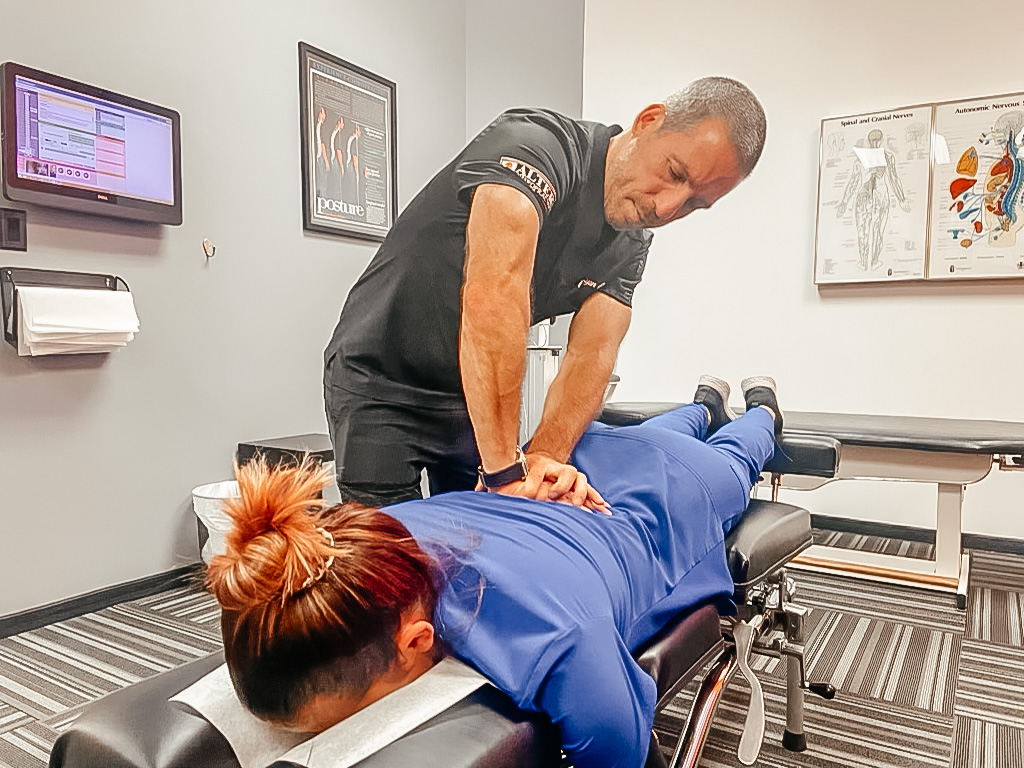
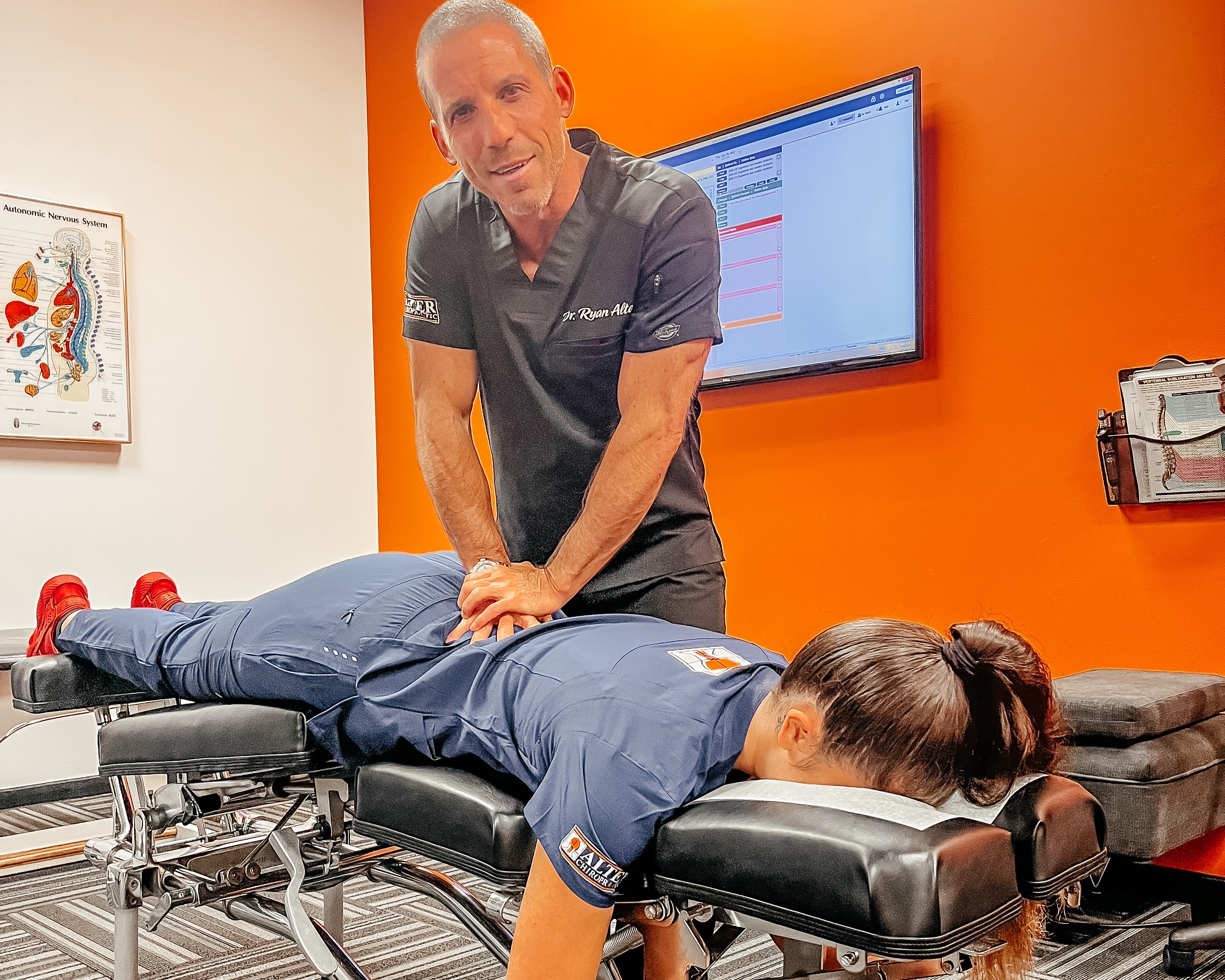
At Alter Chiropractic in Delray Beach, we don’t view spinal decompression as a standalone treatment but rather as one powerful tool within a comprehensive approach to spinal health. Chiropractic care addresses spinal alignment, joint function, and nervous system optimization, while spinal decompression specifically targets disc and nerve compression issues. Together, they create a synergistic effect that addresses both the immediate mechanical problem and the broader biomechanical factors contributing to your pain.
Chiropractic adjustments help restore proper spinal alignment and movement patterns, which is essential for long-term success. If your spine isn’t moving correctly or certain segments are misaligned, even successful decompression may not hold without addressing these underlying issues. We also incorporate targeted exercises, posture correction, and lifestyle modifications to support your healing and prevent future problems.
Our approach at Alter Chiropractic is rooted in finding and treating the underlying cause of your pain, not just temporarily relieving symptoms. For patients with disc-related compression issues, this often means combining spinal decompression with adjustments, therapeutic exercises, and education about proper body mechanics. This comprehensive strategy empowers your body’s natural healing ability and helps you achieve lasting results rather than just short-term relief.
Evidence from clinical studies suggests that combining spinal manipulation with decompression therapy may improve outcomes for certain disc-related conditions compared to either approach alone. This integrated model aligns with the conservative, evidence-based care philosophy that guides our practice and has helped thousands of South Florida families find real answers to their chronic pain.
What to Expect During Spinal Decompression Treatment
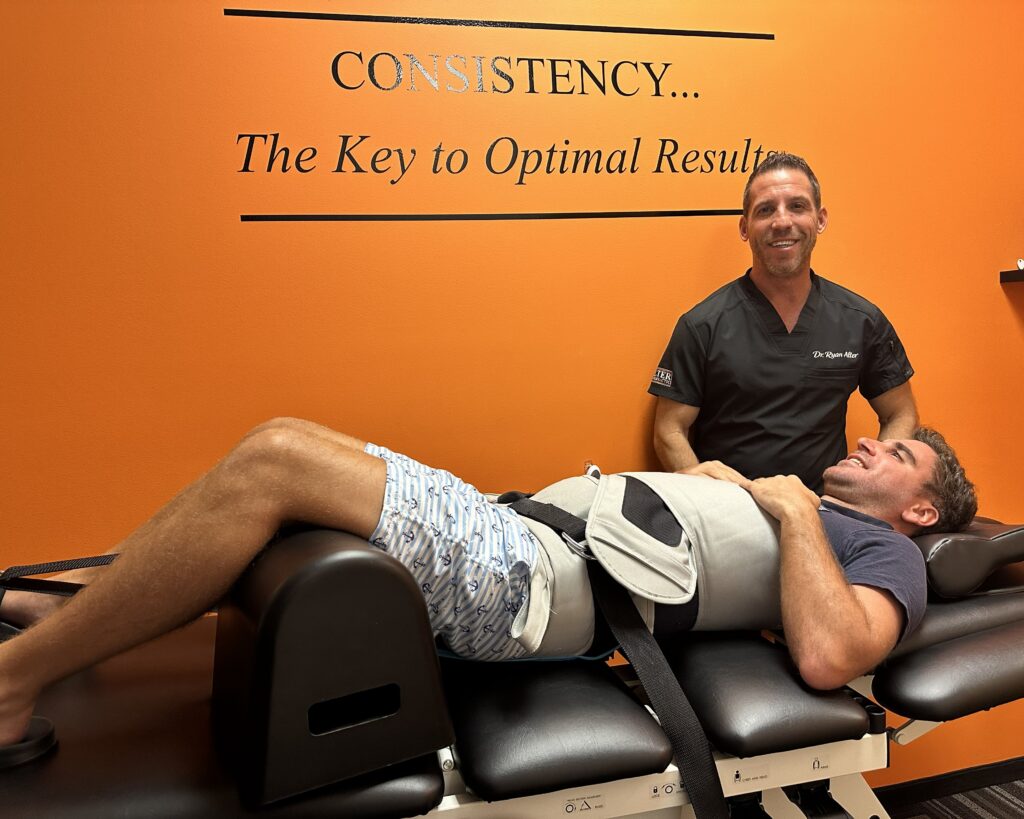
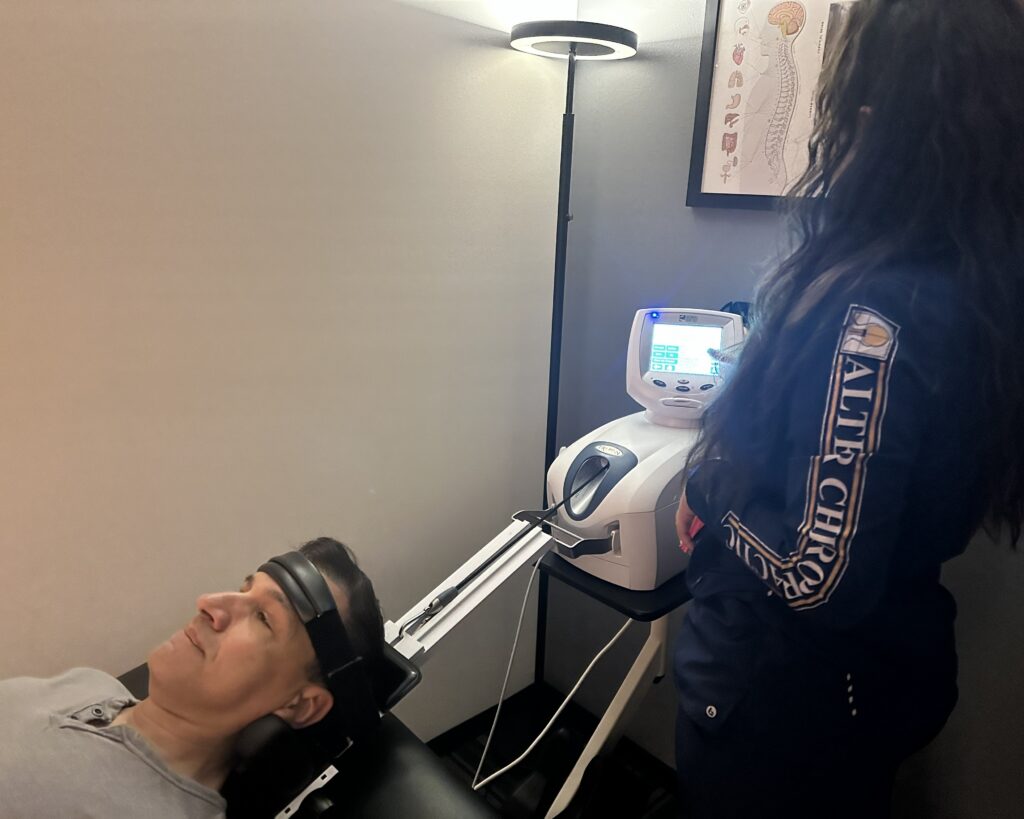
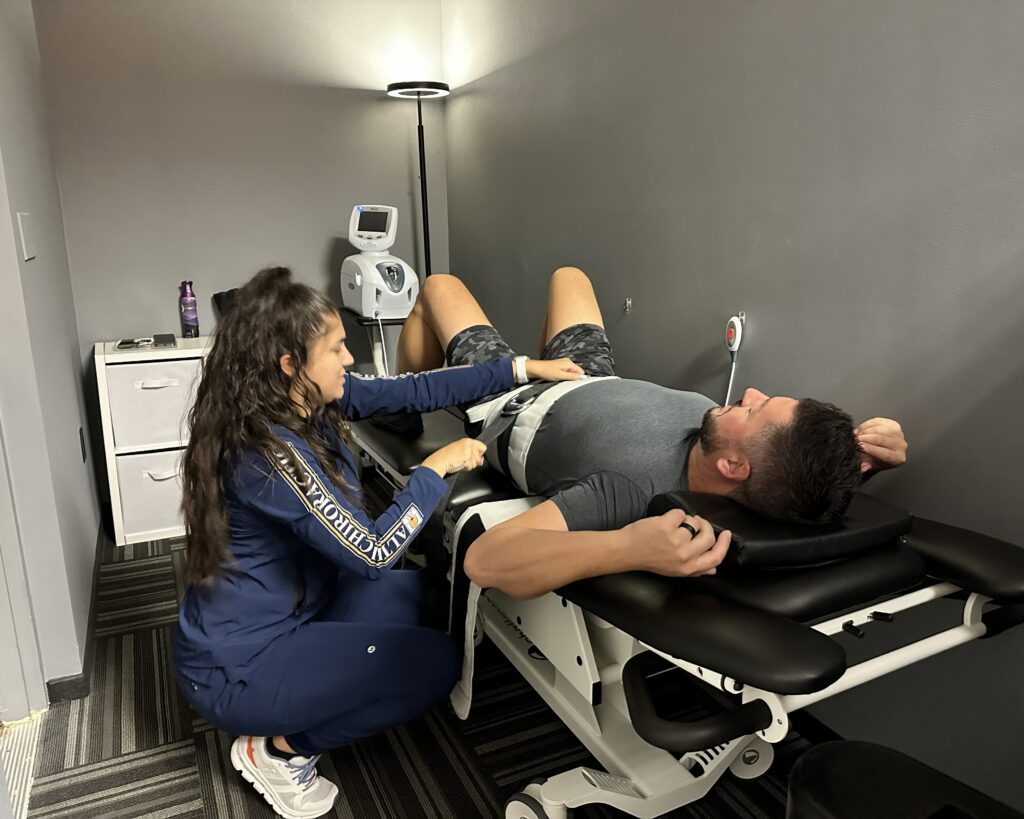
If you’re considering spinal decompression, understanding what happens during treatment can help ease any concerns. The process is non-invasive, gentle, and typically very comfortable. You’ll lie on a specialized decompression table, and we’ll use a harness system to apply controlled traction to your spine. The treatment involves cycles of gentle pulling and relaxation, creating the negative pressure within your discs that promotes healing.
Sessions typically last between 20 and 45 minutes, and most treatment plans involve multiple sessions over several weeks. The frequency and duration depend on your specific condition, its severity, and how your body responds. Many patients experience some relief after just a few sessions, though lasting results typically require completing the full treatment protocol.
During treatment, you’ll remain fully clothed and can often read, listen to music, or simply relax. The sensation is generally described as a gentle pulling or stretching feeling, not painful. In fact, many patients find the treatment quite relaxing. We carefully monitor your response throughout each session and adjust the treatment parameters as needed to ensure optimal results and comfort.
It’s important to understand that spinal decompression works gradually. Unlike medications that might provide quick but temporary symptom relief, decompression promotes actual healing at the tissue level, which takes time. Your body needs to rehydrate damaged discs, reduce inflammation around compressed nerves, and rebuild tissue integrity. This natural healing process can’t be rushed, but it leads to more sustainable, long-lasting outcomes.
Treatment Approaches Comparison
| Treatment Approach | How It Works | Best For | Limitations |
|---|---|---|---|
| Pain Medications | Temporarily blocks pain signals | Short-term symptom relief | Doesn’t address root cause; potential side effects; requires ongoing use |
| Physical Therapy | Strengthens muscles, improves mobility | Muscle weakness, general deconditioning | May not effectively address severe disc compression |
| Injections | Reduces inflammation around nerves | Severe inflammation causing pain | Temporary relief; doesn’t heal disc damage; invasive; risks involved |
| Surgery | Physically removes or repairs damaged disc | Severe cases with neurological deficits | Invasive; recovery time; risks; not reversible; no guarantee of success |
| Spinal Decompression | Creates negative disc pressure to promote healing | Disc herniations, bulges, degenerative disc disease, nerve compression | Requires multiple sessions; not appropriate for all conditions; results vary |
| Chiropractic Care | Restores spinal alignment and function | Misalignment, joint dysfunction, nervous system optimization | May need to be combined with other approaches for severe disc problems |
Myths vs. Facts About Spinal Decompression
There’s a lot of misinformation circulating about spinal decompression therapy. Let’s clear up some of the most common misconceptions with evidence-based facts.
Myth: Spinal Decompression Is Just Traction With a Fancy Name
Fact: While spinal decompression does involve traction, modern computer-controlled decompression systems are far more sophisticated than traditional traction. These systems use precise, cyclical patterns of pulling and releasing that are specifically designed to overcome your body’s natural protective muscle response. This allows for deeper, more effective decompression of the spinal discs than simple static traction can achieve. The computerized control and ability to target specific spinal segments make this a distinct and more effective treatment approach.
Myth: Spinal Decompression Is Painful
Fact: Spinal decompression is actually quite comfortable for most patients. The treatment involves gentle, controlled stretching that should not cause pain. If you experience discomfort during treatment, the settings can be adjusted to ensure your comfort while still providing therapeutic benefit. Many patients actually find the sessions relaxing and report feeling relief even during the treatment itself. Pain during decompression would be counterproductive, as muscle tension and guarding would prevent the therapy from working effectively.
Myth: Results Are Immediate and Permanent After Just One Session
Fact: While some patients experience relief after their first few sessions, spinal decompression works gradually by promoting natural healing processes. Significant, lasting results typically require a series of treatments over several weeks. Healing damaged discs and reducing chronic nerve compression takes time—your body can’t rebuild tissue integrity overnight. However, this gradual healing approach leads to more sustainable, long-term outcomes compared to quick fixes that only mask symptoms temporarily. Most patients complete a treatment protocol of 15-30 sessions depending on their condition severity.
Myth: Everyone With Back Pain Needs Spinal Decompression
Fact: Spinal decompression is highly effective for specific conditions, primarily those involving disc problems and nerve compression. However, it’s not appropriate for every type of back pain. Conditions like acute fractures, severe osteoporosis, pregnancy, certain tumors, or abdominal aortic aneurysm are contraindications for decompression therapy. Additionally, if your back pain is primarily muscular or related to other structures rather than disc compression, different treatments may be more appropriate. A thorough evaluation is essential to determine if spinal decompression is right for your specific situation.
Myth: Spinal Decompression Can Replace the Need for Surgery in All Cases
Fact: Spinal decompression can help many people avoid surgery, and research suggests it may be effective for certain disc-related conditions. However, it’s not a replacement for surgery in all cases. Some conditions, particularly those involving severe structural problems, progressive neurological deficits, or cauda equina syndrome, require surgical intervention. Spinal decompression is best viewed as a conservative treatment option to try before considering surgery, not as a universal alternative to all surgical procedures. At Alter Chiropractic, we’re committed to honest communication about what can realistically be achieved with conservative care.
When to See a Chiropractor for Your Back Pain
Knowing when to seek professional help for back pain can make the difference between resolving an issue quickly and dealing with chronic problems for years. If you’ve been experiencing back pain for more than a few weeks without improvement, or if your pain is interfering with your daily activities, sleep, or quality of life, it’s time to get evaluated. Don’t wait until the pain becomes unbearable—early intervention often leads to faster, more complete recovery.
You should definitely schedule an appointment if you’re experiencing any of the seven signs discussed in this article, particularly radiating pain, numbness, tingling, or weakness. These symptoms indicate potential nerve involvement that shouldn’t be ignored. Similarly, if you’ve tried over-the-counter remedies, rest, and home care without success, professional evaluation can identify what’s really causing your pain and create a targeted treatment plan.
At Alter Chiropractic in Delray Beach, we invest the time to thoroughly evaluate your condition, review any previous imaging or records, and perform appropriate examinations to determine the root cause of your pain. This comprehensive approach allows us to recommend the most appropriate treatment, whether that’s spinal decompression, chiropractic adjustments, therapeutic exercises, or a combination of approaches tailored to your specific needs.
There are also certain red flag symptoms that warrant immediate medical attention rather than waiting for a scheduled appointment. These include sudden loss of bowel or bladder control, severe progressive weakness in the legs, numbness in the saddle region, or back pain accompanied by fever and unexplained weight loss. These symptoms could indicate serious conditions requiring immediate medical evaluation. While rare, recognizing these warning signs is important for your safety.
Lifestyle Changes That Support Spinal Health
Whether you’re currently dealing with back pain or want to prevent future problems, certain lifestyle modifications can significantly support your spinal health. These practical tips complement professional treatment and help you maintain the results you achieve through care.
First, pay attention to your sitting posture, especially if you work at a desk. Your chair should support your lower back’s natural curve, your feet should rest flat on the floor, and your computer screen should be at eye level. Take regular breaks to stand and move every 30-45 minutes. Prolonged sitting in poor posture is one of the biggest contributors to disc problems we see in our Delray Beach practice.
When lifting objects, always use proper form. Bend at your knees and hips, not your waist. Keep the object close to your body, and avoid twisting while lifting. Many disc injuries happen during seemingly simple tasks like lifting groceries or picking up children because people use improper mechanics that place excessive stress on their spine.
Maintain a healthy weight. Excess body weight, particularly around the midsection, increases the load on your spine and can accelerate disc degeneration. Even modest weight loss can significantly reduce stress on your spinal structures and decrease pain levels for many people.
Stay active with low-impact exercises that promote spinal health. Walking, swimming, and yoga are excellent choices that strengthen supporting muscles without jarring your spine. Regular movement also promotes circulation, which delivers nutrients to your spinal discs and helps keep them healthy. However, avoid high-impact activities or exercises that involve excessive twisting or bending if you have existing disc problems.
Prioritize quality sleep and invest in a supportive mattress and pillow. Your sleeping position matters too—side sleeping with a pillow between your knees or back sleeping with a pillow under your knees can help maintain proper spinal alignment. Stomach sleeping typically places the most stress on your neck and lower back.
Manage stress effectively. Chronic stress leads to muscle tension, particularly in the back and neck, which can worsen pain and compromise spinal function. Techniques like deep breathing, meditation, or regular physical activity can help reduce stress and its physical manifestations.
Final Thoughts from Alter Chiropractic
Chronic back pain doesn’t have to be your new normal. If you’ve been struggling with persistent pain that radiates, causes numbness or weakness, or simply hasn’t responded to conventional treatments, there may be a root cause that hasn’t been properly addressed yet. Spinal decompression offers a non-surgical, drug-free option for people dealing with disc-related problems and nerve compression—exactly the kind of natural solution that has helped countless patients at Alter Chiropractic find lasting relief.
Here in Delray Beach, we’ve built our reputation over nearly two decades by focusing on one fundamental principle: finding and treating the underlying cause of your pain rather than just masking symptoms. This approach takes more time and requires more thorough evaluation, but it leads to real, lasting results that empower you to live your life without constant pain holding you back.
If you recognize yourself in any of the signs we’ve discussed today, we encourage you to reach out for a comprehensive evaluation. Understanding what’s really causing your pain is the first step toward breaking free from it and achieving the optimal health you deserve. At Alter Chiropractic, we’re committed to helping South Florida families find natural answers to their most challenging pain problems. Your journey toward lasting relief starts with one decision—to stop settling for temporary fixes and start addressing the root cause. We’re here to help when you’re ready.
Frequently Asked Questions
How long does it take to see results from spinal decompression?
Many patients begin experiencing some relief within the first few weeks of treatment, though significant, lasting improvements typically develop over the course of a complete treatment protocol, which usually spans 4-8 weeks. Your individual timeline depends on the severity of your condition, how long you’ve had the problem, and how consistently you follow through with treatment. Healing damaged discs takes time, but the results tend to be more sustainable than quick symptom-relief approaches.
Is spinal decompression covered by insurance?
Insurance coverage for spinal decompression varies significantly between providers and individual plans. Some policies cover the treatment partially or fully, while others don’t include it in their coverage. We recommend contacting your insurance provider directly to inquire about your specific coverage. At Alter Chiropractic, we’re happy to discuss your options and work with you to make care accessible regardless of your insurance situation.
Can spinal decompression help with sciatica?
Yes, spinal decompression can be highly effective for sciatica caused by disc herniation or bulging that’s compressing the sciatic nerve roots. By creating negative pressure within the disc and reducing compression on the nerve, decompression therapy can help relieve the radiating pain, numbness, and tingling associated with sciatica. However, it’s important to identify the specific cause of your sciatica, as not all cases stem from disc problems.
Are there any risks or side effects of spinal decompression?
Spinal decompression is generally very safe when performed correctly and on appropriate candidates. Some patients experience mild soreness or muscle ache after their first few sessions as their body adjusts to the treatment, similar to how you might feel after starting a new exercise program. Serious complications are extremely rare. However, decompression isn’t appropriate for everyone, which is why thorough screening and evaluation are essential before beginning treatment.
Can I do spinal decompression at home with an inversion table?
While inversion tables provide some general traction, they cannot replicate the precise, computer-controlled decompression provided by professional equipment. Inversion tables apply traction to your entire spine at once and rely on gravity, whereas clinical decompression systems can target specific spinal segments with controlled force patterns designed to overcome protective muscle responses. Additionally, inversion therapy carries risks for people with certain conditions like high blood pressure or glaucoma. Professional spinal decompression is monitored and adjusted based on your specific needs.
What’s the difference between spinal decompression and a chiropractic adjustment?
Chiropractic adjustments focus on restoring proper alignment and movement to spinal joints, correcting misalignments that interfere with nervous system function. Spinal decompression specifically addresses disc problems and nerve compression by creating negative intradiscal pressure. Both approaches work with your body’s natural healing ability, but they target different aspects of spinal dysfunction. In many cases, combining both approaches provides the most comprehensive care for disc-related problems accompanied by misalignment issues.
TL;DR – Key Takeaways
- Spinal decompression is a non-surgical treatment that creates negative pressure in spinal discs, helping to relieve nerve compression and promote natural healing.
- Seven key signs suggest your chronic back pain might benefit from spinal decompression: radiating leg pain, numbness or tingling, pain that worsens when sitting, diagnosed disc problems that haven’t improved, leg weakness, failed response to standard treatments, and pain that improves when lying down.
- Spinal decompression works best when combined with comprehensive chiropractic care that addresses alignment, movement patterns, and overall spinal health—not as a standalone quick fix.
- Treatment requires multiple sessions over several weeks to achieve lasting results, as healing damaged discs is a gradual process that can’t be rushed but leads to more sustainable outcomes.
- Not everyone with back pain needs spinal decompression—a thorough evaluation is essential to determine if it’s the right approach for your specific condition and to rule out any contraindications.