
As your local chiropractor, I want to reassure you that if you’re experiencing lower back pain, you’re not alone. Many individuals face this challenge, and I’m here to guide you through some effective relief options. Chiropractic care, along with other licensed techniques such as acupuncture, can provide significant benefits for pain management.
Chiropractic care focuses on the alignment of your spine and the overall function of your nervous system. By using gentle adjustments, I can help alleviate tension, improve mobility, and promote the body’s natural healing processes. Each method, including acupuncture, offers unique advantages and can be tailored to your specific needs.
It’s essential to understand how these approaches work, as they can play a crucial role in your recovery journey. Let’s dive deeper into these techniques and find the best solution for your lower back pain. Together, we can work towards restoring your health and enhancing your quality of life.
Physical Therapy
When dealing with lower back pain, chiropractic care can be a transformative option for your healing journey. As a local chiropractor, it’s my mission to help you understand how our approach can effectively address your pain and improve your overall well-being.
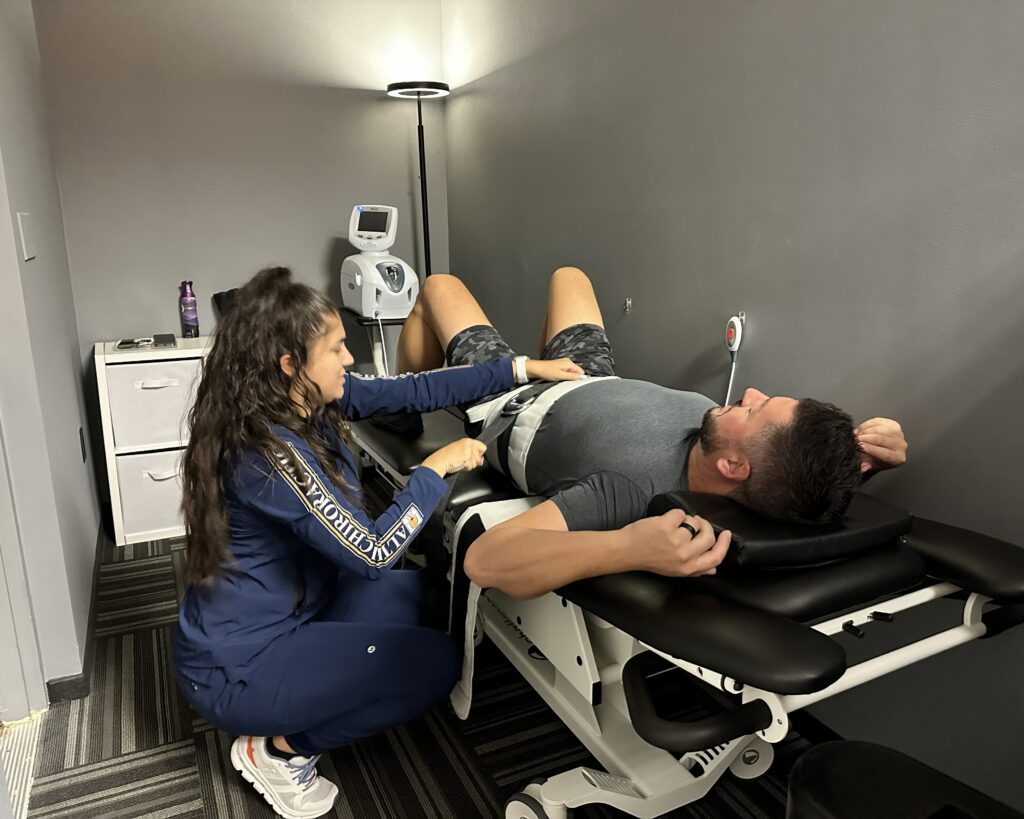
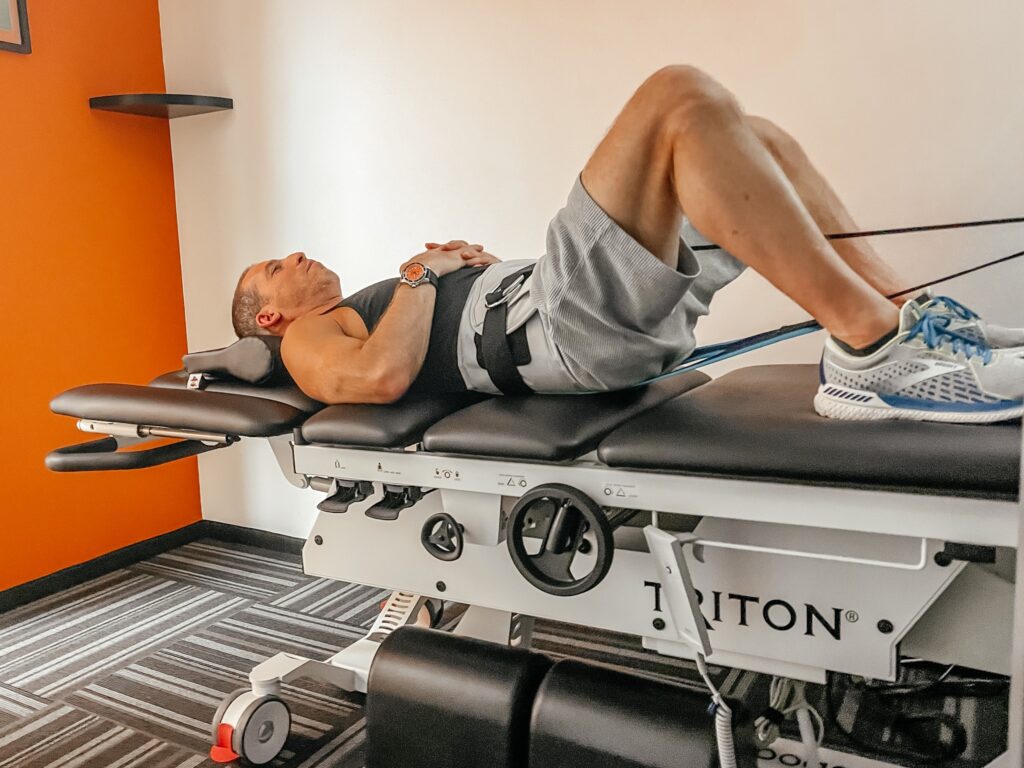
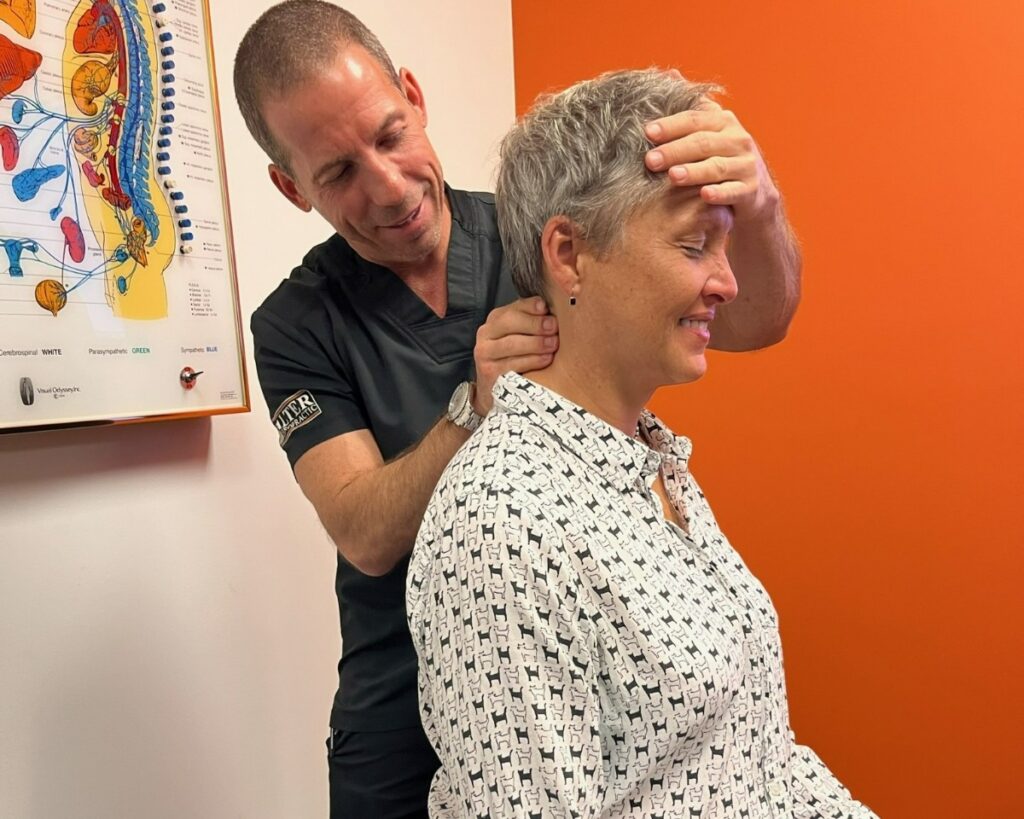
During your initial consultation, I’ll thoroughly assess your condition and develop a personalized treatment plan that caters to your unique needs. Chiropractic techniques focus on realigning the spine and enhancing your body’s natural ability to heal. This can include gentle adjustments that not only relieve discomfort but also promote better function throughout your body.
In our sessions, you’ll learn about proper body mechanics, which are crucial for everyday tasks such as lifting and bending. I may also incorporate additional therapies, such as soft tissue work or specific stretches, to further alleviate pain and enhance mobility.
As you progress with your chiropractic care, you’ll likely notice significant improvements in both your strength and mobility. This newfound confidence allows you to engage in your daily activities without the fear of pain holding you back.
Chiropractic Care
As a local chiropractor, I want to share the benefits of chiropractic care for managing lower back pain in a way that goes beyond just temporary relief.
Our approach is focused on aligning your spine and enhancing your body’s overall function. By addressing the root causes of your discomfort, chiropractic adjustments can help you regain mobility and significantly reduce pain.
Here are three key benefits you can expect from chiropractic care for lower back pain:
- Pain Reduction: Through regular adjustments, we can alleviate discomfort by reducing pressure on your nerves and improving blood circulation throughout your body.
- Improved Mobility: Our chiropractic treatments focus on enhancing your flexibility, which makes it easier for you to carry out daily activities without experiencing pain.
- Preventative Care: By committing to ongoing visits, we can help prevent future flare-ups. Maintaining proper spinal alignment is essential for your overall wellness and long-term health.
If you’re dealing with lower back pain and are curious about how chiropractic care can help, I encourage you to reach out.
Together, we can work towards achieving the relief and support you need for a healthier future.
Acupuncture
As a local chiropractor, I want to introduce you to an ancient practice known as acupuncture, which can complement the care I provide.
Acupuncture involves targeting specific points on your body to promote healing and alleviate pain. It works by inserting thin needles at these points, stimulating your body’s natural pain-relief mechanisms.
This can be particularly effective for issues like lower back pain, which many of my patients experience. If you’re curious about how acupuncture works and the benefits it can offer alongside chiropractic care, let’s dive deeper into this holistic approach to health and wellness.
How Acupuncture Works
As a local chiropractor, I want to share the benefits of acupuncture as a natural healing option for lower back pain. While there are various treatments available, acupuncture offers a unique and holistic approach. This ancient practice involves the insertion of thin needles into specific points on your body to promote energy flow and relaxation.
Let me explain how it works:
- Meridian System: Acupuncture focuses on meridians, which are energy pathways in the body. By targeting these pathways, acupuncture helps restore balance and alleviate pain, allowing your body to heal itself more effectively.
- Endorphin Release: The insertion of needles stimulates your body’s natural response to pain, leading to the release of endorphins. These are your body’s natural painkillers, which can significantly reduce discomfort and enhance your overall sense of well-being.
- Muscle Relaxation: Acupuncture promotes improved blood circulation, which helps relax tight muscles. This relaxation can relieve tension and reduce pain, making it an excellent complement to chiropractic adjustments.
By understanding these mechanisms, you can see how acupuncture can be an effective part of your treatment plan for lower back pain.
It’s a valuable option in managing your pain naturally and improving your overall health.
Benefits for Back Pain
As a local chiropractor, I want to share with you some valuable insights into how acupuncture can be a beneficial part of your journey towards managing lower back pain. Many patients may not be familiar with this natural healing technique, so let me explain its advantages.
Acupuncture is a holistic approach that targets the root causes of discomfort, helping to reduce inflammation in your back. By addressing these underlying issues, you may experience a significant decrease in pain levels, making it easier for you to partake in your daily activities.
In addition to pain relief, acupuncture promotes relaxation and helps alleviate stress, which is vital for effective pain management. Many of my patients report an improvement in their sleep quality after undergoing acupuncture, which can significantly contribute to the healing process.
Another benefit of acupuncture is its ability to enhance blood circulation. This increased blood flow delivers essential nutrients to your back muscles, promoting a faster recovery.
With regular acupuncture sessions, you may notice a boost in your mobility and flexibility, which can empower you to embrace a more active lifestyle.
Massage Therapy
As a local chiropractor, I want to share how massage therapy can play a significant role in alleviating lower back pain, particularly when used alongside chiropractic treatments. This holistic approach not only helps to relieve discomfort but also promotes overall well-being.
Here are three important benefits you may experience from incorporating massage therapy into your care plan:
- Reduced Muscle Tension: Massage therapy specifically targets tight muscles in the lower back, helping to release knots and ease discomfort. This can enhance the effectiveness of chiropractic adjustments by allowing for better alignment and mobility.
- Improved Flexibility: By loosening tight muscles and connective tissues, massage can increase your range of motion. This improvement makes daily activities more comfortable and can complement the structural corrections made through chiropractic care.
- Stress Relief: The calming effects of massage therapy can significantly lower stress levels, which often contribute to muscle tension and pain. Reducing stress not only benefits your mental health but also supports the healing process.
Integrating regular massage sessions into your wellness routine can greatly enhance your quality of life.
It’s essential to work with a licensed massage therapist who understands the nuances of back pain and can tailor the treatment to your specific needs. Together, chiropractic care and massage therapy can provide a comprehensive approach to achieving optimal health.
Yoga and Stretching
As a local chiropractor, I often see patients struggling with lower back pain, and I want to share how incorporating yoga and stretching can significantly aid in your recovery.
These practices not only enhance your flexibility but also encourage mindfulness, allowing you to better connect with your body and its needs.
By engaging in specific yoga poses and stretching techniques, you can alleviate tension in your back, improve your posture, and ultimately support your overall spinal health.
Let’s delve into how these natural healing methods can complement chiropractic care and contribute to your journey towards a pain-free life.
Effective Yoga Poses
As a local chiropractor, I often see patients who struggle with lower back pain, which can significantly impact your daily life.
I want to share how integrating effective yoga poses into your routine can be a natural complement to chiropractic care and provide much-needed relief.
Here are three poses that I recommend you try:
- Cat-Cow Stretch: This simple yet effective flow between arching and rounding your spine can enhance your spinal flexibility and alleviate tension in the lower back. It’s a great way to warm up your spine and increase mobility.
- Child’s Pose: Known for its restorative qualities, Child’s Pose stretches your back and hips, allowing for a gentle elongation of the spine. It’s an excellent resting pose that encourages relaxation and can help reduce stress on the lower back.
- Downward-Facing Dog: This full-body stretch not only targets your back but also strengthens your hamstrings and calves. It promotes overall relaxation and can help relieve tightness in your back, contributing to improved posture.
Incorporating these poses into your regular routine can aid in managing pain, enhancing flexibility, and strengthening the muscles that support your lower back.
Always listen to your body and feel free to modify these poses to suit your comfort level.
Stretching Techniques Benefits
As a local chiropractor, I want to share the incredible benefits of stretching techniques, whether through yoga or other practices, to enhance your overall well-being. Incorporating regular stretching into your daily routine can significantly improve your flexibility, which in turn helps alleviate tension and stiffness, particularly in the lower back. This increased range of motion makes everyday activities easier and more enjoyable.
Moreover, stretching is vital for promoting better posture. Proper posture alleviates pressure on your spine, which can reduce pain and discomfort. Additionally, stretching boosts blood circulation, ensuring that essential nutrients are delivered to your muscles and aiding in recovery after physical activities.
Beyond the physical benefits, engaging in stretching techniques helps you connect with your body, fostering relaxation and a sense of stress relief.
Prioritizing stretching can lead to a healthier, more active lifestyle, complementing the chiropractic care I provide. Let’s work together to incorporate these techniques into your wellness routine for optimal health.
Mindfulness in Practice
Incorporating mindfulness into your yoga and stretching routines can significantly enhance your overall wellness and the benefits you gain from these practices.
As a chiropractor, I emphasize the importance of being present and aware of your body, as this can foster healing and alleviate tension.
Here are three effective ways to integrate mindfulness into your sessions:
- Focus on Your Breath: Take a moment to concentrate on your breathing. Inhale deeply and exhale slowly, allowing your breath to flow naturally alongside your movements. This can help calm your mind and create a deeper connection with your body.
- Set Clear Intentions: Before you begin your practice, take time to set a specific intention. Whether it’s to relieve pain, improve flexibility, or simply to unwind, having a clear purpose can guide your focus and enhance your experience.
- Tune into Your Body’s Sensations: As you stretch, pay close attention to how your body feels. Observe any areas of tightness or discomfort, and acknowledge these sensations without judgment. By fully experiencing these feelings, you can better understand your body’s needs and promote healing.
Adopting this mindful approach can be particularly beneficial in managing lower back pain and improving your overall physical health.
Pain Relief Medications
When it comes to managing lower back pain, many individuals often consider pain relief medications as their first line of defense. While over-the-counter options like ibuprofen or acetaminophen can be effective in reducing inflammation and alleviating discomfort, it’s important to understand that these medications merely mask the pain rather than addressing the underlying issues.
As a chiropractor, I believe in a holistic approach to healing. Instead of relying solely on medications, I encourage my patients to explore natural healing methods. Chiropractic adjustments can help realign the spine, relieve nerve pressure, and improve overall mobility, which can lead to reduced pain over time.
If you find that over-the-counter options aren’t providing enough relief, it’s always a good idea to consult with a healthcare provider. However, I recommend considering alternative treatments like chiropractic care before moving to prescription medications. Muscle relaxants and stronger opioids can come with significant risks, including dependency, and are often unnecessary when we can treat the root cause of your pain.
Always follow your healthcare provider’s advice when it comes to treatment options, but remember that while medications can offer temporary relief, they shouldn’t replace other effective methods such as chiropractic adjustments, physical therapy, and exercise.
These approaches can lead to more sustainable results and a healthier, pain-free lifestyle. Let’s work together to find the best path to your recovery!
Mindfulness and Meditation
As a local chiropractor, I want to share some insights on how you can enhance your overall well-being alongside traditional pain relief medications. While these medications can be effective in managing symptoms, integrating mindfulness and meditation into your daily routine can significantly improve your quality of life.
These holistic practices not only promote relaxation but also empower you to take control of your body and mind, which can help reduce your perception of pain.
Here are three effective ways to incorporate mindfulness and meditation into your life:
- Breath Awareness: I encourage you to dedicate a few minutes each day to focus solely on your breath. Pay attention to each inhale and exhale. This simple yet powerful practice can help you center your thoughts, alleviate stress, and prepare your body for healing.
- Body Scan: A great technique is to lie down comfortably and perform a mental scan of your body from head to toe. Recognize any areas of tension and consciously work to relax them. This practice fosters a deeper connection to your physical state and can complement the adjustments and therapies I provide.
- Guided Meditation: Consider using apps or online resources that offer guided meditation sessions specifically designed for pain relief. These sessions can provide you with the structure and support you may need as you explore mindfulness, enhancing the benefits of your chiropractic care.
By incorporating these mindfulness techniques into your routine, you may find that you not only manage your pain more effectively but also experience a greater sense of overall wellness.
Your journey to better health is holistic, and I’m here to support you every step of the way.
Heat and Cold Therapy
As a local chiropractor, I want to share some effective methods for relieving lower back pain that you may not be familiar with.
Two of the most beneficial approaches are heat and cold therapy.
Heat therapy is particularly useful as it helps to relax tight muscles and enhances blood circulation in the affected area. This increased blood flow can promote healing and alleviate discomfort.
On the other hand, cold therapy can be instrumental in reducing inflammation and numbing pain, providing immediate relief after an injury or strain.
I often encourage my patients to consider combining both heat and cold therapies, as this combination can often yield the best results for managing pain and discomfort in the lower back.
Benefits of Heat Therapy
As a local chiropractor, I want to share with you the incredible benefits of heat therapy for alleviating lower back pain. Many people are unaware of how effective this simple method can be in promoting healing and enhancing comfort.
Here are three key advantages of incorporating heat therapy into your routine:
- Increased Blood Flow: Applying heat to the affected area helps dilate blood vessels, which improves circulation. This increased blood flow delivers vital oxygen and nutrients to your muscles, aiding in their recovery and overall health.
- Muscle Relaxation: The warmth from heat therapy gently soothes tight muscles, reducing tension and discomfort. This relaxation can make a significant difference, allowing you to move more freely and comfortably without the burden of pain.
- Pain Relief: Heat therapy can help block pain signals that are sent to your brain, providing a calming effect that can significantly reduce your perception of pain. This can be especially beneficial for those struggling with chronic discomfort.
Incorporating heat therapy into your self-care routine could be the natural relief you’ve been searching for.
If you have any questions or would like to learn more about how chiropractic care can support your journey to wellness, please don’t hesitate to reach out!
Cold Therapy Techniques
As a local chiropractor, I want to share with you the benefits of cold therapy techniques for managing lower back pain. Cold therapy can be a powerful ally alongside heat therapy in your pain management toolkit.
When you apply cold packs or ice to the affected area, it effectively reduces inflammation and numbs sharp pain sensations.
To use cold therapy safely and effectively, wrap ice in a cloth or use a gel pack, and apply it to the sore area for about 15 to 20 minutes at a time. This method can be especially beneficial right after an injury or during a flare-up of your back pain.
If muscle spasms are part of your discomfort, cold therapy can offer immediate relief.
It’s important to remember to avoid direct contact between ice and your skin to prevent any potential skin damage.
By incorporating cold therapy into your overall pain management routine, you can enhance your recovery and comfort, providing yourself with a much-needed respite from discomfort.
If you have any questions about how to integrate this technique into your care plan, feel free to reach out during your visits!
Combining Both Methods
As a local chiropractor, I want to share with you an effective approach to managing lower back pain by combining heat and cold therapy.
Many of my patients find that using both methods together significantly enhances their relief strategy. This combination can effectively reduce inflammation and relax tense muscles.
Here’s how you can incorporate this technique into your routine:
- Begin with cold therapy: Start by applying a cold pack to the affected area for 15-20 minutes. This helps to numb the pain and reduce any swelling, especially beneficial right after an injury occurs.
- Transition to heat therapy: After you’ve used the cold pack, switch to a heating pad for another 15-20 minutes. The heat will increase blood circulation and help to relax any tight muscles in your lower back.
- Alternate as needed: Feel free to repeat this cycle several times throughout the day. Adjust the frequency based on your comfort and how your pain levels respond.
By understanding and using these methods, you can take proactive steps toward relieving your lower back pain naturally.
If you have any questions or need further guidance, don’t hesitate to reach out!
Exercise and Strength Training
As a local chiropractor, I want to share how incorporating exercise and strength training can significantly aid in relieving lower back pain. Engaging in regular physical activity not only enhances flexibility but also strengthens your core and supports your spine—key factors in reducing discomfort.
I recommend starting with low-impact exercises such as walking or swimming. These activities allow you to get your body moving gently, minimizing strain on your back while promoting overall health.
As you begin to feel more comfortable, it’s beneficial to add strength training focused on your core muscles. Exercises like planks, bridges, and gentle resistance training can help stabilize your spine and alleviate pain. Always pay attention to how your body responds; if you experience any discomfort, it’s important to stop and consult with a healthcare professional.
I encourage you to be consistent in your efforts, dedicating time each week to both cardiovascular and strength training workouts.
Remember, progress takes time, and it’s essential to advance gradually. With commitment and the right approach, you can’t only manage your pain but also improve your overall strength and well-being, making daily activities more enjoyable and less challenging.
Through a combination of chiropractic care and a tailored exercise routine, we can work together towards a healthier, pain-free life.
Ergonomic Adjustments
As a local chiropractor dedicated to helping you manage and alleviate lower back pain, I want to share some simple yet effective ergonomic adjustments you can make in your daily environment.
These changes aren’t just about comfort—they play a crucial role in promoting better posture and reducing strain on your back. Here are three adjustments you can start implementing today:
- Chair Height: It’s important to ensure that your chair is at the right height. Your feet should rest flat on the floor, and your knees should be at a 90-degree angle. This position not only supports your lower back but also helps to minimize discomfort while seated for extended periods.
- Monitor Position: Positioning your computer monitor correctly is essential. It should be at eye level and about an arm’s length away from you. By doing this, you can avoid slouching or leaning forward, which often leads to tension and pain in your back.
- Keyboard and Mouse Placement: Make sure your keyboard and mouse are within easy reach, allowing your elbows to stay close to your sides and maintain that 90-degree angle. This will promote a more relaxed posture as you work, reducing the risk of strain on your back and shoulders.
By making these ergonomic adjustments, you can take proactive steps toward better spinal health and overall well-being.
Conclusion
As a local chiropractor, I want to share how incorporating various licensed techniques can significantly aid in relieving lower back pain. Many people may not be familiar with chiropractic care, but it plays a crucial role in enhancing your overall well-being. Alongside chiropractic adjustments, physical therapy and mindfulness practices can provide unique benefits tailored to your needs.
It’s also vital to prioritize regular exercise and make ergonomic adjustments in your daily activities to support your spine. By taking a holistic approach to your health, you not only improve your mobility but also enhance your quality of life. I encourage you to consult with healthcare professionals, including myself, to find the best combination of treatments that work for you. Remember, you’re not alone in this journey—together, we can work towards a pain-free future!