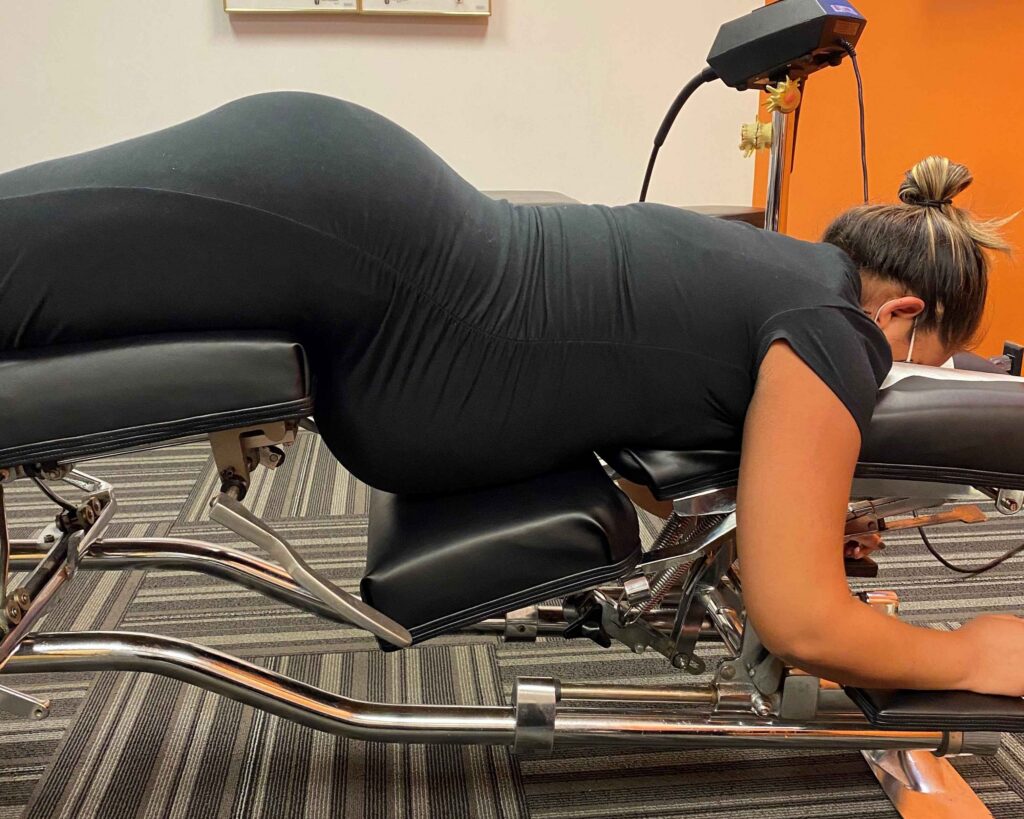
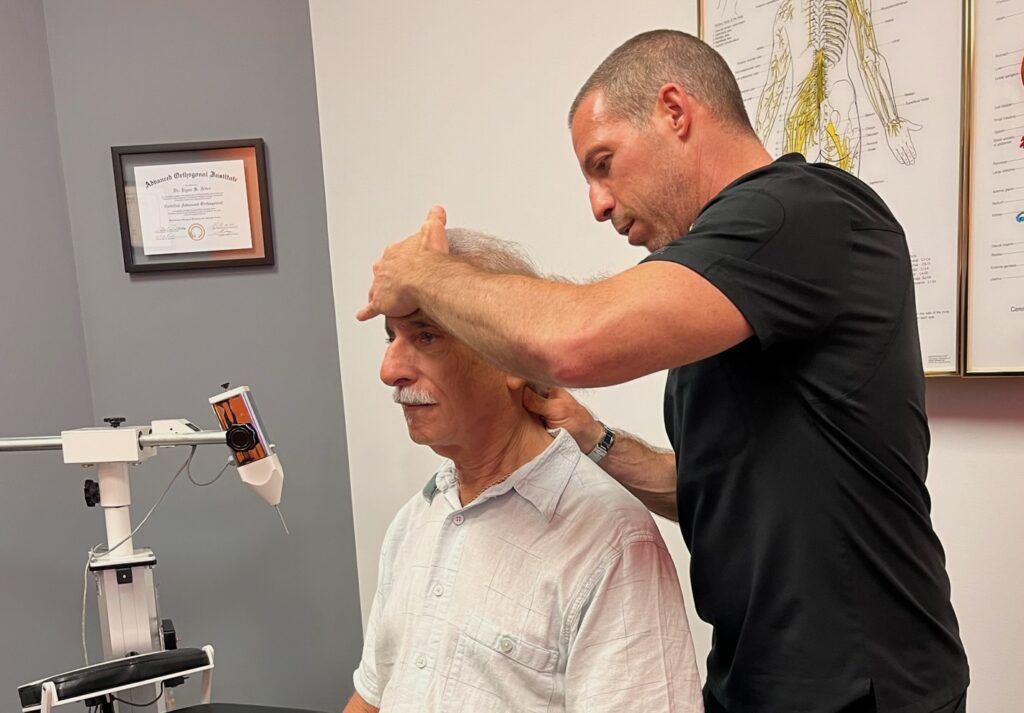
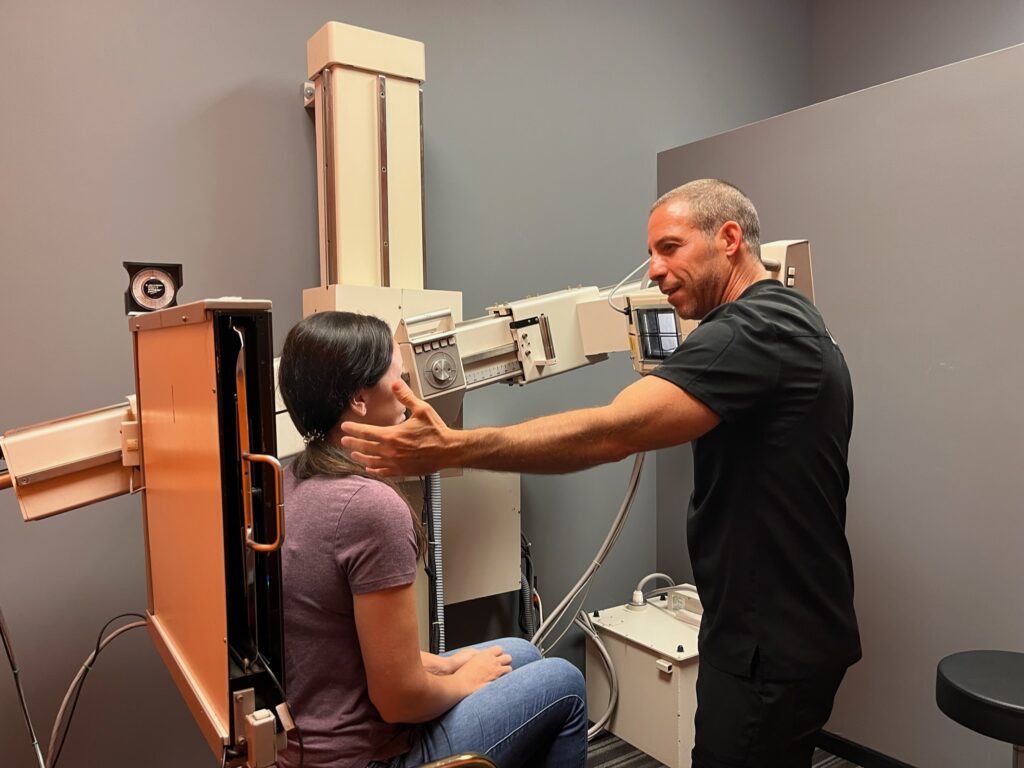
As a local chiropractor, I want to help you understand how chiropractic techniques can significantly aid in your recovery from sports injuries. Many people are unaware of the benefits that spinal adjustments and soft tissue therapies can provide. Not only do these treatments help relieve pain, but they also address the underlying causes of your injuries.
One effective method we often use is Active Release Therapy, which focuses on tight muscles that may be hindering your performance. By targeting these areas, we can help you regain strength and mobility more effectively.
It's important to remember that every individual is unique, and the best approach for your recovery will depend on your specific situation. By exploring the various chiropractic methods available, you can find the most effective path to not only recover from your injury but also to come back stronger than ever. I'm here to guide you through this process and ensure you receive the personalized care you need.
Understanding Sports Injuries
As a local chiropractor, I want to help you understand the common injuries that can occur while participating in sports and how chiropractic care can support your recovery. When you're active, injuries can happen, but knowing how to address them is key to getting back to your favorite activities safely and effectively.
There are two main types of injuries you'll encounter: acute and chronic. Acute injuries happen suddenly during physical activity, such as sprains, fractures, or strains. For example, you might twist your ankle while sprinting or pull a muscle while lifting weights. These injuries usually come with immediate symptoms like pain, swelling, and limited movement.
Chronic injuries, on the other hand, develop gradually over time due to repetitive stress on certain muscles or joints. You may not notice the injury at first, but over time, discomfort can arise and worsen if not addressed. Common chronic injuries include tendonitis and stress fractures, particularly in athletes who may not give their bodies enough time to rest and recover.
It's crucial to be aware of the signs and symptoms of these injuries. If you experience persistent pain or discomfort, it's important to seek help as soon as possible. Ignoring these warning signs can lead to more serious injuries and extended recovery periods.
As a chiropractor, I can offer techniques to help manage acute injuries, such as gentle adjustments, therapeutic exercises, and advice on proper care like rest, ice, compression, and elevation (RICE).
For chronic injuries, chiropractic care can provide valuable support through lifestyle adjustments and modifications to your training regimen. By understanding the nature of your injury, you can make informed decisions about your recovery. This knowledge empowers you to adapt your training, seek professional guidance, and return to your sport with enhanced strength and resilience.
Role of Chiropractic Care
As a local chiropractor, I want to share how chiropractic care can significantly aid in your recovery from sports injuries. Many people are unaware of how effective natural healing methods can be, and I'm here to guide you through the benefits of chiropractic treatment.
When you sustain a sports injury, it can throw a wrench into your daily routine and athletic performance. Chiropractic care focuses on not just alleviating the pain but also addressing the root causes of your injury. We employ specific techniques designed to help you regain the mobility and strength you need to get back to doing what you love.
One of the primary advantages of visiting a chiropractor is our emphasis on improving your body's biomechanics. By assessing your posture, movement patterns, and any muscle imbalances, I can create a personalized treatment plan tailored to your unique needs. This customized approach is vital not only for your recovery but also for preventing future injuries by ensuring that your body operates with proper mechanics and alignment.
In addition to spinal adjustments, chiropractic care includes various techniques such as soft tissue therapy and rehabilitation exercises. These methods work together to alleviate pain, reduce inflammation, and speed up your recovery process. By focusing on the muscles and connective tissues surrounding your injury, we can help you heal more quickly and regain optimal function.
Furthermore, I believe in empowering my patients with knowledge about injury prevention strategies and proper conditioning techniques. When you understand how to take care of your body, you're better equipped to enhance your performance and minimize the risk of re-injury. My goal is to help you take control of your health so you can continue to enjoy your favorite activities pain-free.
If you're new to chiropractic care, I invite you to explore how these natural healing methods can support your recovery and overall well-being. Together, we can work towards a healthier, more active lifestyle.
Spinal Adjustments Explained
As a local chiropractor, I want to take a moment to explain the vital role spinal adjustments can play in your recovery from sports injuries. Many people may not realize that proper spinal alignment is essential for overall function and well-being. When your spine is misaligned, it can lead to a variety of issues including pain, reduced mobility, and even hinder your athletic performance.
Through spinal adjustments, we can help restore balance and promote healing throughout your body.
Here are some key benefits of incorporating spinal adjustments into your recovery process:
- Pain Relief: Spinal adjustments can significantly alleviate discomfort by decreasing nerve irritability and relaxing tense muscles. This relief is often immediate and can help you feel more comfortable as you heal.
- Improved Range of Motion: By realigning your spine, we can enhance your flexibility and movement capabilities, which are crucial for athletes looking to perform at their best.
- Enhanced Nervous System Function: A properly aligned spine ensures optimal communication between your brain and body. This improved function can contribute to better overall performance in your sport.
- Faster Recovery: Regular spinal adjustments can accelerate the healing process, allowing you to return to your favorite activities more quickly.
During a spinal adjustment, I use gentle, controlled force to correct misalignments in your spine. This technique not only alleviates pain but also promotes better posture, which is particularly important for athletes.
It's essential to understand that recovery isn't solely about treating injuries; it also involves maintaining your body's health and functionality.
Incorporating spinal adjustments into your recovery plan can lead to significant improvements in both your performance and overall well-being. If you're dedicated to getting back in the game and achieving your goals, I encourage you to schedule an appointment with me to discuss how spinal adjustments can benefit you.
Together, we can work toward optimizing your health and helping you reach your full potential.
Soft Tissue Therapy Techniques
As a local chiropractor, I want to share the importance of soft tissue therapy techniques in your recovery from sports injuries. These methods focus on the muscles, tendons, and ligaments that may be strained or damaged, and they can be incredibly beneficial in alleviating pain, reducing tension, and improving flexibility—key components for getting you back to your active lifestyle.
One widely used technique is massage therapy, where a skilled therapist employs various strokes and pressure levels to manipulate soft tissues. This process increases blood flow, promotes healing, and helps reduce soreness.
For those dealing with chronic tension and pain, deep tissue massage can be particularly effective as it targets the deeper layers of muscle and connective tissue.
You may also come across myofascial release, which involves applying gentle, sustained pressure to the fascia—the connective tissue that surrounds your muscles. By releasing restrictions within this tissue, you can improve your range of motion and decrease discomfort, enabling you to move more freely.
Another valuable technique is trigger point therapy, which focuses on specific areas of tightness within a muscle that can cause referred pain in other parts of your body. Applying pressure to these trigger points can help alleviate pain and restore normal muscle function, allowing you to feel more comfortable.
Lastly, incorporating stretching techniques into your routine—both static and dynamic stretches—is essential. These methods help lengthen tight muscles and enhance overall flexibility, reducing your risk of future injuries.
By integrating these soft tissue therapy techniques into your recovery plan, you can't only expedite healing but also improve your performance in the long run.
As your chiropractor, my goal is to help you understand and utilize these natural healing methods to support your recovery and overall well-being.
Active Release Techniques
As your local chiropractor, I want to introduce you to an effective method we use called Active Release Techniques (ART). This approach is all about pinpointing and treating soft tissue injuries through specific movements and applied pressure.
With ART, we can effectively release tension in your muscles, tendons, and ligaments, which can significantly accelerate your healing process.
Let me explain how this treatment works. By using targeted techniques, we focus on the areas that are causing you discomfort or limiting your mobility. This not only helps alleviate pain but also promotes faster recovery from sports-related injuries.
Understanding the treatment protocols can really highlight how ART can support your journey toward better health and wellness. If you have any questions or want to learn more about how ART can specifically benefit you, feel free to ask!
Mechanism of Action
As a chiropractor, I often see athletes who deal with tightness and discomfort in their muscles and fascia, often a result of repetitive movements or injuries. One technique that I find particularly effective in addressing these issues is called Active Release Techniques (ART). This method is designed to target the mechanics of muscle and soft tissue function, focusing on the root causes of pain and restriction.
Here's a simple breakdown of how ART works:
- Tissue Breakdown: ART helps to break down scar tissue and adhesions that can form in muscles, tendons, and fascia, which often contribute to discomfort.
- Increased Blood Flow: By applying specific pressure while you move the affected muscle, ART enhances blood circulation. This increased blood flow promotes faster healing and recovery.
- Nerve Mobilization: Sometimes, nerves can become entrapped, leading to pain and restricted movement. ART works to free these nerves, alleviating discomfort and improving overall muscle function.
- Functional Movement Restoration: Through ART, we can encourage more ideal movement patterns by restoring flexibility and strength in the affected areas.
When you come in for ART, I'll assess your individual problem areas, allowing us to create a personalized treatment plan. This technique not only helps relieve your current discomfort but also plays a crucial role in preventing future injuries.
Treatment Protocols Overview
As a local chiropractor, I often get asked how to know when to integrate Active Release Techniques (ART) into a recovery plan. If you're dealing with soft tissue injuries, chronic pain, or limited movement, ART could be a transformative addition to your healing journey. This specialized technique targets specific areas of tension within your muscles, fascia, tendons, and ligaments, aiding in the restoration of your body's natural function.
During an ART session, I'll assess your condition and apply precise pressure to the affected areas while guiding you through specific movements. This blend of manual therapy and active participation is designed to break down scar tissue and adhesions, ultimately enhancing your recovery process.
ART is particularly effective for conditions such as tendonitis, muscle strains, or repetitive strain injuries, especially if you've found little relief from other treatments. Together, we'll create a personalized treatment plan tailored to your individual needs, which may involve multiple sessions over several weeks.
Integrating ART into your recovery plan not only speeds up healing but also improves your performance, helping you get back to the activities you love more quickly.
It's always a good idea to consult with me or your healthcare provider to see if ART aligns with your recovery goals.
Rehabilitation and Exercise
As a local chiropractor, I want to emphasize the importance of tailored exercise programs in your recovery from a sports injury.
It's crucial to focus on strengthening and stabilization exercises, which help rebuild your strength after an injury. Additionally, incorporating flexibility and mobility work is essential to enhance your range of motion, allowing for a smoother return to your favorite activities.
By integrating these elements into your rehabilitation process, you can effectively support your recovery in a natural and holistic way.
Chiropractic care, along with a personalized exercise routine, can facilitate healing and promote overall wellness, ensuring you're back in the game feeling better than ever.
Tailored Exercise Programs
As a local chiropractor, I want to share the importance of tailored exercise programs in your journey towards effective sports injury recovery. Many people may not realize that when you're dealing with an injury, a one-size-fits-all approach simply won't suffice. That's where personalized exercise programs come into play, specifically designed to address your individual needs and help you regain strength, flexibility, and overall functionality.
Here are some key components that highlight the benefits of these tailored exercise programs:
- Individualized Assessment: We start by evaluating your unique injury history and current physical condition. This assessment allows us to create a program that's truly specific to you.
- Specific Goals: Your recovery objectives are paramount. Whether you aim to return to a specific sport or simply want to improve your overall fitness, our programs focus on helping you achieve those goals.
- Progress Monitoring: Throughout your recovery, we regularly assess your progress. This ongoing monitoring allows us to make necessary adjustments to keep you on the right track.
- Injury Prevention: We emphasize techniques and strategies that help avoid future injuries, ensuring you maintain long-term health and wellness.
By working closely with a chiropractor or physical therapist to develop a tailored exercise program, you're not just aiding in your recovery; you're also enhancing your overall athletic performance.
This proactive approach ensures that you're not only healing but also building a solid foundation for your future activities.
I encourage you to embrace this personalized journey. With the right guidance and support, you'll soon be back to doing what you love, stronger and more resilient than ever!
Strengthening and Stabilization
Strengthening and stabilization are critical components of your rehabilitation journey after experiencing a sports injury. As a chiropractor, I want to emphasize how these elements play a vital role in restoring your body's function and helping you avoid future injuries. By incorporating targeted exercises into your recovery, you can effectively rebuild muscle strength and improve joint stability, ensuring a safe return to your favorite sport.
To begin, focus on exercises that specifically target the injured area. It's important to start gradually, increasing the intensity and resistance as your body allows. You might find bodyweight exercises or resistance bands beneficial, as they provide you with control over your movements while engaging your muscles effectively. Always prioritize proper form; maintaining the right technique is crucial for a successful recovery and to prevent further injury.
In addition to the affected area, I encourage you to incorporate exercises that engage your core and surrounding muscle groups. These exercises contribute significantly to your overall stability. Consider incorporating planks, bridges, or balance exercises that can enhance your coordination. It's also beneficial to include unilateral movements, which can help address any strength imbalances between your limbs.
As you embark on this journey of strengthening and stabilization, it's essential to listen to your body. If you experience pain or discomfort during any exercise, please modify it or consult with me. This personalized approach will help ensure that you're building a solid foundation for your return to sports while minimizing the risk of re-injury.
Flexibility and Mobility Work
As a local chiropractor, I want to emphasize the importance of incorporating flexibility and mobility work into your rehabilitation routine, especially if you're recovering from a sports injury.
These practices are vital for restoring your range of motion, preventing future injuries, and enhancing your overall performance in your chosen activities. By prioritizing flexibility and mobility, you can rebuild your confidence and function more effectively.
Here are some key benefits to consider:
- Improved Range of Motion: Enhancing your flexibility allows your joints to move freely, which can help reduce stiffness and discomfort.
- Injury Prevention: Engaging in regular mobility work can help you identify and address any imbalances in your body before they lead to injuries.
- Enhanced Performance: Increased flexibility can improve your movement efficiency, giving you an edge in your athletic performance.
- Faster Recovery: Including stretching and mobility exercises in your routine can promote healing by boosting blood flow to the affected areas.
To get started, I recommend incorporating dynamic stretches and mobility drills that are specific to your sport into your rehabilitation process.
Focus particularly on areas that were affected by your injury, and maintain consistency in your practice.
Remember, flexibility and mobility work isn't solely about recovery; it's also about laying the groundwork for long-term success in your athletic pursuits.
As your chiropractor, I'm here to support you in this journey towards holistic healing and enhanced performance.
Kinesiology Taping Benefits
As a local chiropractor, I want to introduce you to the benefits of kinesiology taping, a valuable tool that can support your recovery journey. This technique involves applying elastic therapeutic tape to specific areas of the body, promoting your body's natural healing process while providing stability without limiting your movement. It's particularly helpful for those experiencing sports injuries or muscle soreness.
One of the standout benefits of kinesiology taping is its ability to alleviate pain. The tape gently lifts the skin, which can relieve pressure on pain receptors and enhance blood circulation. As a result, you may experience a noticeable reduction in pain, enabling you to engage in rehabilitation exercises more comfortably and effectively.
Kinesiology taping also enhances proprioception, or your awareness of your body's position in space. By increasing this awareness, the tape can help you control your movements better, which is crucial in preventing further injuries as you recover.
Moreover, kinesiology tape provides essential support for your muscles and joints. It aids in maintaining proper posture and alignment during physical activities, which is vital for encouraging optimal movement patterns during your healing process.
Another great aspect of kinesiology tape is that it's water-resistant and breathable. This means you can continue with your workouts and daily activities without worrying about the tape coming off. You can stay committed to your rehabilitation routine without interruptions.
Integrating kinesiology taping into your recovery plan can lead to quicker healing and improved performance. As a non-invasive approach, it complements other chiropractic techniques I offer, helping you return to your sport stronger and more resilient.
If you have any questions or would like to learn more about how kinesiology taping can benefit you, feel free to reach out!
Preventative Strategies for Athletes
As a local chiropractor, I want to emphasize the importance of preventative strategies to help you stay active and minimize the risk of injuries. Adopting these approaches not only enhances your performance but also ensures you can enjoy your favorite activities for longer.
Here are some essential tips for maintaining your health and well-being:
– Warm-Up and Cool Down: Before engaging in any physical activity, it's crucial to warm up your muscles and joints properly. This prepares your body for exertion and helps prevent injuries.
Likewise, don't overlook the importance of cooling down afterward; it aids in recovery and helps prevent stiffness.
– Strength Training: Integrating strength training into your exercise routine is vital. Focus on building strength in the muscles that support your joints.
This not only enhances your overall performance but also significantly reduces the risk of injuries, which is something we often see in patients who may not prioritize this aspect.
– Flexibility Work: Incorporating stretching and flexibility exercises into your routine is essential for maintaining your range of motion.
Flexibility is critical for optimal performance and injury prevention, allowing your body to move freely and efficiently.
– Listen to Your Body: It's important to be attuned to your body's signals. If you experience discomfort or pain, it's essential to address these issues promptly.
Ignoring these warning signs can lead to more severe injuries, which we commonly treat in our clinic.
By incorporating these preventative strategies, you can enhance your athletic performance and protect your body from injury.
If you have any questions or need personalized advice, feel free to reach out to our office. We're here to help you achieve your health and fitness goals naturally!
Case Studies and Success Stories
As a local chiropractor, I want to share some inspiring case studies and success stories that highlight the incredible potential of chiropractic care in sports injury recovery. Many people may not realize how effective chiropractic techniques can be for athletes, both amateur and professional.
Take, for instance, an amateur runner who came to us after struggling with severe knee pain during their training. Despite trying various traditional treatments without success, they decided to give chiropractic care a chance. Through a comprehensive approach that included spinal adjustments, soft tissue therapy, and personalized rehabilitation exercises, this runner not only found relief from their pain but also improved their overall running performance.
Consider another athlete, a high school soccer player who faced recurring ankle sprains that kept them off the field. Feeling frustrated and sidelined, they sought my help as a chiropractor specializing in sports injuries. By conducting functional assessments and applying tailored manipulation techniques, we were able to address the underlying issues contributing to their injuries. Within just a few weeks, the player was back on the field, playing confidently and without the fear of reinjury.
Then there's the story of a professional swimmer who was battling shoulder pain that significantly impacted their training. After only a few sessions focused on spinal adjustments and specific stretching routines, they experienced a remarkable reduction in pain and an increase in their range of motion. As a result, the swimmer was able to return to competitive form and even set new personal records.
These stories serve to illustrate the transformative power of chiropractic care for athletes at all levels. By focusing on the root causes of injuries, chiropractic techniques can't only promote faster recovery but also enhance overall athletic performance.
If you or someone you know is dealing with a sports injury, I encourage you to consider exploring these natural healing techniques for a successful comeback. Together, we can help you get back to doing what you love!
Conclusion
As a local chiropractor, I want to share how incorporating chiropractic techniques into your sports injury recovery can truly make a difference. Many people may not be familiar with the benefits of chiropractic care, but focusing on spinal adjustments, soft tissue therapies, and personalized rehabilitation can help you not only alleviate pain but also enhance your overall athletic performance.
It's important to understand that prevention is just as crucial as recovery. I encourage you to consider strategies such as kinesiology taping, which can provide additional support and protection to help you avoid future injuries. By taking a proactive approach to your health, you can return to the activities you love quicker and stronger.
If you're curious about how chiropractic care can aid in your recovery journey, don't hesitate to reach out. I'm here to help you understand the natural healing methods available to you.