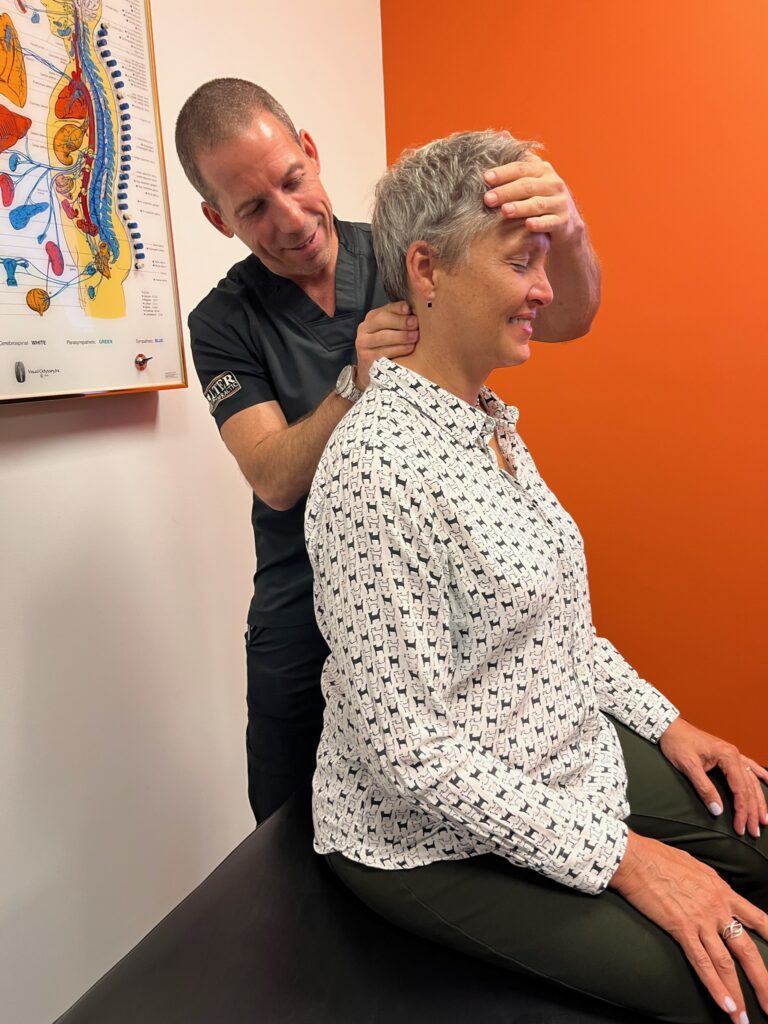

As a local chiropractor, I want to emphasize how closely your back health is linked to your overall mental well-being. Many people may not realize that when back discomfort arises, it can lead to feelings of overwhelm and stress, which only exacerbate your physical issues. Rather than ignoring these signs or resorting to temporary solutions, I encourage you to consider the profound impact that simple adjustments in your posture and movement can have on your health.
There are effective strategies for relief that can not only alleviate your physical discomfort but also enhance your mental clarity. Whether it's through specific exercises, stretches, or mindful techniques, these changes can pave the way for a healthier lifestyle. However, if you find that these strategies aren't providing the relief you need, there are additional steps you can take to reclaim your well-being.
As your chiropractor, I'm here to guide you through understanding your body and how natural healing can play a significant role in your recovery. Let's work together to find the right approach for you.
Understanding Back Health
As a local chiropractor, I want to help you understand the importance of back health and how it impacts your overall well-being. Many people tend to overlook their spine until they experience discomfort or pain. Remember, your back is the foundation of your body, enabling you to stand, sit, and move effectively. Gaining a basic understanding of back health is vital for maintaining mobility and preventing future issues.
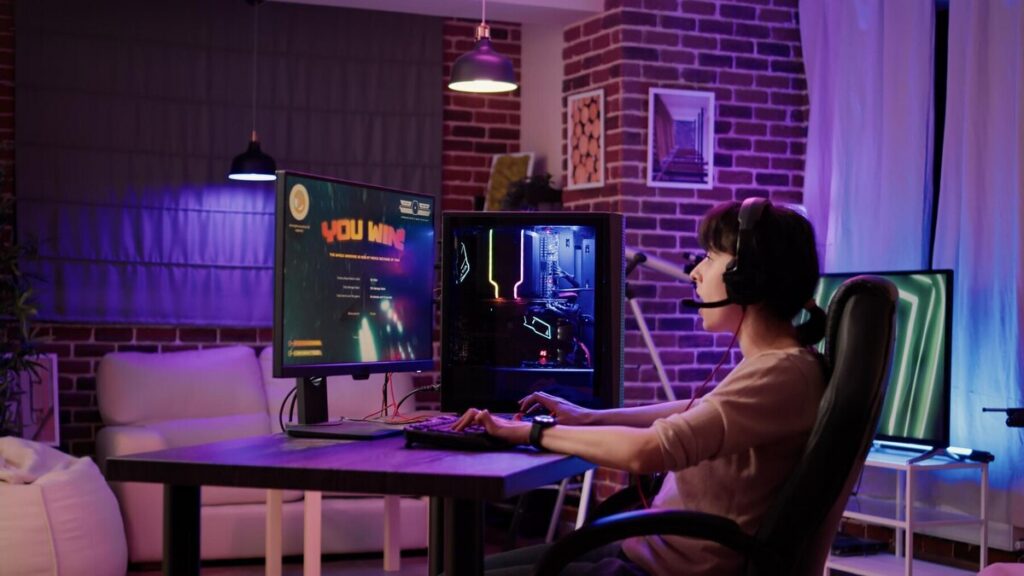
Let's start with the anatomy of your back. It consists of vertebrae, discs, muscles, and ligaments, all of which work together to support your body. I encourage you to pay attention to your posture. Slouching or sitting in uncomfortable positions can lead to strain on your back, causing discomfort over time. Make it a habit to check your alignment, especially if you spend long hours at a desk.
Next, let's talk about lifestyle choices. Regular exercise is essential for strengthening the muscles that support your spine. Activities such as swimming, walking, or yoga not only improve your flexibility but also enhance your endurance.
Additionally, don't underestimate the impact of a nutritious diet; nutrients like calcium and vitamin D are crucial for maintaining strong bones.
Lastly, it's important to listen to your body. If you find yourself experiencing persistent pain or discomfort, please don't ignore it. Early intervention is key to preventing more serious issues later on.
I encourage you to consult with a healthcare professional, like myself, who specializes in chiropractic care. I can provide personalized advice and treatment options tailored to your needs, guiding you on the path to better back health and overall wellness.
The Connection Between Body and Mind
As a chiropractor, I often emphasize the profound connection between your mind and body, a relationship that significantly impacts your overall health. Many people may not realize that when you're experiencing stress or anxiety, your body can react with tension, leading to discomfort or pain.
Similarly, physical issues can influence your mental state, creating a challenging cycle. Understanding this connection is crucial for achieving holistic well-being.
Take a moment to consider your posture. When you feel down or uncertain, you might find yourself slouching. This not only places strain on your physical health but also reinforces those negative feelings.
Conversely, standing tall with a confident posture can elevate your mood and self-esteem. It's a simple yet powerful adjustment that can positively impact your mindset.
Breathing is another essential aspect of this mind-body relationship. Shallow breaths can exacerbate feelings of anxiety, while deep, mindful breathing can help soothe your nervous system.
Incorporating practices like yoga or meditation into your routine can strengthen this connection, promoting relaxation and mental clarity.
I encourage you to pay attention to what your body is telling you. If you're feeling fatigued or experiencing soreness, it's often a sign that your mind could use a break as well.
Prioritizing self-care is vital—not just for physical recovery but for mental health too. By recognizing how your mental and physical states influence each other, you can take proactive steps to nurture both aspects of your health.
In doing so, you can create a more balanced and fulfilling life, ensuring that both your mind and body receive the care they deserve.
Common Causes of Back Pain
As a local chiropractor, I want to help you understand that back pain is often rooted in everyday habits that many people overlook.
For instance, maintaining poor posture while sitting or standing can significantly contribute to discomfort in your back. Additionally, muscle strains resulting from sudden movements or injuries can exacerbate existing issues.
It's also important to recognize that a sedentary lifestyle can weaken your back muscles, making them more vulnerable to pain.
Through chiropractic care, we can address these underlying habits and promote natural healing to enhance your overall well-being.
Let's work together to strengthen your back and improve your posture, reducing the risk of pain in the future.
Poor Posture Habits
As a local chiropractor, I often see patients who are unaware of how their daily habits, particularly poor posture, can impact their spinal health. Many individuals may not realize that slouching over a desk or hunching while using their phones can lead to significant back pain over time. When you consistently adopt these incorrect positions, you place unnecessary strain on your spine and the surrounding muscles.
Your body isn't designed to stay in awkward positions for extended periods. For instance, if you find yourself leaning forward while working, the pressure on your neck and upper back can lead to tension that radiates down your spine. Similarly, sitting with your legs crossed or without proper back support can worsen these issues, resulting in discomfort that can hinder your daily activities.
To help prevent these problems, it's essential to be mindful of your posture. I encourage you to sit up straight, keep your shoulders back, and ensure your workspace is ergonomically designed for your needs. Investing in a supportive chair and considering a standing desk can also provide a beneficial change.
Even small adjustments to your posture can make a significant difference in maintaining a healthier spine and reducing the risk of developing chronic back pain.
Muscle Strain and Injury
As a local chiropractor, I want to help you understand one of the most common causes of back pain: muscle strain. This issue can affect anyone, regardless of their fitness level or daily activities. You mightn't even realize it, but pulling or tearing a muscle can occur while you're lifting heavy objects, twisting your body unexpectedly, or even during simple tasks like bending down to tie your shoes.
When this happens, it can lead to inflammation and discomfort, making even the simplest of daily activities feel daunting.
It's crucial to be aware of the signs of a muscle strain. You may notice sudden pain, stiffness, or swelling in your back. In some cases, the pain might radiate down your legs, suggesting that the nerves could be involved. Ignoring these symptoms may worsen your condition, resulting in a longer recovery period.
To help prevent muscle strain, I recommend focusing on proper lifting techniques and incorporating warm-up exercises before you engage in any physical activities. Strengthening your core muscles is also key, as it provides better support for your back.
If you find yourself dealing with a muscle strain, resting and applying ice to the affected area can help reduce swelling. Over-the-counter pain relievers can assist with discomfort, but if the pain lingers, please seek the advice of a healthcare professional.
As your chiropractor, I emphasize the importance of taking care of your back now to avoid more significant issues in the future. By understanding your body and utilizing natural healing methods, you can enhance your overall well-being and maintain a healthy, pain-free life.
Sedentary Lifestyle Effects
As a local chiropractor, I often see patients who underestimate the impact that a sedentary lifestyle can have on their back health. Many of us spend countless hours sitting at desks or lounging on the couch, which can lead to weakened back muscles and a loss of our spine's natural alignment.
You might think that discomfort from sitting is just a minor issue, but the reality is that those extended periods in a slouched position can culminate in significant pain and discomfort over time.
Inactivity can lead to weakened core muscles, which are essential for providing the necessary support to your spine. This imbalance can result in poor posture, further exacerbating any existing back pain.
When we don't move regularly, our bodies become stiff, which can make it challenging to maintain flexibility and strength.
Additionally, you may find that tightness develops in your hips and hamstrings. This tightness can exert pressure on your lower back, leading to discomfort and strain.
To counteract these effects, it's vital to break up long periods of sitting with brief walks or stretches throughout your day. Incorporating regular activity into your routine can significantly strengthen your muscles and enhance your overall back health.
I want to emphasize that staying active is crucial for preventing back pain and maintaining a healthy spine. As a chiropractor, I encourage you to prioritize movement and explore natural healing methods that can support your body's needs.
Posture Tips for Daily Life
As a local chiropractor dedicated to your well-being, I want to emphasize the importance of maintaining a healthy back, especially in our daily routines.
One of the key steps you can take is to create an ergonomic workspace. Ensure that your chair provides adequate support for your lower back—this is crucial for preventing discomfort. Additionally, position your computer screen at eye level to avoid straining your neck and spine.
Another effective strategy is practicing mindful sitting. This means being conscious of your posture throughout the day. By doing so, you can significantly improve your spinal health and reduce the risk of pain.
Ergonomic Desk Setup
As a chiropractor, I want to emphasize how an ergonomic desk setup can greatly enhance your comfort and productivity throughout the day. The way you position your workspace can significantly impact your spinal health and overall well-being.
Begin by adjusting your chair so that your feet rest flat on the floor, or utilize a footrest if necessary. It's crucial that your knees are at, or slightly below, hip level to maintain proper alignment. Make sure to adjust your chair's back support to follow the natural curve of your spine. This support is vital for promoting good posture and reducing the risk of back pain.
Next, focus on your desk height. Your elbows should be at a 90-degree angle while typing, allowing your wrists to remain straight and free from strain. Position your monitor at eye level, about an arm's length away, to avoid unnecessary neck strain. If you're using a laptop, I highly recommend investing in an external keyboard and mouse to help maintain proper alignment of your arms and wrists.
Don't overlook the importance of lighting in your workspace. Arrange your screen to minimize glare and use sufficient task lighting to reduce eye strain.
Lastly, keep commonly used items within arm's reach to prevent any awkward stretching or twisting, which can lead to discomfort.
Mindful Sitting Practices
As a local chiropractor, I want to emphasize the importance of mindful sitting practices in addition to creating an ergonomic desk setup. While a properly arranged workspace is essential, it's equally important to be aware of how you sit throughout your day to truly support your spine and overall well-being.
Start by consciously aligning your spine. Sit with your back straight and shoulders relaxed, ensuring that your ears are aligned with your shoulders. Your feet should rest flat on the ground, or on a footrest if needed. This alignment helps prevent unnecessary strain on your back and promotes better posture.
I recommend setting a timer to remind yourself to check your posture every hour. When you sit, gently engage your core muscles to provide stability without tensing up. This practice can significantly reduce the tendency to slouch, which can lead to discomfort and long-term issues.
Choosing the right chair is also important. If your chair doesn't support your lower back, consider using a cushion or lumbar roll to fill that gap. Additionally, be mindful of your screen height; it should be at eye level. This helps prevent neck strain from craning your head forward.
Finally, don't underestimate the power of taking breaks. Stand up, stretch, or walk around regularly. These small changes can greatly reduce discomfort and enhance your focus, contributing to a more productive day.
Stretching and Strengthening Exercises
As a local chiropractor, I want to emphasize the importance of flexibility and strength for maintaining a healthy back. Incorporating specific stretching and strengthening exercises into your routine can greatly enhance your spinal health, which in turn can improve your posture, alleviate pain, and boost your overall mobility.
To get started, I recommend beginning with gentle stretches such as the cat-cow stretch. Position yourself on all fours, and as you inhale, arch your back upwards, then as you exhale, dip it downwards. This simple movement can help increase flexibility in your spine and relieve any built-up tension.
Another beneficial stretch is the seated forward bend. While sitting, reach toward your toes while ensuring your back remains straight. This stretch not only elongates your spine but also improves the flexibility of your hamstrings.
When it comes to strengthening your back, two of the most effective exercises are bridges and planks. For the bridge exercise, lie on your back with your knees bent and feet flat on the floor. Lift your hips toward the ceiling while squeezing your glutes at the top of the movement. Hold this position for a few seconds before lowering back down. This exercise is fantastic for strengthening your lower back and glutes.
For core strength, planks are unbeatable. Start in a push-up position, but rest on your forearms instead of your hands. Make sure to keep your body straight and engage your core as you hold this position for as long as possible.
Integrating these stretching and strengthening exercises into your daily routine can provide crucial support for your back and help prevent discomfort. Making these exercises a habit can lead to noticeable improvements in your overall spinal health.
If you have any questions or need guidance on how to perform these exercises correctly, don't hesitate to reach out. Your journey to better spinal health starts here!
Stress Relief Techniques
As a local chiropractor, I want to emphasize the importance of maintaining a healthy back while effectively managing stress. Many people may not realize that stress can significantly contribute to muscle tension in the back. To support both your mental and physical well-being, it's essential to adopt natural stress relief techniques.
One of the simplest yet most effective methods is deep breathing. I encourage you to take a few moments each day to focus on your breath. Inhale deeply through your nose, hold it for a few seconds, and then exhale slowly through your mouth. This practice calms your nervous system and helps release tension in your back, making it a great complement to your chiropractic care.
Mindfulness meditation is another technique you might find beneficial. Setting aside time to sit quietly and observe your thoughts and feelings without judgment can enhance your awareness of stressors. This awareness helps you manage your reactions and fosters a greater sense of peace, which is crucial for overall health.
Incorporating physical activity into your routine is also vital for stress relief. Regular exercise, even something as simple as a brisk walk, can work wonders. Physical movement releases endorphins, the body's natural mood lifters, which can help reduce anxiety and improve your overall outlook. I recommend aiming for at least 30 minutes of activity most days to support both your mental and physical health.
Additionally, practices like yoga or tai chi can be incredibly beneficial. These activities combine movement, breath, and meditation, promoting flexibility and relaxation while alleviating tension in your back. As your chiropractor, I can help guide you towards specific movements that complement your treatment plan.
Lastly, never underestimate the value of social connections. Spending time with friends and family, sharing your feelings, and engaging in enjoyable activities can provide essential emotional support and help alleviate stress. Building strong relationships is a fundamental aspect of maintaining not just a healthy back, but a healthy mind as well.
When to Seek Professional Help
As a local chiropractor, I want to emphasize the importance of knowing when to seek professional help for back pain or stress-related issues. Understanding this can significantly enhance your recovery and overall well-being. If you're experiencing persistent pain that doesn't improve with self-care strategies, it may be time to visit a chiropractor. Ignoring your pain or hoping it will resolve on its own can lead to more severe conditions and extended recovery times.
Be mindful of any new symptoms that may arise, such as numbness, tingling, or weakness in your legs. These could be indicators of a more serious underlying issue that requires immediate attention and intervention through chiropractic care.
Additionally, if stress is starting to impact your daily life—making it difficult to concentrate, sleep, or enjoy activities—I encourage you to seek support. Mental health is just as crucial as physical health, and chiropractic care can play a role in managing stress.
When pain begins to interfere with your daily activities or work, it's essential to seek help. Don't wait for the pain to become unbearable; early chiropractic intervention can help prevent complications and support a faster recovery. If you find yourself frequently relying on over-the-counter pain relief, it's a signal to consult with a chiropractic professional who can offer natural and effective solutions.
Trusting your instincts is vital. If something feels off or if you're struggling to manage stress or pain effectively, please don't hesitate to reach out for guidance. Remember, asking for help is a sign of strength, not weakness.
Conclusion
As a local chiropractor, I want to emphasize the importance of taking care of your back for both your physical and mental health. Many people may not realize that maintaining good posture, engaging in regular movement, and practicing stress relief techniques can significantly reduce discomfort and alleviate unnecessary anxiety.
It's essential to understand that your spine plays a crucial role in your overall well-being. By prioritizing its health, you can enhance not just your physical comfort but also your mental clarity. Remember, seeking professional help is always a wise choice if you're experiencing persistent issues.
I encourage you to embrace these strategies in your daily routine. By doing so, you'll not only find relief and support for your back but also achieve a healthier balance in life. Your body and mind will truly thank you for making these positive changes!