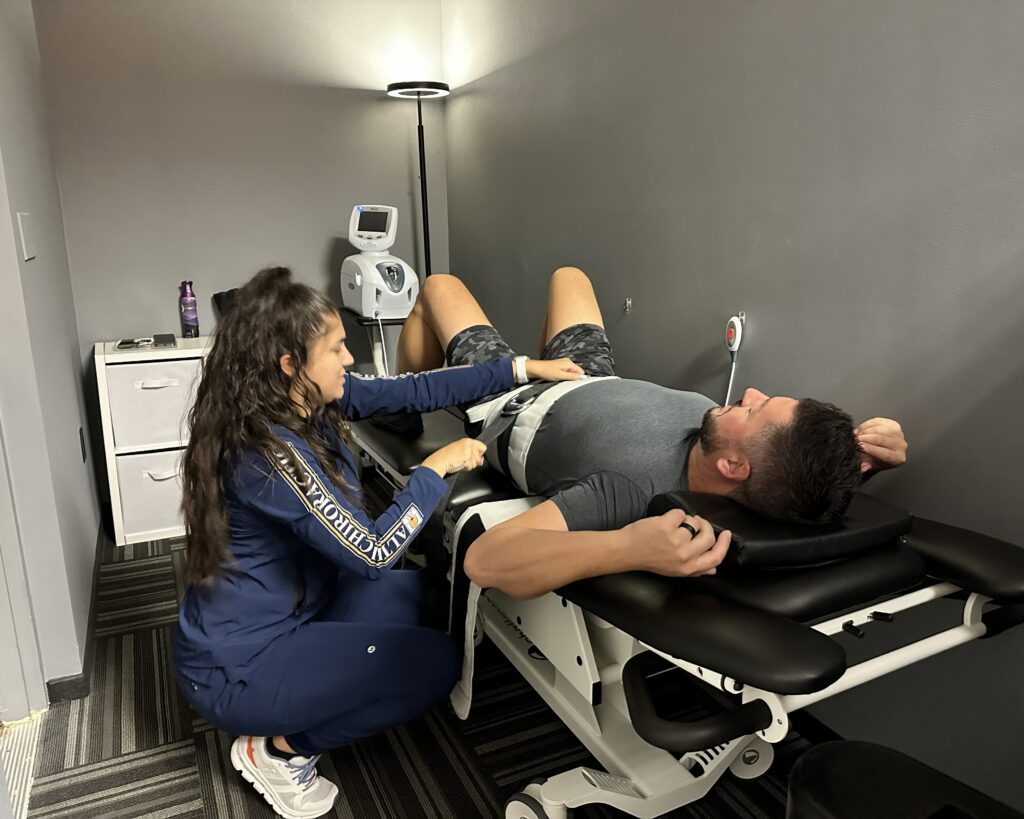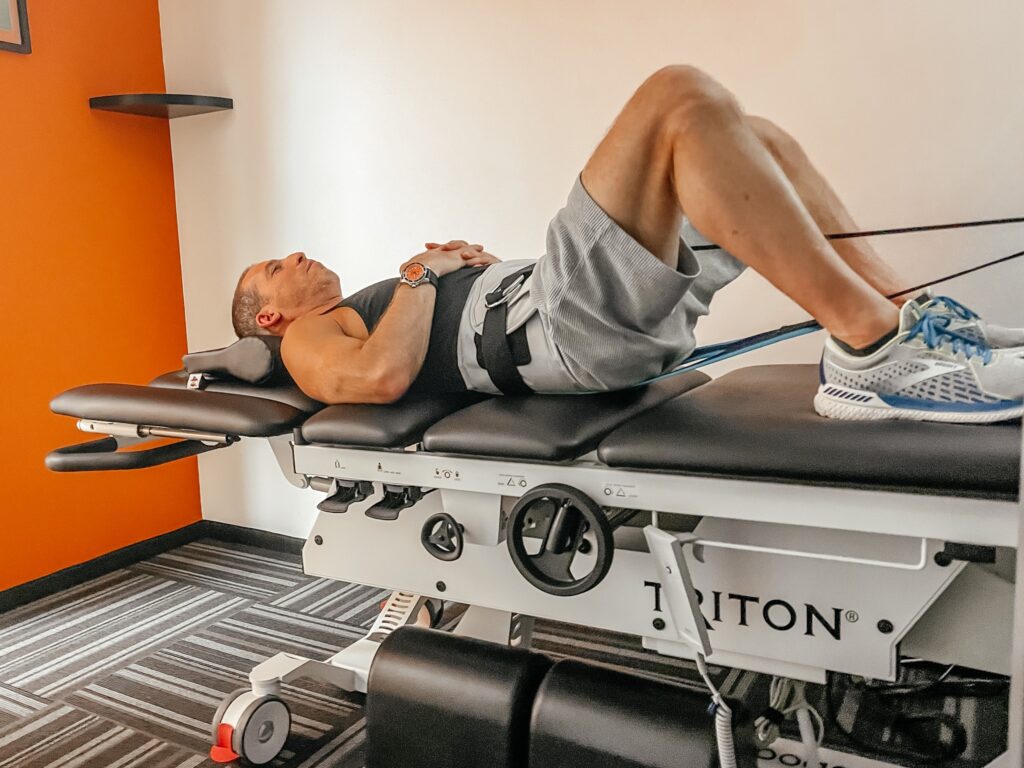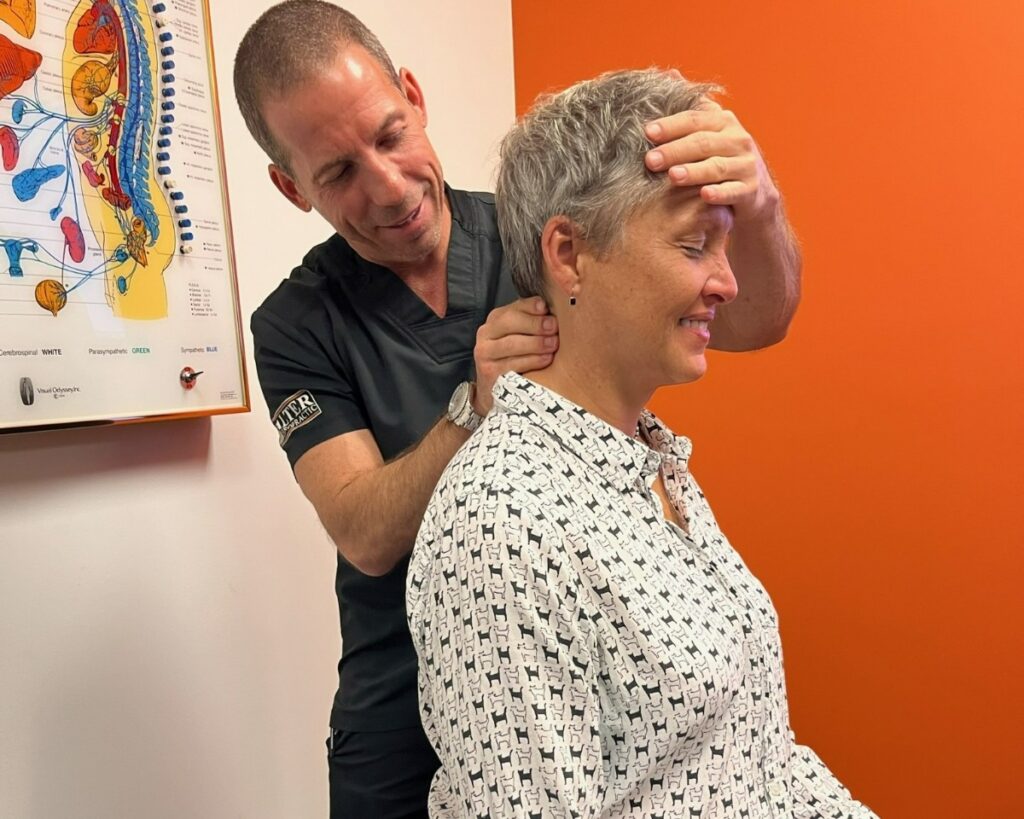

As a local chiropractor, I understand that chronic pain can often feel overwhelming, and many people find that traditional treatments don't always provide the relief they seek. It's important to consider not just standard medical approaches, but also the benefits of holistic therapies and innovative techniques that we offer in chiropractic care. By diving deep into the intricacies of your pain, we can work together to create a personalized treatment plan. This may include spinal adjustments, lifestyle modifications, and complementary therapies like massage or nutritional guidance. You might be surprised at how these natural healing methods can significantly enhance your quality of life. The solution to your pain may be closer than you think, and I'm here to help you uncover it.
Understanding Chronic Pain
Chronic pain can often feel like an unwelcome visitor that disrupts your daily life and overall well-being. As a local chiropractor, I understand how challenging it can be to identify the root cause of your discomfort. This uncertainty can lead to frustration and a sense of helplessness.
It's important to recognize that chronic pain isn't just a physical issue; it's deeply connected to emotional and psychological factors, making it a multifaceted challenge.
Many people experience chronic pain due to various conditions, such as arthritis, fibromyalgia, or previous injuries that didn't heal properly. Unlike acute pain, which signals that something is wrong in your body, chronic pain lingers beyond the normal healing timeframe, often lasting for months or even years.
This persistent discomfort can lead to feelings of anxiety and depression, further complicating the situation.
Understanding the nature of chronic pain is crucial for your journey to relief. It's essential to acknowledge that your pain is real and valid, regardless of its source or how others may perceive it.
In my practice, I often see patients whose daily activities become limited due to their pain, creating a cycle of inactivity that can worsen their condition.
I encourage you to pay attention to both your body and your emotions. Keeping a pain diary can be a valuable tool for tracking your triggers, symptoms, and emotional states.
This information can empower you in discussions with me and other healthcare professionals, allowing us to better understand your unique experience.
Conventional Treatment Options
When it comes to finding relief from chronic pain, many individuals often explore various treatment options, and I want to share how chiropractic care can be an effective part of your management plan. Unlike conventional treatments, which may focus heavily on medications and invasive procedures, chiropractic care emphasizes natural healing and restoring balance to the body.
One of the first steps in chiropractic treatment is a thorough assessment to understand your specific pain points and overall health. Many patients find relief through spinal adjustments, which can help realign the spine and improve nervous system function, leading to reduced pain and enhanced mobility. These adjustments are non-invasive and can be highly effective for conditions ranging from back pain to migraines.
In addition to spinal adjustments, I often recommend complementary therapies, such as exercise and stretching routines. A personalized program can strengthen your muscles and improve flexibility, which is vital for long-term pain relief. We can work together to develop strategies that incorporate safe movements to alleviate your discomfort and promote overall wellness.
Lifestyle changes are also crucial in managing chronic pain, and I encourage my patients to embrace a holistic approach. This means prioritizing regular physical activity, adopting a nutritious diet, and ensuring you get adequate rest. Techniques such as mindfulness, yoga, and meditation can also be beneficial in reducing stress, which often contributes to pain flare-ups.
Furthermore, I believe in addressing the emotional components of chronic pain. Through discussions and supportive counseling, we can explore how your mindset influences your pain experience. Techniques derived from cognitive-behavioral therapy (CBT) can be effective in helping you develop coping strategies and shift your perspective, making it easier to manage discomfort.
Ultimately, my goal as a chiropractor is to empower you with knowledge and tools to take control of your health naturally. By considering chiropractic care and incorporating these complementary strategies, you can find a path to improved quality of life and well-being.
Innovative Therapies and Technologies
As your local chiropractor, I want to share with you some exciting developments in pain management that go beyond traditional methods. Many of my patients come to me seeking relief from chronic pain, and I often recommend exploring innovative therapies and technologies that can complement chiropractic care and support your journey to wellness.
One area gaining traction is neuromodulation, which uses electrical stimulation to adjust nerve activity. For instance, spinal cord stimulators can effectively interrupt pain signals before they reach your brain, offering significant relief for some individuals.
Another fascinating advancement is virtual reality (VR) therapy. This technology immerses you in a controlled environment, providing a distraction from pain while promoting relaxation and reducing anxiety. Many patients have found that engaging in these immersive experiences can lead to noticeable reductions in their pain levels.
Wearable technology is also making waves in the health and wellness community. Devices like smartwatches and fitness trackers can help you monitor your activity levels, sleep patterns, and even pain levels. By identifying triggers and patterns, you can manage your condition more effectively. Some of these devices even offer biofeedback, empowering you to learn how to control certain physiological processes that influence your perception of pain.
Incorporating regenerative medicine techniques, such as platelet-rich plasma (PRP) therapy and stem cell injections, can also be beneficial. These approaches aim to promote healing in damaged tissues, potentially reducing pain over time and improving your overall function.
Lastly, I want to highlight the convenience of telehealth services, which have transformed how patients access pain management solutions. With virtual consultations, you can connect with specialists from the comfort of your home, making it easier to explore innovative therapies that are tailored to your specific needs.
Holistic Approaches to Pain Relief
As a local chiropractor, I want to share with you the benefits of holistic approaches to pain relief that focus on treating the whole person—mind, body, and spirit—rather than just masking symptoms. Many patients have found significant relief through methods that promote overall wellness.
One such method is chiropractic care, which involves adjusting the spine and other joints to improve alignment. This can help alleviate pain by restoring proper function to the nervous system and enhancing the body's natural healing abilities. Regular chiropractic adjustments may also boost your overall well-being by improving mobility and reducing tension.
Acupuncture is another practice that some of my patients have explored. It involves inserting fine needles into specific points on the body, which can help promote energy flow and relaxation, leading to pain relief.
Massage therapy is a fantastic complement to chiropractic care. It not only helps to ease muscle tension but also improves circulation and can facilitate emotional release. Incorporating regular massage sessions into your wellness routine may contribute to lasting relief from chronic pain.
Mindfulness and meditation are also powerful tools in pain management. Practicing mindfulness helps you stay grounded in the present moment, reducing anxiety and stress that can worsen pain. Meditation techniques can foster a deeper awareness of your body, enabling you to respond more effectively to discomfort.
Don't overlook the potential of herbal remedies. Natural supplements like turmeric and ginger have been shown to possess anti-inflammatory properties that may help ease pain. However, it's crucial to consult with a healthcare professional before starting any new supplement to ensure it aligns with your health needs.
Additionally, consider engaging in practices such as yoga or tai chi. Both of these activities incorporate gentle movement, breathing exercises, and mindfulness, creating a sense of balance and calm.
Lifestyle Changes for Management
As a local chiropractor, I want to emphasize the profound impact that proactive lifestyle changes can have on managing chronic pain. One of the most effective steps you can take is to incorporate regular physical activity into your daily routine. Gentle exercises such as walking, swimming, or yoga not only enhance your flexibility and strength but also contribute to your overall well-being. Aim for at least 30 minutes of moderate exercise most days, but always listen to your body and modify your activities as necessary.
Next, let's talk about the importance of nutrition. A balanced diet rich in whole foods—including plenty of fruits, vegetables, lean proteins, and healthy fats—can play a significant role in reducing inflammation and promoting healing. Foods that are high in omega-3 fatty acids and antioxidants are especially beneficial.
Don't forget hydration; staying well-hydrated is crucial since dehydration can worsen pain levels.
Sleep is another critical factor in managing pain. Establishing a consistent sleep routine and creating a calming bedtime environment can significantly improve your sleep quality. Aim for 7-9 hours of restorative sleep each night, as inadequate sleep can increase pain sensitivity.
Moreover, managing stress is vital in coping with chronic pain. Techniques such as mindfulness, meditation, and deep-breathing exercises can be very effective in lowering stress levels. Engaging in hobbies or spending quality time with family and friends can also provide emotional support and serve as a valuable distraction from pain.
Lastly, I encourage you to consult with a healthcare professional, like myself, for personalized guidance on lifestyle changes that can support your journey towards better pain management. Together, we can create a tailored plan that addresses your specific needs and goals.
Conclusion
As your local chiropractor, I want to share some insights on how to effectively manage chronic pain. It's essential to adopt a holistic approach that combines traditional medical treatments with innovative therapies and natural healing practices. Chiropractic care is a key player in this journey, as it focuses on enhancing your body's natural ability to heal itself.
Don't overlook the impact of lifestyle changes—incorporating regular physical activity, maintaining a nutritious diet, and practicing stress-relief techniques can significantly improve your overall well-being. We can work together to create a personalized plan that addresses your unique needs, empowering you to take control of your pain.
Remember, you are not alone in this process. I encourage you to ask questions and seek guidance as we explore the diverse options available to enhance your quality of life. Together, we can find solutions that resonate with you and support your path to recovery.