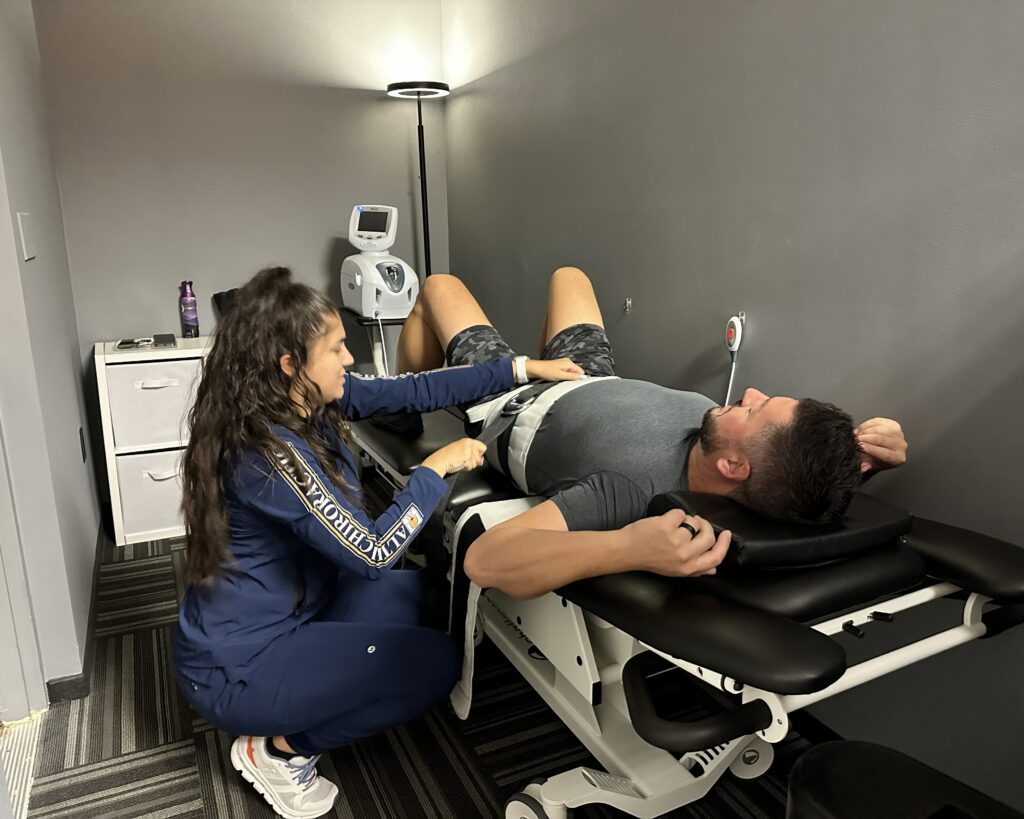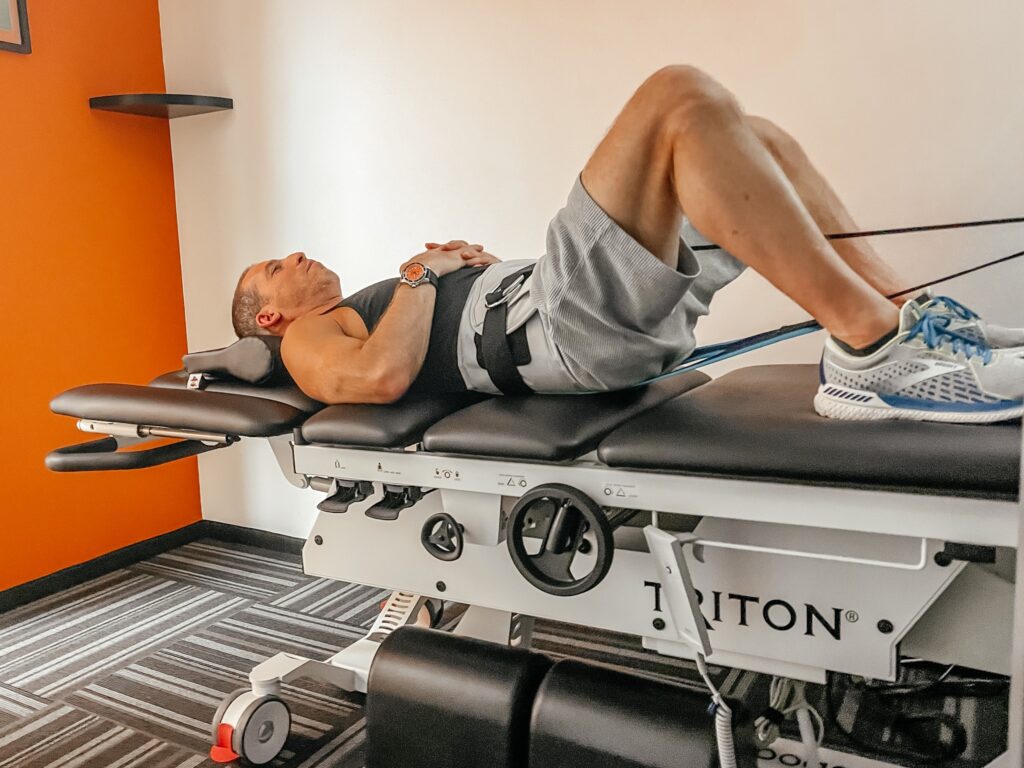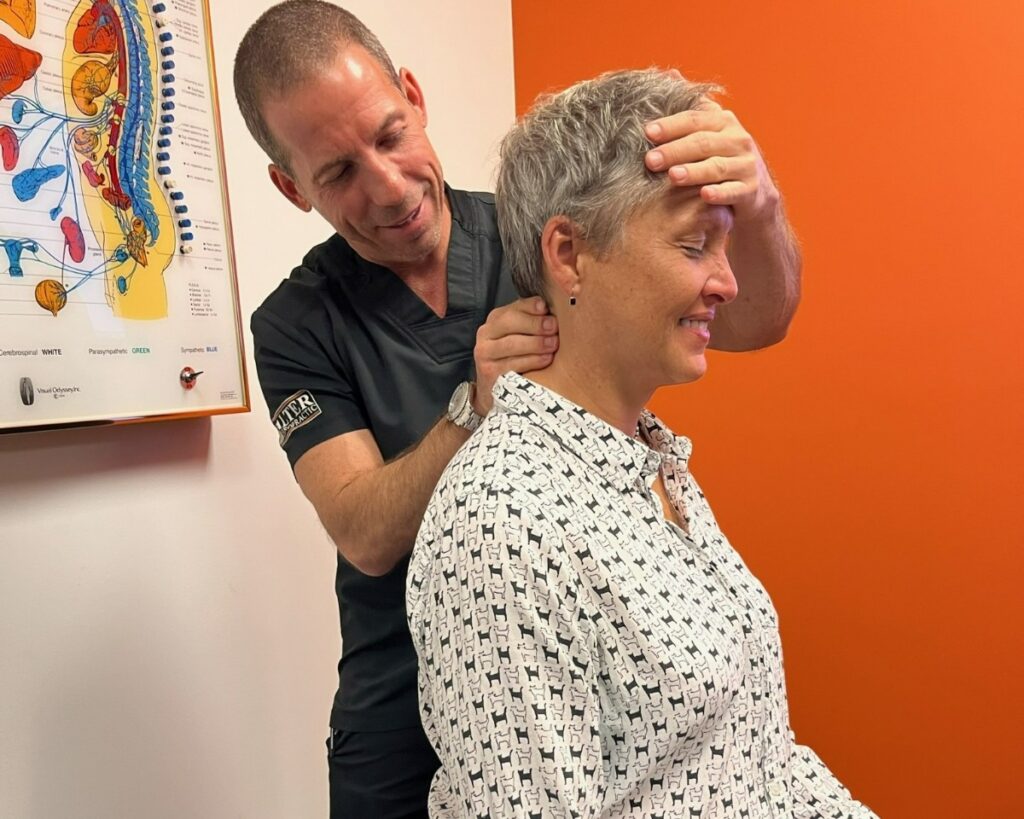

As a local chiropractor, I want to share with you the significant role that chiropractic care can play in your recovery from sports injuries. Many people are unaware that adjustments, when combined with personalized exercises and mindfulness practices, can significantly enhance the healing process. Recovery is not solely about physical healing; it also involves building mental resilience.
So, how can we create a comprehensive recovery plan that addresses both your physical and mental well-being, paving the way for future success? Let’s take a closer look at the essential components that can help you on your journey to recovery. Together, we can develop a strategy that not only alleviates your pain but also empowers you to regain your strength and confidence in your body.
Understanding the Importance of Recovery
As a local chiropractor, I understand that when you’re sidelined by a sports injury, it can be tempting to rush back to the game. However, it’s crucial to recognize the importance of recovery in the healing process. Many people underestimate how vital this phase is, not only for physical health but also for mental well-being.
Recovery isn’t merely about taking a break; it’s an opportunity to heal both your body and mind. Each injury is unique and requires specific time and attention. Ignoring this essential recovery period can lead to more significant issues down the line.
As you embark on your healing journey, it’s important to listen to your body and take the advice of your healthcare professionals seriously. This is where chiropractic care can play a vital role; we focus on restoring proper alignment and function, which can enhance your recovery.
Incorporating rehabilitation exercises into your routine is crucial for regaining strength and flexibility. These exercises, often guided by your chiropractor, are designed to support your healing process.
Additionally, staying mentally engaged during this time can be beneficial. Use this opportunity to deepen your understanding of your sport, work on strategies, or even enhance your nutrition.
Remember, a comprehensive recovery phase not only helps you return to play but also significantly lowers the risk of re-injury in the future. By prioritizing your recovery and considering chiropractic care, you’ll be setting yourself up to come back stronger and more resilient than ever.
Let’s work together to ensure your healing journey is successful.
Tailoring Training Regimens for Injury Prevention
As a local chiropractor, I want to emphasize the importance of reassessing your training regimen after recovering from an injury. This is the perfect opportunity to focus on adjustments that prioritize injury prevention and overall well-being.
First, take a moment to evaluate your current workout routine. It’s essential to identify any movements that might’ve contributed to your injury. This step is crucial for understanding how to prevent future issues.
We often recommend incorporating exercises that specifically strengthen the muscles around the injured area. This won’t only enhance stability and support but also aid in your recovery.
Flexibility and mobility play a significant role in your training. Engaging in activities that improve your range of motion can greatly reduce the risk of future injuries.
I often suggest cross-training to help avoid overuse of specific muscle groups—consider adding low-impact activities like swimming or cycling into your routine.
Setting realistic goals is key. Gradually increasing your workload allows your body to adapt without the risk of re-injury.
Remember, rest days are just as important as your training days. Recovery is a vital component of any fitness journey.
By tailoring your regimen in these ways, you’re not only supporting your current recovery but also building a foundation for your future athletic endeavors.
If you have any concerns or questions about how chiropractic care can further support your recovery and training, please don’t hesitate to reach out. Your health is our priority!
The Role of Nutrition in Healing
As a local chiropractor, I want to emphasize the critical role nutrition plays in your healing process. Many people don’t realize that the right foods can significantly influence your recovery time and overall well-being. A balanced diet, rich in essential vitamins, minerals, and proteins, is crucial for optimal healing.
For instance, protein is vital for repairing tissues, while vitamins like C and D are key players in supporting immune function and promoting bone health.
Incorporating nutritious foods such as lean meats, fish, nuts, seeds, fruits, and a variety of vegetables into your diet will provide your body with the necessary nutrients it needs for effective recovery. Omega-3 fatty acids, found in fish and flaxseeds, are particularly beneficial as they can help reduce inflammation and enhance the healing process.
Don’t overlook hydration either; drinking enough water is essential as it aids in the transport of nutrients and facilitates recovery. I encourage you to steer clear of processed foods and excessive sugar, as these can impede your healing journey.
It’s important to listen to your body and adjust your diet according to your specific needs. With the right nutritional choices, you can optimize your recovery and return to your favorite activities more swiftly.
Incorporating Active Recovery Techniques
As a local chiropractor, I want to emphasize the importance of active recovery techniques in your injury recovery journey. Many people may not realize the significant impact gentle movement can have. By incorporating these techniques into your routine, you can enhance circulation and alleviate muscle stiffness, which is crucial for healing.
Let’s take a closer look at the benefits of active recovery. Engaging in light, controlled movements helps your body to repair itself more efficiently. It encourages blood flow to the affected areas, delivering essential nutrients and oxygen that promote healing.
Plus, maintaining mobility can prevent stiffness and improve your overall range of motion.
There are several effective techniques you can try. Simple activities like walking, stretching, or even yoga can be incredibly beneficial. These movements should be gentle and tailored to your comfort level, ensuring they support rather than strain your body.
Timing is also important when it comes to active recovery. Ideally, you should incorporate these sessions shortly after your injury, as well as during your rehabilitation process. Regular, light activity can make a noticeable difference in how quickly you recover.
I encourage you to explore these active recovery techniques as part of your healing process. It’s a natural way to support your body, and as your chiropractor, I’m here to guide you every step of the way.
Together, we can work towards a full recovery and improved overall well-being.
Benefits of Active Recovery
As a local chiropractor, I want to emphasize the importance of active recovery when it comes to healing from an injury. While it might be tempting to completely rest, engaging in low-intensity activities can significantly improve your rehabilitation process. These gentle movements promote blood circulation, which is essential for delivering nutrients to the injured areas of your body, aiding in the healing process.
Incorporating active recovery techniques can also help reduce muscle stiffness, making it easier for you to regain mobility as you recover. Beyond the physical benefits, staying active can elevate your mood and motivation, providing a much-needed mental break from focusing solely on your injury.
Moreover, active recovery plays a crucial role in preventing deconditioning, enabling you to maintain your fitness levels while you heal. It’s important to listen to your body throughout this process; tailoring your activities to your current condition is key.
Techniques for Active Recovery
As your local chiropractor, I want to share some effective ways to incorporate active recovery techniques into your rehabilitation routine. One of the best approaches is to engage in low-intensity activities such as walking, swimming, or cycling. These exercises promote blood flow to your muscles without adding excessive strain to the areas that might be injured.
In addition to these activities, dynamic stretching is essential. It helps improve your flexibility and mobility, allowing your muscles to recover while still being active. I also recommend foam rolling, which can relieve muscle tension and enhance circulation—two crucial components of the healing process.
Exploring practices like yoga or tai chi can be incredibly beneficial as well. These activities not only promote relaxation but also encourage mindfulness, further supporting your recovery journey.
It’s important to listen to your body as you engage in these exercises; adjust the intensity based on how you’re feeling that day.
Remember, the goal of active recovery is to encourage healing while maintaining that connection to your athletic routine. It should feel invigorating rather than exhausting, so find activities that you enjoy!
Timing Active Recovery Sessions
Timing your active recovery sessions is essential for enhancing your healing process and getting you back to your activities sooner. As a chiropractor, I often advise my patients to engage in these sessions within 24 to 48 hours following an injury. This timeframe is crucial because it allows your body to initiate the healing process while simultaneously promoting blood circulation and alleviating stiffness.
It’s important to pay attention to how your body feels. If you notice fatigue or pain, don’t hesitate to adjust the timing of your recovery sessions. Additionally, consider your overall training routine. Scheduling your active recovery on lighter workout days or following intense training sessions can significantly aid in muscle recovery.
Incorporating low-impact activities, such as swimming or cycling, can also be beneficial. These exercises keep your body active without pushing it too hard.
Mental Strategies for Overcoming Injuries
As a local chiropractor, I want to emphasize the importance of mental resilience when it comes to recovering from sports injuries. Your mindset plays a crucial role in your healing journey, and adopting certain mental strategies can greatly enhance your recovery process.
Here are three effective approaches to consider:
- Visualize Your Recovery: Imagine yourself fully healed and engaging in your favorite sports activities. Visualization is a powerful tool that can increase your confidence and motivation, making the path to recovery feel more achievable. When you see yourself at your best, you’re more likely to work towards that goal.
- Set Achievable Milestones: It’s important to break down your recovery into smaller, realistic goals. Celebrate each milestone you meet, no matter how small. This not only keeps you focused but also boosts your morale during the rehabilitation process. As your chiropractor, I can help you establish these goals based on your specific needs.
- Incorporate Mindfulness Practices: Engaging in mindfulness techniques, such as meditation or deep breathing, can significantly reduce anxiety and stress related to your injury. Staying present in the moment can help you appreciate the healing journey and maintain a positive outlook. Together, we can explore ways to incorporate mindfulness into your daily routine.
By adopting these mental strategies alongside chiropractic care, you can support your body’s natural healing processes and enhance your overall recovery experience.
Utilizing Technology for Injury Management
As a local chiropractor, I want to emphasize how technology can significantly enhance your recovery from sports injuries.
In our practice, we often recommend wearable recovery devices and mobile health applications that help you monitor your progress closely. These innovative tools not only support your healing process but also empower you to take an active role in your recovery journey.
Understanding how to utilize these technologies can make a big difference in your overall health and wellness. By combining chiropractic care with these modern resources, you can optimize your healing and return to your favorite activities more effectively.
Wearable Recovery Devices
As your local chiropractor, I want to share how wearable recovery devices are transforming the way we approach injury management and rehabilitation.
These innovative gadgets are designed to provide real-time insights into your body, enabling you to monitor your recovery process more effectively. By integrating these devices into your routine, you can’t only support your healing journey but also enhance your overall performance.
Here are three significant advantages of using wearable recovery devices:
- Continuous Monitoring: These devices track vital signs and movements, giving you valuable information about how your body is responding during your rehabilitation. This can help you and me assess your progress more accurately.
- Personalized Feedback: With the data collected, you can receive customized insights that allow us to adjust your recovery strategies. This means we can tailor your chiropractic care to better suit your individual needs.
- Motivation and Accountability: Seeing your progress visually can serve as a powerful motivator, encouraging you to stay committed to your recovery plan. It helps keep you engaged in your healing process.
I encourage you to embrace this technology as part of your journey towards natural healing and injury management.
Together, we can work towards getting you back to your active lifestyle more quickly and effectively!
Mobile Health Applications
As a local chiropractor, I want to share how mobile health applications are transforming the way we manage injuries and support recovery. These apps bring essential tools directly to your smartphone, making it easier than ever to take charge of your healing journey.
With features like injury tracking and personalized rehabilitation plans, you can tailor your recovery process to suit your specific needs. You can set reminders for your exercises, keep tabs on your progress, and even receive real-time feedback, which helps maintain your motivation and ensures you’re on the right path.
Many of these applications also foster a sense of community by connecting you with others who are navigating similar challenges. This social support can significantly uplift your spirits during the recovery process.
Furthermore, you have the option to share your health data with me or other healthcare professionals, creating a collaborative approach to your care.
By embracing these innovative tools, you can enhance your injury management and speed up your recovery, allowing you to return to your daily activities and peak performance more effectively.
The Benefits of Professional Rehabilitation
As a local chiropractor dedicated to your well-being, I want to emphasize the importance of professional rehabilitation when recovering from a sports injury. Engaging in a personalized rehabilitation program can significantly enhance your healing journey, ensuring that you regain strength and mobility in a safe manner.
Here are three key benefits of working with a chiropractor during your recovery:
- Expert Guidance: As a trained professional, I provide individualized treatment plans tailored to your specific injury and needs. I understand the intricacies of your body and can guide you on the most effective methods to promote healing and restore function.
- Motivation and Support: The road to recovery can be tough, but having a chiropractor by your side can make a world of difference. I’ll not only keep you motivated but also provide the encouragement you need to stay committed to your rehabilitation process.
- Preventing Re-injury: One of the key aspects of chiropractic care is teaching you the proper techniques to strengthen your body, which can significantly reduce the risk of future injuries. I’ll introduce you to essential exercises and practices that will protect you as you safely return to your sport.
By choosing professional rehabilitation under my care, you’re investing in a holistic approach to recovery that prioritizes your health and long-term wellness.
Let’s work together to get you back on track!
Building a Long-Term Injury Prevention Plan
As a local chiropractor, I want to emphasize the importance of developing a long-term injury prevention plan, especially after you’ve completed your rehabilitation. This plan is essential for keeping you active and preventing future injuries. The first step is to assess your current fitness level and identify any lingering physical limitations you may have.
Incorporating a balanced routine that focuses on strength training, flexibility, and endurance is crucial. By strengthening areas that may be weak, you can significantly reduce your risk of injuries down the road.
It’s also vital to prioritize proper warm-ups and cool-downs before and after your workouts. These practices not only prepare your body for physical activity but also aid in recovery afterward.
I recommend considering cross-training as well; this helps engage different muscle groups and minimizes the risk of repetitive strain injuries.
As you progress, regularly re-evaluate your injury prevention plan. Adjust your exercises and their intensities based on how your body responds. Staying informed about injury prevention techniques, including proper form and technique, is key to your success.
Finally, always listen to your body. If something doesn’t feel right, it’s important to take a break and assess the situation.
Conclusion
As a local chiropractor, I want to share how incorporating adjustments into your recovery journey can significantly enhance your healing process. It’s essential to understand that chiropractic care plays a crucial role in your overall recovery by promoting tailored training, proper nutrition, and effective mental strategies. By embracing active recovery techniques, such as gentle adjustments and therapeutic exercises, you can ensure that your body heals optimally.
Professional rehabilitation, especially through chiropractic care, can help you return to your sport even stronger than before. We focus on restoring proper alignment and function to your musculoskeletal system, which is vital for your recovery. Additionally, implementing a long-term injury prevention plan is key to maintaining your health and improving your performance in the long run.
Stay proactive in your healing journey, and remember that with chiropractic support, you won’t just recover—you’ll thrive in your athletic pursuits. Let us guide you on this path to wellness and peak performance!