
When you face a sports injury, knowing your treatment options can make all the difference in your recovery journey. Early intervention is essential, and a variety of techniques—from physical therapy to innovative treatments—are available to help you regain strength and mobility. You might be surprised by the advanced solutions out there, like PRP therapy and wearable technology, which can enhance your healing process. But how do you know which option is right for you? Understanding the nuances of each treatment could set you on a path to recovery that you didn't think was possible.
Common Types of Sports Injuries
Sports injuries can happen to anyone, from weekend warriors to professional athletes. You might find yourself facing a sprain, strain, or fracture depending on the sport you play or the activity you engage in.
Sprains occur when ligaments stretch or tear, often affecting the ankle or knee. If you've rolled your ankle while playing basketball, you know how painful and limiting this type of injury can be.
Strains, on the other hand, involve muscles or tendons. You might experience a strain if you've pushed too hard while running or lifting weights, leading to discomfort in your hamstrings or back. Recognizing the signs early can help you avoid more severe issues down the line.
Fractures, which are breaks in the bone, can be more serious and often require medical attention. Whether it's a stress fracture from repetitive impact or a more acute fracture from a fall, these injuries can sideline you for an extended period.
Other common injuries include tendonitis, which results from overuse and can affect various parts of your body, including the elbow and shoulder. You might notice pain or stiffness that worsens with activity.
Finally, don't forget about concussions, particularly in contact sports. These brain injuries can have lasting effects, so it's crucial to recognize symptoms like confusion or headaches.
Understanding these common types of sports injuries can help you identify what you may be experiencing and seek appropriate treatment when needed.
Importance of Early Intervention
Early intervention can greatly impact your recovery from a sports injury. When you address an injury promptly, you can markedly reduce the severity and duration of your recovery time. Ignoring or delaying treatment often leads to more complications, which can sideline you longer than necessary. The sooner you seek help, the better your chances are for a more complete and faster recovery.
Acting quickly allows healthcare professionals to assess the injury accurately and develop a tailored treatment plan. This might include rest, ice, compression, and elevation (RICE), or other methods that can alleviate pain and swelling. By managing the injury early, you can prevent it from worsening, which is especially vital for sprains, strains, and fractures.
Moreover, early intervention can help you regain your strength and mobility more efficiently. If you wait too long, your muscles may weaken, and you could lose range of motion, which complicates the healing process. You should also consider that early treatment might lead to fewer long-term issues, such as chronic pain or recurring injuries.
Lastly, early intervention isn't just about physical recovery; it can also have mental benefits. Knowing you're taking proactive steps to heal can reduce anxiety and help you stay positive during your recovery journey.
Physical Therapy Techniques
Implementing physical therapy techniques can greatly enhance your recovery from a sports injury. These techniques focus on restoring strength, flexibility, and function to the affected area, helping you return to your sport safely and effectively.
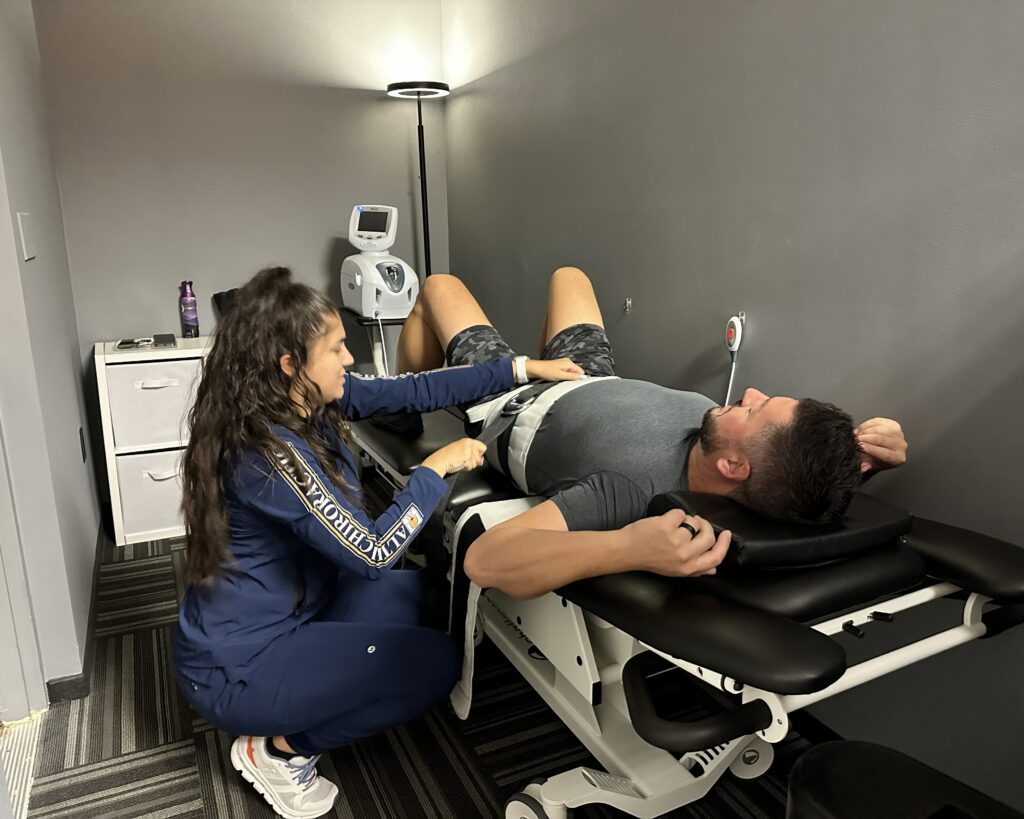
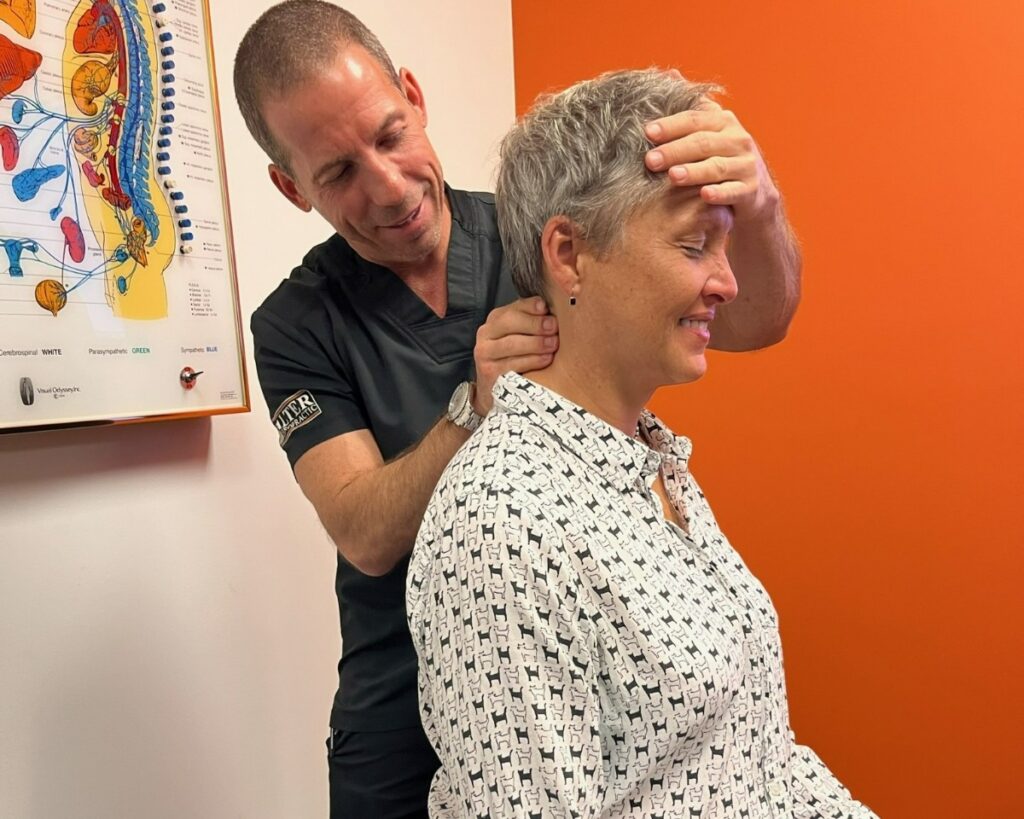
One common approach is manual therapy, which involves hands-on techniques to reduce pain and improve mobility. Your therapist might use joint mobilization or soft tissue manipulation to target tight muscles or joints.
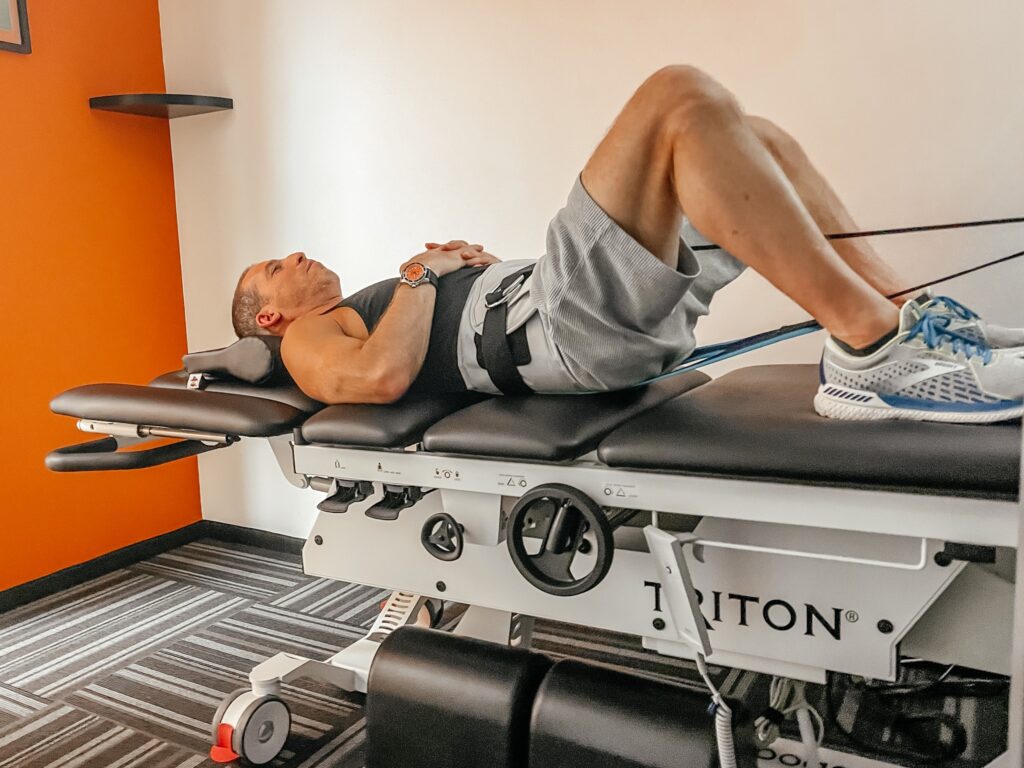
Another effective technique is therapeutic exercise. Your therapist will design a personalized exercise program that includes stretching, strengthening, and balance exercises, all aimed at promoting healing and preventing future injuries.
You may also benefit from modalities such as ultrasound or electrical stimulation. These treatments can help reduce inflammation and pain, facilitating the healing process. Additionally, your therapist might incorporate techniques like kinesiology taping, which provides support to muscles and joints while allowing for a full range of motion.
Don't underestimate the importance of education during your therapy sessions. Your therapist will teach you about body mechanics and proper techniques to use when returning to your sport, ensuring you don't reinjure yourself.
Consistency is key, so make sure you're committed to attending your sessions and following through with your home exercise program.
Medication for Pain Management
When you're dealing with sports injuries, managing pain effectively is essential for your recovery.
Over-the-counter pain relievers can provide quick relief, while prescription medications may be necessary for more severe cases.
Let's explore both options to help you make informed decisions about your pain management.
Over-the-Counter Pain Relievers
Managing pain from sports injuries can feel overwhelming, but over-the-counter (OTC) pain relievers offer a straightforward solution. These medications are easily accessible and effective for managing mild to moderate pain, allowing you to get back in the game sooner. Common OTC options include nonsteroidal anti-inflammatory drugs (NSAIDs) and acetaminophen, which can help reduce inflammation and alleviate discomfort.
When considering OTC pain relievers, keep the following points in mind:
- Types of Pain Relief: NSAIDs like ibuprofen and naproxen not only relieve pain but also reduce swelling. Acetaminophen is another option, primarily focused on pain relief without anti-inflammatory effects.
- Dosage and Safety: Always follow the recommended dosage on the packaging. Overuse can lead to serious side effects, so it's essential to stick to guidelines.
- Consult Your Doctor: If you have existing medical conditions or are taking other medications, consult your healthcare provider before starting any OTC pain relievers.
With the right approach, OTC pain relievers can be a valuable part of your pain management strategy, helping you recover and return to your favorite activities.
Prescription Medications Overview
Exploring prescription medications for pain management can reveal more potent options for athletes dealing with sports injuries. While over-the-counter pain relievers can effectively reduce discomfort, prescription medications often provide stronger relief, allowing you to recover more quickly.
Commonly prescribed medications include nonsteroidal anti-inflammatory drugs (NSAIDs) like naproxen and ketorolac, which target inflammation and pain. You might also encounter opioids, such as oxycodone or hydrocodone, for more severe pain, but these come with risks of dependency, so they're typically prescribed for short durations.
If your injury involves muscle spasms, your doctor may recommend muscle relaxants like cyclobenzaprine. Corticosteroids can also be prescribed to reduce inflammation, especially in conditions like tendonitis or bursitis.
Before starting any prescription medication, it's essential to discuss your medical history and any other medications you're taking with your healthcare provider. They'll tailor a treatment plan that balances pain relief with safety.
Always follow the prescribed dosage and guidelines, as misuse can lead to serious side effects. With the right prescription medication, you can manage your pain effectively and get back to your sport sooner.
Innovative Treatment Technologies
When it comes to treating sports injuries, innovative technologies are changing the game.
You'll find that advances in regenerative medicine and wearable tech can greatly enhance recovery and performance.
Let's explore how these cutting-edge options can help you get back in the game faster and safer.
Regenerative Medicine Advances
Regenerative medicine has taken a giant leap forward, transforming the way sports injuries are treated. You might be surprised by the advancements that can greatly enhance your recovery process.
These innovative treatments focus on repairing and regenerating damaged tissues, allowing you to return to your favorite activities faster and with less pain.
Here are a few key regenerative medicine techniques you should know about:
- Platelet-Rich Plasma (PRP) Therapy: This involves injecting your own concentrated platelets into the injury site, promoting healing and reducing inflammation.
- Stem Cell Therapy: By using stem cells, this method aims to regenerate damaged tissues, offering a promising solution for chronic injuries.
- Tissue Engineering: This cutting-edge approach helps create new tissues using scaffolds and cells, potentially allowing for the repair of severe injuries that traditional methods can't address.
These advances not only improve recovery times but also reduce the risk of re-injury.
As you explore your treatment options, consider discussing these regenerative techniques with your healthcare provider to find the best fit for your specific needs.
Your path to healing may be more innovative than you think!
Wearable Tech Innovations
In recent years, wearable tech has revolutionized the way athletes monitor their health and enhance recovery from injuries. These innovative devices, from fitness trackers to smart clothing, give you real-time insights into your body's performance and condition. You can track metrics like heart rate, movement patterns, and muscle strain, allowing for a more data-driven approach to injury prevention and rehabilitation.
Wearable tech also facilitates personalized recovery plans. By analyzing your activity levels and recovery metrics, these devices help you determine when to push harder and when to rest, ensuring you avoid overtraining and further injuries. Some wearables even incorporate biofeedback, enabling you to adjust your training in real time based on physiological responses.
Additionally, advancements in wearable tech are paving the way for more precise monitoring of specific injuries. For instance, smart braces can track joint movement and provide alerts if you're at risk of re-injury. This level of awareness empowers you to take control of your recovery process, leading to safer and more effective rehabilitation.
As technology continues to evolve, embrace these tools to optimize your athletic performance and promote long-term health.
Home Remedies and Self-Care
Relief from sports injuries often starts at home, where simple remedies and self-care techniques can make a significant difference. Whether you've sprained an ankle or pulled a muscle, addressing the injury promptly can speed up your recovery and reduce pain.
First, you should always remember the R.I.C.E. method: Rest, Ice, Compression, and Elevation. This foundational approach can help you manage pain and swelling effectively. Incorporating heat therapy after the initial swelling has subsided can promote circulation and speed healing.
Additionally, over-the-counter pain relief medications, like ibuprofen or acetaminophen, can help alleviate discomfort.
To further support your recovery, consider these home remedies:
- Epsom Salt Baths: Soaking in warm water with Epsom salt can soothe sore muscles and reduce inflammation.
- Turmeric Paste: This natural anti-inflammatory can be applied to minor injuries to help with pain and swelling.
- Essential Oils: Oils like lavender or peppermint can be diluted and massaged into the affected area for relief.
Remember to listen to your body. If certain activities exacerbate your pain, it's crucial to take a step back and allow yourself time to heal.
Consistent application of these self-care methods can lead to a more comfortable recovery, enabling you to get back to your favorite sports sooner.
When to Seek Professional Help
Knowing when to seek professional help can be essential for a speedy recovery from a sports injury. You should consider reaching out to a healthcare provider if you experience severe pain that doesn't improve with rest or over-the-counter pain relievers.
If swelling persists for more than a couple of days or you notice bruising that doesn't fade, these could be signs of a more serious injury requiring medical attention.
Another red flag is if you can't put weight on the injured area or if you have difficulty moving it. This could indicate a fracture, torn ligament, or other significant injury that needs professional assessment.
Pay attention to any symptoms of numbness or tingling, as these may suggest nerve damage that needs immediate evaluation.
If you notice a popping sound at the time of injury followed by instability in the joint, don't hesitate to consult a doctor. It's better to be cautious, especially when it comes to joints, as untreated injuries can lead to long-term issues.
Finally, if your injury doesn't improve after a week of self-care measures, like rest and ice, it's wise to seek professional advice.
Getting an accurate diagnosis and appropriate treatment plan can make a big difference in your recovery time and reduce the risk of re-injury. Remember, it's always better to err on the side of caution when it comes to your health and well-being.
Conclusion
Injuries can be a frustrating part of sports, but knowing your treatment options can make a big difference in your recovery. Early intervention is key, so don't hesitate to seek help when needed. Whether you opt for physical therapy, innovative treatments, or home remedies, tailor your approach to fit your unique situation. Remember, taking care of yourself is essential for getting back in the game and staying healthy for the long haul. Stay proactive and heal well!