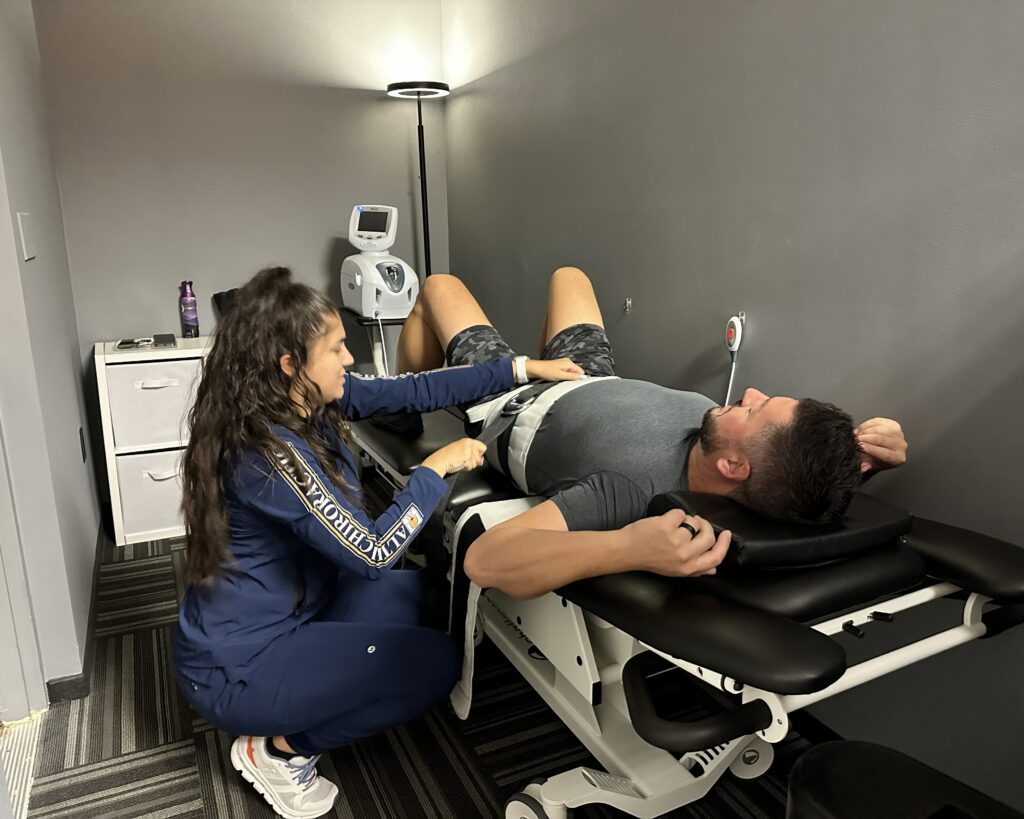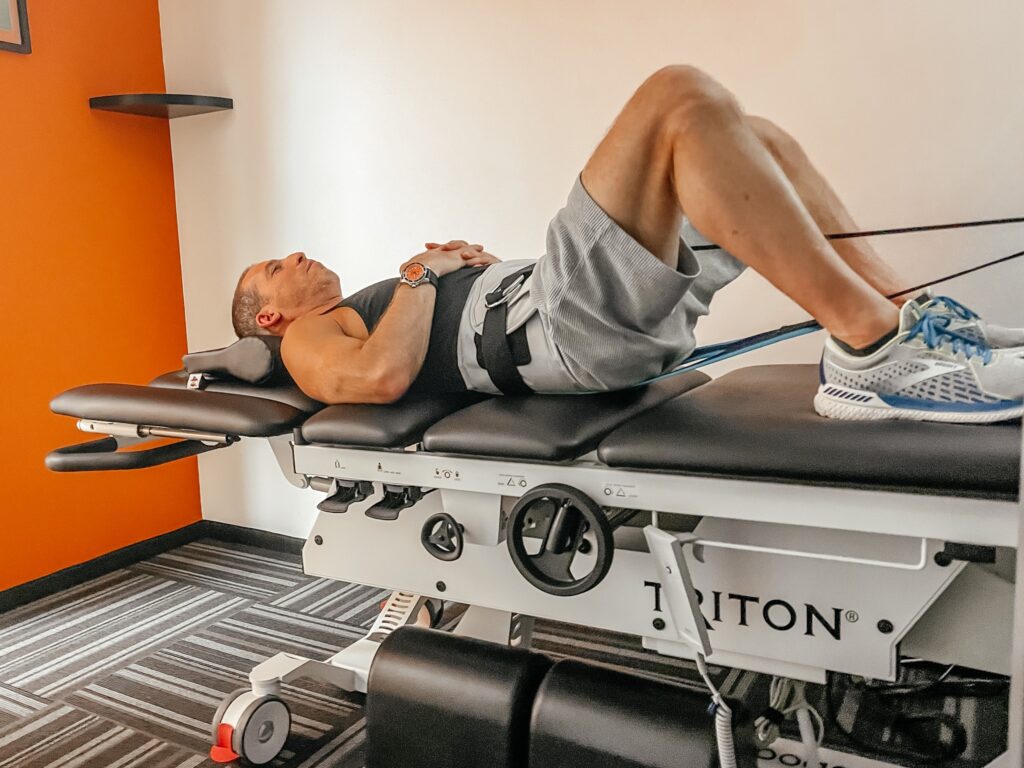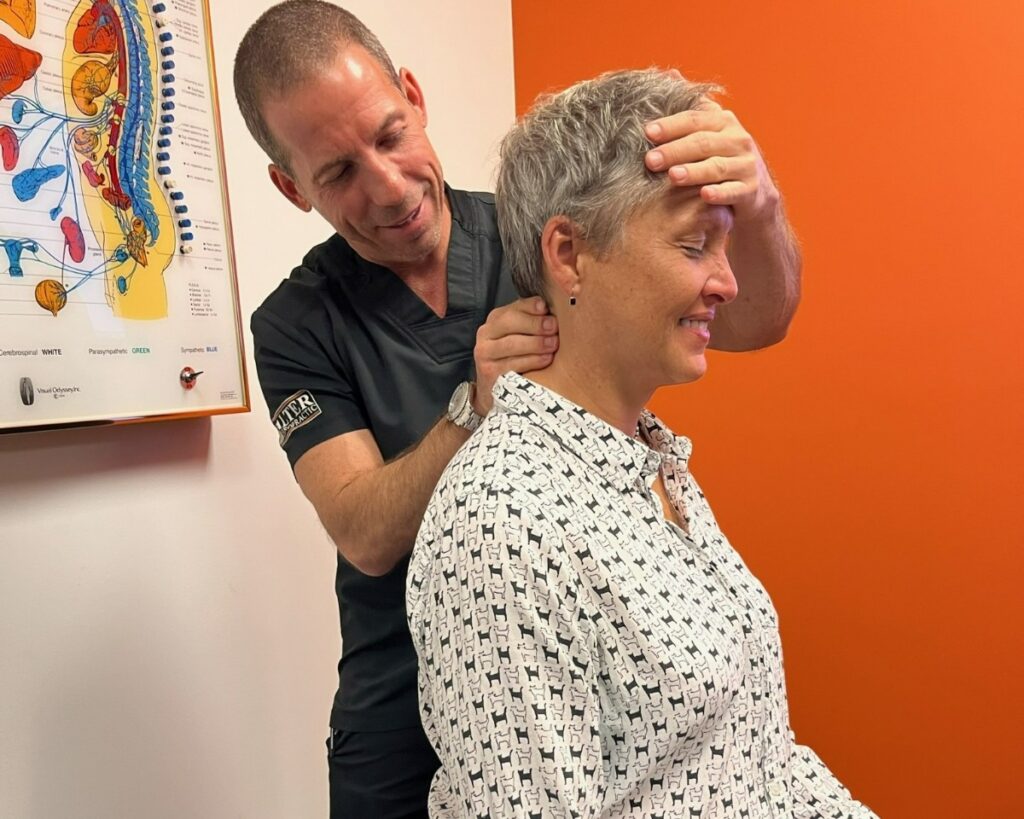

When it comes to recovering from a neck injury, I want to emphasize the importance of gentle techniques that can facilitate healing without adding unnecessary strain. As a chiropractor, I often see how simple stretching exercises and mindfulness practices can greatly enhance your comfort and mobility. You may be surprised at how effective small, controlled movements can be in relieving tension and improving flexibility.
Understanding the principles of neck care is crucial in this journey. Many patients are not aware that the neck is a complex structure that benefits from a holistic approach to healing. By incorporating gentle movements and mindful practices into your routine, you're not just addressing the symptoms but also supporting the overall health of your spine and nervous system.
So, what can you do next to nurture your recovery? I encourage you to explore these techniques and consider how they can fit into your daily life. Remember, I'm here to guide you through this process and help you understand how chiropractic care can complement your healing journey.
Understanding Neck Injuries
As a local chiropractor, I want to help you understand neck injuries and how they can significantly impact your mobility and overall well-being. These injuries can range from mild strains to severe fractures, and each type presents its own set of challenges. Gaining insight into these injuries is crucial for effective recovery and healing.
Let's start by discussing some common causes of neck pain. Many people experience issues due to poor posture, sudden movements, or accidents. One frequently discussed injury is whiplash, which often occurs in car accidents. This injury happens when your head is jerked back and forth, putting strain on the neck muscles and ligaments.
Additionally, degenerative conditions such as cervical spondylosis can develop gradually over time, often a result of age-related wear and tear.
The symptoms you may encounter can vary widely. You might feel sharp pain, stiffness, or even headaches. Some individuals report radiating pain or numbness down their arms, which can indicate nerve involvement. It's vital to pay attention to these signs, as they can help guide your treatment options.
When it comes to diagnosis, we typically conduct thorough physical exams and may recommend imaging tests like X-rays or MRIs to accurately identify the issue. Once we understand the specific problem, we can develop a personalized recovery plan tailored to your needs.
Early intervention is key, as delaying treatment can lead to chronic issues that are harder to resolve.
Finally, I want to emphasize the importance of emotional well-being during your recovery. Chronic pain can take a toll on your mood and overall quality of life. By staying informed about your injury and actively participating in your recovery process, you can feel empowered, which can lead to a smoother healing journey.
Gentle Stretching Exercises
As a local chiropractor, I want to share with you the benefits of incorporating gentle stretching exercises into your daily routine, especially if you're recovering from a neck injury. These stretches are vital for improving flexibility, reducing tension, and promoting healing within your neck muscles.
If you're new to chiropractic care and natural healing, starting with simple ranges of motion can be an excellent way to ease into your recovery.
Let's begin with a basic stretch: tilt your head to the right, bringing your ear toward your shoulder. Hold this position for about 15-30 seconds, then switch to the left side. This stretch is particularly effective for targeting the muscles along the sides of your neck, helping to alleviate tightness and discomfort.
Next, gently turn your head to the right, as if looking over your shoulder. Hold for 15-30 seconds before switching to the left side. This movement enhances neck rotation and can help ease any stiffness you may be experiencing.
Don't forget to include forward and backward tilts in your routine. To perform this stretch, slowly lower your chin toward your chest and hold for 15-30 seconds. After that, gently lift your head back to a neutral position, and if it feels comfortable, tilt your head back slightly to look up at the ceiling. This action promotes mobility in your neck and can significantly relieve discomfort.
As you go through these stretches, always remember to breathe deeply. Deep breathing helps relax your body and enhances the effectiveness of these exercises.
It's important to perform the stretches slowly and with control; never push through any pain. Consistency is crucial, so aim to incorporate these gentle stretches into your daily routine for optimal recovery.
If you have any questions or need personalized guidance, feel free to reach out. Your journey to recovery is important, and I'm here to help!
Mindfulness and Relaxation Techniques
As a local chiropractor, I want to share how mindfulness and relaxation techniques can significantly aid in your recovery from a neck injury. These practices, when incorporated into your daily routine, can help you manage pain, alleviate stress, and promote overall healing. By centering your attention on the present moment, you can develop a sense of calm that supports your body in its recovery process.
One of the simplest yet most effective techniques is deep breathing exercises. Find a comfortable position, close your eyes, and take slow, deep breaths. Inhale deeply through your nose, allowing your abdomen to expand, and then gently exhale through your mouth. Aim to practice this for five to ten minutes each day. This technique not only helps relax your muscles but also clears your mind, setting a positive tone for your healing journey.
Another valuable tool is guided imagery. Imagine a tranquil place, such as a serene beach or a vibrant forest. Visualize yourself in that setting, feeling the warmth of the sun or hearing the rustle of leaves. This mental visualization can help distract you from discomfort and create a mindset conducive to healing.
Progressive muscle relaxation is also a beneficial practice. Start by tensing and then relaxing each muscle group in your body, beginning with your toes and working your way up to your neck and shoulders. This method helps you release tension and enhances your awareness of how your body feels, which is crucial during recovery.
Finally, I encourage you to explore mindfulness meditation. Set aside a few minutes each day to sit quietly, concentrate on your breath, and observe your thoughts without any judgment. This practice can strengthen your emotional resilience, making it easier to handle the challenges that come with recovery.
Integrating these mindfulness and relaxation techniques into your routine won't only support your healing journey but also foster a sense of well-being that complements the chiropractic care you receive. Remember, your body is capable of remarkable healing, and these practices can play a significant role in that process.
Importance of Proper Posture
As a local chiropractor, I want to emphasize the crucial role that proper posture plays in maintaining spinal health and aiding in your recovery from a neck injury. When you adopt correct sitting and standing positions, you help distribute your body weight evenly, which alleviates unnecessary strain on your neck and spine. This alignment not only reduces discomfort but also promotes healing in the areas that are affected.
Many people may not realize that common daily activities—like working at a desk or using your smartphone—can contribute to poor posture. Slouching or leaning forward can place additional pressure on your neck, potentially hindering your recovery process. By consciously making an effort to correct your posture, you can create a more supportive environment for your body to heal effectively.
To achieve optimal posture, I recommend aligning your ears with your shoulders and your shoulders with your hips. When sitting, aim to keep your feet flat on the floor with your knees bent at a 90-degree angle. It's important to use a chair that supports your lower back; consider adding a cushion for extra support if needed.
When standing, make sure to distribute your weight evenly between both feet and avoid locking your knees.
Incorporating stretches and gentle movements into your daily routine can further reinforce good posture. These exercises not only increase flexibility but also strengthen the muscles that support your neck.
Additionally, remember to take regular breaks during prolonged activities to reset your posture and prevent stiffness. By prioritizing proper posture, you'll not only aid in your neck injury recovery but also enhance your overall well-being.
If you have any questions or need guidance on posture correction or exercises, feel free to reach out!
Seeking Professional Guidance
When it comes to recovering from a neck injury, seeking professional guidance is crucial for a safe and effective healing journey. I understand that the pain and uncertainty can be overwhelming, but as a chiropractor, I'm here to provide the support and expertise you need.
Chiropractic care focuses on natural healing methods, and I can help you navigate your recovery with confidence.
Here are three key reasons why working with a chiropractor is beneficial for your neck injury:
- Personalized Treatment Plans: Every injury is unique, and as your chiropractor, I'll develop a tailored recovery plan specifically designed for you. This ensures that we target the right areas while minimizing the risk of exacerbating your condition.
- Ongoing Progress Monitoring: Regular visits to my practice allow us to closely monitor your healing process. I'll assess your progress and make any necessary adjustments to your treatment plan, ensuring you're on track to recovery.
- Natural Pain Management Techniques: Managing pain is often one of the most challenging aspects of a neck injury. As a chiropractor, I've a range of natural pain relief methods at my disposal that can help alleviate your discomfort, allowing you to focus on getting better.
By choosing chiropractic care, you're opting for a holistic approach to healing that emphasizes your body's natural ability to recover.
Let's work together to help you regain your health and well-being.
Conclusion
As a local chiropractor, I want to share some gentle techniques that can significantly aid in your neck injury recovery. Incorporating stretching exercises into your daily routine can help promote flexibility and alleviate tension in your neck. Additionally, embracing mindfulness practices can enhance your body awareness, allowing you to better understand how stress affects your neck. Maintaining proper posture throughout the day is crucial as it supports spinal alignment and can prevent further strain.
Remember, consistency is essential in your recovery process. It's important to take small steps every day to support your healing. Don't hesitate to reach out for professional guidance; as a chiropractor, I can offer personalized care and tailored support to address your specific needs. With patience and a commitment to these gentle techniques, you will be on your way to a stronger, more resilient neck. Your journey to recovery is important, and I'm here to help you every step of the way.