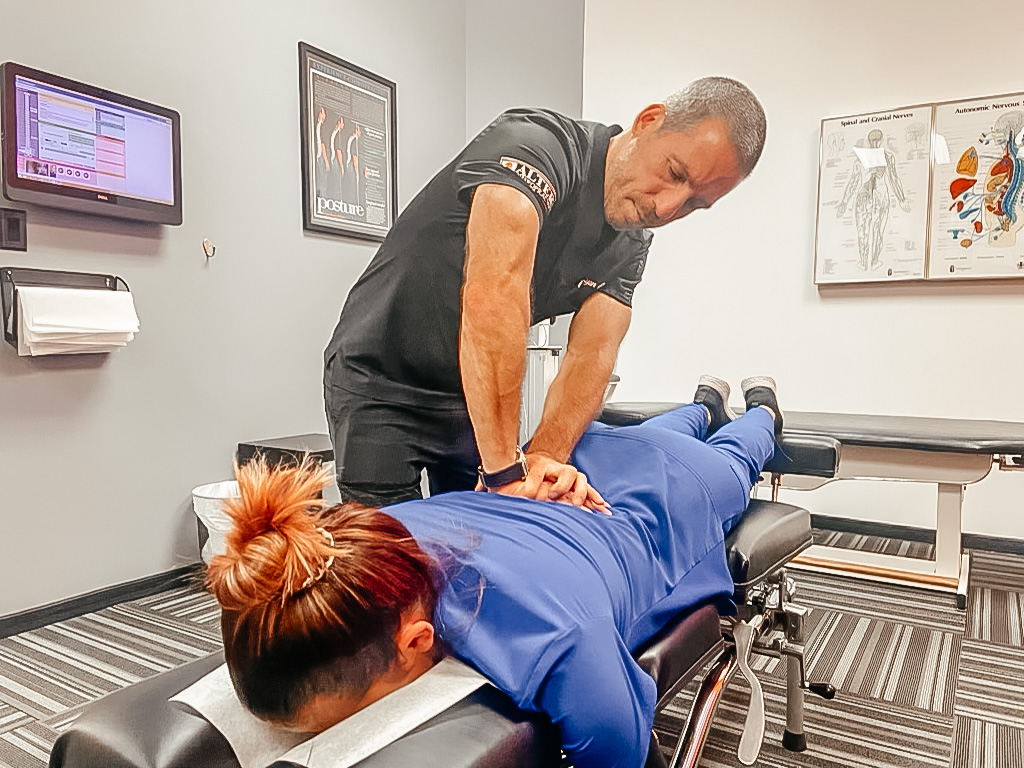
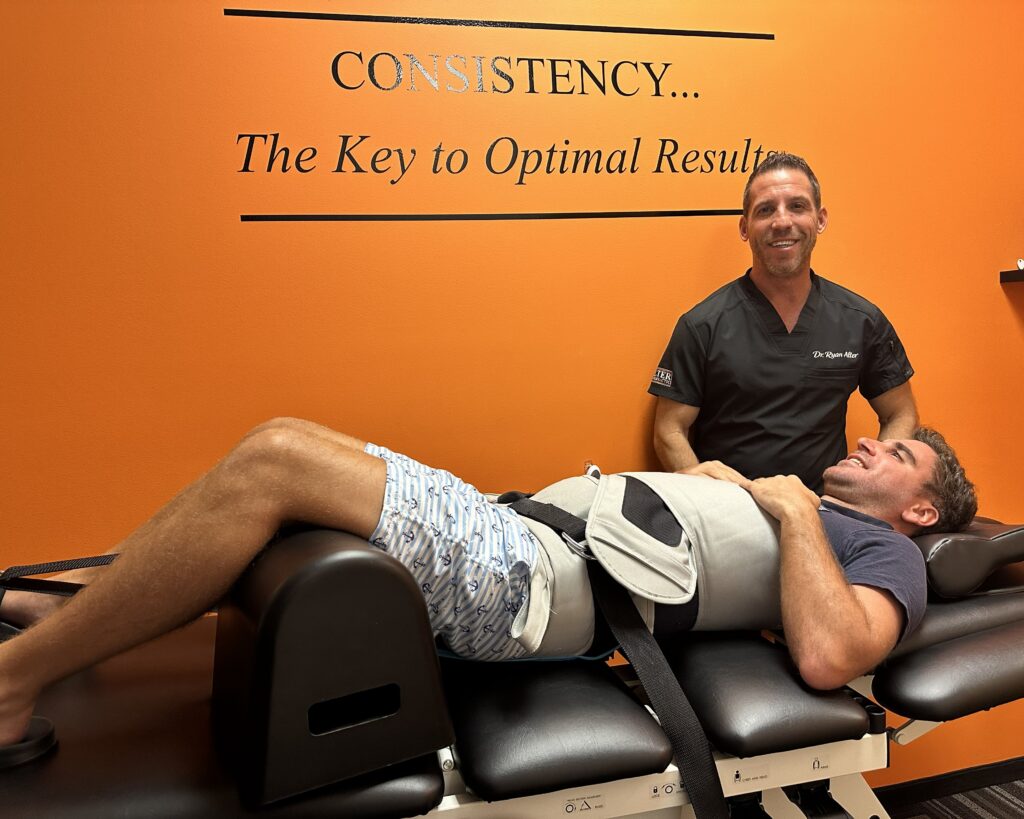
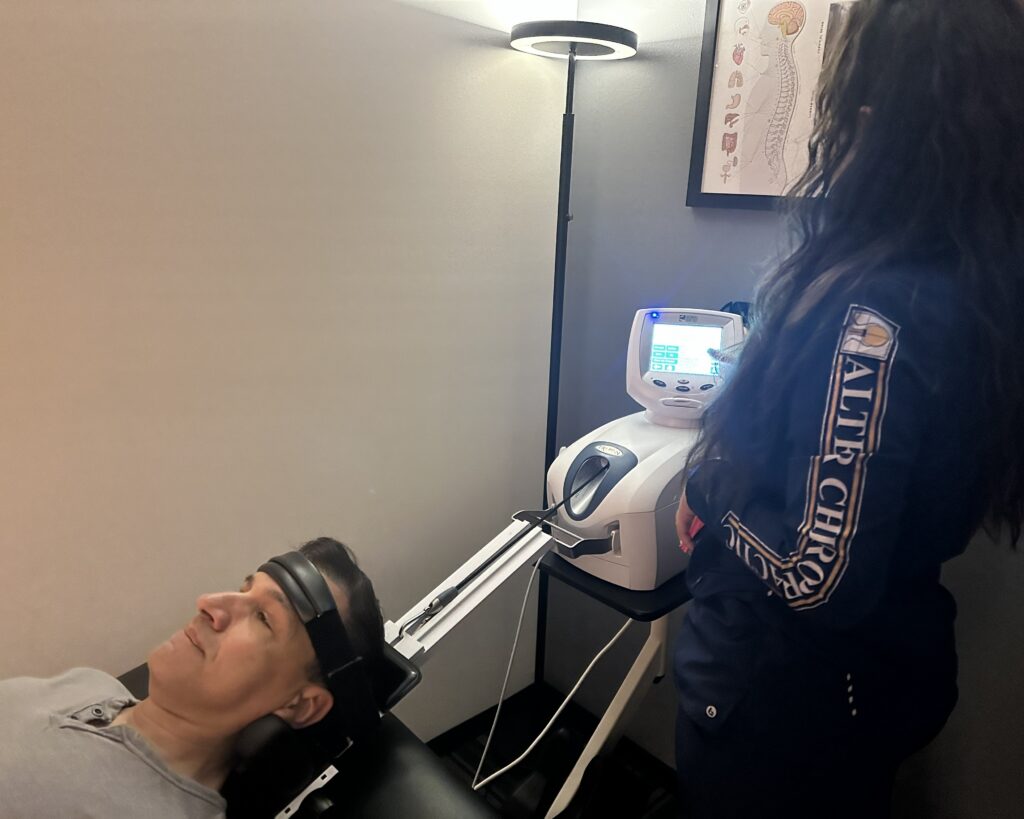
As a local chiropractor, I want to emphasize the importance of approaching your recovery from a neck injury with care and attention. Gentle techniques can significantly enhance your healing process, helping to reduce pain and improve mobility. Simple stretching exercises and therapeutic massages can be invaluable tools in your recovery journey. It's crucial to understand how to incorporate these methods effectively to maximize their benefits.
One effective practice is gentle stretching, which can help to relieve tension in the neck muscles and improve flexibility. Additionally, therapeutic massages can promote blood flow and alleviate discomfort. As your chiropractor, I can guide you through specific exercises and techniques tailored to your unique needs, ensuring a safe and effective recovery experience. Remember, every small step you take in your healing journey counts! If you have any questions about how chiropractic care and these gentle techniques can support your recovery, feel free to reach out.
Understanding Neck Injuries
Understanding neck injuries is crucial for your recovery, and as your local chiropractor, I'm here to guide you through this process. Whether you've sustained a neck injury from a fall, whiplash, or a sports-related incident, it's important to understand the nature and severity of your injury. Neck injuries can range from mild muscle strains to more serious fractures, and each type requires a tailored approach to treatment.
You may experience symptoms such as pain, stiffness, or discomfort, which can vary greatly depending on the injury. For instance, a muscle strain might result in localized pain, while a herniated disc could cause discomfort that radiates down your arms or hands. Recognizing these symptoms early is essential for determining the best course of action for your healing.
Understanding how your injury occurred can also help you prevent further damage. If you've experienced whiplash, for example, knowing how the impact affected your neck will help you modify your activities appropriately. It's important to be cautious during your recovery period, as even seemingly harmless activities could exacerbate your condition.
Additionally, familiarizing yourself with the anatomy of your neck can enhance your understanding of your injury. Your neck is composed of vertebrae, discs, muscles, and ligaments that work together harmoniously. When one component is injured, it can disrupt the entire system. This knowledge equips you to communicate effectively with me and other healthcare providers, enabling you to make informed decisions about your rehabilitation and pursue natural healing methods.
As your chiropractor, I'm dedicated to helping you understand your neck injury and guiding you towards a holistic recovery. Together, we can create a personalized treatment plan that addresses your unique needs and promotes your overall well-being.
Importance of Gentle Recovery
As a local chiropractor, I want to emphasize the importance of embracing a gentle recovery approach for effectively healing your neck injury. When you sustain a neck injury, your body undergoes a complex healing process that requires time and care. It's crucial not to rush this process or overexert yourself, as doing so can lead to prolonged pain and complications. By adopting a gentle approach, you allow your body the necessary time to repair itself.
Gentle recovery is all about tuning into your body and responding to its needs. This means engaging in activities that promote healing without adding unnecessary stress or risk of further injury. Activities such as rest, supportive care, and mindful movements are essential components of this approach. Remember, being patient with yourself is vital for a successful recovery.
Incorporating gentle techniques, often utilized in chiropractic care, can significantly reduce inflammation and enhance blood circulation in the affected area. This not only speeds up the healing process but also lowers the likelihood of developing chronic issues. Additionally, gentle recovery practices can improve your overall well-being, as they often include methods to reduce stress and foster relaxation.
Moreover, cultivating a gentle mindset can profoundly impact your emotional health during recovery. It's common to feel frustrated when progress seems slow, but reminding yourself that healing takes time can help you maintain a positive outlook. When you approach your recovery with kindness and patience, you're more likely to stay committed to your recovery plan.
Ultimately, prioritizing gentle recovery not only supports the healing of your neck injury but also lays the groundwork for long-term wellness and resilience against future challenges. As your chiropractor, I'm here to guide you through this journey and help you embrace a natural healing process that benefits your overall health.
Gentle Stretching Techniques
As a local chiropractor, I want to emphasize the importance of gentle stretching techniques when recovering from a neck injury. These techniques play a crucial role in helping you regain mobility and alleviate discomfort.
One effective method to start with is neck flexion stretches. These stretches can help ease tension in your neck and improve flexibility.
Additionally, incorporating side tilt exercises can be beneficial; they not only strengthen the neck muscles but also promote relaxation, which is vital for your recovery.
Remember, taking a gentle approach to stretching can significantly aid in your healing process.
If you have any questions or need guidance on how to perform these stretches safely, feel free to reach out. Your well-being is our priority!
Neck Flexion Stretches
As a local chiropractor, I'm here to help you understand how gentle neck flexion stretches can significantly reduce tension and enhance mobility in your neck. Incorporating these stretches into your daily routine can be a natural way to improve your well-being and alleviate discomfort.
Here are four effective neck flexion stretches that I recommend:
- Chin Tucks: Whether you're sitting or standing, maintain a tall posture and gently tuck your chin toward your chest. Hold this position for about 5-10 seconds. This simple exercise not only strengthens your neck muscles but also promotes better posture, which is essential for overall spinal health.
- Neck Rolls: To help increase circulation and relax tight muscles, slowly roll your head in a circular motion. Start by rolling to the right for 5-10 seconds, then switch to the left. This movement can help release any built-up tension in your neck.
- Forward Neck Stretch: While seated, drop your chin down toward your chest and hold for 15-30 seconds. This stretch specifically targets the muscles in the back of your neck, offering a gentle release that can be very soothing.
- Wall Stretch: Find a wall and stand facing it. Place your hands on the wall and lean forward slightly while keeping your head down. Hold this position for 15-30 seconds. This stretch not only benefits your neck but also helps open up your shoulders, which is often a source of tension.
By integrating these neck flexion stretches into your daily routine, you may begin to notice a significant reduction in tension and an improvement in your neck mobility.
Side Tilt Exercises
As a local chiropractor, I want to introduce you to the benefits of side tilt exercises, which can greatly enhance your neck flexibility and help alleviate tension.
These gentle stretches specifically target the muscles on the sides of your neck, promoting better mobility and reducing discomfort that many of us experience, especially if we spend long hours at a desk or in front of screens.
To begin, find a comfortable seated or standing position with your back straight. Start by tilting your head toward your right shoulder, aiming to bring your ear close without raising your shoulder.
Hold this position for 15 to 30 seconds, and you should feel a pleasant stretch along the left side of your neck. To deepen the stretch, you can gently place your right hand on your head, applying light pressure.
After holding the stretch, return to the starting position and repeat the exercise on the left side. Throughout the exercise, remember to breathe deeply and keep your shoulders relaxed.
It's crucial not to force the stretch; listen to your body and only go as far as it feels comfortable.
Incorporating these side tilt exercises into your daily routine can be incredibly beneficial, especially if you find yourself dealing with neck stiffness or discomfort.
Consistency is key, and over time you'll notice improvements in your neck flexibility and a significant reduction in tension.
This is just one of many natural healing practices that can support your overall well-being. If you have any questions or need further guidance, feel free to reach out!
Therapeutic Massage Options
As a local chiropractor, I often see patients struggling with neck pain and seeking effective solutions for relief and recovery. One of the approaches I recommend is therapeutic massage, which can play an essential role in alleviating discomfort and promoting overall wellness.
This gentle yet impactful technique can help release tension, improve circulation, and support your body's natural healing processes. When exploring therapeutic massage options, it's crucial to select techniques that suit your individual needs and comfort levels.
Here are four popular types of massage that I encourage you to consider:
- Swedish Massage: This technique employs long, flowing strokes that help relax your muscles and enhance blood flow. It's an excellent choice for those seeking a calming and soothing experience.
- Deep Tissue Massage: For patients dealing with chronic neck pain or persistent tightness, deep tissue massage targets the deeper layers of muscle and connective tissue. This method is more intense, so I recommend discussing your comfort level with the therapist beforehand.
- Myofascial Release: This specialized technique aims to relieve tension in the fascia, the connective tissue that envelops your muscles. It can be particularly helpful in restoring mobility and reducing pain, making it a great option for enhancing your recovery.
- Trigger Point Therapy: This approach concentrates on specific knots or trigger points within your neck muscles. By applying focused pressure to these areas, you can alleviate pain and improve your range of motion.
Before scheduling a massage session, I suggest consulting with a healthcare professional to identify which type of massage will be most beneficial for your condition.
Heat and Cold Therapy
As your local chiropractor, I want to share the importance of heat and cold therapy when it comes to recovering from a neck injury. Many of my patients are unfamiliar with these natural methods, so let me explain how they can aid in your healing process.
Heat therapy is excellent for increasing blood circulation and relaxing tight muscles. By applying heat, you can promote healing in the affected area, allowing your muscles to loosen up and reduce stiffness.
On the other hand, cold therapy plays a crucial role in managing inflammation and numbing pain. It helps reduce swelling and can provide immediate relief after an acute injury.
By understanding the unique benefits of heat and cold therapy, you can better choose the right treatment for your specific needs. These natural healing methods, combined with chiropractic care, can significantly enhance your recovery journey.
If you have any questions about how to integrate these therapies into your routine, please feel free to ask during your next visit!
Benefits of Heat Therapy
As a local chiropractor, I want to share the incredible benefits of heat therapy for those recovering from neck injuries. Many people may not realize how effective heat can be in promoting healing and alleviating discomfort.
Let's explore some key advantages you might experience with this natural approach:
- Increased Blood Flow: Applying heat to your neck helps to dilate blood vessels, which improves circulation to the affected area. This increased blood flow is crucial for accelerating healing as it delivers vital nutrients and oxygen to support recovery.
- Muscle Relaxation: Heat therapy works wonders in relaxing tense muscles. By easing stiffness and discomfort, it can significantly enhance your range of motion and make everyday activities much more manageable.
- Pain Relief: One of the most appealing aspects of heat therapy is its soothing effect. It can help to diminish the pain signals your brain receives, making it an excellent option for managing chronic pain associated with neck injuries.
- Improved Flexibility: Regular application of heat can lead to improved flexibility in your neck. As the muscles and connective tissues warm up, they become more pliable, allowing for freer movement and less restriction.
Incorporating heat therapy into your recovery routine can greatly enhance your comfort and mobility.
However, it's essential to consult with a healthcare professional, like myself, to ensure that heat therapy is suitable for your specific injury and to receive guidance on how to use it effectively.
Embracing these natural healing methods can lead to a more comfortable and speedy recovery.
Advantages of Cold Therapy
As a local chiropractor, I want to share the benefits of cold therapy and how it can greatly aid in your recovery from neck injuries. Cold therapy serves as a powerful complement to heat therapy, both of which play crucial roles in the healing process.
When you apply cold to an injured area, it constricts blood vessels, helping to reduce inflammation and swelling. This is particularly important immediately after an injury, as it helps minimize tissue damage and numbs the area, providing pain relief.
For effective cold therapy, I recommend using cold packs or ice wrapped in a cloth for about 15-20 minutes at a time. This can offer immediate relief from discomfort. However, it's vital to take breaks between applications to avoid frostbite. Cold therapy is also effective in alleviating muscle spasms that often accompany neck injuries.
One of the great advantages of cold therapy is its accessibility. You don't need special equipment; you can simply grab some ice or a cold pack from your freezer. It's a cost-effective solution for managing pain and discomfort.
Incorporating cold therapy with heat therapy can really optimize your recovery. While heat increases blood flow and relaxes tight muscles, cold therapy effectively combats inflammation and pain.
Mindfulness and Relaxation Practices
As a local chiropractor, I want to share how incorporating mindfulness and relaxation practices can significantly support your recovery from a neck injury.
These techniques not only alleviate stress but also create a holistic environment conducive to physical healing. By being mindful of your mental and emotional well-being, you can enhance your body's natural recovery processes.
Here are some beneficial practices to consider:
- Deep Breathing: Dedicate a few moments each day to focus on your breath. Inhale deeply through your nose, allowing your abdomen to expand, and then exhale slowly through your mouth. This simple act can help calm your mind and ease tension in your neck, complementing the adjustments we make in our chiropractic sessions.
- Meditation: Carve out time for meditation, even if it's just for a few minutes. Find a quiet, comfortable spot and focus on your breathing or a soothing mantra. This practice can help you remain present, reduce anxiety related to your recovery, and enhance the overall benefits of chiropractic care.
- Gentle Yoga: Engage in gentle yoga sessions tailored for neck injury recovery. Specific poses that promote relaxation can help alleviate muscle tension and improve your overall sense of well-being, making our chiropractic adjustments more effective.
- Progressive Muscle Relaxation: This technique involves systematically tensing and relaxing different muscle groups in your body. Start from your toes and work your way up to your neck, paying attention to releasing any tension you may be holding. This practice can complement the physical adjustments and therapies we provide in our office.
Posture and Ergonomics
As a chiropractor, I want to emphasize how crucial proper posture and ergonomics are for your recovery from neck injuries. When you maintain good posture, you significantly reduce the strain on your neck, which allows it to heal more effectively. It's essential to become aware of how you sit, stand, and move throughout your day.
When sitting, ensure your feet are flat on the floor and that your back is well-supported by your chair. Position your computer screen at eye level to avoid excessive tilting of your head, which can exacerbate neck issues.
If you spend long hours at a desk, I recommend investing in an ergonomic chair that supports your lower back and encourages a straight spine. Keep your shoulders relaxed, and be mindful of hunching over your keyboard.
I can't stress enough the importance of taking regular breaks; standing up, stretching, and walking around every hour can help prevent stiffness and promote blood flow.
When it comes to lifting objects, always bend your knees and keep the load close to your body. This technique minimizes strain on your neck and reduces the risk of injury. Avoid twisting your body while lifting; instead, pivot with your feet to maintain safe body mechanics.
Your sleeping posture is also critical for recovery. Choose a supportive pillow that helps keep your neck aligned with your spine. Generally, sleeping on your back or side is preferred over sleeping on your stomach, as the latter can put additional strain on your neck.
Finally, I encourage you to practice mindfulness regarding your posture during everyday activities, such as using your phone or reading. By consciously adjusting your posture and optimizing your workspace ergonomics, you're not just aiding your neck's healing process; you're also enhancing your overall well-being.
Gradual Strengthening Exercises
As you embark on your recovery journey, it's essential to understand the role that gradual strengthening exercises can play in restoring the function and stability of your neck.
These exercises are designed to rebuild muscle strength, enhance your range of motion, and significantly lower the risk of future injuries. It's important to start slowly, tuning in to how your body feels, and gradually increase the intensity as you gain confidence.
Here are four effective strengthening exercises I recommend incorporating into your routine:
- Neck Tilts: Begin by sitting or standing up straight. Gently tilt your head toward one shoulder, holding that position for about 5 seconds before returning to the center. Repeat this on the other side. Aim for 5-10 repetitions on each side. This exercise helps to stretch and strengthen the muscles on the sides of your neck.
- Chin Tucks: While either sitting or standing, pull your chin back toward your throat. Hold this position for 5 seconds, then release. This exercise is great for strengthening the muscles located at the back of your neck, helping to improve posture and alignment. Aim for 10-15 repetitions.
- Shoulder Shrugs: Raise your shoulders toward your ears, holding them in that position for a few seconds before relaxing. This movement targets the upper trapezius muscles, which are crucial for shoulder stability. Perform 10-15 repetitions for maximum benefit.
- Isometric Neck Exercises: For this exercise, press your hand against your forehead and gently push your head forward while resisting with your hand. Hold for 5 seconds, then switch to pushing against the back of your head, and finally each side. Aim for 5 repetitions in each direction. This will help strengthen the neck muscles effectively without needing to move your head.
Always remember to perform these exercises in a controlled manner, and if you experience any pain, it's important to stop and consult a healthcare professional.
Gradually incorporating these movements into your daily routine can significantly enhance your recovery process and promote long-term wellness. As your chiropractor, I'm here to guide you and ensure you're on the right path to healing naturally.
When to Seek Professional Help
As your local chiropractor, I want to emphasize the importance of recognizing when it's time to seek professional help during your recovery journey. If you're experiencing persistent pain that doesn't improve after a few days of gentle care at home, please don't hesitate to reach out to a healthcare provider, like myself. Ignoring ongoing discomfort can lead to more significant complications down the line.
It's also crucial to pay attention to any unusual symptoms you may notice, such as numbness or tingling in your arms or hands. These sensations could indicate nerve involvement, which is something we need to address promptly. If you find yourself struggling to move your head or experiencing notable weakness in your arms, I urge you to seek assistance right away.
If your pain is worsening rather than improving with your recovery exercises, or if you observe any swelling around your neck, it's vital to get evaluated. Sometimes, there may be underlying issues that require the expertise of a specialist, and I'm here to help you navigate that process.
Additionally, if you've recently experienced an injury—whether from a fall, a car accident, or any other incident—it's essential to get a thorough assessment, even if you feel okay initially. Symptoms can take time to manifest, and early intervention can significantly enhance your recovery.
Above all, trust your instincts. If something doesn't feel right, don't ignore it. Seeking professional help early on can prevent further injury and facilitate a smoother healing process. Your health is my priority, and addressing any concerns promptly will help set you on the right path to recovery through chiropractic care and natural healing.
Conclusion
As a local chiropractor, I want to emphasize the importance of gentle techniques in your recovery from a neck injury. Integrating practices such as stretching, therapeutic massage, and mindfulness can significantly enhance your healing journey. These methods not only help to alleviate discomfort but also promote emotional well-being, which is vital during recovery.
It's essential to be mindful of your posture and to gradually strengthen your neck muscles as you make progress. I understand that navigating this process can be overwhelming, especially if you're new to chiropractic care. If you ever have any questions or if pain continues, please don't hesitate to reach out for professional guidance. Together, we can ensure you are on the right path to recovery and overall wellness.