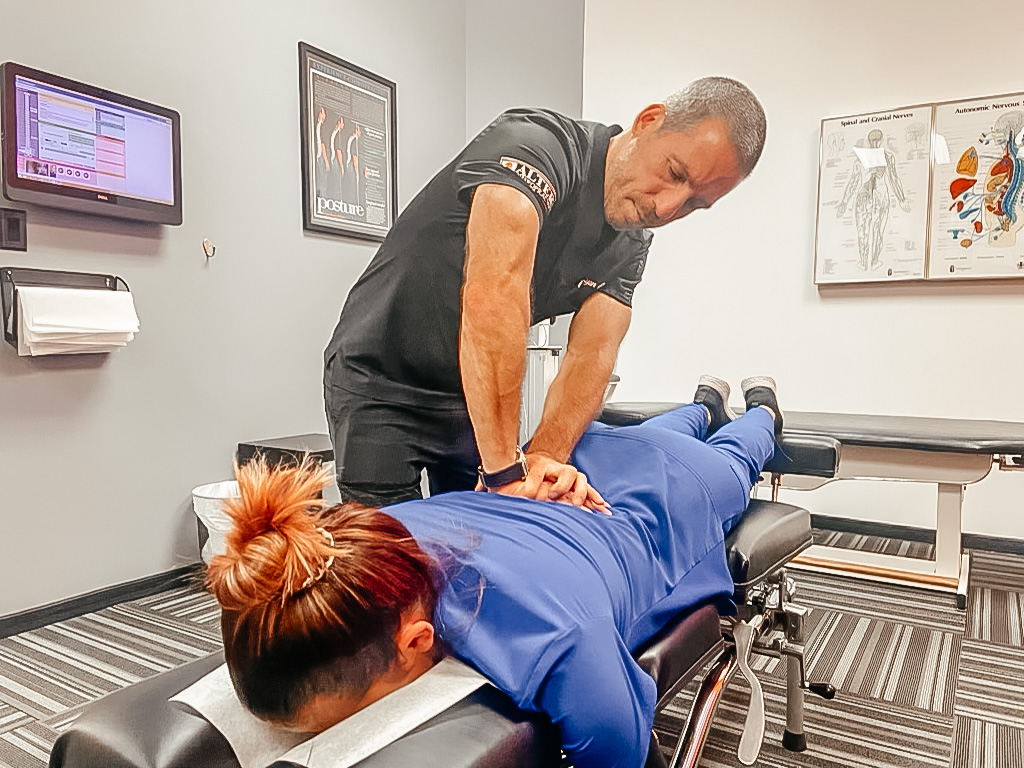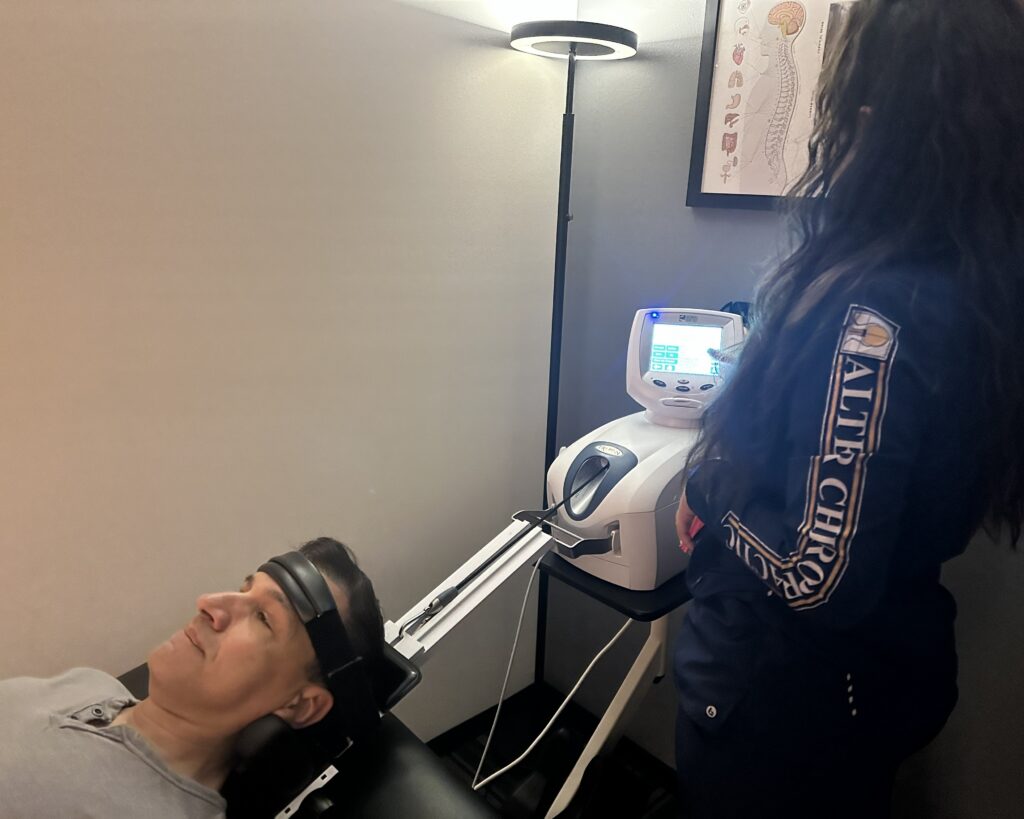

If you’re experiencing sports-related back pain, it’s important to consider a natural and holistic approach to treatment. As a local chiropractor, I want to emphasize the value of incorporating proper warm-ups, targeted strengthening exercises, and effective stretching into your routine. These practices can significantly alleviate discomfort and promote healing.
Understanding the root causes of your back pain is crucial. Many individuals may not realize how factors such as posture, muscle imbalances, or previous injuries can contribute to their discomfort. By exploring various chiropractic techniques and strategies, you can discover what works best for your body and enhance your recovery process.
Let’s delve into the key components of natural healing that can lead to lasting relief from sports-related back pain. With the right guidance and commitment, you can regain your mobility and enjoy your favorite activities again.
Understanding the Causes of Sports-Related Back Pain
As a local chiropractor, I believe it’s crucial to educate my patients about the causes of sports-related back pain so that we can work together to prevent and manage discomfort effectively.
One common factor is poor posture during physical activities, which can place unnecessary strain on your back muscles. If you’re engaging in weightlifting or high-impact sports, using improper techniques can significantly worsen your pain.
Another frequent issue is overuse injuries, which occur when you push your body beyond its limits. This can lead to significant discomfort and long-term problems.
Additionally, muscle imbalances often develop when certain muscle groups are overworked while others are neglected, creating instability in your core and increasing the risk of injury.
Fatigue is another contributing factor, as it can weaken your back muscles and make you more vulnerable to injury.
It’s also important to consider the role of proper equipment; using the wrong footwear can lead to alignment issues that may affect your back.
Lastly, emotional stress and tension can manifest physically, leading to tightness in your back.
By understanding these potential causes, we can take proactive steps together to mitigate pain and enhance your overall performance in sports.
Chiropractic care offers natural healing methods that can help restore balance and function to your body, allowing you to enjoy an active lifestyle without discomfort.
Importance of Proper Warm-Up and Stretching
As a local chiropractor, I want to emphasize the critical role that proper warm-up and stretching routines play in preventing back pain, especially if you’re engaging in sports activities.
Before you jump into any physical exertion, it’s important to understand that warming up helps increase blood flow to your muscles. This preparation is key to ensuring your body is ready for the demands of your sport, particularly when it comes to protecting your back, which often takes the hit from unexpected movements.
Incorporating dynamic stretches into your warm-up can significantly improve your flexibility and range of motion. This means your body can move more freely during play, which is essential for preventing injuries.
Pay special attention to the muscles that support your spine, including your hamstrings, hip flexors, and core.
I recommend dedicating at least 10 to 15 minutes to warm up and stretch before engaging in any intense activity. This small investment of time can lead to significant benefits, keeping your back strong and resilient, and allowing you to enjoy your sport without the worry of injury.
Strengthening Exercises for Back Support
As your local chiropractor, I want to emphasize the importance of strengthening exercises for maintaining a healthy back and preventing pain. Many people may not realize how vital core stability workouts are in supporting spinal health.
By incorporating these exercises into your routine, along with stretching for flexibility, you can significantly enhance your back’s resilience.
I also recommend using resistance bands as they can effectively build strength in the back and surrounding muscles. These targeted exercises not only help alleviate discomfort but also create a strong foundation for your spine.
Core Stability Workouts
As a local chiropractor, I want to emphasize the importance of core stability workouts for your overall health and well-being. These exercises are crucial for enhancing back support and preventing injuries related to sports and daily activities.
By focusing on strengthening your core muscles, you create a solid foundation for your movements, which can significantly alleviate strain on your back.
I recommend incorporating exercises such as planks, bridges, and bird-dogs into your routine. These workouts not only help to fortify your abdominal and back muscles but also enhance your balance and coordination.
For optimal results, aim for three sets of 10-15 repetitions for each exercise, adjusting the intensity based on your individual fitness level.
As you perform these movements, it’s vital to engage your core and maintain proper form to fully reap the benefits. Consistent practice will lead to a stronger core, which can reduce the risk of injury and improve your overall athletic performance.
Stretching for Flexibility
As a local chiropractor, I want to emphasize the importance of stretching for flexibility in maintaining a healthy spine. While strengthening your back is crucial, incorporating regular stretching into your routine can significantly enhance your overall spinal health.
Stretching helps to lengthen tight muscles, which in turn improves your range of motion and supports your body’s natural alignment. I encourage you to focus on key areas, such as your hamstrings, hip flexors, and lower back.
Simple stretches like the cat-cow pose or seated forward bend can be incredibly effective in easing tension and promoting relaxation. Remember to hold each stretch for at least 20-30 seconds and practice deep breathing to enhance the benefits.
Ideally, aim to stretch daily—especially after workouts or long periods of sitting. By improving your flexibility, you not only reduce your risk of injury but also support the strength of your back, allowing you to stay active and pain-free in your daily activities and sports.
Embracing these practices can lead to long-term benefits for your spine and overall well-being.
Resistance Band Exercises
As a local chiropractor, I want to share how incorporating resistance band exercises into your routine can significantly improve your back support and strength. These bands offer a flexible and effective way to engage your back muscles without the need for heavy weights, which can sometimes lead to injury.
One great exercise to start with is the seated row. You can anchor the band at your feet and pull it toward your torso while squeezing your shoulder blades together. This movement not only strengthens your back but also promotes better posture, which is crucial for overall spinal health.
Another beneficial exercise is the standing reverse fly. Stand on the band, grasp the ends, and lift your arms out to the sides. This engages your upper back, helping to counteract the effects of prolonged sitting or poor posture.
I also recommend including banded deadlifts in your routine. Stand on the band, hold it, and hinge at your hips while keeping your back straight. This exercise is excellent for building overall strength and stability in your core and back.
By regularly practicing these resistance band exercises, you can promote better posture and reduce back pain, allowing you to stay active and injury-free.
The Role of Core Stability in Preventing Back Pain
As a local chiropractor, I want to emphasize the importance of core stability in maintaining a healthy spine and preventing back pain, especially during sports activities. When you strengthen your core, you establish a robust foundation that supports your spine, significantly reducing the likelihood of experiencing discomfort or pain.
A strong core plays a crucial role in stabilizing your pelvis and spine, which is essential for maintaining proper posture and alignment, particularly when engaging in dynamic movements. This added stability allows your body to distribute forces more evenly, minimizing unnecessary stress on your back and helping you move more efficiently.
To enhance your core strength, I recommend incorporating exercises such as planks, bridges, and rotational movements into your fitness routine. As you strengthen these muscles, you’ll likely notice improved balance and coordination—both of which are vital for optimal athletic performance.
Additionally, a strong core helps increase your body’s resilience against potential injuries.
It’s important to remember that building core strength isn’t solely about achieving a toned appearance; it’s fundamental to preventing injuries. By focusing on core stability, you’re making a significant investment in your overall health as an athlete, ensuring that your back remains strong and pain-free while you enjoy your favorite sports activities.
If you have any questions about how to get started or need personalized guidance, feel free to reach out to me. I’m here to help you on your journey to better health!
Utilizing Foam Rollers and Massage Techniques
As a local chiropractor, I want to share how foam rollers and massage techniques can be transformative in managing and alleviating sports-related back pain. Many of my patients find that incorporating foam rolling into their routine helps target tight muscles and fascia, which in turn promotes better blood flow and reduces tension in the back.
To use a foam roller effectively, simply lie on it and gently roll over the areas where you feel discomfort. Pay special attention to your lower back, upper back, and any specific tight spots you may have. Spend about 1-2 minutes on each area to really help release the tension.
In addition to foam rolling, massage techniques—whether self-administered or performed by a professional—can provide significant relief. You can use your fingers or a massage ball to apply focused pressure on sore areas, which enhances circulation and helps loosen tight muscles.
Techniques such as kneading, circular motions, or applying targeted pressure can be particularly effective in alleviating discomfort.
Combining foam rolling with massage can create a powerful strategy for recovery, allowing you to stay active and perform at your best.
Always remember to listen to your body and adjust the intensity of these techniques to match your comfort level. If you have any questions or would like further guidance on how to integrate these practices into your routine, feel free to reach out!
Exploring the Benefits of Yoga and Pilates
As a local chiropractor, I want to highlight how practices like yoga and Pilates can significantly improve your flexibility and mobility.
These exercises can help you move more freely and with less discomfort. One of the key benefits of both yoga and Pilates is their emphasis on developing core strength, which plays a vital role in stabilizing your back and enhancing your physical performance in everyday activities and sports.
Additionally, these practices incorporate effective stress relief techniques that not only help you relax but also maintain focus, whether you’re at work or engaging in physical activities.
Embracing yoga and Pilates can be a valuable complement to your chiropractic care, supporting your journey toward natural healing and overall wellness.
Enhanced Flexibility and Mobility
As a local chiropractor, I often see patients who may not be fully aware of the benefits of incorporating flexibility and mobility practices into their wellness routines.
While strength training is essential, adding disciplines like yoga and Pilates can significantly enhance your overall health and well-being. These practices not only stretch and strengthen your muscles but also improve your range of motion, which is crucial for preventing injuries and enhancing performance.
Here are some specific benefits you can enjoy from integrating these practices into your life:
- Increased flexibility: Regular sessions can help lengthen your muscles and improve joint mobility, which can lower your risk of strains and injuries.
- Enhanced balance: Both yoga and Pilates emphasize body awareness and core strength, leading to improved stability and coordination in your everyday activities.
- Reduced tension: These practices encourage relaxation, helping to release tightness and stress in your back and other areas, which can complement the care you receive in my office.
Incorporating yoga and Pilates into your routine can be a powerful complement to chiropractic care, promoting a well-rounded approach to health that keeps your body functioning at its best.
Core Strength Development
As a local chiropractor, I want to emphasize the importance of building core strength for your overall health and wellness. A strong core is crucial not just for athletes, but for everyone looking to prevent injuries and enhance their daily activities.
Incorporating practices like yoga and Pilates into your routine can significantly benefit your core development. These exercises focus on balance, flexibility, and endurance, allowing you to engage your core muscles effectively.
When you strengthen your core, you improve your posture and stability, which can help reduce the risk of back pain, a common issue I encounter in my practice.
Moreover, yoga’s focus on breath control can enhance your overall endurance, making everyday tasks easier. Pilates, with its targeted movements, helps fine-tune specific muscle groups, promoting greater strength and coordination.
I encourage you to commit to these practices not only to boost your physical capabilities but also to support your long-term health.
Stress Relief Techniques
As a local chiropractor, I want to emphasize the importance of stress relief for maintaining both mental and physical health, particularly for those of you who may be dealing with the everyday pressures of life.
Integrating practices such as yoga and Pilates into your routine can significantly alleviate stress and improve your overall well-being. These disciplines not only promote relaxation but also enhance flexibility and core strength, which plays a crucial role in preventing back pain and other musculoskeletal issues.
Here are some key benefits you can experience from incorporating these techniques:
- Mindfulness: Yoga encourages you to stay present, which can help reduce anxiety and improve your mental clarity. This focus can be a powerful tool in managing daily stress.
- Breathing Techniques: Both yoga and Pilates emphasize controlled breathing. Learning to breathe effectively can help you cope with stress more efficiently and create a sense of calm.
- Improved Posture: By strengthening your core through these practices, you can achieve better posture. This not only helps alleviate back strain but also supports your spine’s overall health.
I encourage you to consider adding yoga or Pilates to your wellness routine.
These natural healing methods can complement chiropractic care and lead to a more balanced and healthier lifestyle. Together, we can work towards reducing your stress and enhancing your overall health.
Incorporating Heat and Cold Therapy
As a local chiropractor, I want to share with you the benefits of incorporating heat and cold therapy into your routine for managing sports-related back pain. These therapies can provide quick relief and support your recovery process.
When you experience muscle stiffness or tension, applying heat is an excellent option. Heat therapy can increase blood flow and help relax tight muscles, making it easier for you to move comfortably. I recommend using a heating pad or a warm towel for about 15-20 minutes. Just remember to be mindful of your skin temperature to avoid overheating.
Conversely, cold therapy is particularly effective for reducing inflammation and numbing sharp pain. You can use an ice pack or even a bag of frozen vegetables wrapped in a cloth for about 15-20 minutes. It’s important to avoid placing ice directly on your skin to prevent frostbite.
One effective technique is to alternate between heat and cold treatments. This combination can enhance your recovery and help you return to your favorite activities more quickly.
Always pay attention to how your body responds and adjust the duration and frequency of each treatment according to your comfort level.
If you have any questions or need guidance on how to incorporate these therapies into your care plan, don’t hesitate to reach out. I’m here to help you on your journey to better health and wellness!
Nutritional Support for Muscle Recovery
Recovering from sports-related back pain isn’t just about the adjustments and physical therapies we provide in chiropractic care; your diet plays a crucial role as well.
As a local chiropractor, I want to emphasize how proper nutritional support can enhance your recovery process, reduce inflammation, and promote overall healing. It’s essential to incorporate foods that are rich in the vital nutrients your body craves during this time.
- Protein: Including lean meats, fish, and legumes in your meals is important because they help rebuild muscle tissue and repair any damage you’ve sustained.
- Omega-3 Fatty Acids: Foods such as salmon, walnuts, and flaxseeds are excellent choices. They’re known for their anti-inflammatory properties, which can significantly aid in the healing process.
- Antioxidants: Don’t forget about fruits and vegetables, particularly berries and leafy greens. These foods are powerful allies in combating oxidative stress, which can hinder your recovery.
By focusing on a nutrient-rich diet alongside your chiropractic care, you can support your body’s natural healing abilities and expedite your recovery from back pain.
When to Seek Professional Help
As a local chiropractor dedicated to helping you understand your health, I want to share some important information about when to seek professional help for back pain.
If your discomfort lingers for more than a few days despite trying home remedies, it’s wise to schedule a consultation with a healthcare provider like me. Be alert for warning signs such as sharp pain, numbness, or tingling in your legs; these symptoms could point to a more serious underlying condition.
If you find that everyday activities are becoming challenging or if you notice weakness in your legs, please don’t hesitate to reach out for assistance. It’s crucial to address these issues early on.
Moreover, if your back pain arises after a traumatic injury or is accompanied by other concerning symptoms like fever, unexplained weight loss, or changes in bladder or bowel function, it’s important to seek immediate medical attention.
Trust your instincts—if something doesn’t feel right, getting a professional opinion can help prevent further complications.
Remember, in the realm of health and wellness, it’s always better to be cautious. As a chiropractor, I believe in the power of natural healing and want to ensure you receive the care you deserve.
Don’t wait too long to get the support you need; your well-being is a priority!
Conclusion
As a local chiropractor, I want to share some valuable insights on how you can effectively manage sports-related back pain through natural methods. Implementing these strategies not only alleviates discomfort but also boosts your athletic performance.
Start by prioritizing proper warm-ups to prepare your body for activity and reduce the risk of injury. Strengthening your core muscles is crucial, as a strong core provides stability and support to your spine. Additionally, maintaining a balanced diet rich in nutrients can significantly aid your body’s healing process.
Consider incorporating foam rollers and various massage techniques into your routine. These tools are fantastic for relieving muscle tension and promoting relaxation. However, if your back pain continues despite these efforts, I encourage you to seek professional care. As a chiropractor, I can provide personalized treatment plans tailored to your specific needs.
Remember, taking care of your back health is essential for enjoying an active lifestyle today and in the future! Let’s work together to keep you moving pain-free.