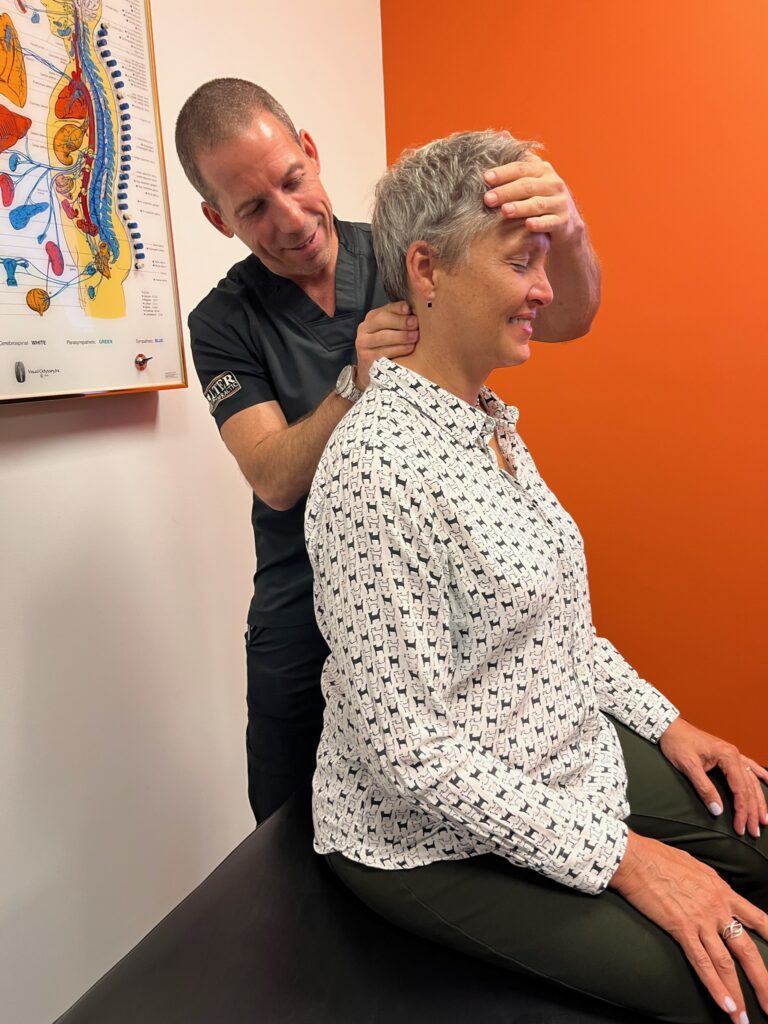
If you’re experiencing back pain, I encourage you to consider holistic approaches that can offer significant relief. As a chiropractor, I often see the benefits of techniques such as acupuncture and yoga, which not only alleviate physical discomfort but also enhance your overall well-being. These methods work in harmony with the body’s natural healing processes, allowing you to regain balance and health.
Understanding how chiropractic care and these complementary practices function can empower you to make informed decisions about your recovery journey. You may be wondering what specific benefits to expect, such as improved mobility, reduced pain, and a greater sense of relaxation. I can help guide you on how to incorporate these approaches into your daily routine effectively, ensuring a well-rounded strategy for managing your back pain. Let’s explore these options together for a healthier, pain-free life.
Understanding the Causes of Back Pain
As your local chiropractor, I want to help you understand the underlying causes of back pain so you can take effective steps towards relief.
Many patients are surprised to learn that back pain often arises from issues such as poor posture, muscle strain, and various health conditions. If you find yourself sitting for long periods or slouching, it can lead to misalignment in your spine, resulting in discomfort.
Additionally, lifting heavy objects improperly or pushing your body too hard during physical activities can contribute to pain.
It’s also important to recognize that stress and emotional tension can manifest physically as back pain. When you’re under stress, your muscles tend to tighten, leading to discomfort in your back.
Furthermore, a sedentary lifestyle can weaken your core muscles, making your back more vulnerable to injury.
By identifying these factors, we can work together to make beneficial lifestyle adjustments.
I encourage you to introduce regular movement into your daily routine, practice good posture, and find effective ways to manage stress.
Taking these proactive steps can significantly reduce your pain and enhance your overall well-being.
The Role of Physical Therapy
Chiropractic care plays a crucial role in managing and alleviating back pain through natural healing methods. When you come to see a chiropractor, we start by assessing your condition to understand the root cause of your discomfort. From there, we create a personalized treatment plan tailored to your specific needs.
During your sessions, you’ll engage in gentle adjustments aimed at realigning your spine and improving your overall function. These adjustments are vital for restoring mobility, reducing pain, and preventing future issues.
We also focus on educating you about proper body mechanics, which helps you move safely during your daily activities, minimizing strain on your back and fostering better habits.
In addition to spinal adjustments, we may incorporate manual therapy techniques, such as soft tissue work and stretching, which can provide immediate relief by alleviating muscle tension and enhancing circulation.
Regular chiropractic sessions not only support your recovery but also equip you with strategies to maintain a healthy spine in the long run.
Benefits of Acupuncture
As a local chiropractor, I want to share with you the benefits of incorporating acupuncture into your holistic approach to managing back pain. This ancient practice targets specific points on the body to stimulate energy flow and encourage natural healing. By doing so, acupuncture can help reduce inflammation and alleviate tension, allowing you to move more freely and comfortably.
Many of my patients have reported experiencing an immediate decrease in pain following their first acupuncture session. This is due to the release of endorphins, the body’s natural pain-relieving chemicals, which can provide significant relief.
In addition to easing back pain, acupuncture can enhance the quality of your sleep, which is essential for overall recovery. Regular treatments can also help you manage stress, a common contributor to chronic pain.
As you begin to notice these improvements, you may find yourself more active and engaged in your daily life, unburdened by discomfort.
Integrating acupuncture into your pain management strategy can empower you to take charge of your health. It offers a natural alternative to medications and invasive procedures.
If you’re curious about how acupuncture can benefit you, I encourage you to give it a try – you might be pleasantly surprised by the positive changes you experience!
Yoga for Back Pain Relief
As a local chiropractor, I want to introduce you to a gentle yet effective approach for relieving back pain: yoga. This ancient practice integrates physical postures, breathing techniques, and mindfulness, all of which can significantly improve flexibility and strength in your back.
I recommend starting with simple poses such as Child’s Pose or Cat-Cow. These movements are excellent for stretching and strengthening your spine, and they can help release tension while promoting better alignment.
As you become more comfortable, consider incorporating poses like Downward Dog and Bridge into your routine. These can enhance core stability and help alleviate discomfort in your back.
It’s crucial to listen to your body—never push yourself into any position that causes pain. Regularly practicing yoga not only supports your physical health but also encourages relaxation, which is vital when managing chronic back pain.
With consistent practice, you may find that you’re not just easing discomfort but also improving your overall well-being. Embracing yoga alongside chiropractic care can be a powerful combination in your journey towards natural healing.
Mindfulness and Meditation Techniques
As a local chiropractor, I want to share how mindfulness and meditation techniques can complement your chiropractic care and help manage back pain. These practices foster a stronger connection between your mind and body, enhancing your overall well-being and reducing stress. Here’s how to get started:
- Create a Calm Environment: Find a comfortable and quiet space in your home or office where you can practice without interruptions. This sets the stage for a soothing experience that can aid your healing journey.
- Breathe Deeply: Begin by taking slow, deep breaths. Inhale deeply through your nose, hold it briefly, and then exhale slowly through your mouth. This simple act of focusing on your breath can help calm your mind and prepare your body for relaxation.
- Body Awareness: While you breathe, take a moment to mentally scan your body from head to toe. Pay special attention to areas of tension, especially in your back. As you identify these areas, consciously allow them to relax. This awareness can enhance the benefits of your chiropractic adjustments.
- Make It a Daily Habit: I recommend practicing mindfulness and meditation for at least 10 minutes each day. Consistency is key—regular practice can lead to significant improvements in managing pain and reducing stress, complementing the care you receive in my office.
Nutritional Approaches to Support Back Health
As a chiropractor, I often emphasize the important role that nutrition plays in maintaining a healthy spine. What you eat can have a significant impact on your back health—certain foods can either support your spine or lead to discomfort and pain.
For instance, incorporating anti-inflammatory foods into your diet, such as leafy greens, nuts, and fatty fish, can help alleviate pain and reduce inflammation. Omega-3 fatty acids, particularly found in salmon, are especially beneficial for joint health.
Hydration is another key factor; ensuring you drink enough water helps keep your spinal discs well-lubricated and functioning optimally. It’s also wise to limit your intake of processed foods, sugar, and excessive alcohol, as these can increase inflammation and contribute to weight gain, adding extra pressure on your back.
Additionally, focusing on calcium and vitamin D is crucial for maintaining strong bones. Foods like yogurt, almonds, and fortified cereals can be great additions to your meals.
Finally, achieving and maintaining a healthy weight through balanced nutrition can significantly relieve strain on your back. By being mindful of your eating habits, you can take significant steps toward achieving better back health and enhancing your overall well-being.
The Importance of Ergonomics and Posture
As a local chiropractor, I want to share with you how your daily habits—specifically how you sit and move—can significantly impact your back health. Understanding ergonomics and maintaining good posture are crucial steps in both preventing and alleviating back pain.
Here are some important aspects to consider:
- Chair Height: It’s essential that your chair provides adequate support for your lower back. Make sure your feet are flat on the floor; this promotes better alignment and reduces strain on your spine.
- Screen Position: Your computer screen should be at eye level. This not only helps prevent neck strain but also takes pressure off your back, allowing you to maintain a more natural posture.
- Keyboard Placement: Position your keyboard so that your elbows form a 90-degree angle. Your wrists should remain straight while typing; this can prevent discomfort and potential injuries.
- Movement Breaks: It’s vital to take regular breaks. Stand up, stretch, and walk around periodically throughout your day. These small movements can alleviate tension and improve circulation, which is beneficial for your overall spinal health.
By making these adjustments, you can enhance your well-being and support your spine’s health.
Conclusion
As your local chiropractor, I want to share with you how incorporating holistic approaches into your daily routine can significantly alleviate your back pain and improve your overall health. Understanding the root causes of your discomfort is the first step. Techniques such as acupuncture can be beneficial, and practices like yoga can help increase flexibility and strengthen your back.
Mindfulness techniques are also essential, as they can reduce stress and promote relaxation, which in turn can lessen tension in your back muscles. Additionally, don’t overlook the importance of nutrition; what you eat can affect your body’s healing processes. Proper ergonomics, whether at work or at home, plays a critical role in maintaining spinal health.
By embracing these holistic methods, you can create a comprehensive plan for relief. Supporting your back’s healing journey will allow you to lead a more active and pain-free life. Remember, investing in your well-being is always worthwhile! If you have any questions about how we can work together on this journey, feel free to ask!