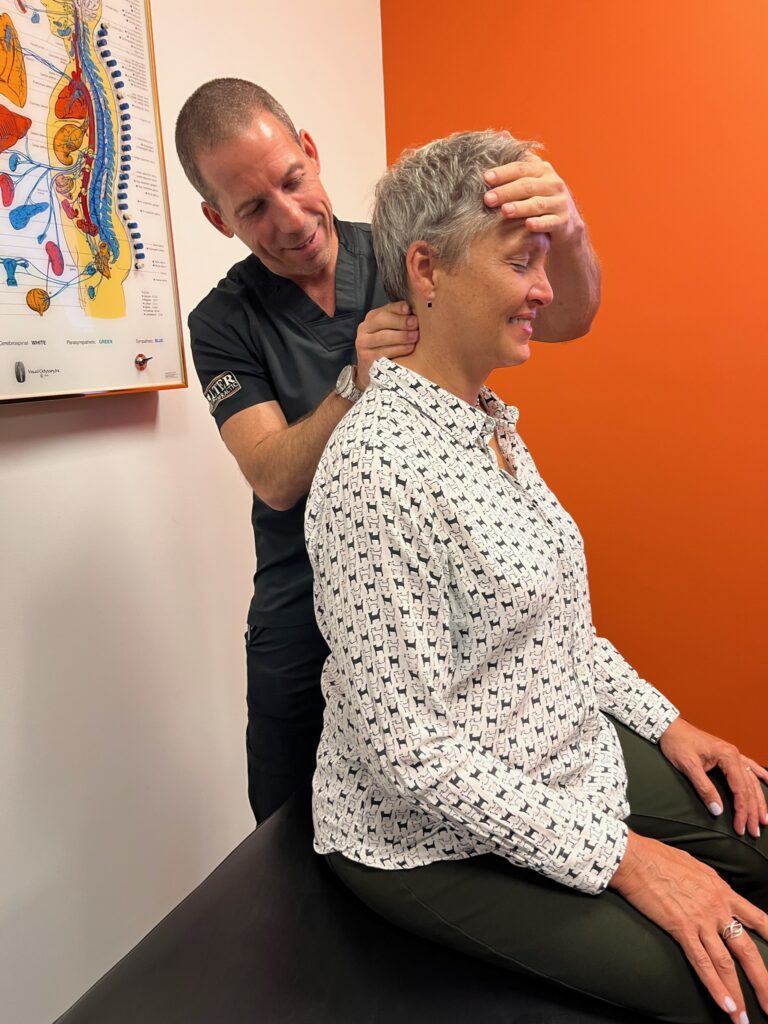

If you’re experiencing back pain, I want to share some valuable insights about how chiropractic care can help you find relief. As a local chiropractor, I often see how beneficial it is to combine spinal adjustments with specific exercises tailored to your needs. Chiropractic adjustments work to realign your spine and relieve pressure on your nerves, which can significantly improve your mobility and overall comfort.
However, this is just one part of your healing journey. By incorporating targeted exercises alongside your adjustments, you can enhance your recovery, strengthen your back, and build resilience against future discomfort. If you’re curious about how to effectively integrate these approaches for optimal results, I invite you to explore this journey with me. Together, we can develop a personalized plan that addresses your unique situation and helps you regain your quality of life.
Understanding Back Pain: Causes and Symptoms
As a local chiropractor, I want to help you understand back pain, its causes, and the symptoms you might experience, so you can find the right path to relief through natural healing.
Back pain can arise from various issues, including muscle strains, herniated discs, or improper lifting techniques. You might feel discomfort during everyday activities, especially when bending or lifting.
The symptoms can vary widely; you may experience a dull ache or a sharp, stabbing pain that sometimes radiates down your legs. Stiffness and limited mobility are also common, making even simple tasks feel challenging.
It’s important to recognize whether your pain is acute or chronic. Acute pain often follows an injury, while chronic pain can linger for months or even longer.
Listening to your body during these episodes is crucial. Keeping a journal of your symptoms can be incredibly helpful. It allows you to identify what triggers your pain and informs our discussions about your treatment options.
Together, we can develop a personalized plan that aligns with your body’s natural healing abilities, promoting recovery and improving your overall well-being.
The Importance of Posture in Back Health
As a local chiropractor, I want to emphasize the vital role that good posture plays in maintaining your back health. Proper posture helps to evenly distribute your weight and significantly reduces the strain on your spine. When you sit, stand, or walk with correct alignment, you allow your muscles and ligaments to operate effectively, which can help prevent injuries and alleviate chronic pain.
I encourage you to be mindful of your posture throughout your daily activities—whether you’re working at your desk, driving, or engaging in physical exercise. Simple adjustments, such as keeping your shoulders back, your spine straight, and your feet flat on the ground, can lead to substantial improvements in your back health.
It’s also crucial to pay attention to how you lift objects. Always bend at your knees rather than at your waist to safeguard your back.
Practicing good posture not only supports your physical health but also has the potential to elevate your mood and increase your energy levels. By making a conscious effort to align your body correctly, you may notice a remarkable difference in your overall well-being.
Chiropractic Adjustments for Pain Relief
As your local chiropractor, I want to emphasize the importance of maintaining proper posture for not only supporting your back health but also enhancing the effectiveness of the chiropractic adjustments we provide.
When you come to see me, I’ll carefully assess your spinal alignment and pinpoint any areas of tension or misalignment. My goal with these adjustments is to restore your spine’s natural position, alleviating pressure on your nerves and ultimately reducing your pain.
Many of my patients experience immediate relief following an adjustment, but it’s essential to understand that ongoing sessions can help maintain and build upon that progress. I customize my techniques to meet your unique needs, often incorporating a combination of manual adjustments and complementary therapies.
This personalized approach can significantly enhance your mobility and overall wellness.
Furthermore, I find that regular chiropractic care not only addresses existing pain but also serves as a preventative measure for future issues. By committing to this holistic treatment, you’re making a valuable investment in your long-term back health.
I encourage you to communicate openly with me about your symptoms and any changes you notice during your treatment journey. Together, we can work towards achieving your health goals and ensuring a healthier, pain-free future.
Stretching Exercises to Alleviate Back Discomfort
As a local chiropractor, I want to emphasize the importance of stretching exercises in alleviating back discomfort and enhancing overall flexibility.
Incorporating effective stretching techniques into your daily routine can significantly ease tension and improve your mobility.
However, it’s crucial to prioritize safety to prevent any potential injuries while stretching.
Benefits of Stretching
As a local chiropractor, I want to emphasize the vital role that stretching plays in maintaining back health. Many individuals underestimate its importance, yet stretching is essential for alleviating back discomfort. By improving flexibility, stretching reduces stiffness in your muscles and joints, allowing for smoother movement.
When you incorporate regular stretching into your routine, you promote better blood circulation, which means that essential nutrients are delivered to your back tissues more efficiently. This enhanced circulation not only aids in faster recovery from any discomfort but also helps release tension that may have built up in your back, providing you with immediate relief.
Moreover, engaging in regular stretches encourages better posture, which is crucial for reducing strain on your spine and the muscles that support it. By prioritizing stretching, you’re not merely addressing any existing pain; you’re actively working to prevent future issues from arising.
I encourage you to take just a few minutes each day to stretch. This simple practice can lead to significant improvements in your overall back health and comfort.
Effective Stretching Techniques
As a chiropractor dedicated to helping you understand the benefits of natural healing, I want to share some effective stretching techniques that can significantly reduce back discomfort.
One of the first stretches I recommend is the cat-cow stretch. This movement is excellent for enhancing flexibility in your spine. To perform it, get on your hands and knees and alternate between arching your back upwards and dipping it down while lifting your head.
Another beneficial stretch is the seated forward bend. This involves sitting with your legs extended in front of you and reaching for your toes, which helps to alleviate tension in your lower back.
You might also find relief with the child’s pose. Simply kneel, sit back on your heels, and extend your arms forward while relaxing your back. This pose is great for calming the nervous system and relieving stress in the spine.
Lastly, consider incorporating the standing quadriceps stretch into your routine. While standing on one leg, grab your ankle and gently pull it towards your glutes. This stretch can help alleviate tension in your lower back and improve overall mobility.
By regularly practicing these stretches, you can enhance your comfort and improve your back’s mobility, contributing to your overall well-being.
Safety Precautions to Consider
As your local chiropractor, I want to emphasize the importance of safety precautions when it comes to your stretching routine, especially for the health of your back.
Before you begin stretching, it’s crucial to warm up your muscles with some light activity—try a brisk walk for at least five minutes. This simple step can significantly reduce the risk of injury.
When you’re stretching, always pay attention to what your body is telling you. It’s vital not to push through any pain. Aim to hold each stretch for 15-30 seconds, and remember to avoid bouncing, as this can lead to strain and discomfort.
Proper posture is essential during your stretches. Keep your back straight and your core engaged to support your spine effectively. If you feel any discomfort or sharp pain, please stop immediately and consider consulting with me or another healthcare professional to address any underlying issues.
Lastly, don’t forget to stay hydrated. Proper hydration is key to muscle recovery and overall health.
Strengthening Exercises for a Resilient Back
As a local chiropractor, I want to emphasize the importance of building a resilient back through proper exercises.
It’s essential to focus on core stability drills that not only strengthen your muscles but also provide the support your spine needs.
Additionally, incorporating flexibility and mobility exercises into your routine will contribute to overall back health and resilience.
By understanding how these strengthening exercises work, you can make a significant impact on your back health and well-being.
Let’s explore these techniques together and help you achieve a stronger, healthier back.
Core Stability Drills
As a local chiropractor, I want to emphasize the importance of core stability drills in managing and alleviating back pain. Many of my patients may not realize that strengthening the muscles that support your spine can significantly enhance your overall resilience and well-being. These exercises not only help to improve your posture but also reduce discomfort and pain.
One of the foundational exercises I often recommend is the plank. This simple yet effective move engages your entire core and stabilizes your back, laying the groundwork for a stronger foundation. Additionally, side planks are excellent for targeting your oblique muscles, which are crucial for maintaining balance and stability.
Another great exercise to incorporate is the bird-dog. This movement promotes coordination and stability in your lower back, which is vital for everyday activities. I encourage you to integrate these core stability drills into your routine three to four times a week. Start at a comfortable level and gradually increase the duration and intensity as you build strength.
Consistency is essential in this journey. By dedicating yourself to these drills, you’ll likely experience improved functionality and a noticeable reduction in discomfort over time.
Flexibility and Mobility
As your local chiropractor, I want to emphasize the importance of flexibility and mobility in maintaining a healthy and resilient back. While core stability is crucial, incorporating stretching and mobility exercises into your daily routine is equally vital for alleviating tension, improving posture, and enhancing overall movement.
I recommend focusing on dynamic stretches like hip openers and spine twists, as these can significantly increase your range of motion. Don’t overlook the benefits of static stretches either—exercises such as hamstring and quadriceps stretches can help release tightness that may contribute to discomfort.
Additionally, practices like yoga or Pilates can greatly enhance your flexibility while also strengthening your back. Consistency is key; dedicating just a few minutes each day to these exercises can lead to noticeable improvements over time.
Remember, maintaining a flexible back not only supports your daily activities but also plays a crucial role in reducing the risk of injury. By prioritizing these exercises, you can create a strong, balanced, and resilient back.
As your chiropractor, I’m here to guide you on this journey to better health through natural healing methods.
The Role of Physical Therapy in Recovery
As a local chiropractor, I want to emphasize the important role that chiropractic care can play in your recovery from back pain. While many individuals seek quick relief, it’s essential to address the underlying causes of your discomfort to achieve lasting health.
Through personalized chiropractic treatment, we can create a plan designed specifically for you, focusing on healing and strengthening your back naturally.
Here are three key benefits of chiropractic care for back pain recovery:
- Tailored Adjustments: Chiropractic adjustments target specific misalignments in your spine, promoting proper alignment and function. This not only helps alleviate pain but also strengthens your core and improves stability, reducing the risk of future injuries.
- Postural Guidance: I’ll work with you to identify and correct any poor posture habits that may contribute to your pain. By educating you on maintaining a healthier alignment throughout your daily activities, we can help prevent further issues down the line.
- Natural Pain Relief Techniques: In addition to spinal adjustments, I can introduce you to various natural pain management techniques, including therapeutic exercises, stretching, and soft tissue work, to enhance your mobility and reduce discomfort.
Incorporating Yoga for Flexibility and Pain Management
Incorporating yoga into your routine can significantly enhance your flexibility and assist in pain management, which complements the chiropractic care we provide. As a chiropractor, I often emphasize the importance of body awareness, and practicing yoga can help you develop a deeper understanding of your physical self, allowing you to identify areas of tension that may contribute to discomfort.
I recommend starting with gentle poses such as Child’s Pose and Cat-Cow. These stretches target the spine and can relieve discomfort, making them excellent choices for anyone, especially if you’re new to exercise or recovering from an injury.
As you become more comfortable, you might explore poses like Downward Dog and Cobra, which not only strengthen the back but also promote greater flexibility.
It’s vital to listen to your body during your practice—never push yourself into pain. This mindful approach aligns well with the principles of chiropractic care, where we prioritize your comfort and well-being.
Consistency is essential; aim for short sessions multiple times a week to reap the full benefits. Many patients find that yoga not only promotes physical healing but also fosters relaxation, which can help alleviate stress that often exacerbates pain.
I encourage you to consider joining a local class or exploring online videos to support your practice. Together, yoga and chiropractic care can lead you toward a more balanced and pain-free lifestyle.
Ergonomic Solutions for Daily Activities
As your local chiropractor, I want to share some important tips to help you prevent back pain during your daily activities. It’s crucial to embrace ergonomic solutions that support your body’s natural alignment.
First, let’s talk about your workspace. Adjusting your desk setup is vital; make sure your chair and desk height allow for a comfortable posture. Your feet should be flat on the ground, and your screen should be at eye level to avoid straining your neck.
When it comes to lifting objects, always use proper techniques. Bend at your knees, not your back, and keep the object close to your body to reduce strain on your spine.
Lastly, consider the seating options you use throughout the day. Supportive chairs that encourage good posture can make a significant difference in how you feel.
Proper Desk Setup
As a local chiropractor, I want to emphasize the importance of creating a proper desk setup to help prevent back pain, especially if you find yourself working long hours.
Simple adjustments can significantly enhance your comfort and productivity, which is crucial for your overall well-being.
- Chair Height: Ensure that your chair is at the right height so your feet can rest flat on the floor. Your knees should form a 90-degree angle, which helps maintain proper spinal alignment and reduces pressure on your lower back.
- Monitor Position: Position your monitor at eye level and about an arm’s length away. This setup not only helps reduce neck strain but also encourages a more natural posture while you work.
- Keyboard and Mouse: Keep your keyboard and mouse within easy reach. This minimizes the need to stretch or reach out, allowing your elbows to remain relaxed at your sides and bent at 90 degrees. This alignment can prevent unnecessary strain on your wrists and shoulders.
By implementing these ergonomic solutions, you can support a healthier posture and alleviate discomfort while you work.
Remember, taking care of your body is essential for maintaining your health, and small changes can make a significant difference.
If you have any concerns about your posture or experience ongoing discomfort, don’t hesitate to reach out for guidance on how chiropractic care can assist you in achieving a pain-free lifestyle.
Correct Lifting Techniques
As a chiropractor dedicated to promoting natural healing and overall well-being, I want to share some essential lifting techniques that can help prevent back pain and injury.
When lifting objects, it’s crucial to use the right methods. First, position yourself close to the item you’re about to lift, ensuring your feet are shoulder-width apart for optimal stability.
Bend at your knees while keeping your back straight; this will help protect your spine. Grip the object firmly and, as you lift, engage your core muscles and push through your legs.
Avoid twisting your body while lifting, as this can put unnecessary strain on your back. If you find the object is particularly heavy, don’t hesitate to ask for assistance or utilize tools like dollies or lifting straps to make the task easier.
When it’s time to set the item down, remember to bend your knees again and maintain a straight back.
Supportive Seating Options
As a local chiropractor, I want to emphasize the importance of choosing the right seating for your daily comfort and spinal health. Proper seating can significantly reduce strain on your body and promote better posture, which is essential for overall well-being.
Here are three supportive seating options I recommend for my patients:
- Ergonomic Office Chair: When working at a desk, it’s crucial to have a chair that supports your spine. Look for features such as adjustable lumbar support, seat height, and armrests. These adjustments help maintain your spine’s natural alignment, reducing the risk of discomfort and injury.
- Supportive Cushions: Many of us spend a lot of time in our cars or on our couches at home. Investing in high-quality memory foam or gel cushions can make a significant difference in your comfort. These cushions provide additional support to your lower back and help alleviate pressure points, enhancing your overall sitting experience.
- Exercise Ball Chair: If you’re looking for a dynamic seating option, consider using a balance ball as a chair. This encourages core engagement and promotes active sitting, which can help relieve tension in your back and improve your posture over time.
Incorporating these seating options into your daily life can help improve your sitting habits and effectively alleviate back pain.
Lifestyle Changes for Long-Term Back Health
As your local chiropractor, I want to share some essential lifestyle changes that can greatly enhance your long-term back health. It’s important to take a proactive approach to your spine and overall well-being. One of the first steps is to incorporate regular physical activity into your daily routine. A balanced mix of strength training, stretching, and aerobic exercises can significantly improve your flexibility and core strength, which are crucial for a healthy back.
Additionally, I encourage you to be mindful of your posture in all activities—whether you’re sitting at a desk, standing in line, or lifting objects. Using ergonomic furniture and employing proper lifting techniques can help minimize unnecessary strain on your spine, which is vital for preventing injuries.
Maintaining a healthy weight is also crucial, as excess weight can put additional pressure on your spine. Focus on a balanced diet that includes plenty of anti-inflammatory foods, such as fruits, vegetables, and whole grains. Staying well-hydrated is equally important, as it supports the health of your spinal discs and overall spine function.
Finally, never underestimate the power of restorative sleep. Quality sleep allows your body to recover and heal, which is essential for keeping your back healthy.
When to Seek Professional Help for Back Pain
As a local chiropractor, I want to help you understand when your back pain might need professional attention.
It’s essential to pay close attention to what your body is telling you. If your discomfort continues despite trying home remedies or if it seems to worsen, it’s time to reach out for help.
Here are three important signs that suggest it may be time to consult a chiropractor:
- Radiating Pain: If you’re experiencing sharp pain that travels down your legs or numbness in your arms, this could indicate that your nerves are involved. Chiropractic care can help alleviate this type of pain by addressing the underlying issues.
- Severe Stiffness: If bending or twisting causes significant discomfort, this could be a signal that your spine needs evaluation. Chiropractic adjustments can assist in restoring mobility and easing stiffness.
- Accompanied Symptoms: If your back pain is paired with unexplained weight loss, fever, or issues with bladder or bowel control, it’s crucial to seek medical advice right away. These symptoms may indicate a more serious condition that requires prompt attention.
Recognizing these warning signs can lead you to the appropriate treatment and help prevent further complications.
Your back deserves care, so don’t ignore the signals! As a chiropractor, I’m here to guide you on your journey to natural healing and improved well-being.
Conclusion
As a local chiropractor, I want to share how incorporating chiropractic adjustments along with targeted exercises can significantly improve your back health. Many of my patients find that by addressing both pain relief and strengthening, they can establish a more resilient spine.
It’s essential to understand the importance of proper posture, regular stretching, and core stability exercises. These practices not only alleviate discomfort but also help prevent future issues. Furthermore, embracing ergonomic solutions in your daily routine can make a world of difference. If you’re open to it, consider incorporating yoga into your life for enhanced flexibility.
Always remember to listen to your body. If something doesn’t feel right, or if you’re unsure about how to start, seeking professional guidance is crucial for long-term relief and overall well-being. Together, we can take proactive steps toward better back health. Don’t hesitate to reach out and take charge of your wellness journey today!