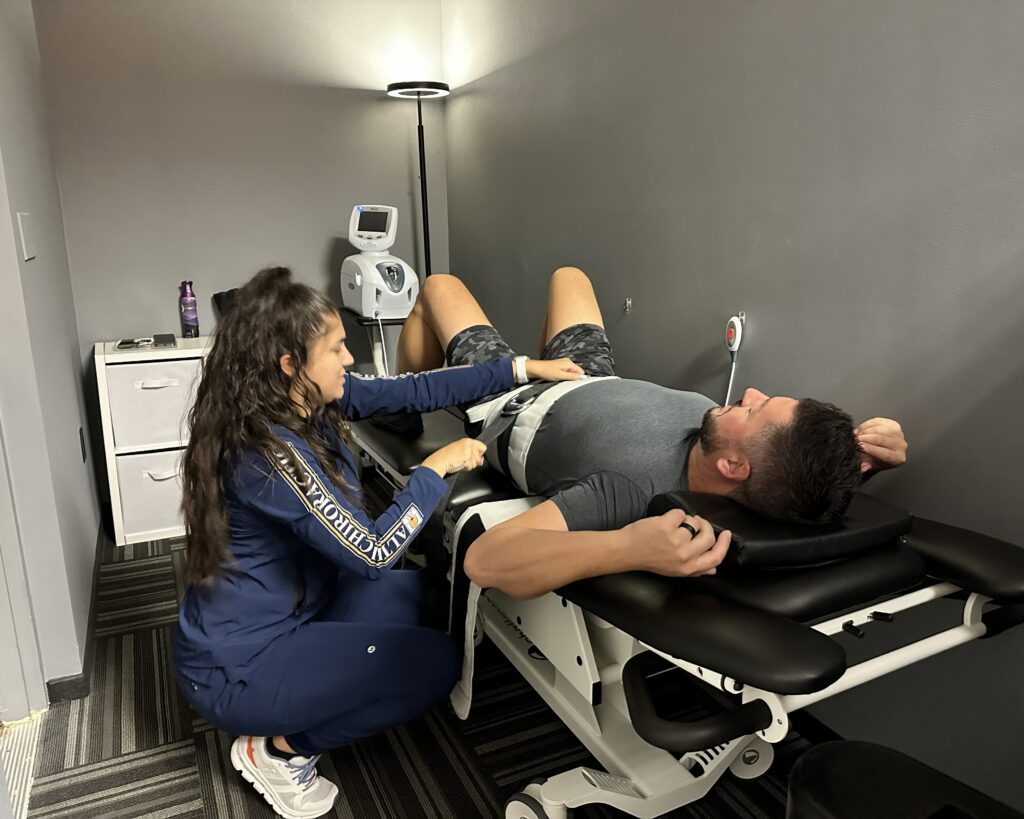

If you’ve ever dealt with migraines or cervical discomfort, you understand how much they can impact your daily life. Finding effective ways to alleviate your symptoms is vital, and I’m here to share how chiropractic care can be a natural and powerful solution.
Chiropractic care focuses on the alignment of your spine and overall wellness, which can play a significant role in reducing pain and discomfort. By addressing the root cause of your issues rather than just masking symptoms, chiropractic adjustments can help restore proper function to your nervous system, promoting better health and relief from migraines and neck pain.
In addition to chiropractic adjustments, there are several lifestyle changes and natural approaches you can incorporate into your routine. Here are some tips to consider:
- Stay Hydrated: Dehydration can trigger headaches, so ensure you’re drinking plenty of water throughout the day.
- Practice Good Posture: Poor posture can lead to neck strain and discomfort. Be mindful of your posture, especially if you work at a desk for long hours.
- Regular Exercise: Engaging in regular physical activity can help reduce stress and tension in your body, which are common triggers for migraines.
- Stress Management: Techniques such as deep breathing, meditation, or yoga can help manage stress levels, reducing the likelihood of headache occurrences.
- Sleep Hygiene: Quality sleep is crucial for overall health. Try to establish a regular sleep schedule and create a restful environment for better sleep quality.
- Chiropractic Visits: Regular chiropractic adjustments can help keep your spine aligned and may prevent migraines and neck pain from occurring in the first place.
Remember, everyone is different, so it may take some time to find the right combination of strategies that work for you. The key is to take a proactive approach to your health. By integrating chiropractic care into your wellness routine, you’re choosing a natural path toward optimal health and pain relief. If you’re ready to explore how chiropractic care can help you manage your migraines and cervical discomfort, don’t hesitate to reach out for a consultation. Your journey to a healthier, pain-free life starts here!
Understanding Migraines and Cervical Discomfort
When you experience a migraine, it often coincides with discomfort in your neck, which can make things even more difficult. This combination of pain can arise from factors like muscle tension, poor posture, or stress. When the muscles in your neck tighten, they can increase pressure and worsen your migraine. Understanding this relationship is key to managing both issues effectively.
You may find that certain activities or positions can aggravate both your migraine and neck pain. For instance, sitting for extended periods or sleeping in uncomfortable positions can perpetuate this cycle. Being aware of how your neck feels during a migraine can help you recognize when it’s time to try gentle stretching or relaxation techniques.
Incorporating simple neck exercises into your daily routine can provide significant relief. Here are a few tips to help you manage both migraines and cervical discomfort naturally:
- Practice Good Posture: Make a conscious effort to maintain good posture while sitting or standing. This can help alleviate unnecessary strain on your neck.
- Take Breaks: If you work at a desk, take regular breaks to stand up, stretch, and move around. This can help reduce muscle tension and improve circulation.
- Stay Hydrated: Dehydration can trigger migraines. Make sure to drink plenty of water throughout the day.
- Use Heat or Cold: Applying a warm compress or a cold pack to your neck can help soothe muscle tension and reduce pain.
- Explore Chiropractic Care: Regular chiropractic adjustments can help align your spine, relieve pressure on your nerves, and promote overall wellness. This holistic approach focuses on natural healing and can be an effective way to manage migraines and neck pain without medication.
By becoming more aware of how neck discomfort and migraines are connected, and by taking these proactive steps, you can work towards finding relief and enhancing your overall health.
Identifying Triggers and Symptoms
Identifying triggers and symptoms of migraines is crucial for effective management, and as a chiropractor, I believe that understanding these can lead to better overall health and wellness. Paying close attention to what happens before a migraine strikes can empower you to take control of your health. Common triggers include stress, certain foods, hormonal changes, and environmental factors like bright lights or strong smells.
Keeping a migraine diary can be a valuable tool; it allows you to track when your migraines occur and what might’ve led up to them.
Symptoms often begin with warning signs, such as visual disturbances or tingling sensations. As the migraine progresses, you may experience intense pain, sensitivity to light and sound, or nausea. Recognizing these symptoms early can help you take action sooner, possibly preventing a full-blown migraine.
As a chiropractor, I recommend incorporating regular spinal adjustments into your wellness routine. Misalignments in the spine can contribute to tension and stress, which are common triggers for migraines. By ensuring that your spine is properly aligned, you may find relief from migraine symptoms and improve your overall well-being.
In addition to chiropractic care, here are a few general tips to help manage migraines naturally:
- Stay Hydrated: Drink plenty of water throughout the day. Dehydration can be a significant trigger for migraines.
- Maintain a Healthy Diet: Keep track of foods that may trigger your migraines and try to avoid them. Eating balanced meals can also help stabilize energy levels.
- Manage Stress: Engage in relaxation techniques such as deep breathing, meditation, or yoga. These practices can help reduce stress and tension in your body.
- Get Enough Sleep: Ensure you’re getting adequate rest. A consistent sleep schedule can help maintain your body’s natural rhythms and reduce migraine occurrences.
- Exercise Regularly: Gentle physical activity can improve your overall health and reduce stress levels.
By focusing on these natural approaches and incorporating chiropractic care into your routine, you can work towards achieving optimal health and potentially reducing the frequency and intensity of migraines.
Traditional Medical Treatments
While many people seek natural remedies for migraines, chiropractic care is an excellent choice for managing this debilitating condition. As a chiropractor, I believe in the power of spinal health and its connection to overall wellness. Misalignments in the spine can contribute to migraines by putting pressure on nerves and disrupting the body’s natural processes.
Through gentle adjustments, chiropractic care can help restore alignment, reduce tension, and promote better blood flow, which may alleviate migraine symptoms.
In addition to spinal adjustments, there are several natural strategies you can incorporate into your routine to help manage migraines. Regular exercise, such as walking or yoga, can improve circulation and reduce stress, which is often a trigger for migraines. Staying hydrated and maintaining a balanced diet rich in fruits, vegetables, and whole grains can also support your body’s health and potentially reduce the frequency of migraines.
If you notice that your migraines are associated with neck discomfort, chiropractic care can be particularly beneficial. Techniques such as physical therapy and specific exercises may help relieve tension in the neck and shoulders, which can often contribute to migraine pain.
Always consult with your chiropractor to develop a personalized wellness plan that addresses your specific needs. Keeping a migraine diary can also be helpful; tracking your symptoms, triggers, and what treatments you’ve tried can lead to better insights and more effective management strategies.
Alternative Therapies and Practices
When it comes to managing migraines, chiropractic care can be an excellent option for finding relief and promoting overall well-being. Many patients have experienced significant improvements in their migraine symptoms through spinal adjustments and holistic approaches that focus on the body’s natural ability to heal.
Chiropractic adjustments can help alleviate tension in the spine and improve nervous system function, which may reduce the frequency and intensity of migraine attacks.
Additionally, incorporating lifestyle changes such as regular exercise, proper hydration, and stress management techniques can further enhance your well-being.
Consider exploring chiropractic care as a natural way to address your migraines and support your journey to optimal health.
Acupuncture for Pain Relief
If you’re looking for relief from migraines, chiropractic care is a fantastic option to consider. This holistic approach focuses on the alignment of your spine and overall body mechanics, which can significantly impact your health and well-being. Many individuals experience fewer migraine episodes and reduced intensity through regular chiropractic adjustments.
Chiropractic care can effectively alleviate tension in the neck and shoulders—common culprits behind headaches. By ensuring proper spinal alignment, chiropractors help release tightness, improve circulation, and promote overall wellness.
Additionally, chiropractic treatments are generally well-tolerated and have minimal side effects, making them an appealing choice for those seeking natural pain relief without medications. If you’re interested in exploring chiropractic care, find a certified chiropractor with experience in treating migraines. During your visit, discuss your symptoms and treatment goals to tailor a plan that suits your needs.
Herbal Remedies and Supplements
When it comes to finding relief from migraines, exploring natural healing options can be a great way to support your overall wellness. As a chiropractor, I believe that the body has an incredible ability to heal itself, and chiropractic care can play a key role in managing pain, including migraines.
Incorporating herbal remedies and supplements may provide additional support for your migraine relief. For instance, herbs like feverfew and butterbur have been studied for their potential to reduce the frequency and intensity of migraine attacks. Additionally, magnesium supplements have shown promise in alleviating headache symptoms for many individuals. Ginger is another natural option worth considering, as it’s known for its anti-inflammatory properties that can help ease pain.
While these remedies can be beneficial, it’s important to remember that they should complement your chiropractic care, not replace it. Regular chiropractic adjustments can help align your spine, improve nervous system function, and reduce tension, which can all contribute to less frequent and less severe migraines.
Here are some general tips to help manage migraines naturally:
- Stay hydrated: Dehydration can trigger headaches, so drink plenty of water throughout the day.
- Maintain a consistent sleep schedule: Aim for 7-9 hours of quality sleep each night to help regulate your body’s natural rhythms.
- Manage stress: Consider incorporating relaxation techniques like deep breathing, meditation, or yoga into your routine to help reduce stress levels.
- Eat a balanced diet: Focus on whole foods, including plenty of fruits, vegetables, and healthy fats, to support your overall health.
Always consult with a healthcare professional before starting any new treatment, including herbal remedies or supplements. By combining these natural approaches with regular chiropractic care, you can empower yourself on the journey to finding relief from migraines and achieving optimal health.
Lifestyle Modifications for Prevention
Migraines can be incredibly challenging, but with some simple lifestyle adjustments, you can significantly reduce their frequency and intensity. As a chiropractor, I want to emphasize the importance of a holistic approach to wellness, which includes understanding your body and its needs.
Start by identifying and avoiding common migraine triggers such as certain foods, stress, and lack of sleep. Keeping a migraine diary can be a useful tool to help you track these triggers and understand how they affect you.
Establishing a consistent sleep routine is crucial. Aim for 7-9 hours of restorative sleep each night, and try to maintain a regular schedule by going to bed and waking up at the same time every day. Proper hydration is also key; make sure to drink plenty of water throughout the day to keep your body functioning optimally.
Incorporating regular physical activity into your routine can be highly beneficial. Activities like yoga, walking, or even gentle stretching not only promote relaxation but can also help alleviate tension that may contribute to migraines.
Additionally, practicing relaxation techniques such as deep breathing or meditation can be effective in managing stress levels. These practices not only help with stress but also promote overall wellness, contributing to a healthier spine and body.
Lastly, don’t overlook the benefits of chiropractic care. Regular adjustments can help maintain spinal alignment, reduce tension, and improve your overall health, making it an excellent choice for those seeking natural relief from migraines and other discomforts.
The Role of Physical Therapy
Chiropractic care can be a game-changer for managing your migraines. By focusing on spinal health and alignment, we can help alleviate the tension and discomfort that often contribute to headaches. Our personalized treatment plans are designed to address your unique needs, helping you find significant relief without the need for medications or surgeries.
Let’s explore how chiropractic approaches can empower you to take control of your headaches:
- Spinal Adjustments: Regular chiropractic adjustments can help restore proper alignment in your spine, which may reduce nerve irritation and improve overall function. This can lead to fewer headaches and a greater sense of well-being.
- Posture Improvement: Poor posture can be a major contributor to migraines. As chiropractors, we can offer guidance on maintaining good posture in your daily life, which can help alleviate strain on your neck and back, reducing headache frequency.
- Stress Relief Techniques: Stress is a common trigger for migraines. We can teach you relaxation techniques and exercises that promote stress relief, helping to reduce the likelihood of headaches.
- Lifestyle Recommendations: Simple changes in your daily routine, such as staying hydrated, maintaining a regular sleep schedule, and incorporating gentle exercises, can make a big difference in managing migraines. We can provide tailored advice to help you live healthier.
Remember, chiropractic care offers a natural approach to pain relief and wellness. By focusing on your spine and overall health, you can work towards achieving optimal wellness and reducing the impact of migraines on your life.
If you’re struggling with headaches, consider scheduling a consultation to explore how chiropractic care can help you find relief and regain control.
Techniques for Pain Relief
Migraines can be incredibly challenging, but finding effective pain relief is more attainable than you may believe. As a chiropractor, I want to emphasize that chiropractic care is one of the best ways to achieve optimal health and manage migraine pain naturally.
One of the most effective methods is spinal adjustments. By aligning the spine, we can relieve tension in the neck and shoulders, which often contributes to migraine discomfort. Chiropractic care focuses on restoring proper function to the nervous system, enhancing overall wellness and reducing the frequency and intensity of migraines.
In addition to adjustments, incorporating specific exercises tailored to your needs can make a significant difference. Gentle stretches that target the neck and shoulder muscles can help alleviate tension. A chiropractor can guide you through these exercises, ensuring you perform them correctly to maximize their benefits.
It’s also important to consider relaxation techniques as part of your wellness routine. Deep breathing exercises, mindfulness, and even gentle yoga can help reduce stress, which is a common trigger for migraines. Taking time to practice these techniques can support your journey toward relief and overall well-being.
Personalized Treatment Plans
How can personalized treatment plans enhance your approach to managing migraines? By tailoring your treatment to your specific needs, chiropractic care can help you effectively address the unique triggers and symptoms you experience.
A chiropractor plays a vital role in this process. They can assess your spinal alignment, posture, and movement patterns, creating a customized plan that not only alleviates tension but also promotes better overall health.
Your chiropractor will teach you techniques to manage stress and improve relaxation, which can significantly reduce the frequency and intensity of migraines. Incorporating gentle spinal adjustments can target misalignments in your neck and spine, alleviating muscle tightness and promoting natural healing in your body.
These adjustments can provide immediate relief and help restore balance, allowing you to regain control over your health and well-being.
Additionally, consider integrating simple lifestyle changes that support your chiropractic care. Staying hydrated, maintaining a balanced diet, and practicing regular physical activity can enhance your treatment outcomes.
Remember to pay attention to your body’s signals and work closely with your chiropractor to develop a comprehensive plan that empowers you to live pain-free.
With a personalized approach centered around chiropractic care, you can take proactive steps towards a healthier, migraine-free life.
Mindfulness and Stress Management Techniques
When stress levels rise, having effective strategies at your disposal is essential, and utilizing mindfulness techniques can be particularly beneficial for managing migraines. By practicing mindfulness, you cultivate awareness of your thoughts and feelings without judgment, allowing you to respond to stress in a healthier way. A great place to start is with simple breathing exercises. Take a few moments to focus on your breath—inhale deeply through your nose and exhale slowly through your mouth. This grounding technique can help reduce tension and promote relaxation.
Incorporating meditation into your daily routine can also be a game-changer. Even dedicating just a few minutes each day to clear your mind can significantly lower stress levels.
Another effective method is progressive muscle relaxation, where you tense and then relax different muscle groups in your body. This helps you become more aware of where you hold tension, making it easier to release it.
Engaging in mindful activities such as yoga or tai chi not only promotes relaxation but also supports your overall well-being. These practices can enhance flexibility, strength, and balance, all of which are essential for maintaining a healthy spine.
Remember, a well-aligned spine contributes to better nerve function and overall health, making chiropractic care an excellent choice for pain relief and natural wellness.
Nutritional Approaches for Relief
While many factors can trigger migraines, it’s important to recognize that nutrition plays a significant role in alleviating symptoms. As a chiropractor, I often see how lifestyle choices, including diet, can impact overall health and well-being. You might discover that certain foods can either help or worsen your discomfort. Keeping a food diary can be an effective way to pinpoint potential triggers—common culprits include aged cheeses, processed meats, and alcohol.
Instead, focus on integrating magnesium-rich foods into your meals, such as spinach, nuts, and whole grains. These can help support muscle function and reduce tension, which is vital for spinal health. Omega-3 fatty acids, found in fatty fish like salmon, are known for their anti-inflammatory properties and can contribute to easing headaches.
Staying hydrated is crucial; aim for at least eight glasses of water daily. Dehydration can lead to increased tension, which may trigger a migraine. Additionally, don’t skip meals—maintaining steady blood sugar levels is key to preventing headaches and keeping your body balanced.
Remember, chiropractic care is also a powerful ally in managing migraines. Regular adjustments can help alleviate tension in the spine, improve circulation, and promote relaxation, all of which can contribute to fewer headaches.
Self-Care Strategies for Daily Management
To effectively manage migraines on a daily basis, it’s important to embrace self-care strategies that align with a healthier lifestyle and promote overall wellness. One of the key aspects is establishing a consistent sleep schedule. Aim for seven to eight hours of quality sleep each night; this not only helps in reducing the frequency and severity of migraines but also supports your body’s natural healing processes.
Staying hydrated is crucial as well. Drinking enough water can prevent dehydration, which is a common trigger for migraines. Consider carrying a water bottle with you to remind yourself to drink throughout the day.
Incorporating regular physical activity into your routine is another vital strategy. Exercise can help alleviate stress and tension, both of which are known contributors to migraine attacks. Simple activities like walking, stretching, or even yoga can enhance your physical well-being and promote relaxation.
Mindfulness practices, such as meditation or gentle yoga, can also be beneficial. These practices promote relaxation and can help reduce the frequency of headaches. They encourage you to tune into your body and manage stress more effectively.
Keeping a migraine diary can be an invaluable tool. By tracking your headaches, you can identify patterns and triggers, which allows you to make informed lifestyle adjustments that may help prevent future episodes.
While chiropractic care is a natural and effective option for managing migraines, it’s essential to consult with a chiropractor to explore how spinal alignment and adjustments can relieve tension and improve overall health. Chiropractic care focuses on restoring balance to your body, which can be instrumental in preventing migraines.
Lastly, prioritize self-compassion. Allow yourself time to unwind and recharge. By adopting these self-care strategies and integrating chiropractic care into your wellness routine, you empower yourself to manage your migraines more effectively and promote a healthier, more balanced life.
Conclusion
Incorporating chiropractic care into your routine can be a game changer when it comes to managing migraines and cervical discomfort. Chiropractic adjustments help align your spine, which can relieve tension and improve overall function in your body. Alongside chiropractic treatment, making lifestyle changes and practicing stress management techniques can further enhance your health.
Start by identifying triggers that may lead to your migraines or neck pain. Keeping a journal of your symptoms, diet, and activities can help you pinpoint what to avoid. Embracing alternative therapies, such as acupuncture or massage, can complement your chiropractic care and provide additional relief.
Prioritizing self-care is essential. Make time for regular physical activity, as gentle exercises can help strengthen your neck and back muscles, reducing discomfort. Practicing mindfulness through meditation or deep-breathing exercises can help you manage stress levels, which is crucial since stress is a common trigger for migraines.
Remember, with chiropractic care and these simple lifestyle adjustments, you can take control of your health and well-being. By focusing on natural healing, you can reduce the frequency and intensity of your symptoms and enjoy a healthier, more fulfilling life.