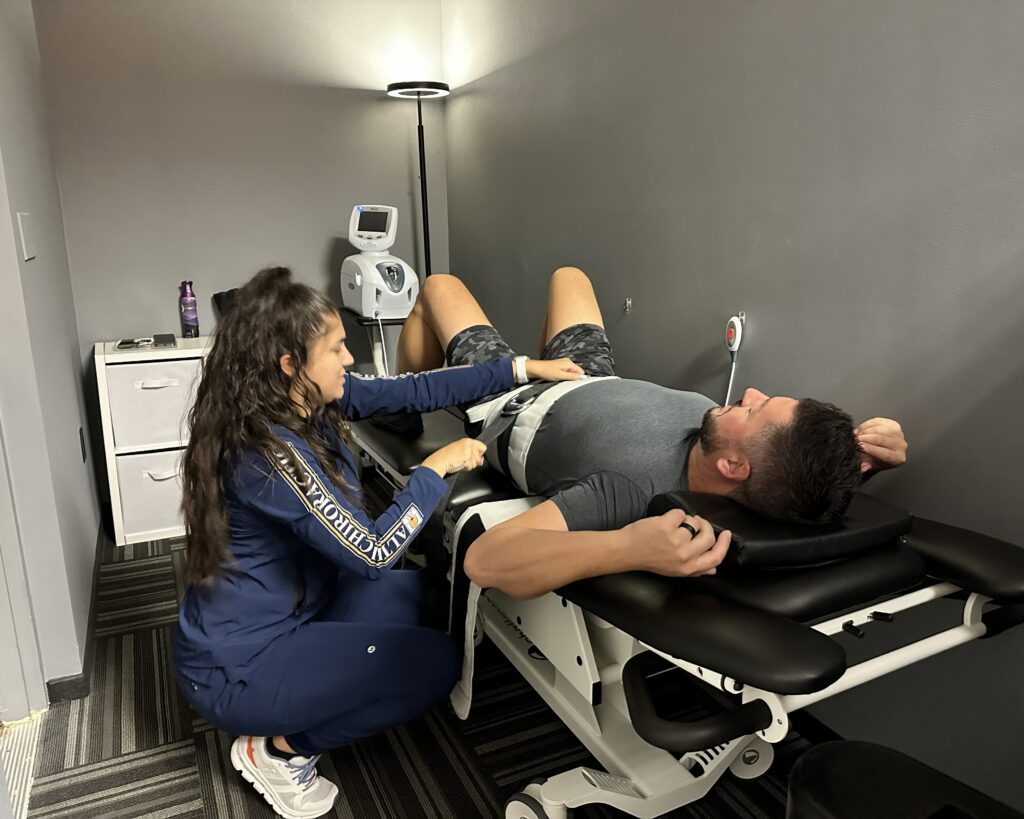

If you’re dealing with neck pain, you’re certainly not alone. Many people experience discomfort due to factors like poor posture, stress, and daily habits. Recognizing these elements is essential for finding effective relief. Chiropractic care stands out as a natural and holistic approach to addressing neck pain and promoting overall wellness.
By making simple adjustments to your daily routine and incorporating chiropractic treatments, you can take significant steps toward relief. Here are some strategies to consider:
- Posture Awareness: Pay attention to your posture, especially when sitting at a desk or using your phone. Keep your shoulders back and your head aligned with your spine to reduce strain on your neck.
- Regular Chiropractic Adjustments: Regular visits to a chiropractor can help realign your spine and improve your overall health. Chiropractic adjustments can relieve tension in your neck and promote better spinal function.
- Stretching and Strengthening: Incorporate gentle neck stretches and strengthening exercises into your routine. Simple movements like tilting your head from side to side or rolling your shoulders can improve flexibility and reduce stiffness.
- Ergonomic Setup: Ensure your workspace is ergonomically friendly. Position your computer screen at eye level and use a chair that supports your lower back. This can help prevent neck strain and discomfort.
- Stress Management: Engage in relaxation techniques such as deep breathing, yoga, or meditation. Reducing stress can alleviate muscle tension in your neck and promote a sense of overall well-being.
- Stay Active: Regular physical activity is essential for maintaining a healthy spine. Activities like walking, swimming, or cycling can keep your muscles strong and support a healthy neck.
By implementing these strategies and prioritizing chiropractic care, you can find relief from neck pain and enhance your overall health. Remember, taking proactive steps today can lead to a more comfortable and healthier tomorrow. Let’s work together to uncover the best path to wellness!
Understanding the Causes of Neck Pain
When you experience neck pain, it’s often a signal from your body that something needs attention. Understanding the causes of this discomfort is crucial for finding effective relief, and chiropractic care can play a significant role in your healing journey.
Several factors can contribute to neck pain. For instance, poor sleeping positions can lead to strain on your neck overnight. Additionally, repetitive motions—like frequently looking down at your phone—can create tension in your neck muscles. If you spend long hours at a desk, muscle fatigue may also be a factor.
Injuries from accidents or falls can lead to lingering neck pain, and stress is another common culprit, as it often results in tightened muscles. As a chiropractor, I emphasize the importance of identifying the root cause of your discomfort. Pay close attention to your daily habits and routines; this awareness can empower you to make healthier choices.
Here are a few tips to help alleviate neck pain and promote wellness:
- Posture Check: Regularly assess your posture, especially when sitting at a desk or using your phone. Keep your head aligned with your spine and avoid slouching.
- Ergonomic Workspace: Ensure your workstation is set up to support good posture. Your computer screen should be at eye level, and your chair should provide adequate support.
- Mind Your Sleep Position: Use a supportive pillow that keeps your neck aligned. Try to sleep on your back or side rather than your stomach.
- Take Breaks: If you’re at your desk for long periods, take regular breaks to stretch and move around. This can help reduce muscle fatigue and tension.
- Manage Stress: Incorporate relaxation techniques like deep breathing or gentle yoga to help ease tension in your neck and shoulders.
By recognizing and addressing the factors that trigger your neck pain, you can make informed choices that promote healing. Chiropractic care is a natural and effective option for treating neck pain and can help restore balance and function to your spine.
If you’re experiencing discomfort, consider visiting a chiropractor for a personalized assessment and treatment plan tailored to your needs. Together, we can work towards achieving optimal neck health and overall wellness.
The Importance of Good Posture
The Importance of Good Posture for Your Health
Good posture isn’t just about how you look—it’s a key factor in your overall health and well-being. By maintaining good posture, you’re not only reducing strain on your neck and back, but you’re also promoting proper alignment throughout your body. With a little attention to your posture, you may notice a significant improvement in your day-to-day comfort and vitality.
Here are some essential benefits of good posture that can enhance your health:
- Improved Breathing: When your spine is aligned, your lungs can expand fully, allowing for deeper, more effective breaths. This means your body gets the oxygen it needs to function optimally, leading to more energy and better focus.
- Enhanced Circulation: Proper alignment encourages healthy blood flow, which is crucial for delivering oxygen and nutrients to your muscles and organs. Improved circulation can help you feel more energized and less fatigued throughout the day.
- Reduced Tension: Correct posture helps minimize muscle strain, especially in your neck and back, reducing the likelihood of discomfort and pain. This can lead to fewer headaches and less tension overall.
As your local chiropractor, I encourage you to pay attention to your posture throughout your daily activities. Here are some simple tips to help you maintain good posture:
- Mind Your Alignment: Whether sitting or standing, keep your shoulders back, head up, and spine straight. Imagine a string pulling you up from the top of your head.
- Ergonomic Setup: If you work at a desk, make sure your chair supports your lower back and that your computer screen is at eye level to prevent straining your neck.
- Take Breaks: If you’re sitting for long periods, stand up, stretch, and walk around every 30 minutes to relieve tension and reset your posture.
- Strengthen Your Core: Incorporate exercises that strengthen your core muscles. A strong core supports your spine and helps maintain good posture.
- Regular Chiropractic Care: Regular visits to your chiropractor can help ensure your spine is aligned and functioning properly, providing you with the best foundation for good posture and overall health.
By focusing on your posture and incorporating these tips into your daily routine, you can promote better health and well-being.
Stretching and Strengthening Exercises
To alleviate neck pain, embracing essential neck stretches and strengthening exercises for your upper back can significantly enhance your well-being. These movements not only improve flexibility but also help build the support your neck requires, which is vital for maintaining proper spinal health.
As a chiropractor, I understand that many people seek natural ways to manage pain and promote healing. Chiropractic care focuses on restoring alignment and function to your spine, which can lead to remarkable improvements in neck discomfort. Incorporating these simple exercises into your daily routine can complement your chiropractic treatments and contribute to your overall health.
Here are some effective routines you can easily integrate into your day:
- Gentle Neck Stretches: Start by slowly tilting your head to one side, holding for 15-30 seconds, and then switch sides. This helps to release tension in your neck muscles.
- Upper Back Strengthening: Try seated rows with resistance bands. Sit with your legs extended, wrap the band around your feet, and pull the ends toward you while keeping your back straight. This strengthens the muscles that support your neck.
- Chin Tucks: While sitting or standing, gently tuck your chin toward your chest, feeling a stretch along the back of your neck. Hold for a few seconds and repeat. This exercise promotes good posture and spinal alignment.
- Shoulder Shrugs: Raise your shoulders toward your ears and hold for a few seconds before releasing. This simple movement can relieve tension and improve upper back strength.
Remember, while these exercises can be beneficial, they work best alongside regular chiropractic adjustments. A chiropractor can help identify any underlying issues contributing to your neck pain and guide you toward optimal health through natural methods.
Make it a priority to listen to your body and consult with a professional for personalized care.
Essential Neck Stretches
Essential Neck Stretches for Optimal Health and Wellness
As a chiropractor, I often see patients struggling with neck pain, which can be a common issue in our daily lives. However, incorporating essential neck stretches into your routine can be a natural and effective way to alleviate discomfort and improve mobility.
These simple exercises not only help you regain flexibility but also reduce tension in your neck, promoting overall spinal health.
Here are some effective stretches you can easily do at home:
- Chin Tucks: Begin by gently pulling your chin toward your chest. This stretch is great for targeting the muscles along the back of your neck. Hold for a few seconds and feel the release of tension.
- Side Neck Stretch: Tilt your head to one side, bringing your ear toward your shoulder. Hold this position for a few seconds to help ease tightness in the muscles. This stretch is particularly helpful for those who spend long hours at a desk.
- Neck Rotation: Slowly turn your head to one side, holding for a moment before switching to the other side. This exercise enhances your range of motion and helps keep your cervical spine healthy.
Incorporating these stretches into your daily routine can lead to significant relief and a more comfortable neck.
Remember, while these stretches can provide immediate benefits, regular chiropractic care is essential for long-term health and wellness. A chiropractor can help address underlying issues, improve spinal alignment, and guide you on the best practices for maintaining a pain-free neck.
Take care of your spine, and it will take care of you!
Strengthening Upper Back
Strengthening your upper back is crucial for maintaining proper posture and alleviating neck pain. When you focus on the muscles in this area, you enhance stability and support for your neck, which can significantly improve your overall well-being.
I encourage you to incorporate exercises such as rows, reverse flys, and wall angels into your routine. These movements effectively target the rhomboids, trapezius, and other essential muscles, helping to counteract the negative effects of slouching.
Begin with light weights or resistance bands and gradually increase the intensity as you build strength. Aim for two to three sets of 10 to 15 repetitions a few times a week. Consistency is key!
Additionally, combining these exercises with good posture habits throughout your day can lead to lasting relief from neck pain.
Remember, chiropractic care is an excellent option for achieving optimal health. Regular chiropractic adjustments can help align your spine, improve your posture, and enhance the effectiveness of your strengthening exercises.
By choosing chiropractic care, you’re opting for a natural approach to healing that focuses on the root cause of your pain rather than just masking the symptoms.
Incorporating these tips into your daily routine can empower you to take charge of your health and well-being. Consistent practice, combined with chiropractic support, can lead to a healthier and pain-free life!
Ergonomic Adjustments for Your Workspace
Adjusting your workspace can significantly alleviate neck pain and promote overall spinal wellness. As a chiropractor, I want to share some simple yet effective tips to optimize your workstation for better health.
First, ensure your chair is at the right height so that your feet can rest flat on the ground. This helps maintain proper posture and reduces strain on your spine. If your chair is too high or too low, it can lead to discomfort and misalignment.
Next, position your monitor at eye level. Your screen should be directly in front of you, about an arm’s length away. This helps keep your neck in a neutral position, minimizing the chances of developing pain or discomfort. Remember, if you find yourself frequently looking down or craning your neck, it’s time to make some adjustments.
Also, your keyboard should be placed so that your elbows are at a 90-degree angle, allowing your wrists to remain straight while you type. This prevents unnecessary tension in the neck and shoulders.
In addition to these adjustments, consider taking regular breaks to stretch and move around. Simple neck and shoulder stretches can do wonders in relieving tension and promoting flexibility.
Remember, maintaining a healthy workspace is essential for your overall well-being. By making these ergonomic adjustments, you not only reduce neck pain but also support your spine’s natural alignment.
And if you’re experiencing persistent discomfort, don’t hesitate to seek chiropractic care. A chiropractor can help address any underlying issues and guide you on your journey to optimal health and natural healing.
Proper Chair Height
Finding the right chair height is crucial for maintaining good posture and preventing neck pain, especially during long hours at your desk. When your chair is at the correct height, your feet should rest flat on the ground, and your knees should align with your hips. This alignment helps to reduce strain on your neck and back, promoting a healthier spine and overall well-being.
Here are some simple tips to help you achieve the ideal chair height and support your spine’s natural alignment:
- Feet flat on the floor: Ensure that your feet are comfortably planted on the ground. This provides a stable base and supports your lower back, helping to prevent discomfort.
- Knees at hip level: Adjust your chair so that your knees form a 90-degree angle. This positioning allows for better circulation and ease of movement, reducing tension in your legs and lower back.
- Elbows at desk height: Your arms should rest comfortably on the tabletop without the need to reach or strain. This helps maintain a relaxed posture and reduces the risk of developing shoulder or neck pain.
By focusing on proper chair height and alignment, you not only enhance your comfort while working but also support your spine’s health.
Remember, regular chiropractic care can further help alleviate any discomfort and promote natural healing, ensuring that you feel your best while tackling your daily tasks.
Prioritize your health and well-being by creating a workspace that fosters good posture and overall wellness.
Monitor Positioning Tips
As a chiropractor, I want to share some valuable insights on how the positioning of your monitor can significantly impact your spinal health and overall comfort during your workday. Proper ergonomics is essential not only for preventing neck pain but also for promoting a healthier lifestyle.
To create an optimal workspace, begin by positioning your monitor at eye level. This means your eyes should naturally look slightly downward at the center of the screen. This simple adjustment can reduce strain on your neck and help maintain proper spinal alignment.
Aim to keep your monitor about an arm’s length away to ensure you can read comfortably without leaning forward, which could lead to poor posture and unnecessary stress on your spine.
It’s also beneficial to tilt your screen slightly back, around 10 to 20 degrees. This helps minimize glare and enhances visibility, allowing you to focus better without straining your neck.
Make sure your monitor is directly in front of you to avoid twisting your neck, which can lead to discomfort and misalignment over time.
Remember, by making these adjustments to your workspace, you’re taking proactive steps towards a more ergonomic environment that supports your spinal health.
If you’re experiencing discomfort despite these changes, consider visiting a chiropractor. Chiropractic care is an effective and natural way to alleviate pain and promote overall wellness.
Keyboard and Mouse Setup
To ensure a comfortable and supportive workspace that promotes spinal health, your keyboard and mouse setup should be in harmony with the ergonomic adjustments you’ve made to your monitor. Position your keyboard so that your elbows are at a 90-degree angle, allowing your wrists to stay straight and relaxed. The mouse should be close enough to minimize arm strain, ideally at the same level as your keyboard.
Here are some key adjustments to consider for your setup:
- Keyboard Height: Make sure it’s flat or slightly tilted, allowing your fingers to hover comfortably without unnecessary strain.
- Mouse Placement: Keep it within easy reach to avoid stretching or straining, which can lead to discomfort in your neck and back.
- Wrist Support: Using a wrist rest can help alleviate pressure on your wrists while you’re typing and clicking, promoting better posture and reducing the risk of repetitive strain injuries.
These small adjustments can greatly contribute to your overall well-being and help reduce neck pain.
By paying attention to your workspace ergonomics, you’re taking proactive steps towards optimal health.
Remember, chiropractic care can also play a vital role in alleviating discomfort and promoting natural healing, ensuring that your body functions at its best.
Embrace these tips for a healthier lifestyle and consider chiropractic as a supportive option for maintaining your well-being.
Heat and Cold Therapy Techniques
If you’re experiencing neck pain, incorporating heat and cold therapy into your routine can be a great way to find relief while supporting your overall wellness. As a chiropractor, I believe in the body’s natural ability to heal itself, and these techniques can complement your chiropractic care beautifully.
Heat therapy is a wonderful option for easing tight muscles and enhancing blood flow. Consider using a warm towel or a heating pad for about 15-20 minutes. Just make sure it’s at a safe temperature to prevent any burns. This warmth can help relax the muscles around your spine, promoting better alignment and comfort.
Cold therapy, on the other hand, is fantastic for reducing swelling and numbing sharp pain. A simple ice pack wrapped in a cloth can work wonders—apply it for 10-15 minutes, and remember to let your skin return to normal temperature before using it again. This can help alleviate discomfort and make your chiropractic adjustments even more effective.
I encourage you to experiment with both methods to see which provides you with the most relief. Some patients find that alternating between heat and cold works best for them. Always pay attention to how your body responds, and if your pain continues, it’s important to consult with a healthcare professional who can guide you.
While these home remedies can be very helpful, don’t forget that regular chiropractic care can address the root causes of neck pain and support your journey to optimal health.
Over-the-Counter Pain Relievers
If heat and cold therapy aren’t quite cutting it for your neck pain, it’s important to remember that there are natural and holistic approaches to consider before turning to over-the-counter pain relievers.
As a chiropractor, I strongly believe in the body’s ability to heal itself, and I’m here to guide you on your journey to optimal health and wellness.
While medications might provide temporary relief, they often don’t address the root cause of your discomfort. Chiropractic care focuses on restoring proper alignment to your spine, which can alleviate pain and improve your overall mobility.
Here are a few effective tips and tricks to help manage neck pain naturally:
- Gentle Stretching: Regularly incorporating gentle neck stretches can help ease tension and improve flexibility. Simple movements like tilting your head side to side or gently rolling your shoulders can make a big difference.
- Posture Awareness: Maintaining good posture, especially when sitting at a desk or using your phone, can significantly reduce strain on your neck. Keep your shoulders relaxed and your screen at eye level to avoid unnecessary bending.
- Hydration: Staying well-hydrated supports spinal health and helps maintain the elasticity of the discs in your spine. Aim for at least eight glasses of water a day.
- Chiropractic Adjustments: Regular adjustments by a qualified chiropractor can help realign your spine and reduce pain. This natural approach is aimed at enhancing your body’s ability to heal itself, rather than masking symptoms.
- Mindfulness and Relaxation Techniques: Practices like yoga, meditation, or deep breathing can help reduce stress and tension, which often contributes to neck pain.
Remember, your body has an incredible capacity for healing.
By focusing on natural methods like chiropractic care and these helpful tips, you can take proactive steps toward alleviating your neck pain and achieving a healthier, more balanced life.
If your pain persists or worsens, don’t hesitate to consult with a healthcare professional who can help guide you on the best path forward.
Alternative Therapies: Acupuncture and Massage
If you’re experiencing neck pain and traditional methods haven’t brought you relief, exploring alternative therapies like acupuncture and massage can be beneficial. However, I want to emphasize that chiropractic care is often the most effective choice for achieving optimal health and alleviating pain.
Chiropractic adjustments are designed to realign your spine and improve your body’s overall function. By addressing misalignments, we can help relieve pressure on nerves, reduce inflammation, and promote natural healing. Many patients find that after just a few visits, they experience significant pain reduction and improved mobility.
While acupuncture involves inserting thin needles at specific points to stimulate healing, and massage therapy focuses on releasing muscle tension and improving circulation, chiropractic care offers a comprehensive approach. It not only targets the symptoms of neck pain but also addresses the root cause.
In addition to chiropractic adjustments, here are some tips you can incorporate into your daily routine for better neck health:
- Practice Good Posture: Be mindful of your posture, especially when sitting at a desk or using your phone. Keep your head aligned over your spine and avoid slouching.
- Stay Active: Regular physical activity strengthens muscles and improves flexibility, which can help prevent neck pain.
- Take Breaks: If you work long hours at a desk, take regular breaks to move around and stretch your neck and shoulders.
- Apply Heat or Cold: Using a warm compress or ice pack can help reduce tension and inflammation in the neck area.
By prioritizing chiropractic care and incorporating these simple lifestyle changes, you can take control of your neck pain and enhance your overall well-being.
When to Seek Professional Help
Knowing when to seek professional help for neck pain is essential for a speedy recovery and optimal health. If your neck pain lasts more than a week, even after trying home remedies, it’s a good idea to consult a chiropractor. Ignoring symptoms like numbness, tingling, or weakness in your arms can lead to more significant issues, as these may signal nerve involvement.
Furthermore, if you experience severe headaches, fever, or unexpected weight loss alongside your neck pain, it’s crucial to get in touch with a healthcare professional right away.
Here are some key signs that it’s time to seek chiropractic care:
- Persistent Pain: If your discomfort continues despite rest and self-care efforts, a chiropractor can help identify the root cause and provide effective treatment.
- Neurological Symptoms: If you feel tingling or weakness that radiates to your arms or hands, this may indicate that your nerves are affected. A chiropractor can assess your condition and help restore proper function.
- Accompanying Symptoms: Severe headaches, fever, or other unusual symptoms shouldn’t be ignored. A chiropractor can evaluate your overall health and address any underlying issues.
Taking action early can help you regain mobility and enhance your quality of life. Chiropractic care focuses on natural healing, emphasizing spinal health and overall wellness.
By seeking help sooner rather than later, you can find effective, non-invasive solutions to your neck pain.
Remember, you have the power to improve your health through natural methods. Regular chiropractic adjustments can help maintain spinal alignment, alleviate tension, and promote a healthier lifestyle.
Don’t hesitate to reach out to a chiropractor for guidance on your journey to wellness!
Lifestyle Changes for Long-Term Relief
To achieve long-term relief from neck pain, embracing lifestyle changes is essential. One of the most effective steps you can take is to set up an ergonomic workspace that supports healthy posture. This means ensuring your computer screen is at eye level, your chair provides adequate support, and your feet are flat on the floor.
By creating a comfortable work environment, you can significantly reduce the strain on your neck and spine.
Incorporating regular stretching routines into your day is also crucial. Gentle neck stretches can relieve tension and improve flexibility, while simple exercises can strengthen the muscles that support your spine. You might consider taking short breaks throughout your workday to stand up, stretch, and move around.
Additionally, chiropractic care is an excellent way to address neck pain and promote overall wellness. A chiropractor can help identify any underlying issues and provide personalized adjustments that align your spine, relieving pressure and discomfort.
Regular chiropractic visits can’t only alleviate pain but also enhance your body’s natural ability to heal itself.
Ergonomic Workspace Setup
When setting up your workspace with ergonomics in mind, you’re not just creating a comfortable environment; you’re also taking a vital step toward long-term relief from neck pain and promoting overall spinal health.
Start by positioning your computer monitor at eye level—this helps you maintain a neutral neck position, preventing unnecessary strain. Your chair should be supportive, offering lumbar support that cradles your back and encourages proper spinal alignment.
It’s also important to keep your keyboard and mouse within easy reach to avoid awkward arm positions that can lead to discomfort.
Here are some key elements to consider for an ergonomic workspace:
- A supportive chair: Look for one that cradles your back and supports your natural curve. This can reduce pressure on your spine and help maintain good posture throughout the day.
- Monitor placement: Ensure your monitor is at eye level to promote a straight posture. This simple adjustment can significantly reduce neck strain and improve your comfort.
- Desk height: Your desk should ideally allow your shoulders to relax, with your arms resting comfortably. This setup minimizes tension in your upper body, reducing the risk of pain.
By following these tips, you’re not only enhancing your workspace but also laying the groundwork for better health.
Regular Stretching Routines
Creating an ergonomic workspace is just the first step on your path to alleviating neck pain. To truly find relief and support your spinal health, it’s essential to incorporate regular stretching routines into your daily life. Dedicate just a few minutes each day to gentle neck stretches, such as tilting your head side to side and rolling your shoulders. These simple movements not only improve flexibility and blood circulation but also help to reduce muscle tension, promoting overall wellness.
In addition to daily stretches, consider incorporating yoga or Pilates into your weekly routine. These practices can strengthen your neck and upper back while fostering relaxation, which is crucial for maintaining a healthy spine. Always listen to your body and avoid pushing yourself too hard; the goal is to promote healing and comfort.
Remember, chiropractic care is a fantastic option for addressing neck pain and improving your overall health. A chiropractor can help identify the root cause of your discomfort and provide tailored adjustments that support your body’s natural ability to heal.
Preventive Measures to Avoid Recurrence
Managing neck pain can indeed be a challenge, but by incorporating some preventive measures, you can significantly reduce the likelihood of it returning. As your local chiropractor, I want to share some effective and natural strategies that not only protect your neck but also promote your overall well-being.
Here are some simple tips to weave into your daily routine:
- Prioritize Good Posture: Always strive to keep your head aligned with your spine. Whether you’re sitting at your desk, standing, or even using your phone, maintaining proper posture can help prevent unnecessary strain on your neck.
- Take Regular Breaks: If you find yourself working at a desk for long periods, make it a habit to stand up and stretch every hour. This won’t only relieve tension but also enhance blood flow, which is essential for healing and health.
- Strengthen Your Neck Muscles: Engaging in gentle exercises that target your neck and upper back can help build strength and stability. Strong muscles provide better support for your spine, making it less susceptible to pain.
Incorporating chiropractic care into your health routine is also an excellent way to address neck pain naturally. Regular adjustments can help align your spine, enhance mobility, and promote healing.
Conclusion
To sum it up, finding effective relief from neck pain starts with understanding what causes it and making some straightforward adjustments in your daily life. One of the best ways to address neck pain is through chiropractic care, which focuses on spinal health and alignment. Regular chiropractic adjustments can help restore proper function to your neck and alleviate discomfort.
In addition to chiropractic treatment, pay attention to your posture throughout the day. Sitting and standing up straight can make a significant difference. Incorporating gentle stretches into your routine can also help keep your neck muscles flexible and reduce tension. If you find yourself with sore muscles, applying heat or cold therapy can provide immediate relief.
Don’t overlook the benefits of alternative therapies like acupuncture or massage, but remember that chiropractic care is designed specifically to support your spine and overall wellness. Always consult with a chiropractor if you’re experiencing persistent neck pain—they are experts in identifying the root causes and creating a tailored plan for your recovery.
By prioritizing these strategies and making chiropractic care a part of your wellness routine, you can achieve a pain-free life and prevent future neck issues. Embrace a healthier lifestyle, and take charge of your well-being today!