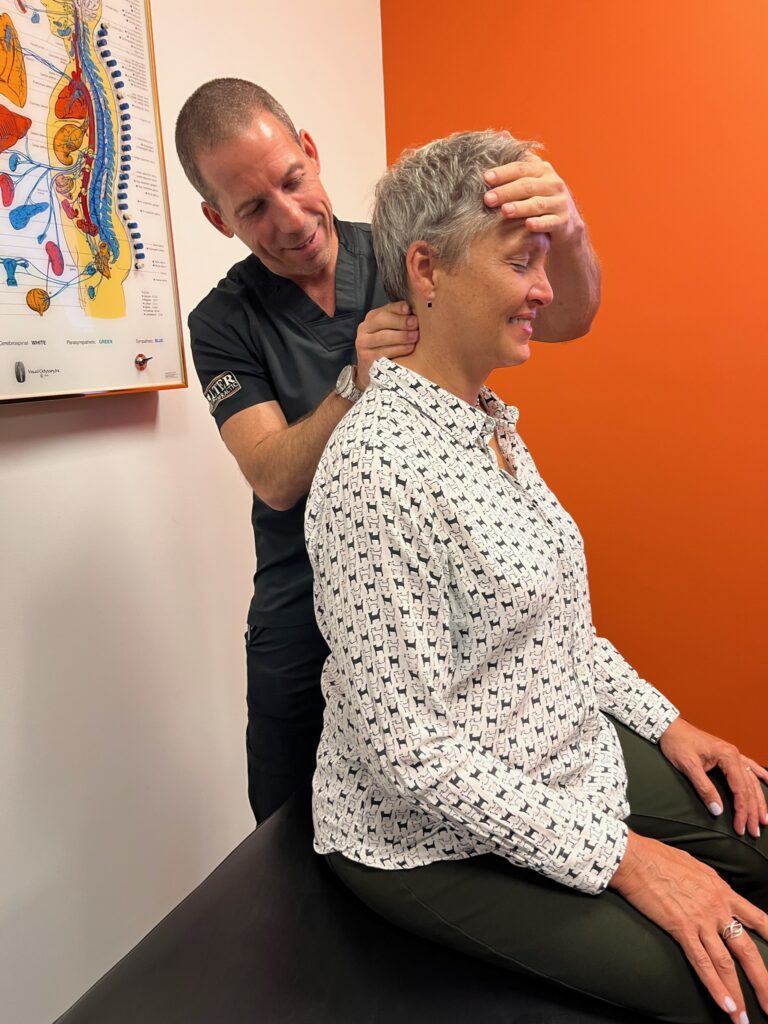

If you’ve ever suffered from whiplash, you understand how challenging it can be. Thankfully, there is hope for relief through a combination of unique techniques focused on natural healing and wellness. As a chiropractor, I believe that chiropractic care is the most effective way to address whiplash symptoms and promote optimal health.
One of the key components of recovery is gentle movement. Engaging in simple stretches and exercises can help restore mobility and reduce stiffness. It’s essential to listen to your body and move at a pace that feels comfortable for you.
Chiropractic care plays a significant role in alleviating pain associated with whiplash. Through targeted adjustments, we can help realign the spine, relieve tension, and improve overall function. Regular chiropractic visits can also prevent future injuries and enhance your body’s natural healing process.
In addition to chiropractic adjustments, incorporating mindfulness practices such as deep breathing or meditation can help manage stress and improve your overall well-being. Focusing on your mental health is just as important as physical recovery.
Don’t forget about the impact of lifestyle changes and nutrition on your healing journey. Eating a balanced diet rich in anti-inflammatory foods, staying hydrated, and getting adequate sleep can significantly support your recovery.
Remember, the path to healing from whiplash is a journey that involves various strategies. By focusing on chiropractic care, gentle movement, and healthy living, you can take control of your recovery and work towards a pain-free life. Let’s explore these strategies together and find what works best for you!
Understanding Whiplash: Causes and Symptoms
When you experience a sudden jolt, such as in a car accident, your body can undergo a rapid back-and-forth movement that may lead to whiplash, a common neck injury. This occurs when your head quickly snaps forward and then backward, putting strain on the neck muscles and ligaments.
If you’ve experienced this, you might notice symptoms like neck pain, stiffness, and headaches soon after the incident. You may also feel dizziness, fatigue, or difficulty concentrating.
The severity of whiplash can vary from person to person; some individuals recover quickly, while others may experience lingering discomfort. It’s essential to listen to your body and pay attention to any persistent symptoms.
Seeking the expertise of a chiropractor can be a great way to address these issues naturally. Chiropractic care focuses on restoring proper alignment and function to your spine, which can alleviate pain and promote healing without the need for invasive procedures or medications.
Here are some general tips to help you manage your symptoms and support your recovery:
- Gentle Movement: While rest is important, gentle movements and stretches can help maintain flexibility in your neck and prevent stiffness.
- Hot and Cold Therapy: Applying a cold pack can reduce inflammation, while heat can help relax tight muscles. Alternate between the two for relief.
- Stay Hydrated: Drinking plenty of water can aid in muscle recovery and overall health.
- Posture Awareness: Be mindful of your posture, especially when sitting or using electronic devices. Good posture supports spinal health.
- Regular Chiropractic Visits: Regular adjustments can help realign your spine, relieve tension, and promote natural healing.
Remember, understanding the causes and symptoms of whiplash is an important step towards finding effective relief.
With the right support and care, you can get back to your everyday activities and enjoy a healthier, pain-free life. If you have any concerns or persistent symptoms, don’t hesitate to consult with a chiropractor who can guide you on your journey to optimal health!
Exploring Alternative Therapies
After addressing the symptoms of whiplash, many individuals look for additional ways to enhance their recovery. As a chiropractor, I believe that chiropractic care is one of the best options for achieving optimal health and alleviating pain naturally.
Chiropractic adjustments can effectively restore alignment to your spine, improving mobility and reducing discomfort. By realigning the vertebrae, we can alleviate pressure on nerves and promote healing in the surrounding tissues. This natural approach not only targets pain relief but also supports your body’s overall function.
In addition to chiropractic care, incorporating complementary therapies like massage therapy can be beneficial. Massage can relax tight muscles and improve blood flow, which aids in the healing process. Techniques such as myofascial release focus on easing tension in connective tissues, making it easier for you to move without pain.
You might also want to consider gentle stretching and exercises as part of your recovery plan. Activities like yoga can enhance flexibility and strength while promoting relaxation. Plus, practicing mindfulness through meditation can help reduce stress, which is vital for healing.
While exploring alternative therapies is great, I encourage you to prioritize chiropractic care as your primary method for pain relief and wellness. Remember to consult with a healthcare professional, preferably a chiropractor, before trying new treatments to ensure they’re suitable for your specific needs.
In summary, here are some key takeaways for your recovery:
- Prioritize chiropractic adjustments to restore spinal alignment and alleviate pain.
- Incorporate massage therapy to relax muscles and improve circulation.
- Engage in gentle stretching and yoga to enhance flexibility and reduce stress.
- Always consult with a chiropractor before exploring new therapies for the best results.
The Role of Physical Therapy in Whiplash Recovery
Chiropractic care plays a vital role in your recovery from whiplash, helping you regain strength and mobility after an injury in a natural and holistic way. Unlike other treatments, chiropractic focuses on addressing the root cause of your pain rather than just the symptoms. Your chiropractor will evaluate your condition and create a personalized treatment plan that caters to your unique needs.
This plan may involve gentle adjustments to your spine and neck to improve alignment, which can help reduce pain and enhance your range of motion. By ensuring your spine is in proper alignment, we can support your body’s natural healing processes and promote better mobility.
In addition to spinal adjustments, your chiropractor may use manual therapy techniques to relieve tension and stiffness in your muscles. You’ll be guided through these techniques in a comfortable manner, allowing for safe progress in your recovery.
We also emphasize the importance of proper posture and ergonomics in daily life to help prevent future injuries.
Chiropractic care also equips you with valuable strategies to manage your symptoms effectively while improving your overall functioning. By being actively involved in your healing journey, you’ll feel empowered to take control of your recovery.
Remember, regular chiropractic adjustments not only help with pain relief but also contribute to your overall wellness. By choosing chiropractic care, you’re taking a significant step towards achieving optimal health and a full return to your normal activities.
Always listen to your body, stay consistent with your appointments, and maintain a healthy lifestyle to maximize your recovery.
Mind-Body Techniques for Pain Management
Mind-body techniques can significantly enhance your pain management approach, especially when dealing with conditions like whiplash. As a chiropractor, I believe in the power of these practices to complement your overall wellness journey. By incorporating simple breathing exercises, meditation, and visualization into your routine, you can help activate your body’s natural healing abilities.
Let’s look at how these techniques can alleviate your whiplash symptoms and promote a healthier lifestyle.
Breathing Exercises: Deep, controlled breathing can help relax your muscles and reduce tension in your neck and spine. Try taking a few minutes each day to focus on your breath. Inhale deeply through your nose, hold for a moment, and then exhale slowly through your mouth. This can help calm your mind and body, making it easier to cope with pain.
Meditation: Taking time to meditate can be a great tool for managing pain. Find a quiet space, sit comfortably, and focus on your breath or a calming image. Even just a few minutes of meditation each day can help you feel more centered and less aware of your discomfort.
Visualization: This technique involves imagining a peaceful scene or envisioning your body healing. Picture your neck and spine in a state of relaxation and health. This positive imagery can reinforce the body’s natural healing processes.
While these mind-body techniques are beneficial, they work best when combined with regular chiropractic care. Chiropractic adjustments can address the underlying issues causing your pain, restore proper alignment, and promote faster healing.
Incorporating these practices into your daily life, alongside chiropractic care, can lead to a more holistic approach to health and wellness.
Breathing Exercises Benefits
Managing whiplash symptoms can be tough, but adding breathing exercises to your daily routine can significantly enhance your healing process. These simple yet powerful exercises allow you to concentrate on your breath, which helps to relieve stress and tension throughout your body.
By practicing deep, controlled breathing, you encourage relaxation and improve the flow of oxygen to your muscles, aiding in your recovery. Breathing exercises also stimulate your body’s natural relaxation response, which can lower your heart rate and help diminish the sensation of pain.
Techniques such as diaphragmatic breathing or the 4-7-8 method are great options to explore; find what feels most comfortable for you and fits into your lifestyle. Incorporating these exercises consistently not only helps to reduce discomfort but also empowers you to take an active role in your healing journey.
Meditation for Healing
Incorporating meditation into your daily routine can be a powerful complement to chiropractic care in your recovery from whiplash symptoms. This practice helps you turn your focus inward, promoting relaxation and reducing stress, both of which are essential for healing.
As you meditate, you cultivate mindfulness, which enhances your awareness of your body and any tension it may be holding. This newfound awareness can guide you in releasing tight muscles and alleviating pain, making it a great addition to your chiropractic treatments.
Meditation also supports emotional well-being, helping to reduce the anxiety often associated with chronic pain. You don’t need to commit to long sessions; starting with just a few minutes a day can make a difference. As you grow more comfortable, you can gradually increase the duration.
By integrating meditation into your routine, alongside regular chiropractic adjustments, you’ll not only support your physical recovery but also foster a sense of peace and resilience.
Here are a few tips to get started:
- Find a Quiet Space: Choose a comfortable, quiet place where you won’t be disturbed.
- Set a Timer: Start with just 5-10 minutes and gradually increase as you feel more comfortable.
- Focus on Your Breath: Pay attention to your breathing, inhaling deeply and exhaling slowly to promote relaxation.
- Be Patient: It’s normal for your mind to wander—gently bring your focus back to your breath when it does.
Visualization Techniques Explained
Visualization techniques can be a powerful tool for managing pain, particularly when used alongside chiropractic care. By creating a mental image of a peaceful scene or envisioning your body healing, you can foster a sense of calm that helps alleviate discomfort.
To start, find a quiet space where you won’t be interrupted. Close your eyes, take deep breaths, and picture a warm light surrounding the area of pain. Focus on this light, imagining it soothing and healing your whiplash symptoms.
Additionally, envision yourself participating in activities you love, feeling completely free from pain. Regular practice of these visualization techniques can help shift your mindset, reduce anxiety, and promote overall well-being.
Remember, you have the power to influence your own healing journey!
As your chiropractor, I encourage you to integrate these techniques with your chiropractic adjustments for optimal health. Together, we can work towards a pain-free life while embracing natural healing methods.
Always prioritize your wellness through holistic practices like chiropractic care, which is designed to support your body’s natural ability to heal itself.
Nutrition and Wellness: Supporting Recovery
To support your recovery from whiplash, focusing on nutrition is essential. As a local chiropractor, I want to emphasize how important it’s to nurture your body during this healing process. Incorporating anti-inflammatory foods, such as leafy greens, berries, and fatty fish, can help reduce pain and inflammation. Staying properly hydrated is also crucial, as it aids in overall healing.
In addition to these dietary adjustments, I encourage you to consider chiropractic care as a natural approach to managing your pain. Chiropractic adjustments can help realign your spine, relieve tension, and promote better mobility, all of which are vital for your recovery.
Here are some simple tips you can incorporate into your daily routine:
- Eat Colorful Fruits and Vegetables: They’re packed with antioxidants that can help combat inflammation.
- Stay Hydrated: Aim for at least 8 glasses of water a day to help your body function at its best.
- Practice Good Posture: Keeping your spine aligned can prevent unnecessary strain on your neck and back.
- Consider Gentle Stretching: Simple neck stretches can promote flexibility and relieve tension.
By making these changes and seeking chiropractic care, you can enhance your body’s natural recovery process and work towards optimal health.
Anti-Inflammatory Foods
As you recover from whiplash, it’s important to consider how your diet can play a significant role in your healing journey. Incorporating anti-inflammatory foods into your meals can help reduce pain and support recovery, complementing the benefits of chiropractic care.
Start by including foods rich in omega-3 fatty acids, such as salmon and walnuts. These nutrients are known for their ability to combat inflammation and can be especially beneficial during your healing process. Additionally, leafy greens like spinach and kale are packed with antioxidants that help fight inflammation, making them excellent choices for your meals.
Don’t overlook the power of berries! These little fruits are loaded with vitamins and minerals that can assist in reducing swelling and promoting overall health. Including a variety of these fruits in your diet can provide your body with the nutrients it needs to heal.
Spices like turmeric and ginger are also fantastic additions to your meals. They’ve strong anti-inflammatory properties that can enhance your body’s natural healing capabilities. Try adding turmeric to your smoothies or using ginger in your cooking for an extra boost.
By focusing on these anti-inflammatory foods, you can support your body’s healing process and potentially alleviate some of your symptoms. Remember, chiropractic care is an excellent way to address pain and promote overall wellness.
Combining these dietary choices with regular chiropractic adjustments can enhance your recovery and help you achieve optimal health. Make it a priority to incorporate these ingredients into your meals.
Simple changes can make a big difference in your well-being during recovery. Always remember that your body has the natural ability to heal, and with the right support, including chiropractic care and a wholesome diet, you can get back to feeling your best.
Hydration Importance
Staying hydrated is crucial for your recovery from whiplash, especially when it comes to supporting your body’s natural healing processes. Proper hydration can help reduce inflammation and maintain healthy muscle function. When you’re not drinking enough water, your body may struggle to heal, leading to increased pain and stiffness that can complicate your recovery.
To ensure you’re properly hydrated, aim to drink plenty of water throughout the day. This is particularly important if you’re active or in a warm environment. Incorporating hydrating foods like fruits and vegetables into your diet can also significantly boost your water intake. Herbal teas and broths are great choices to keep you hydrated, too!
Be mindful of the signs of dehydration, which can include headaches, fatigue, and muscle cramps. These symptoms can exacerbate your whiplash discomfort. By prioritizing hydration, you’re not just satisfying your thirst—you’re actively supporting your body’s healing journey.
As a chiropractor, I emphasize the importance of a holistic approach to recovery. While hydration is essential, regular chiropractic care can also play a vital role in your healing process. Chiropractic adjustments can help alleviate pain, improve mobility, and support your overall wellness.
The Benefits of Gentle Movement and Exercise
Gentle movement and exercise play a crucial role in alleviating whiplash symptoms, primarily by promoting blood circulation and enhancing flexibility. Engaging in low-impact activities such as stretching, walking, or even light yoga can significantly reduce stiffness and improve your range of motion. These simple movements not only support the healing process but also help your muscles recover more effectively after an injury.
Incorporating gentle exercises into your daily routine can also have a positive impact on your mood and help reduce stress, which is vital during the recovery phase. It’s important to listen to your body and not overexert yourself; adjusting your movements based on how you feel can make a big difference. Activities like tai chi and yoga focus on slow, controlled motions, making them excellent choices for gentle movement.
As you gradually increase your activity level, you may notice a decrease in pain and discomfort. Consistency is vital—by committing to gentle movement and exercise, you actively participate in your recovery journey, paving the way for a more comfortable future.
Moreover, chiropractic care is an excellent partner in your journey to optimal health. Regular visits to a chiropractor can enhance the benefits of gentle movement by ensuring that your spine is aligned and functioning properly. This alignment aids in pain relief and promotes overall wellness, making chiropractic care a key component of your recovery plan.
Lifestyle Modifications for Long-Term Relief
Incorporating gentle movement into your daily routine is just the beginning of your recovery journey from whiplash. Making smart lifestyle modifications can significantly enhance your long-term relief and support your overall wellness.
Chiropractic care is an excellent way to promote healing, and with these simple changes, you can create a nurturing environment for your body while minimizing the risk of future discomfort.
– Prioritize good posture: Keep your spine aligned, whether you’re sitting or standing. Maintaining a neutral spine helps prevent unnecessary strain on your neck, allowing your body to function more efficiently.
Remember, your chiropractor can provide personalized guidance on proper posture techniques.
– Stay hydrated: Drinking plenty of water is essential for keeping your muscles and joints well-lubricated. Hydration promotes better mobility and can aid in the healing process.
Consider keeping a water bottle handy throughout the day to remind yourself to drink up!
– Manage stress: Stress can lead to tension in your neck and shoulders, exacerbating discomfort. Try relaxation techniques such as deep breathing exercises or meditation.
Not only do these practices help alleviate tension, but they also promote a sense of calm—something your body will appreciate.
By integrating these lifestyle changes and regularly visiting your chiropractor for adjustments, you can enhance your recovery from whiplash and pave the way for a healthier, pain-free life.
Conclusion
Recovering from whiplash symptoms can be a challenging journey, but incorporating unique techniques, especially chiropractic care, can significantly enhance your healing process. Understanding the causes of your pain is essential, and embracing natural therapies like chiropractic adjustments will help restore proper alignment to your spine, promoting healing and flexibility.
Chiropractic care focuses on the spine and its role in overall health. By gently manipulating the spine, chiropractors can relieve tension, reduce pain, and improve your range of motion. This hands-on approach not only addresses the immediate symptoms of whiplash but also supports long-term wellness.
In addition to chiropractic adjustments, consider incorporating gentle movement into your daily routine. Simple stretches and light exercises can help keep your body limber and promote circulation, which is crucial for healing. Mindfulness practices, such as deep breathing and meditation, can also play a vital role in managing pain and reducing stress.
Don’t underestimate the importance of proper nutrition in your recovery. Eating a balanced diet rich in anti-inflammatory foods—like fruits, vegetables, whole grains, and lean proteins—can aid in reducing inflammation and support your body’s healing processes.
By adopting a holistic approach that puts chiropractic care at the forefront, along with lifestyle modifications, you can find lasting relief from whiplash symptoms and improve your overall well-being. Start your journey to recovery today, and embrace the natural path to health that chiropractic care offers!