
As a local chiropractor, I understand how frustrating it can be to deal with a sports injury and the desire to get back in the game quickly. Rather than relying solely on traditional medical treatments, I encourage you to explore natural healing methods that can significantly aid your recovery. By incorporating gentle movement techniques and anti-inflammatory remedies into your daily routine, you can support your body’s natural healing processes.
So, how can you create a personalized recovery plan that works for you? Let’s discuss some effective strategies that can help revitalize your game. Whether it’s through chiropractic adjustments to improve your range of motion, specific exercises to strengthen your body, or nutritional advice to reduce inflammation, I’m here to guide you on your journey to recovery. Together, we can find the best approach to help you heal naturally and get you back to doing what you love.
Understanding Common Sports Injuries
As a local chiropractor, I want to help you understand the common sports injuries that many athletes encounter, regardless of their skill level. These injuries can arise from various factors such as overuse, improper technique, or even accidents during play. You might experience issues like sprains, strains, fractures, or tendinitis.
Sprains happen when ligaments, which connect bones at joints, stretch or tear, while strains involve the muscles or tendons. Fractures, often caused by sudden impacts, can range in severity. Tendinitis develops more gradually, typically due to repetitive stress on a tendon.
It’s crucial to recognize the signs of these injuries early. If you experience swelling, pain, or limited mobility, please don’t ignore these symptoms. Neglecting them can lead to more significant problems later on. By understanding these common injuries, you can take proactive steps to prevent them, adjust your training techniques, and seek appropriate care.
In my practice, I emphasize the importance of a holistic approach to healing. Chiropractic care can help address misalignments and promote natural healing processes, allowing you to recover more effectively.
The Importance of Rest and Recovery
As a local chiropractor, I want to emphasize the critical role of rest and recovery in your overall health and wellness journey. Many people feel the urge to push through discomfort and keep training, but ignoring your body’s signals can lead to chronic injuries and extended periods of inactivity.
Embracing rest is vital not only for healing but also for enhancing your performance.
Here are some key benefits of prioritizing recovery that I often share with my patients:
- Muscle Repair: When you rest, your body has the opportunity to heal damaged tissues, which helps promote the development of stronger muscle fibers. This is essential for anyone looking to improve their strength and endurance.
- Injury Prevention: By allowing for adequate recovery, you significantly reduce the risk of future injuries. This means you can stay active and engaged in the activities you love for longer periods.
- Mental Refresh: Taking a break from intense training can help you regain your motivation and focus. This mental clarity can enhance your training sessions and make them more productive.
Incorporating rest into your routine isn’t a sign of weakness; rather, it’s a smart, strategic approach to maintaining your health.
I encourage you to listen to your body and prioritize recovery. When you do, you may be surprised at how your performance improves.
Herbal Remedies for Pain Relief
As a local chiropractor dedicated to your well-being, I want to share how herbal remedies can serve as a natural complement to your recovery from sports injuries.
Many patients may not be aware of the benefits these remedies can provide, so let’s delve into some of the most effective herbal pain relievers and how to apply them for optimal results.
Top Herbal Pain Relievers
As a local chiropractor, I often see athletes and active individuals seeking natural solutions for pain relief. Herbal remedies can be a fantastic option for those looking to manage discomfort without the potential side effects associated with pharmaceuticals.
Let me share some of the top herbal pain relievers that you might consider incorporating into your routine:
- Turmeric: This golden spice is renowned for its anti-inflammatory properties. It can be particularly effective in reducing pain and swelling, making it a great addition to your post-workout recovery plan.
- Ginger: Known for its spicy kick, ginger also possesses natural analgesic effects. It’s excellent for easing muscle soreness and can be consumed fresh, in teas, or as a supplement.
- Willow Bark: Often referred to as “nature’s aspirin,” willow bark contains salicin, a compound that can help alleviate pain effectively. Many people find it beneficial for managing chronic pain conditions.
Incorporating these herbs into your wellness routine can’t only support your recovery but may also enhance your athletic performance.
However, I always recommend consulting with a healthcare professional before starting any new remedies, especially if you’re under chiropractic care or have specific health concerns.
Understanding the holistic approach to health can significantly benefit your overall well-being!
Application Methods Explained
As your local chiropractor, I want to help you understand how to effectively apply herbal remedies to enhance your natural pain relief efforts.
It’s important to start by selecting the right form of remedy—this could be a tincture, salve, or tea, depending on your preference and the nature of your discomfort.
For topical applications, ensure that the skin in the affected area is clean. Gently massage the herbal remedy into your skin; this can help improve absorption and effectiveness. If you’re using a tincture, remember to dilute it with a carrier oil to facilitate better absorption into the body.
If you choose to use herbal teas, make sure to steep the herbs for the recommended duration to unlock their full potency.
Consistency is crucial in natural healing, so try to follow a regular schedule with your chosen remedies to achieve the best results.
Always listen to your body’s responses to these natural treatments, and feel free to adjust the dosage or application method if necessary.
When approached with care and attention, natural healing can be a powerful ally in your wellness journey!
Nutritional Support for Healing
As a chiropractor, I understand that proper nutrition is crucial for anyone recovering from a sports injury. It’s not just about adjusting your spine; your diet plays a significant role in your healing journey.
Focus on incorporating essential nutrients that support tissue repair and overall health. Staying well-hydrated is equally important, as it helps to keep your body functioning optimally during recovery.
Additionally, incorporating anti-inflammatory foods can greatly aid in reducing pain and swelling, allowing you to heal more effectively.
Essential Nutrients for Recovery
As a local chiropractor, I want to emphasize the importance of nutrition in your recovery from sports injuries. Understanding the right nutrients can significantly enhance your healing process, reduce inflammation, and strengthen your immune system.
Here are some essential elements to consider incorporating into your diet:
- Protein: This nutrient is crucial for rebuilding your muscles and tissues after an injury. Focus on lean sources such as chicken, fish, and legumes to support your recovery effectively.
- Omega-3 Fatty Acids: These beneficial fats, found in fish and flaxseeds, are known for their anti-inflammatory properties. They can help alleviate joint pain and promote overall joint health, which is particularly important for athletes.
- Vitamins C and D: Vitamin C plays a vital role in collagen formation, which is essential for healing tissues. Meanwhile, Vitamin D is important for maintaining bone health and supporting your immune system, helping your body recover more efficiently.
By focusing on these key nutrients, you can enhance your recovery and overall well-being.
Hydration’s Role in Healing
As a local chiropractor, I want to emphasize the importance of hydration in your recovery from sports injuries. While many people tend to focus solely on nutrients, it’s vital not to underestimate the crucial role that water plays in your healing process. Staying well-hydrated ensures that essential nutrients are efficiently transported to your cells, which can significantly speed up your recovery.
Proper hydration also plays a key role in joint lubrication, helping to alleviate stiffness and discomfort as you heal. When you’re not getting enough fluids, you may find that your recovery takes longer and that muscle cramps become more frequent, both of which can impede your progress.
I encourage you to drink plenty of water throughout the day, particularly before and after your workouts. Additionally, consider incorporating electrolyte-rich beverages to help replenish any minerals lost through sweat.
Anti-Inflammatory Foods Benefits
As a local chiropractor, I want to share the importance of incorporating anti-inflammatory foods into your diet, especially if you’re recovering from a sports injury.
These foods can significantly enhance your healing process by helping to reduce swelling, pain, and inflammation, which allows your body to recover more efficiently.
By focusing on proper nutrition, you can accelerate your healing journey and support your overall well-being.
– Fatty fish: These are an excellent source of omega-3 fatty acids, which are known to combat inflammation and promote joint health.
Including fatty fish like salmon or mackerel in your meals can be a game-changer for your recovery.
– Berries: These little powerhouses are packed with antioxidants, which help fight oxidative stress and support tissue repair.
Incorporating a variety of berries into your diet can provide crucial support during your healing process.
– Leafy greens: Foods such as spinach and kale are rich in essential vitamins and minerals that play a key role in the healing process.
By adding more leafy greens to your plates, you provide your body with the nutrients it needs to recover effectively.
By embracing these anti-inflammatory foods, you’re not just aiding your recovery; you’re also taking proactive steps towards better health and wellness.
If you have any questions about how nutrition can complement your chiropractic care, feel free to ask!
The Role of Physical Therapy
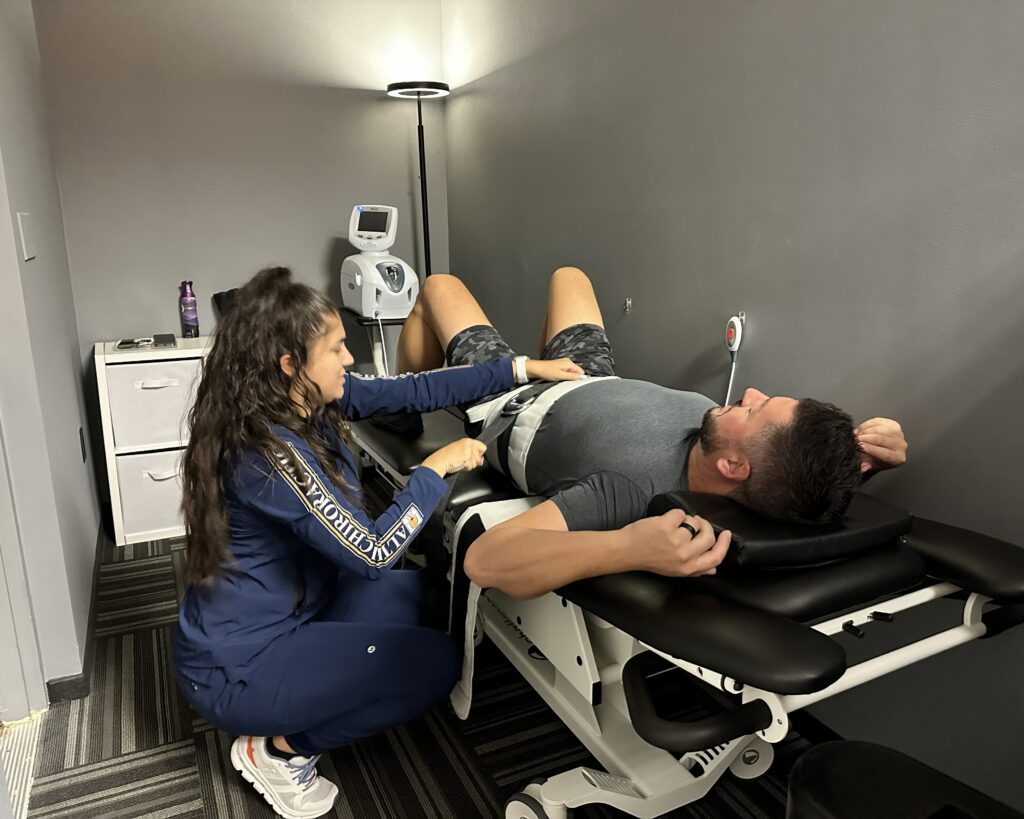
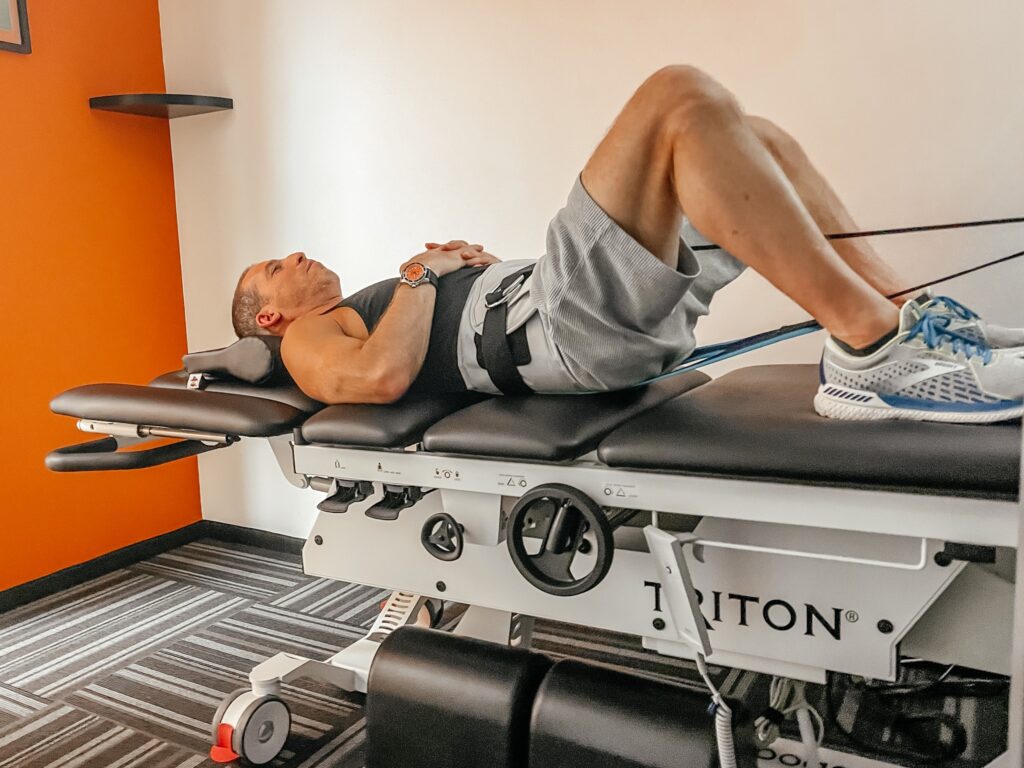
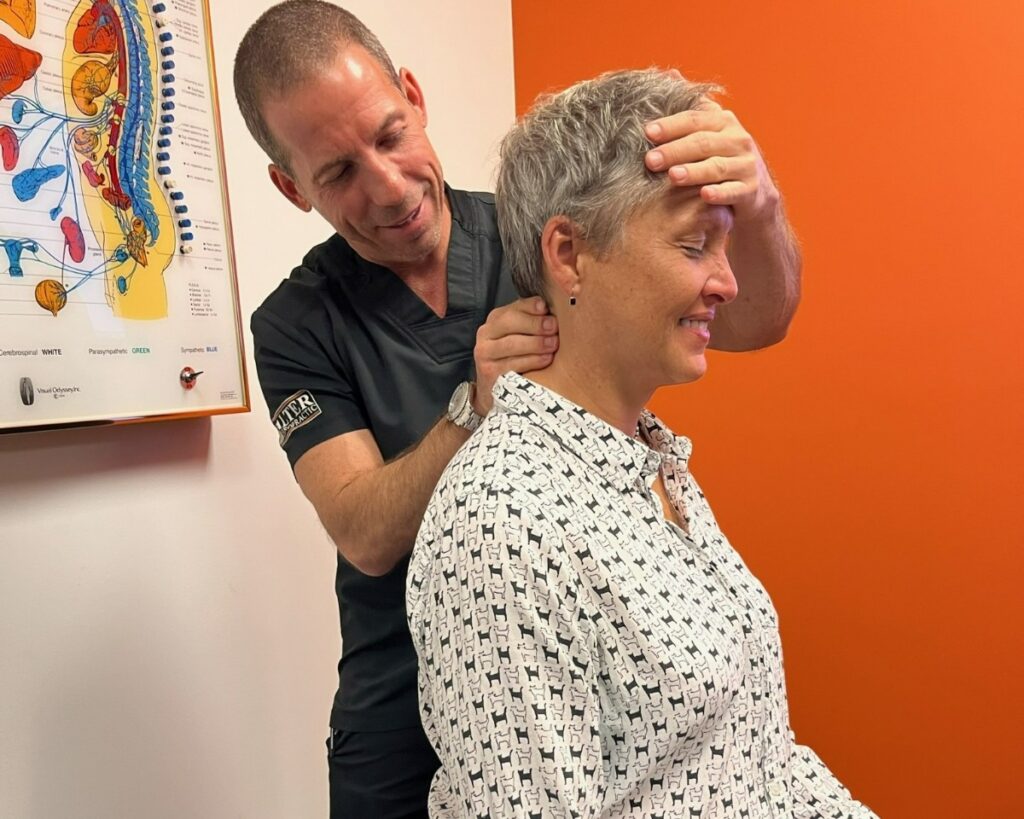
Chiropractic care plays a vital role in the recovery process for sports injuries, as it not only facilitates healing but also aids in restoring function and strength.
When you visit a qualified chiropractor, you receive personalized treatment that’s specifically designed for your unique injury. They’ll assess your condition, identify any misalignments or weaknesses, and develop a tailored plan to meet your rehabilitation goals.
Through various techniques, such as spinal adjustments, soft tissue therapy, and rehabilitative exercises, your chiropractor helps you regain mobility and alleviate pain.
You’ll also learn how to perform movements correctly, which is crucial to avoid re-injury as you continue your recovery.
Additionally, your chiropractor will educate you on proper body mechanics and strategies for preventing future injuries, empowering you to remain active and minimize risks.
Gentle Movement Techniques for Recovery
As a local chiropractor, I want to share some valuable insights on how gentle movement techniques can support your recovery from sports injuries. Many people may not realize that incorporating low-impact activities into your rehabilitation can significantly enhance your healing process.
These techniques help maintain flexibility, improve circulation, and alleviate stiffness without putting excessive strain on your body. Here are some effective methods to consider:
- Stretching: It’s essential to focus on gentle stretches that target the injured area as well as the surrounding muscles. This practice promotes blood flow and can aid in your recovery journey. Stretching helps to keep your muscles limber and can prevent further injury.
- Tai Chi: This ancient practice involves slow, flowing movements and emphasizes balance and control. Tai Chi is a fantastic way to engage your body mindfully, allowing you to strengthen without the risk of excess strain on your muscles and joints.
- Water Therapy: Exercising in water is an excellent option, as it reduces pressure on your joints and allows for a greater range of motion. The buoyancy of water enables you to move freely, making it an ideal choice for rehabilitation and recovery.
Incorporating these gentle movement techniques can be an integral part of your healing process. If you have any questions about how these methods can fit into your recovery plan, feel free to reach out!
Mindfulness and Mental Resilience
As a chiropractor, I want to share the importance of gentle movement techniques in your recovery process. These techniques not only support your physical healing but also significantly contribute to developing mindfulness and mental resilience during this journey.
When you engage in these movements, you become more aware of your body and its needs. This increased awareness helps you stay present, which can alleviate anxiety and stress associated with your injury.
In addition to movement, incorporating mindfulness exercises—like deep breathing or visualization—can enhance your mental strength. By focusing on your breath, you create a calming effect that supports your healing process.
This practice allows you to recognize discomfort without feeling overwhelmed, ultimately building your resilience when facing challenges.
I encourage you to set aside time each day for these practices. Embrace the process of nurturing both your physical and mental well-being.
By doing so, not only will you recover more effectively, but you’ll also emerge from this experience stronger and more centered.
Preventing Future Injuries Naturally
As a local chiropractor dedicated to helping you understand the importance of natural healing, I’d like to share some effective strategies to prevent future injuries and enhance your overall well-being.
Focusing on your body’s strength and flexibility is crucial in this journey. Here are some essential practices to consider:
– Warm-up and cool down: Before engaging in any physical activity, it’s vital to perform dynamic stretches to prepare your muscles.
Likewise, finishing with static stretches helps maintain muscle elasticity and aids recovery.
– Strength training: Incorporating exercises that strengthen your core, legs, and upper body can significantly improve your stability and resilience against injuries.
A well-rounded strength training routine supports your body’s natural alignment and function.
– Listen to your body: Your body often communicates with you through discomfort.
It’s important to heed these signals. If you feel pain, allow yourself the necessary rest and recovery time, rather than pushing through it.
This mindful approach not only prevents injuries but also promotes long-term health.
By embracing these practices, you can take proactive steps towards maintaining your physical health and minimizing the risk of injuries naturally.
If you have any questions or need personalized guidance, feel free to reach out!
Creating a Holistic Recovery Plan
Creating a holistic recovery plan is essential for addressing not just the immediate pain but also the overall well-being of your body and mind. As a chiropractor, I believe in a comprehensive approach to healing that goes beyond just treating symptoms.
First, it’s important to evaluate your injury and understand how it affects both your physical and emotional health. A balanced diet plays a crucial role in this process; incorporating anti-inflammatory foods can significantly support your healing journey.
Gentle movement is another key component. Activities like yoga or swimming can help strengthen your body and improve flexibility without putting undue stress on your injury. Additionally, prioritizing rest and quality sleep is vital, as these are fundamental to the recovery process.
Mindfulness practices such as meditation or deep breathing can help manage stress and improve mental clarity, which is often overlooked but equally important. Regular chiropractic adjustments, along with massage or physical therapy, can alleviate tension, promote circulation, and help your body heal more effectively.
Finally, maintaining connections with supportive friends and family can provide emotional encouragement, fostering a positive mindset throughout your recovery.
By integrating these elements into your holistic recovery plan, you can facilitate healing and enhance your overall performance—whether that’s on the field or in daily life.
Conclusion
As a local chiropractor, I want to share how embracing natural healing methods can help you revitalize your game and recover from sports injuries more effectively. It’s important to focus on gentle movements that promote healing, along with nourishing your body through nutritious foods and herbal remedies that can support your recovery.
Rest is just as crucial as activity—allowing your body time to heal properly is essential. Mental resilience plays a significant role in your recovery journey as well; staying positive and focused will help you overcome challenges.
By working together on a holistic recovery plan, we can not only facilitate faster healing but also implement strategies to prevent future injuries. This approach will enable you to reach your athletic goals and fully enjoy the game you love. Let’s explore how chiropractic care can be a vital part of your healing process!