
As a local Chiropractor, I want to reassure you that if you’re dealing with back pain, you’re certainly not alone. Many individuals experience discomfort that can disrupt daily activities. The good news is that there are natural approaches to alleviate this pain without simply relying on medication. By incorporating straightforward yet effective strategies, you can begin to take charge of your overall health and well-being. Let’s delve into some practical steps that could significantly enhance how you feel in your everyday life. These methods not only support your recovery but also promote a healthier lifestyle in the long run.
Maintain Proper Posture
As a local chiropractor, I want to share with you the importance of maintaining proper posture to alleviate back pain and promote overall spinal health. Many people may not realize how crucial posture is during their daily activities, but being mindful of how you sit, stand, and move can significantly reduce the strain on your back.
When you sit, make sure your feet are flat on the floor, and that your back is well-supported by your chair. It’s important to keep your knees at a right angle and to avoid slouching or leaning forward, as this can put unnecessary pressure on your spine.
While standing, aim to distribute your weight evenly across both feet and engage your core muscles. This helps stabilize your spine and reduces the risk of injury. Remember to keep your shoulders relaxed and avoid locking your knees.
If you need to lift objects, always bend at your knees rather than your waist, and hold the load close to your body. This technique minimizes the strain on your back and helps prevent injury.
By making these small adjustments to your posture, you can make a significant impact on your back health. Consistency is key; the more you practice maintaining proper posture, the easier it will become to protect your back from pain and discomfort.
I’m here to help guide you on your journey to better spinal health through natural healing methods.
Incorporate Stretching Exercises
As a local chiropractor, I want to emphasize the importance of incorporating stretching exercises into your daily routine for optimal back health.
These movements aren’t just about flexibility; they play a crucial role in relieving muscle tension and promoting overall well-being.
By integrating stretching into your life, you can enhance your body’s natural healing abilities and support your spinal health.
Let’s explore some effective stretching techniques that can help you feel more comfortable and aligned.
Benefits of Stretching
As a local chiropractor, I want to share with you the incredible benefits of incorporating regular stretching into your daily routine. Many people aren’t aware that stretching can significantly alleviate back pain and enhance your overall flexibility.
When you stretch, you increase blood flow to your muscles, which helps to reduce tension and stiffness in your back. This practice of lengthening tight muscles not only promotes better posture and alignment but also makes it easier for you to avoid discomfort as you go about your day.
Moreover, regular stretching plays a crucial role in addressing muscle imbalances, which can help prevent future injuries. You’ll likely find that your range of motion improves, allowing you to move more freely and comfortably.
Additionally, stretching has a calming effect that can help reduce stress—an often overlooked contributor to muscle tightness.
I encourage you to take just a few minutes each day to stretch. By doing so, you may notice a significant positive impact on your back health and overall wellbeing.
Recommended Stretching Techniques
As a local chiropractor, I want to share some effective stretching techniques that you can easily incorporate into your daily routine to promote natural healing and relieve discomfort.
First, let’s begin with the cat-cow stretch. Position yourself on all fours and alternate between arching your back upward, like a cat, and then sinking it down towards the floor, much like a cow. This movement helps to mobilize your spine.
Next, consider the seated forward bend. Sit with your legs extended in front of you, gently reach toward your toes, and notice the stretch in your lower back. This is especially beneficial for those who spend a lot of time sitting.
The figure-four stretch is another excellent option. Lie on your back, cross one ankle over the opposite knee, and gently pull that thigh toward you. This stretch targets the hips and can alleviate tension in the lower back.
Lastly, I recommend incorporating the child’s pose into your routine. Kneel on the floor, sit back on your heels, and stretch your arms forward on the ground. This pose is fantastic for relaxation and can help release tension throughout your entire body.
By regularly practicing these stretches, you can significantly relieve tension and improve your flexibility, which may lead to a noticeable reduction in back pain.
Strengthen Core Muscles
As a local chiropractor, I want to emphasize the importance of strengthening your core muscles, especially if you’re dealing with back pain. A strong core is crucial for supporting your spine, alleviating strain on your back, and improving your overall posture.
The good news is that you don’t need fancy gym equipment to achieve this—bodyweight exercises can be incredibly effective.
One of the best exercises to start with is the plank. This exercise engages multiple muscle groups and helps stabilize your back. I recommend starting with 30 seconds to a minute and gradually increasing your time as your strength improves.
In addition to planks, I encourage you to incorporate bridges and bird-dogs into your routine. Bridges are excellent for targeting your glutes and lower back, while bird-dogs are fantastic for enhancing your coordination and balance.
Aim for two to three sets of 10-15 repetitions for each exercise, two to three times a week.
As you perform these exercises, be mindful of your breathing and maintain proper form. This will maximize the benefits and help you get the most out of your workouts.
By focusing on strengthening your core, you can’t only relieve back pain but also enhance your overall physical performance and make everyday activities feel easier.
If you have any questions about these exercises or want to learn more about how chiropractic care can support your journey towards better health, please feel free to reach out. Your well-being is our priority!
Use Heat and Cold Therapy
As your local chiropractor, I want to share with you the benefits of using heat and cold therapy to alleviate back pain.
Heat is a wonderful tool for relaxing and loosening tight muscles, which can often be a source of discomfort. On the other hand, cold therapy is effective in reducing inflammation and numbing sharp pain that may arise from injuries or strain.
Understanding when to apply heat versus cold can greatly enhance your comfort and speed up your recovery. For instance, heat is best used for chronic muscle tension or stiffness, while cold therapy is ideal for acute injuries or swelling.
By incorporating these methods into your self-care routine, you can take an active role in your healing process and support your overall well-being.
If you have any questions or need guidance on how to use these therapies effectively, feel free to reach out during your next visit!
Benefits of Heat Therapy
As a local chiropractor, I want to share with you the incredible benefits of heat therapy in managing back pain. Many people may not realize how effective this simple method can be, particularly when combined with cold therapy. When you apply heat to the affected area, you enhance blood flow, which promotes healing and helps relax tense muscles. This increased circulation can significantly reduce stiffness, allowing you to move more freely and regain your flexibility.
There are various ways to incorporate heat therapy into your routine. Whether you choose to use a heating pad, wrap a warm towel around your back, or indulge in a hot bath, the soothing warmth can provide immediate relief from discomfort.
Additionally, heat therapy can be a wonderful way to unwind after a long day, alleviating stress that often contributes to muscle tension.
Integrating this technique into your self-care regimen can greatly improve your overall well-being and comfort. As your chiropractor, I encourage you to explore the benefits of heat therapy and how it can complement your journey towards better health and natural healing.
Cold Therapy Techniques
As a local chiropractor, I want to share with you the importance of cold therapy in managing back pain alongside heat therapy.
While many people are familiar with the soothing effects of heat, cold therapy is equally vital in alleviating discomfort by reducing inflammation and numbing sharp pain.
Here are some effective cold therapy techniques that I recommend to my patients:
- Ice Packs: One of the simplest methods is to apply a wrapped ice pack to the affected area for 15-20 minutes. It’s important to allow your skin to return to its normal temperature before reapplying to avoid any skin damage.
- Cold Compress: This technique provides targeted relief, especially beneficial after physical activity. A cold compress can help address specific areas that are inflamed or painful.
- Frozen Vegetables: If you don’t have an ice pack handy, a bag of frozen peas works wonderfully. Its flexible shape allows it to conform to your body’s contours while delivering effective cold therapy.
- Cold Baths: Soaking in a cool bath is another excellent way to reduce overall inflammation and soothe aching muscles. It can be particularly relaxing and beneficial for those with widespread discomfort.
By incorporating these cold therapy methods into your routine, you can enhance your back pain management and support your journey toward healing.
When to Alternate Methods
As a local chiropractor, I want to help you understand how to effectively manage your back pain using natural methods. One key strategy is knowing when to alternate between heat and cold therapy.
If you’ve recently experienced an injury, it’s best to start with cold therapy within the first 48 hours. This can help reduce inflammation and numb the affected area. I recommend applying cold packs for about 15-20 minutes, then allowing your skin to rest.
Once the initial 48 hours have passed, it’s time to switch to heat therapy. This technique is beneficial for relaxing tight muscles and improving blood flow to the area. You can use a heating pad or a warm compress for 15-30 minutes to help soothe your discomfort.
If you’re ever uncertain about which method to use, you can try alternating between both. For instance, apply cold therapy for 15 minutes, followed by heat for another 15 minutes.
It’s important to listen to your body; some days you may find that heat works better, while other times, cold might be more effective. The key is to find the right balance that provides you with the most relief.
Explore Yoga and Pilates
As a local chiropractor, I often encounter patients seeking effective ways to alleviate back pain, and I encourage them to explore the benefits of yoga and Pilates. These practices can be transformative in your journey toward a healthier back. They emphasize strength, flexibility, and proper body alignment, which are essential components of maintaining a strong and healthy spine.
Here are some key benefits to consider:
- Enhanced Flexibility: Engaging in yoga and Pilates regularly helps to stretch your muscles, improving your range of motion and alleviating stiffness and tension that can contribute to back discomfort.
- Core Muscle Strengthening: Both yoga and Pilates focus on developing core stability, which plays a vital role in supporting your spine and minimizing strain on your back muscles.
- Improved Posture: These practices teach you how to align your body correctly, fostering habits that can protect your back during everyday activities and help prevent future issues.
- Stress Reduction: The mindfulness and breathing techniques incorporated in yoga and Pilates can significantly lower stress levels, addressing one of the contributing factors to muscle tension and pain.
By integrating yoga and Pilates into your routine, you may experience long-term relief from back pain and enjoy an overall improvement in your well-being.
As your chiropractor, I’m here to guide you on this path to natural healing and better health.
Consider Acupuncture
As a local chiropractor, I want to introduce you to a complementary approach for back pain relief that many people find beneficial: acupuncture. This ancient practice involves the insertion of thin needles into specific points on the body, which can help stimulate your natural healing processes and alleviate discomfort.
Many of my patients have reported noticeable improvements in their pain levels and overall well-being after incorporating acupuncture into their care plan. Sessions typically last around an hour, and it’s common for individuals to feel a sense of relaxation following their treatment.
While each person’s experience may vary, some find significant relief after just a few sessions. It’s important to work with a licensed acupuncturist who can create a personalized treatment plan tailored to your unique needs.
Don’t hesitate to express any questions or concerns you might’ve during your sessions, as open communication is key to effective treatment. By considering acupuncture as part of your holistic approach to managing back pain, you may discover a natural and effective way to enhance your recovery and improve your quality of life.
Practice Mindfulness and Meditation
As a local chiropractor, I want to share how practicing mindfulness and meditation can significantly alleviate back pain by helping you manage stress and cultivate a focus on the present moment.
These natural techniques not only promote relaxation but also enhance your awareness of your body’s sensations, which is crucial for understanding and addressing pain.
Incorporating mindfulness into your daily routine can help you become more attuned to the signals your body is sending. This heightened awareness can lead to better posture and movement, ultimately supporting your overall spinal health.
Let’s explore some effective meditation methods you can easily integrate into your life.
Whether it’s guided imagery, deep breathing exercises, or simply sitting in silence and observing your thoughts, these practices can complement your chiropractic care, leading to a more holistic approach to healing and wellness.
Benefits of Mindfulness
As a local chiropractor, I want to share with you the incredible benefits of mindfulness in managing back pain and enhancing your overall well-being. Many of my patients have found that incorporating mindfulness practices into their daily routines can lead to significant improvements in both pain relief and emotional balance.
Here are four key advantages I often discuss in my practice:
- Reduced Stress: Mindfulness is a proven technique for lowering stress levels, which can often worsen back pain. By learning to focus on the present moment, you can alleviate some of the tension that contributes to discomfort.
- Increased Body Awareness: Through mindfulness, you’ll become more aware of your body and its signals. This heightened awareness allows you to recognize tension and discomfort before they escalate into more serious issues.
- Improved Posture: One of the benefits of mindfulness is its ability to promote better alignment and posture. By being mindful of how you hold your body throughout the day, you can reduce strain on your back and prevent further pain.
- Enhanced Emotional Resilience: Mindfulness also equips you with coping strategies to handle pain more effectively. By fostering a more positive mindset, you can improve your emotional response to discomfort and enhance your overall quality of life.
Embracing mindfulness not only helps to ease your back pain but also supports a healthier, more balanced lifestyle.
If you’re interested in learning more about how mindfulness can complement your chiropractic care, I’m here to help!
Meditation Techniques Explained
As a chiropractor, I often emphasize the importance of mindfulness and meditation as effective tools to enhance your overall wellness.
To begin your meditation practice, I recommend finding a quiet space where you can sit comfortably without distractions. Close your eyes and take a few deep breaths, allowing your body to relax more with each exhale. Concentrate on your breath, noticing the sensation of air entering and leaving your body. If your thoughts start to drift, gently guide your attention back to your breath without any self-criticism.
For those who may find it helpful, consider using guided meditations or apps that offer calming sounds and instructions.
Even dedicating just a few minutes each day to this practice can significantly reduce your stress levels and tension, which can be beneficial, especially for alleviating back pain.
It’s important to remember that consistency in meditation can help you unlock its full potential, complementing the chiropractic care you receive and supporting your journey to better health and natural healing.
Adjust Your Sleep Environment
As a local chiropractor, I want to share with you how crucial your sleep environment is when it comes to managing back pain naturally. You might be surprised to learn that small changes in your sleep space can significantly improve your rest and alleviate discomfort.
Here are four adjustments I recommend for better sleep quality:
- Choose the Right Mattress: It’s important to select a mattress that offers adequate support for your spine. I often recommend a medium-firm mattress, as it strikes the right balance between comfort and support. I encourage you to test out different options to find what feels best for your unique body.
- Pillow Positioning: The right pillow can make a world of difference in maintaining proper neck alignment. If you’re a side sleeper, a thicker pillow may be necessary to support your head and keep your spine aligned. This can help prevent unnecessary strain on your back.
- Temperature Control: The temperature of your bedroom plays a vital role in the quality of your sleep. Keeping your room cool can enhance your overall sleep experience, allowing your body to rest and recover more effectively. Aim for a comfortable temperature that allows you to relax.
- Limit Distractions: A peaceful sleeping environment is essential for restful nights. Reducing noise and light can help you fall asleep faster and stay asleep longer. Consider using blackout curtains to block out light and white noise machines to mask disruptive sounds.
By making these adjustments, you can create a sleep environment that supports your back health and enhances your overall well-being.
Stay Hydrated and Maintain a Healthy Diet
As a local chiropractor dedicated to helping you manage back pain, I want to emphasize the importance of staying hydrated and maintaining a healthy diet as part of your overall wellness journey. Proper hydration plays a crucial role in your spinal health; when you drink adequate water, it helps keep your spinal discs well-hydrated, which can significantly reduce discomfort and enhance your mobility.
I recommend aiming for at least eight glasses of water each day, but feel free to adjust this based on your individual activity levels and the climate you live in.
In conjunction with hydration, it’s important to focus on a balanced diet that includes plenty of anti-inflammatory foods. Incorporating a variety of fruits, vegetables, whole grains, and lean proteins into your meals can provide the nutrients your body needs to heal. Foods such as fatty fish, nuts, and leafy greens are excellent choices for combating inflammation, which can help alleviate your back pain.
It’s wise to steer clear of processed foods and excessive sugars, as these can worsen inflammation and contribute to discomfort.
Don’t forget about portion sizes, either. Maintaining a healthy weight is essential, as excess weight can place additional strain on your back.
By prioritizing hydration and nourishing your body with wholesome foods, you’ll support your spinal health and enhance your overall well-being. This holistic approach makes it easier for you to stay active and experience relief from pain.
Consult With a Physical Therapist
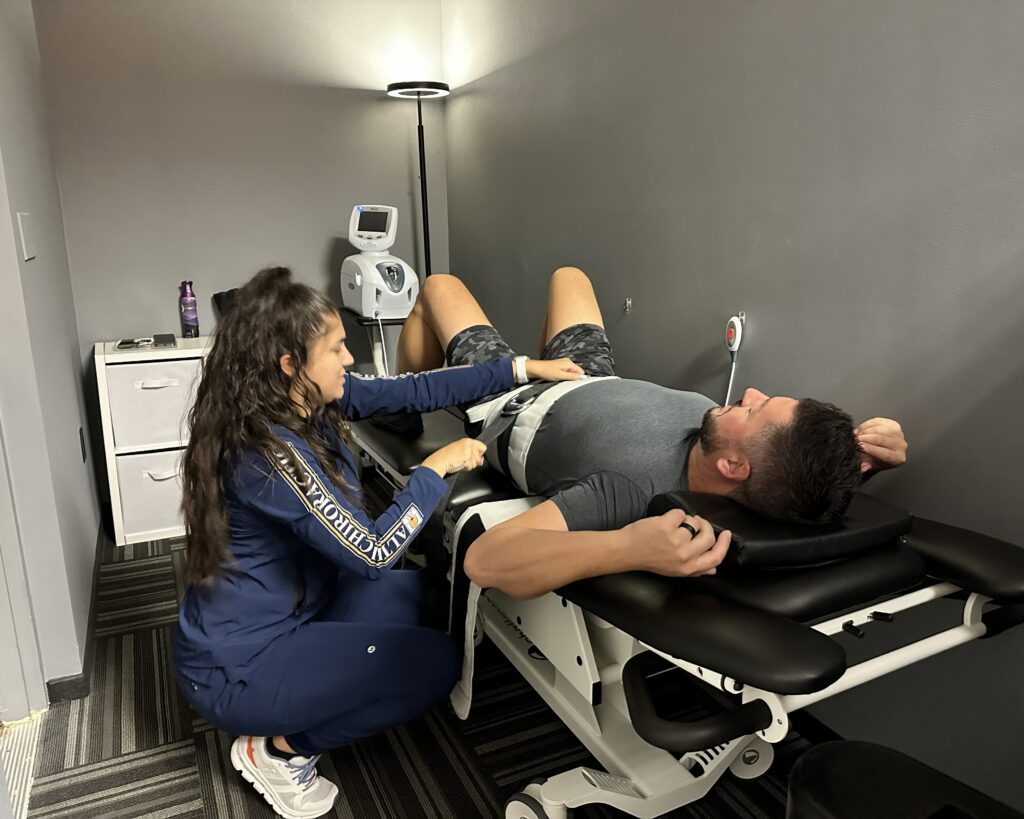
Seeking care from a local chiropractor can truly transform the way you manage your back pain. Our approach focuses on understanding the underlying causes of your discomfort and creating a personalized treatment plan tailored just for you.
Here’s what you can expect when you visit us:
- Comprehensive Evaluation: We’ll conduct a thorough assessment of your posture, flexibility, and overall spinal health to identify the factors contributing to your pain.
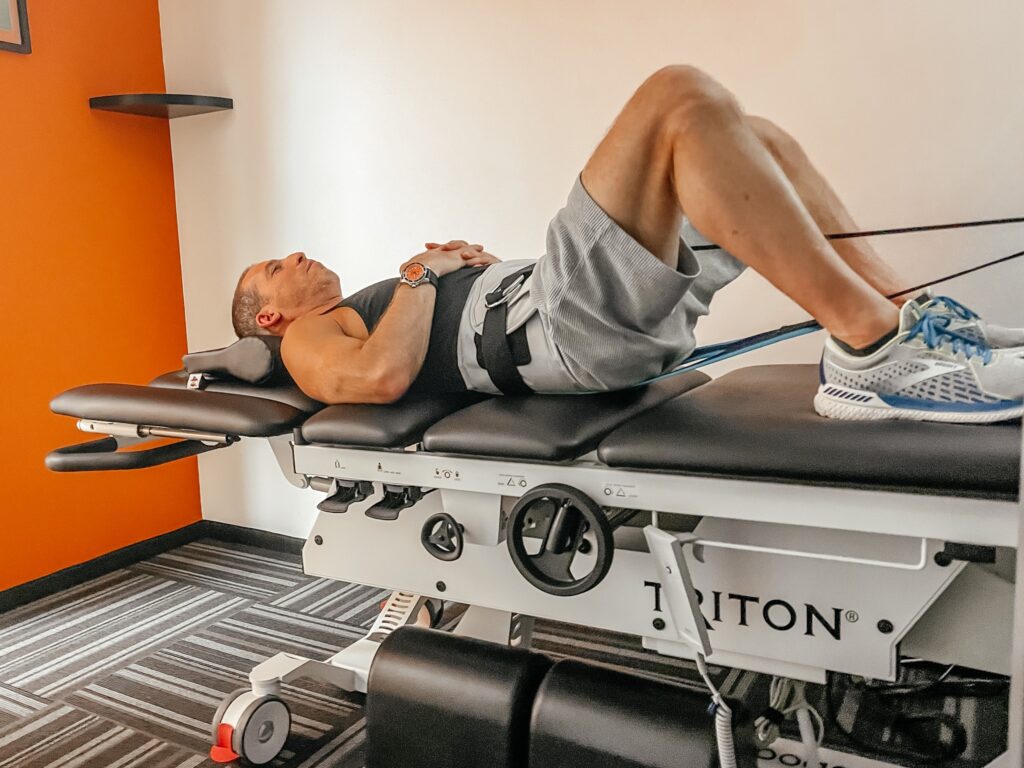
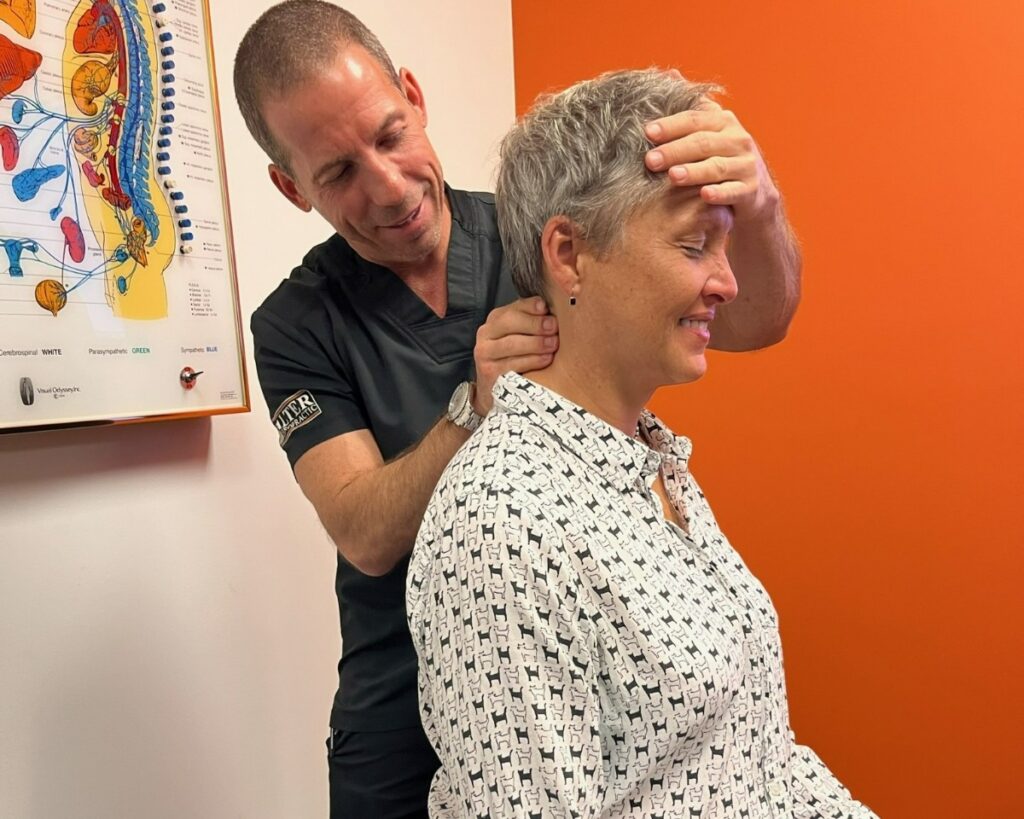
- Customized Adjustments: You’ll receive gentle spinal adjustments designed to realign your vertebrae, relieve pressure, and enhance your body’s natural healing process.
- Holistic Techniques: In addition to adjustments, we may incorporate various techniques such as soft tissue therapy or stretching to alleviate tension and enhance your mobility.
- Wellness Education: We believe in empowering you with knowledge about body mechanics and healthy habits to help prevent future injuries and maintain a strong, pain-free back.
Our goal is to help you achieve optimal health in a natural and effective way.
Conclusion
As a local chiropractor, I want to share with you 10 steps that can help alleviate back pain naturally and enhance your overall well-being. First and foremost, it’s essential to maintain proper posture throughout your daily activities. This simple adjustment can make a significant difference in how your back feels.
Incorporating stretching and core-strengthening exercises into your routine is also crucial. These exercises help support your spine and improve flexibility, which can reduce discomfort. Additionally, I encourage you to explore holistic practices such as yoga and mindfulness. These techniques can not only aid in relieving pain but also promote relaxation and mental clarity.
Creating a good sleep environment is another important factor. Ensure your mattress and pillows provide the support your body needs for restful sleep. Staying hydrated is equally vital, as proper hydration supports overall health, including spinal health.
If you’re seeking personalized guidance tailored to your specific needs, consulting with a chiropractor can be an excellent way to develop a customized approach to managing your back pain. Together, we can help you take charge of your health and embark on a journey towards feeling better naturally. Don’t hesitate to reach out and start your path to relief today!