
As a local chiropractor, I want to reassure you that if you’re experiencing lower back pain, you are not alone. It’s a common issue that affects many individuals and can significantly impact your daily activities. Understanding the underlying causes of your discomfort is crucial, and I’m here to guide you through some practical steps that can aid in your recovery.
Chiropractic care emphasizes the body’s natural ability to heal itself, and there are several strategies we can utilize together to alleviate your pain. From incorporating gentle stretches to assessing the need for professional adjustments, these methods can lead to meaningful improvements in your well-being.
Let’s delve into these seven essential steps that can help you on your path to recovery. Taking the right approach can make a significant difference in how you feel, and I’m dedicated to supporting you every step of the way.
Understand the Causes of Lower Back Pain
As a local chiropractor, I want to help you understand the causes of lower back pain so you can take proactive steps to alleviate it naturally. There are many factors that contribute to this discomfort, including poor posture, muscle strain, and a sedentary lifestyle.
For instance, sitting for extended periods or lifting heavy objects without proper technique can put strain on your back muscles, leading to pain. Age-related changes in your spine, such as degenerative disc disease, can also contribute to lower back issues.
It’s important to recognize that stress and emotional tension can manifest physically, resulting in muscle tightness and discomfort. Even a minor injury can lead to lingering problems if not addressed properly.
Conditions such as arthritis or herniated discs might require professional attention, but understanding the underlying causes is essential for effective recovery. By identifying these factors, you can make informed choices about your daily habits and lifestyle.
Focus on maintaining good ergonomics, keeping a healthy weight, and being mindful of how your body feels during various activities. As you begin to understand these elements, you’ll be better equipped to manage your back pain and improve your overall well-being.
Chiropractic care can play a valuable role in your journey to recovery, helping to restore balance and function to your spine. Let’s work together to find the best approach for you.
Incorporate Gentle Stretching Exercises
As a local chiropractor, I want to share with you the importance of incorporating gentle stretching exercises into your routine, especially if you’re dealing with lower back pain.
These stretches aren’t just simple movements; they play a crucial role in your recovery process. By improving flexibility, reducing tension, and enhancing circulation, gentle stretching can significantly alleviate discomfort and promote healing.
Let’s take a closer look at some effective stretching techniques that you can easily integrate into your daily life.
I recommend practicing these stretches regularly, ideally every day or at least several times a week, to achieve the best results.
Remember, consistency is key to experiencing the full benefits of these exercises.
If you’re new to chiropractic care and natural healing, don’t hesitate to reach out for guidance on how to safely incorporate these stretches into your routine.
Your journey to a healthier back begins with understanding and caring for your body!
Benefits of Stretching
As a local chiropractor, I want to share with you the incredible benefits of stretching, especially if you’re dealing with lower back pain. Incorporating gentle stretches into your daily routine can significantly enhance your recovery and overall well-being.
Let me highlight some of the key advantages of stretching that I often discuss with my patients:
- Increased Flexibility: One of the primary benefits of regular stretching is that it helps maintain and improve the flexibility of your muscles and joints. This can alleviate stiffness and discomfort, making it easier for you to move freely and comfortably.
- Improved Circulation: Stretching plays a vital role in promoting blood flow to your muscles. Better circulation not only facilitates healing but also helps reduce inflammation in the areas affected by pain. This is particularly important when you’re trying to recover from discomfort in your lower back.
- Stress Relief: Gentle stretches can do wonders for your body and mind. They help release built-up tension, promoting relaxation and reducing stress levels. Managing stress is crucial, as it can often exacerbate pain, so incorporating stretching into your routine can lead to better pain management.
If you’re new to chiropractic care or natural healing, I encourage you to consider the role of stretching in your recovery journey.
It’s a simple yet effective way to support your healing process and improve your quality of life.
Recommended Stretching Techniques
As a local chiropractor, I want to share some effective stretching techniques that can significantly aid in your recovery from lower back pain.
Let’s start with the cat-cow stretch; this is a fantastic way to warm up your spine and enhance flexibility.
Moving on, the child’s pose is another excellent option; it gently elongates your lower back and helps alleviate built-up tension.
I also recommend the seated forward bend. This stretch not only targets your hamstrings but also allows your back to relax, promoting overall relief.
Additionally, the knee-to-chest stretch is beneficial for loosening tight lower back muscles, which is often a source of discomfort for many.
During each stretch, it’s essential to focus on your breathing—take deep, calming breaths and hold each position for a few seconds.
These gentle exercises can foster healing, improve mobility, and reduce discomfort in your lower back.
Always pay attention to your body and stop if you experience any pain.
Frequency and Duration
As a local chiropractor dedicated to your well-being, I want to share some valuable insights on managing lower back pain through natural healing.
It’s essential to engage in gentle stretching exercises consistently—ideally three to five times a week. This consistency won’t only help alleviate discomfort but also enhance your flexibility over time. Even brief sessions can significantly contribute to your recovery.
Here are some key points to consider:
- Focus on stretches that specifically target the lower back, hips, and hamstrings. These areas are often interconnected, and addressing them can lead to better overall mobility.
- Start with shorter sessions of 5-10 minutes and gradually increase the duration as your body adapts. It’s important to listen to your body—if you experience any pain, take a step back and modify your routine to suit your comfort level.
Remember, chiropractic care emphasizes the importance of a holistic approach to healing.
Strengthen Core Muscles
As a local chiropractor, I want to emphasize the importance of a strong core for your overall health and well-being. A well-developed core is crucial for supporting your lower back and can significantly help in preventing pain. When your core muscles are strong, they play a vital role in stabilizing your spine, which in turn reduces the strain on your lower back.
To effectively strengthen your core, I recommend incorporating exercises such as planks, bridges, and abdominal crunches into your weekly routine. Aim for at least two to three sessions each week, and gradually increase the intensity of your workouts as your strength improves.
In addition to traditional exercises, consider engaging in activities like yoga or Pilates. These practices not only enhance your core stability but also improve flexibility, which is essential for maintaining a healthy spine.
It’s crucial to maintain proper form during any exercise to prevent injury, especially if you’re currently experiencing discomfort. If that’s the case, start with low-impact options and listen closely to your body’s signals.
As your strength progresses, don’t hesitate to challenge yourself further. By prioritizing core strength, you’ll not only aid in your recovery but also enhance your overall physical performance and build resilience against future back pain.
Remember, consistency is key. Stay dedicated to your core workouts, and you’ll be taking an important step towards a healthier, pain-free life.
If you have any questions or need guidance on the best exercises for your specific situation, please don’t hesitate to reach out. Your health is my priority!
Practice Good Posture
As a local chiropractor, I want to emphasize the importance of practicing good posture in preventing and recovering from lower back pain.
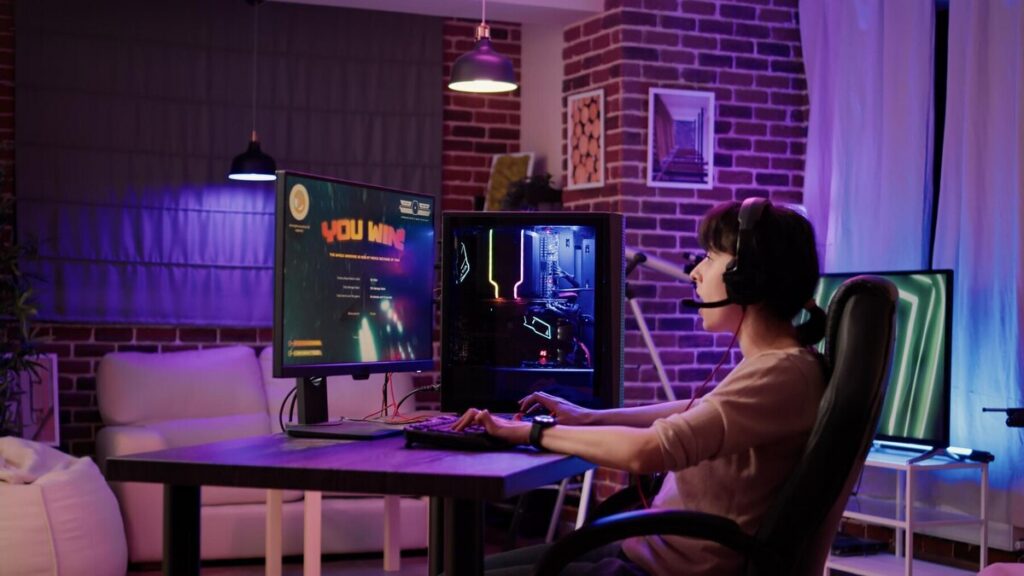
Many patients may not realize how crucial an ergonomic setup at your workspace can be. By arranging your work environment to support your body properly, you can significantly reduce strain on your back.
In addition to making these adjustments, incorporating specific exercises that enhance your posture will further promote your overall well-being.
Good posture not only helps alleviate discomfort but also plays a vital role in your body’s natural healing processes.
Remember, a few small changes can lead to substantial improvements in your quality of life.
If you have any questions or need guidance on how to achieve better posture, don’t hesitate to reach out during your next visit!
Importance of Ergonomic Setup
As a chiropractor, I’ve seen firsthand how the setup of your workspace can profoundly affect your lower back health. Many people underestimate the importance of an ergonomic workspace, but it plays a crucial role in promoting better posture and reducing strain on your spine.
By making a few simple adjustments, you can’t only enhance your comfort but also boost your productivity.
Here are some tips for creating an ergonomic setup:
- Ensure your chair supports your lower back, allowing your feet to rest flat on the floor. This support is vital for maintaining the natural curve of your spine.
- Position your computer monitor at eye level. This helps prevent neck strain and encourages you to sit up straight instead of slouching.
- Use a desk that accommodates a 90-degree angle for your elbows while typing. This position reduces strain on your wrists and shoulders.
Implementing these changes can lead to significant improvements in your daily comfort and long-term spinal health.
Exercises for Posture Improvement
As a local chiropractor dedicated to your health and well-being, I want to emphasize how improving your posture can significantly enhance your comfort and overall health. Incorporating simple exercises into your daily routine can make a world of difference.
One effective exercise is the wall angel. To perform this, stand with your back against a wall, raise your arms, and gently slide them up and down. This movement strengthens your upper back and opens your chest, which is crucial for good posture.
Another beneficial exercise is the cat-cow stretch. This gentle movement helps increase flexibility in your spine, promoting better alignment.
While seated, you can also engage in seated rows with resistance bands. This exercise targets and enhances your back muscles, supporting your spine’s health.
Don’t overlook the importance of a strong core; incorporating planks into your routine will greatly benefit your posture, as a strong core supports your entire body structure.
Aim for consistency with these exercises, and you’ll likely notice improved alignment and reduced strain on your lower back over time.
Apply Heat and Cold Therapy
As a local chiropractor dedicated to helping patients manage their pain naturally, I want to share the benefits of heat and cold therapy for lower back pain relief. These techniques are simple yet effective, and they can easily be integrated into your daily routine to support your healing process.
- Cold therapy: I recommend applying an ice pack wrapped in a cloth to the affected area for 15-20 minutes. This method numbs the pain and helps reduce swelling, making it particularly useful within the first 48 hours after an injury. Cold therapy can be a great first step in managing acute discomfort.
- Heat therapy: For ongoing issues like chronic pain or stiffness, using a heating pad or a warm towel can work wonders. Heat helps to relax tight muscles and improve blood circulation, promoting healing and comfort.
- Alternating therapies: One of the most effective approaches is to alternate between heat and cold therapy. Start with cold therapy to tackle inflammation, followed by heat to ease muscle tension. This combination can provide maximum relief and enhance your overall recovery.
Incorporating these simple techniques into your self-care routine can be a powerful way to regain comfort and mobility as you work towards overcoming lower back pain.
Consider Professional Help
If you’re dealing with ongoing lower back pain, it’s important to know that seeking professional help, particularly from a chiropractor, can be a crucial step toward healing.
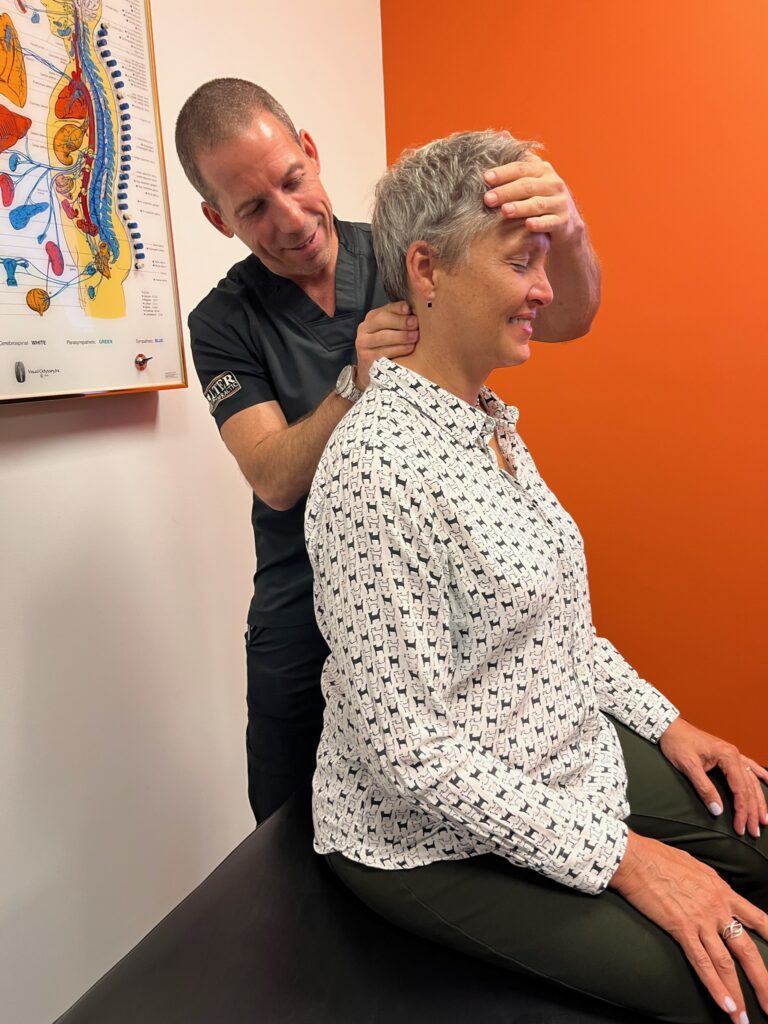
As a chiropractor, I specialize in assessing your condition and identifying the root causes of your discomfort. Through a comprehensive evaluation, we can discover how your spine and nervous system relate to your pain.
Chiropractic care focuses on natural healing methods. I may recommend treatments such as spinal adjustments, which can help realign your spine and alleviate pressure on nerves.
Additionally, I can guide you through exercises designed to strengthen your back and enhance your flexibility, all tailored to fit your individual needs.
If your pain is intense or doesn’t improve with initial chiropractic treatments, we can discuss other natural options available, such as therapeutic modalities or lifestyle changes that support your recovery.
Remember, you don’t have to navigate this journey alone; with expert chiropractic care, you can regain your quality of life and find relief from your back pain.
Let’s work together to help you feel your best!
Make Lifestyle Adjustments
As your local chiropractor, I want to emphasize the importance of making some lifestyle adjustments to support your recovery from lower back pain once you’ve sought professional help.
These small changes can have a significant impact on your day-to-day comfort and overall well-being.
- Stay Active: It’s crucial to engage in low-impact exercises such as walking or swimming. These activities can help strengthen not just your back, but also your core muscles, providing better support for your spine.
- Improve Posture: Be conscious of your body alignment while sitting, standing, or lifting. Maintaining good posture is essential, as it can significantly reduce strain on your back and help alleviate discomfort.
- Manage Weight: Keeping a healthy weight is vital for your spine’s health. Excess weight can put unnecessary stress on your lower back, so maintaining a balanced diet and regular exercise can be beneficial.
By integrating these habits into your daily routine, you can enhance your recovery and promote long-term wellness.
Conclusion
As a local chiropractor, I want to emphasize that recovering from lower back pain requires a proactive and informed approach. It’s essential to first understand the potential causes of your discomfort, as this knowledge will empower you to take the right steps toward healing. Incorporating gentle stretches into your routine can help improve flexibility and ease tension in your back muscles.
Strengthening your core is another key aspect of recovery; a strong core provides stability and support for your spine, which can significantly reduce pain. Additionally, paying attention to your posture throughout the day is crucial. Proper alignment can prevent further strain on your back.
Don’t underestimate the benefits of heat and cold therapy. Applying heat can relax tight muscles, while cold therapy can reduce inflammation. If your pain persists, seeking professional help from a chiropractor can be invaluable. We can assess your condition and tailor a treatment plan to fit your individual needs.
Moreover, making lifestyle adjustments, such as maintaining a balanced diet and staying active, can greatly enhance your recovery process. Remember, consistency is key. By committing to these steps, you’ll be well on your way to alleviating lower back pain and improving your overall health. Let’s work together towards your recovery!