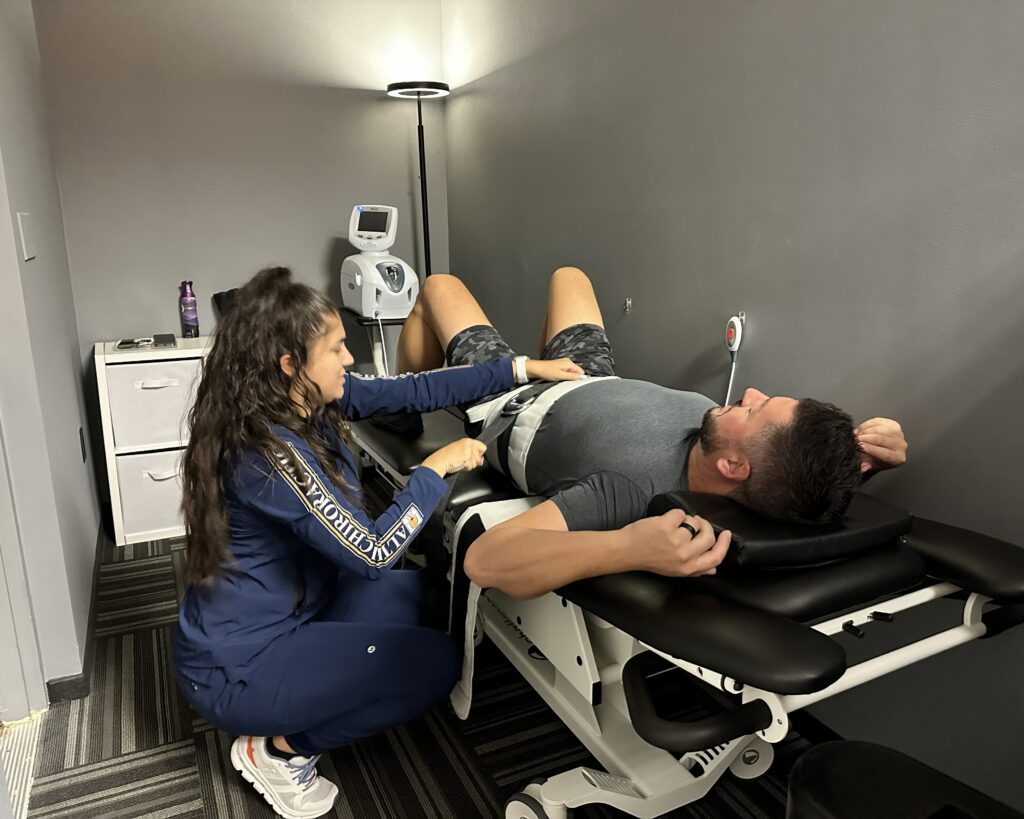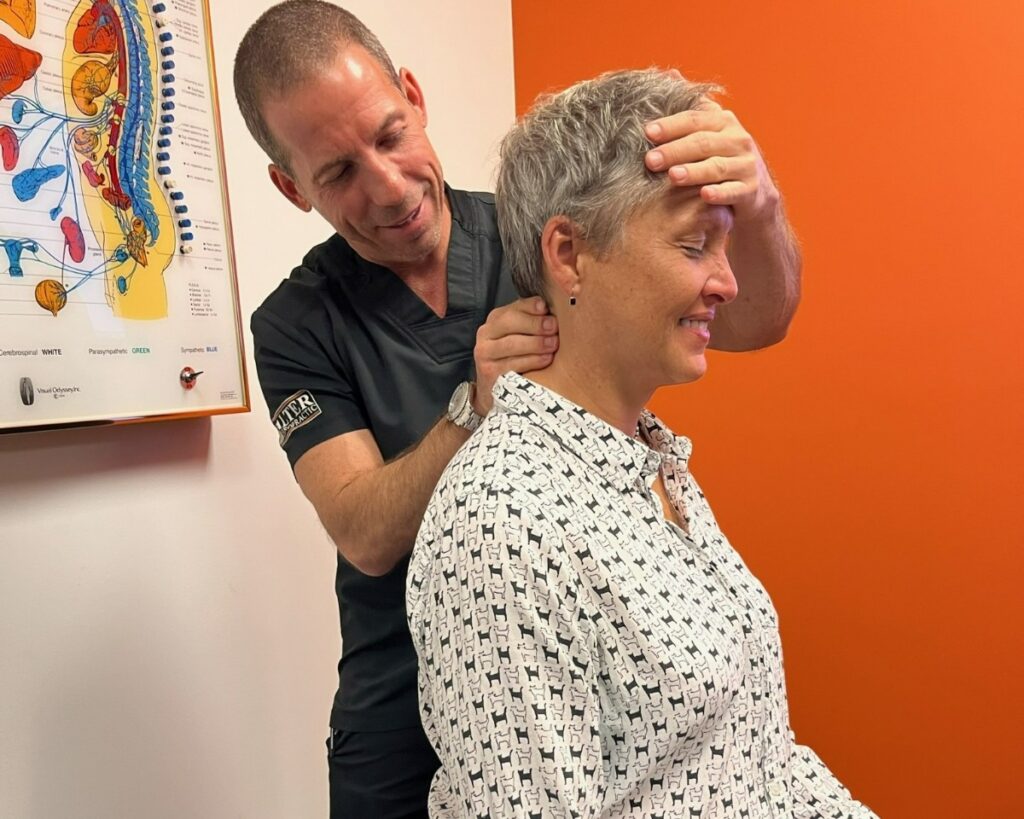

You know that a strong immune system is essential for your overall health, but do you fully understand how trusted care can play a role in this process? Regular health check-ups and personalized advice can set the foundation for your immune resilience, guiding you through important vaccinations and preventive measures. Combined with a balanced diet and consistent exercise, this approach can greatly enhance your well-being. However, there are other factors you might be overlooking that could make all the difference in your immune health. Let's explore those next.
Importance of Immune Health
Why is immune health so vital? Your immune system acts as your body's defense mechanism, protecting you against harmful pathogens, viruses, and bacteria. When it's functioning well, you're less likely to get sick and can recover more quickly if you do. A strong immune system means your body can effectively identify and eliminate threats, keeping you healthy and active in your daily life.
Moreover, immune health impacts more than just your ability to fend off illnesses. It plays a significant role in your overall well-being, influencing everything from energy levels to mental clarity. When your immune system is compromised, you might experience fatigue, mood swings, or even chronic conditions.
It's important to recognize that a well-functioning immune system doesn't just protect you from immediate threats; it also helps maintain your long-term health.
You can't afford to overlook the importance of immune health. Stress, inadequate sleep, and poor lifestyle choices can all weaken your immune response. By prioritizing your immune health, you're not only safeguarding yourself against seasonal colds and flu but also setting the stage for a healthier future.
Nutrition for Immune Support
To boost your immune system effectively, you need to focus on proper nutrition.
Incorporating essential vitamins and minerals, along with immune-boosting foods, can make a significant difference in your overall health.
Don't forget that staying hydrated is just as vital for your wellness.
Essential Vitamins and Minerals
A robust immune system relies heavily on essential vitamins and minerals that support its function and resilience. You need to verify you're getting the right nutrients to help your immune system thrive.
Vitamins A, C, D, and E play critical roles in maintaining your immune health. For instance, Vitamin C boosts the production of white blood cells, which are fundamental for fighting infections.
Vitamin D is important for activating your immune defenses, while Vitamin A helps maintain the integrity of your skin and mucosal cells, acting as a barrier against pathogens.
Vitamin E, an antioxidant, protects your cells from damage and enhances immune response.
Minerals like zinc and selenium are also essential. Zinc plays a key role in immune cell function, and a deficiency can lead to a weakened response.
Selenium helps reduce inflammation and enhances the immune system's ability to fight off infections.
To support your immune system effectively, consider incorporating these vitamins and minerals into your daily routine through supplements or a balanced diet.
Immune-Boosting Foods
Incorporating a variety of immune-boosting foods into your diet can greatly enhance your body's defenses. Focus on fruits and vegetables rich in vitamins C and E, like oranges, strawberries, and spinach. These nutrients help support your immune system by promoting the production of antibodies and other immune cells.
Don't forget about garlic! This flavorful bulb has allicin, a compound known for its immune-enhancing properties. Adding garlic to your meals not only enhances flavor but also offers powerful benefits.
Incorporate nuts and seeds into your snacks, especially almonds and sunflower seeds. They provide essential vitamin E and healthy fats that help maintain immune function.
Fermented foods, such as yogurt and kimchi, are excellent for gut health, which is closely linked to your immune system.
Lastly, consider including lean proteins like chicken and beans, as they contain zinc and other crucial nutrients that aid in immune response.
Hydration and Wellness
Staying hydrated is essential for maintaining a robust immune system. When you drink enough water, your body can efficiently transport nutrients, remove toxins, and support crucial functions. Dehydration can lead to fatigue and hinder your immune response, making you more susceptible to infections.
To keep your immune system strong, aim for at least eight glasses of water a day, but remember that individual needs may vary. You can also hydrate through fruits and vegetables, like watermelon, oranges, and cucumbers, which aren't only invigorating but packed with vitamins and minerals that support your health.
Pay attention to your body's signals. If you're feeling thirsty or your urine is dark yellow, it's time to drink more. Additionally, consider incorporating beverages like herbal teas or broths, which can provide hydration while offering comforting nutrients.
Lastly, limit caffeine and alcohol, as they can dehydrate you. Instead, focus on maintaining a consistent hydration routine throughout the day. By prioritizing hydration, you're not just quenching your thirst; you're actively supporting your immune system and enhancing your overall wellness.
Stay hydrated, and your body will thank you!
Exercise and Physical Activity
Regular exercise is essential for boosting your immune system and overall health.
Whether it's brisk walking, yoga, or strength training, finding activities you enjoy makes staying active easier.
Let's explore the benefits of exercise, different types of physical activity, and some tips to keep you moving.
Benefits of Regular Exercise
Everyone knows that exercise is good for you, but the benefits go far beyond just physical appearance. Regular exercise plays an essential role in strengthening your immune system. When you stay active, your body increases the circulation of immune cells, helping you fend off illnesses more effectively.
You'll find that even moderate exercise, like brisk walking or cycling, can lead to substantial improvements in your overall health.
In addition to boosting your immune function, regular physical activity can enhance your mood. Exercise releases endorphins, which can help reduce stress and anxiety, making you feel more energized and positive throughout the day.
Plus, it can improve your sleep quality, enabling you to recover and recharge.
Moreover, staying active can help you maintain a healthy weight, reducing the risk of chronic diseases like diabetes and hypertension. With consistent exercise, you'll also experience better cardiovascular health and improved muscle strength, which contribute to better mobility as you age.
Types of Physical Activity
There are various types of physical activities you can incorporate into your routine, each offering unique benefits for your immune system and overall health.
Aerobic exercises, like walking, running, or cycling, get your heart pumping and improve circulation, which helps your immune cells function better. Aim for at least 150 minutes of moderate aerobic activity each week.
Strength training is another essential component. Lifting weights or using resistance bands not only builds muscle but also enhances bone density and metabolic health. You don't need to lift heavy; even bodyweight exercises like push-ups and squats can be effective.
Don't forget flexibility and balance exercises, such as yoga or tai chi. These activities promote relaxation and reduce stress, which can negatively impact your immune system. Plus, they help improve your range of motion, making daily tasks easier.
Lastly, try to incorporate recreational activities you enjoy, like dancing, swimming, or team sports. The key is to stay active and find what you love.
Combining these different types of physical activity will keep your routine fresh and enjoyable while boosting your immune health.
Tips for Staying Active
Staying active can be a challenge, but with a few simple strategies, you can make it a seamless part of your daily life. Incorporating physical activity doesn't have to mean hitting the gym for hours; small changes can lead to big results.
Here are some tips to help you stay active:
- Set specific goals: Break down your fitness objectives into manageable targets to keep you motivated.
- Choose activities you enjoy: Whether it's dancing, hiking, or playing a sport, finding fun activities makes it easier to stick with them.
- Make it social: Exercise with friends or family members to turn workouts into enjoyable bonding time.
- Utilize your environment: Take the stairs instead of the elevator, or walk or bike for short errands.
Managing Stress Levels
Stress management is crucial for maintaining a robust immune system. When you're stressed, your body produces cortisol, a hormone that can weaken your immune response over time. To combat this, you need to actively manage your stress levels. Start by identifying your stress triggers. Whether it's work, relationships, or financial worries, knowing what's bothering you is the first step towards finding solutions.
Next, incorporate relaxation techniques into your daily routine. Practices such as deep breathing, meditation, or yoga can greatly reduce stress and promote a sense of calm. Just a few minutes each day can make a difference.
Don't overlook the power of physical activity too. Exercise releases endorphins, which are natural mood lifters. Even a brisk walk can clear your mind and lower your stress levels.
Make time for hobbies and activities that you enjoy. Engaging in creative pursuits, spending time in nature, or simply reading a book can provide a much-needed escape from daily pressures.
You should also prioritize your social connections. Reach out to friends or family members; talking about your feelings can lighten your emotional load.
Lastly, be sure you're setting boundaries. Learn to say no when you're overwhelmed, and don't hesitate to delegate tasks.
Sleep and Recovery
Quality sleep is essential for a strong immune system and overall recovery. When you prioritize sleep, you're giving your body the time it needs to repair itself and fend off illness. During sleep, your immune system releases proteins called cytokines, which help combat infection and inflammation.
Here's why focusing on sleep is key for your health:
- It boosts your immune response, making you less susceptible to viruses.
- It promotes mental clarity and emotional stability, helping you manage stress better.
- It aids in muscle recovery and growth, especially after exercise.
- It regulates hormones that influence appetite and metabolism, promoting overall health.
To maximize your sleep, aim for 7-9 hours of quality rest each night. Establish a consistent sleep schedule by going to bed and waking up at the same time every day. Create a relaxing bedtime routine that signals your body it's time to wind down.
Limit exposure to screens at least an hour before bed, as blue light can disrupt your natural sleep cycle. Also, consider your sleep environment. Keep your bedroom cool, dark, and quiet to promote better sleep quality.
Use comfortable bedding and minimize noise disruptions, like using earplugs or white noise machines if needed. By recognizing the importance of sleep and making it a priority, you're setting a solid foundation for a robust immune system and overall better health.
Take these steps, and your body will thank you!
Preventive Healthcare Measures
Emphasizing preventive healthcare measures can markedly bolster your immune system and overall well-being. You have the power to take proactive steps that can greatly impact your health.
Start by ensuring you're up to date on vaccinations, as they play an essential role in preventing infections and diseases. Regular check-ups with your healthcare provider can help identify potential health issues before they become serious.
Incorporating a balanced diet rich in fruits, vegetables, whole grains, and lean proteins is critical. These foods provide essential nutrients that support immune function.
Don't forget to stay hydrated—drinking enough water helps your body maintain peak function and flushes out toxins.
Exercise is another key component of preventive healthcare. Aim for at least 150 minutes of moderate aerobic activity each week. Regular physical activity boosts circulation, which helps your immune cells function more effectively.
Additionally, managing stress through mindfulness practices, such as yoga or meditation, can enhance your immune response.
Finally, prioritize good hygiene practices. Simple actions like washing your hands regularly or avoiding close contact with sick individuals can minimize your chances of getting ill.
Seeking Professional Guidance
How can you guarantee that your immune system is as strong as possible? The answer often lies in seeking professional guidance. By consulting healthcare providers, you're taking proactive steps to tailor your immune health strategies to your unique needs.
Here are some key benefits of seeking professional advice:
- Personalized health assessments: Professionals can evaluate your medical history and lifestyle to identify specific areas for improvement.
- Evidence-based recommendations: You'll receive advice grounded in the latest research, ensuring that you're following effective practices.
- Monitoring progress: Regular check-ups allow for adjustments to your health plan, ensuring that you stay on track.
- Access to specialists: If needed, healthcare providers can refer you to specialists who can further enhance your immune health.
When you connect with a healthcare professional, you're not just getting generic advice. You're gaining insights tailored to you.
Whether it's understanding your nutritional needs, managing stress, or identifying any underlying conditions, their expertise can make a significant difference.
Don't hesitate to ask questions and express your concerns during your appointments. This open communication can lead to a more thorough understanding of your immune system and how to strengthen it effectively.
Conclusion
To sum up, strengthening your immune system is a journey best taken with trusted care. By prioritizing a balanced diet, regular exercise, and effective stress management, you're setting the foundation for better health. Don't forget the importance of sleep and preventive healthcare measures. Seeking professional guidance guarantees you stay informed and empowered to make choices that support your immune resilience. Start today, and take proactive steps towards a healthier you!