
If you're experiencing back pain, you're likely aware of how it can interfere with your everyday activities. As a local chiropractor, I want to share some effective techniques that can help you find relief naturally. There are various approaches available, from gentle stretching exercises to more comprehensive methods like chiropractic adjustments and physical therapy. You may be surprised at how combining these strategies can significantly improve your overall well-being. If you're curious about which techniques might be most beneficial for you, let's delve into the top ten methods that can assist you in regaining control over your back health. Your journey to relief starts here!
Stretching Exercises
As a local chiropractor, I want to emphasize the importance of stretching exercises as a vital component of any back pain relief strategy. These exercises not only enhance flexibility but also help reduce muscle tension and improve posture—factors that can significantly alleviate discomfort in your back.
By incorporating stretching into your daily routine, you may experience noticeable improvements in your overall back health.
I recommend starting with gentle stretches that target the muscles in your back, hips, and legs. One of my favorite stretches to suggest is the cat-cow stretch, which is fantastic for increasing spinal mobility. To perform this stretch, begin on all fours. Arch your back upwards while tucking in your chin, and then lower your belly while lifting your head. Repeat this sequence several times to enhance your flexibility.
Another beneficial stretch is the seated forward bend. Sit with your legs extended in front of you, take a deep breath in as you raise your arms overhead, and then exhale while hinging at your hips to reach for your toes. This stretch effectively targets your hamstrings and lower back, promoting greater comfort.
Don't overlook the restorative child's pose. Kneel on the floor, sit back on your heels, and stretch your arms forward on the ground. This position helps release tension in your lower back and encourages a sense of relaxation.
I recommend aiming to stretch for at least 15-30 minutes each day. It's crucial to listen to your body—if any stretch causes pain, please ease off.
Consistency is key, so find a routine that fits seamlessly into your lifestyle. By regularly incorporating these stretching exercises, you're likely to experience relief from back pain and enhance your overall well-being.
Heat Therapy
As a local chiropractor, I want to share some valuable insights on how heat therapy can be an effective tool in alleviating back pain. Many of my patients have found that applying heat to the affected areas not only increases blood circulation but also helps to relax tight muscles, providing much-needed relief from discomfort. This increased blood flow is essential for healing, as it delivers vital nutrients to your muscles and tissues.
There are various methods to utilize heat therapy at home. One of the most popular options is a heating pad, which can be electric or microwaveable. You can easily find these at your local store. Just remember to wrap it in a towel to prevent any burns to your skin.
For those who prefer a more natural approach, a warm towel or a hot water bottle can be incredibly effective as well. Simply soak a towel in hot water, wring it out, and place it gently on the affected area.
Taking a warm bath or shower is another excellent way to use heat for relief. The soothing warm water can help relax your muscles, providing immediate comfort. If you're interested in enhancing your bath experience, consider adding Epsom salts, which may help reduce inflammation and offer additional soothing benefits.
As with any therapeutic practice, it's crucial to listen to your body when using heat therapy. If you experience any discomfort or pain, please remove the heat source right away.
I recommend limiting your heat sessions to about 15-20 minutes at a time to avoid skin irritation. By incorporating heat therapy into your routine for managing back pain, you can significantly improve your comfort and regain mobility.
Cold Therapy
As a local chiropractor committed to helping you understand natural healing methods, I want to highlight the benefits of cold therapy for managing back pain.
This simple yet effective technique can significantly reduce inflammation and provide immediate relief by numbing the affected area.
If you're unfamiliar with this approach, let me walk you through how cold therapy works and the best ways to apply it in your daily routine for optimal results.
Embracing this natural remedy can be a valuable addition to your overall wellness journey.
Benefits of Cold Therapy
As a local chiropractor, I often see patients struggling with back pain, and I want to share the benefits of cold therapy as a natural and effective approach to managing discomfort.
Cold therapy can be a true game changer for those experiencing back pain. When applied to the affected area, it provides immediate relief by numbing the pain, which can significantly reduce its intensity. The cold also constricts blood vessels, minimizing inflammation and swelling, allowing you to move with greater ease.
One of the key advantages of cold therapy is its ability to prevent further injury. Applying ice right after an injury occurs can limit damage and promote faster healing, making it especially effective for acute injuries where pain and inflammation are the main challenges you're facing.
Cold therapy can also assist in relieving muscle spasms. By cooling the muscles, you help them relax, alleviating tightness and discomfort. Many of my patients find it particularly beneficial after a long day or following strenuous activities that may exacerbate their back pain.
What I love about cold therapy is its accessibility. You don't need any specialized equipment; a simple bag of ice or a reusable cold pack can work wonders.
Incorporating cold therapy into your daily routine can offer consistent relief and enhance your overall quality of life. It's an invaluable tool in your back pain management strategy, and I encourage you to give it a try! Your body will thank you.
Application Techniques Explained
As your local chiropractor, I'm here to guide you on how to effectively use cold therapy to alleviate pain and promote healing. Cold therapy is a straightforward and natural method that can provide significant relief, especially for back pain.
To start, it's important to select the right cold source. Options include ice packs, frozen gel packs, or even a bag of frozen vegetables—whatever you have on hand. However, always remember to wrap your chosen cold source in a thin towel or cloth. This is crucial to protect your skin from damage and ensure your comfort during the application.
When applying the cold pack to the affected area, aim for about 15 to 20 minutes at a time. You can repeat this several times a day, particularly after any activities that might aggravate your back pain. Listen to your body; if you experience excessive discomfort or numbness, please remove the cold source right away.
It's also important to give your skin some rest between applications. Allow at least 30 to 60 minutes before reapplying the cold therapy. This break is vital for avoiding any adverse effects and maximizing the benefits of your treatment.
Furthermore, I encourage you to combine cold therapy with gentle stretches or other natural pain relief techniques. This holistic approach can enhance your recovery and improve your overall well-being.
If you have any questions or need personalized advice on incorporating cold therapy into your healing process, feel free to reach out during your next visit. Your health and comfort are my top priority!
Physical Therapy
Chiropractic care can be a transformative approach for those experiencing back pain. It focuses on restoring proper alignment, improving mobility, and enhancing your overall well-being.
As a chiropractor, I aim to develop a personalized treatment plan that addresses the underlying causes of your discomfort and provides you with effective strategies for lasting relief.
Here are three essential elements typically involved in chiropractic care for back pain:
- Comprehensive Assessment: We'll start with a thorough assessment of your posture, spinal alignment, and movement patterns. This evaluation allows us to identify any misalignments or dysfunctions that may be contributing to your pain.
- Tailored Treatment Plan: Based on our assessment, I'll create a customized treatment plan that may include spinal adjustments, manual therapies, and specific exercises. These interventions are designed to alleviate pain, restore function, and prevent future issues.
- Education and Lifestyle Guidance: You'll learn about proper body mechanics and techniques for daily activities, which can significantly reduce strain on your back. Additionally, I may recommend natural remedies and lifestyle adjustments that support your healing process and overall health.
Chiropractic Adjustments
As a local chiropractor dedicated to helping our community, I want to take a moment to explain how chiropractic adjustments can significantly alleviate back pain and promote overall wellness. Many people are unfamiliar with what we do, so let me break it down for you.
Chiropractic adjustments are a vital aspect of natural healing. When you come to see me, I'll conduct a thorough assessment of your spine and posture. This assessment allows us to identify any misalignments—also known as subluxations—that could be causing your discomfort. These misalignments can irritate nerves and create muscle tension, leading to pain that affects your daily activities.
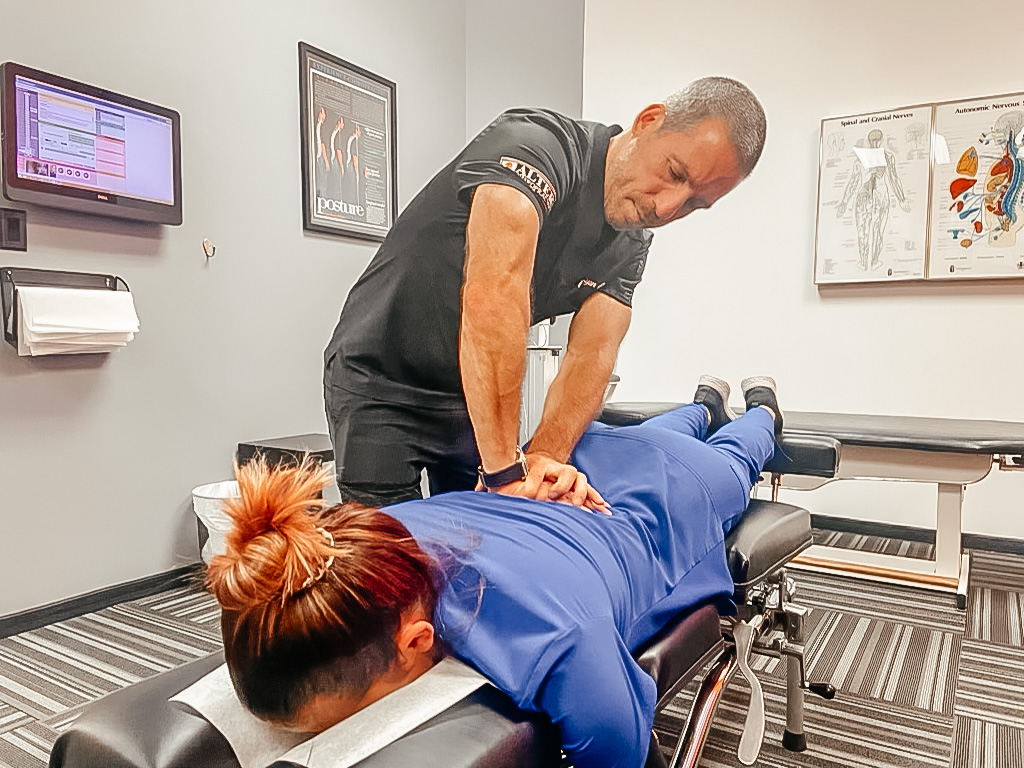
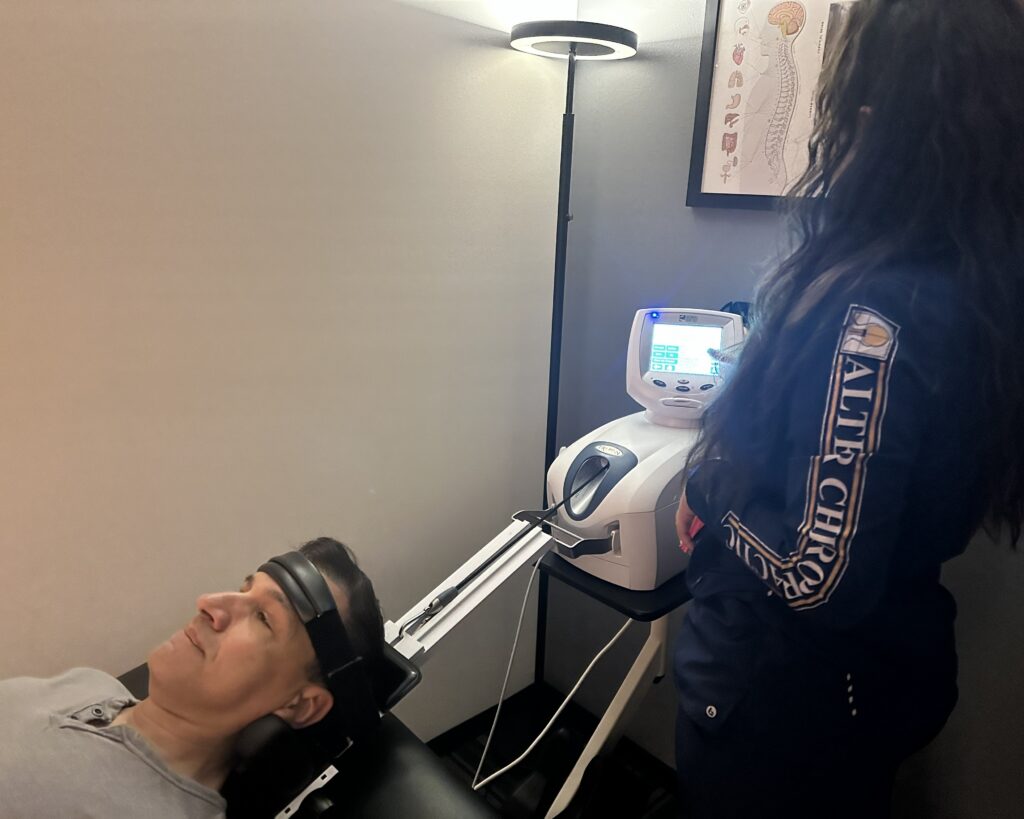
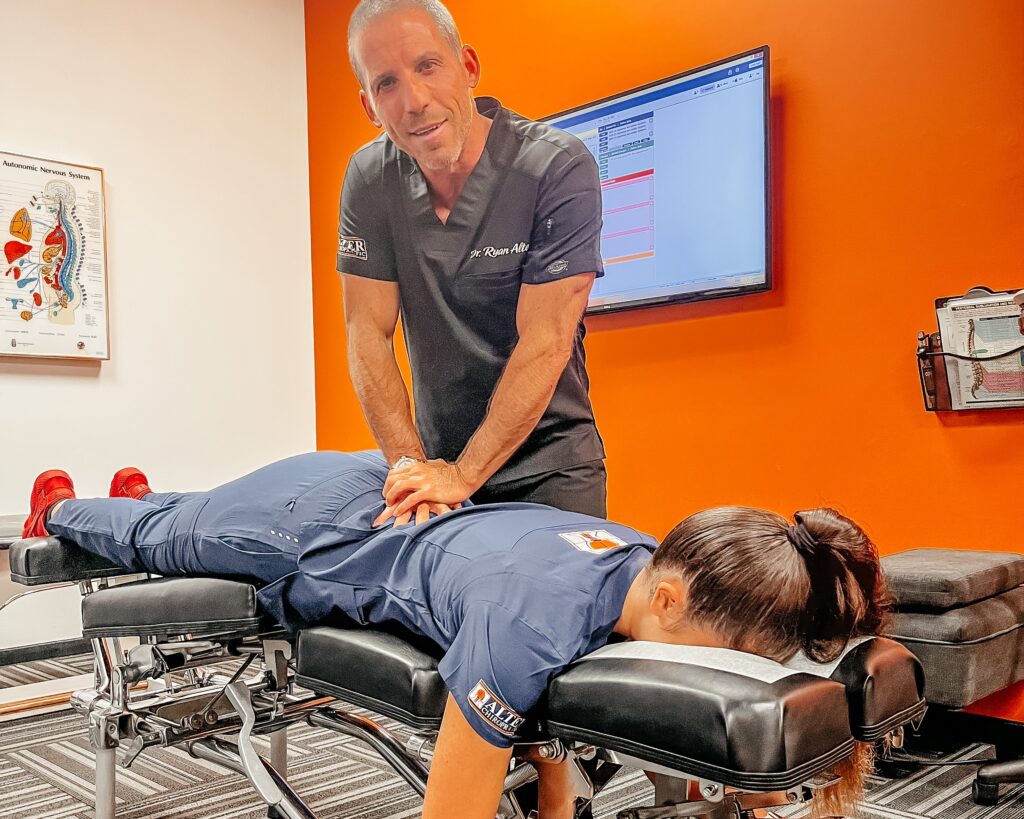
During a chiropractic adjustment, I use my hands or specialized tools to apply controlled force to specific joints. This technique is designed to realign your spine, restore mobility, and ease your pain. Many of my patients report feeling immediate relief following an adjustment, as it helps reduce muscle tension and inflammation.
Regular visits to me can't only relieve your current back pain but also help prevent future issues. By keeping your spine properly aligned, you support your body's natural ability to heal itself. I may also provide you with personalized exercises or stretches to further enhance the benefits of your adjustments.
I encourage open communication with all my patients. It's important for you to share your pain levels and any concerns you may have. Together, we'll create a tailored treatment plan that addresses your unique needs and track your progress over time. With consistent chiropractic care, we can work towards achieving a pain-free lifestyle.
If you're experiencing back pain or simply want to improve your overall health, I invite you to consider incorporating chiropractic adjustments into your wellness routine. Not only do they target the root of your pain, but they also promote holistic health and well-being.
Take the first step toward relief—schedule your appointment with me today!
Massage Therapy
As a local chiropractor, I want to share the benefits of massage therapy in alleviating back pain.
This holistic approach offers a variety of techniques that can be customized to meet your individual needs. Regular massage sessions not only help to relieve muscle tension but also enhance your overall wellness.
It's crucial to select a therapist who's experience and expertise in the specific massage techniques that align with your condition.
Types of Massage Techniques
As a local chiropractor, I understand that many of you may be seeking relief from back pain and exploring various options for natural healing.
One effective approach to alleviate discomfort and promote relaxation is through different massage techniques. Each technique has its own unique benefits that can complement chiropractic care.
Here are three popular massage methods that I recommend considering:
- Swedish Massage: This gentle technique utilizes long, flowing strokes, kneading, and circular movements on the surface muscles. It's excellent for overall relaxation and can significantly help ease tension in your back, making it a wonderful introduction to the world of therapeutic bodywork.
- Deep Tissue Massage: For those of you experiencing chronic pain, deep tissue massage is particularly beneficial. This technique focuses on the deeper layers of muscle and connective tissue, addressing knots and relieving tightness. Although it can be intense, it's often very effective in helping to restore mobility and reduce pain.
- Trigger Point Therapy: This specialized method targets specific muscle points that may be contributing to pain in other areas. By applying focused pressure to these trigger points, we can alleviate tightness and enhance blood flow, promoting faster recovery and improved function.
Incorporating these massage techniques alongside your chiropractic treatments can be a powerful way to support your body's natural healing process.
If you have any questions or would like to explore these options further, feel free to reach out!
Benefits of Regular Sessions
As a local chiropractor, I want to share how regular sessions of massage therapy can significantly enhance your overall well-being. Consistency in receiving massages can help alleviate muscle tension, which is often a major contributor to back pain and stiffness. By focusing on specific areas where discomfort is present, massage therapy promotes improved blood circulation, ensuring that essential nutrients and oxygen are effectively delivered to your muscles. This process not only accelerates healing but also enhances flexibility, allowing you to move with greater ease.
Furthermore, regular massage therapy is an excellent way to manage stress and anxiety, which can intensify back pain. The soothing effects of massage help lower cortisol levels in your body, fostering a state of relaxation that benefits both your physical and mental health. You may even notice that your sleep patterns improve, which is crucial for recovery and overall wellness.
Through consistent sessions, you can also cultivate a deeper awareness of your body. This awareness enables you to recognize how tension accumulates and empowers you to take proactive measures to address it. By adopting better posture and movement habits in your daily life, you can significantly reduce the chances of experiencing future pain.
Choosing a Therapist
When it comes to addressing back pain, finding the right chiropractor can significantly enhance your healing journey. It's important to choose someone who understands your unique needs and can guide you through the process of natural healing. Here are some key considerations for selecting the best chiropractor for you:
- Qualifications and Experience: Look for a licensed chiropractor who's experience specifically in treating back pain. Check their credentials and don't hesitate to inquire about their treatment approach to ensure it aligns with your health goals.
- Specialization: Chiropractors often specialize in various techniques. If you're interested in specific methods like spinal manipulation, soft tissue therapy, or rehabilitation exercises, confirm that the chiropractor has expertise in those areas.
- Personal Connection: Establishing a rapport with your chiropractor is crucial for effective treatment. Consider scheduling a consultation or an initial appointment to gauge their communication style and personality. You want to feel comfortable discussing your concerns and asking questions.
Take your time to research potential chiropractors in your area. It's perfectly acceptable to ask about their methods and experience.
An effective chiropractor won't only help alleviate your pain but also educate you on maintaining your spinal health and overall wellness. By following these steps, you'll be on your way to finding the right chiropractor to support your journey toward pain relief and improved health.
Mindfulness and Meditation
As a local chiropractor, I want to share the benefits of incorporating mindfulness and meditation into your daily routine, particularly for alleviating back pain. Many of my patients are surprised to learn how these practices can complement chiropractic care by promoting relaxation and reducing stress.
When you engage in mindfulness, you develop the ability to focus on the present moment, which increases your awareness of your body and its sensations. This awareness can help you identify areas of tension or discomfort in your back, allowing you to address these issues more effectively, both on your own and in conjunction with your chiropractic treatments.
Meditation serves as a valuable mental retreat from daily stressors that can exacerbate back pain. By dedicating just a few minutes each day to sit quietly and practice deep breathing, you can lower your stress levels and cultivate a sense of peace. This calming effect reduces muscle tension and can lead to improved posture, both of which are vital for maintaining back health.
To get started, I recommend finding a quiet space where you can sit comfortably without interruptions. Close your eyes and take slow, deep breaths, focusing on each inhale and exhale. As you breathe, allow any thoughts of pain or discomfort to drift away.
You might also explore guided meditations specifically designed for pain relief, as these can provide additional support and structure to your practice.
As you integrate mindfulness and meditation into your daily routine, you may notice not only a reduction in back pain but also an overall improvement in your well-being.
Consistency is essential, so I encourage you to make these techniques a regular part of your life. With time, you'll likely find yourself feeling more relaxed and in tune with your body, enhancing the benefits of the chiropractic care you receive.
Acupuncture
If you're exploring natural options for back pain relief, I want to take a moment to introduce you to acupuncture, a well-established practice that can complement chiropractic care.
Acupuncture involves the insertion of thin needles into specific points on the body, aiming to stimulate healing and reduce pain. Understanding how this therapy works and the benefits it can offer is essential for your recovery.
As a local chiropractor, I often see how integrating acupuncture into your treatment plan can enhance your healing process. It can help relieve tension, improve circulation, and promote overall wellness.
Additionally, knowing how frequently you should receive acupuncture treatments can significantly impact your progress. Together, we can create a holistic approach that addresses your back pain and supports your journey to better health.
How Acupuncture Works
As a local chiropractor, I want to share with you the fascinating world of acupuncture and how it can complement your journey toward natural healing. Acupuncture is an ancient practice that originates from Traditional Chinese Medicine, where thin needles are inserted into specific points on the body to relieve pain and promote overall wellness.
The foundation of acupuncture lies in the belief that an energy known as "Qi" flows through pathways in your body. When this energy becomes blocked, it can lead to discomfort or pain. By targeting specific acupuncture points, the goal is to restore balance and enhance your body's natural healing capabilities.
Here's how acupuncture can work for you:
- Needle Insertion: During an acupuncture session, trained practitioners gently insert needles into specific points that correspond with your areas of discomfort. While you may feel a slight prick, most people find the experience to be gentle and relaxing. These needles stimulate nerves, muscles, and connective tissues, prompting your body to release endorphins—your natural pain relievers.
- Increased Blood Flow: The insertion of needles not only helps with pain relief but also encourages improved blood circulation in the targeted areas. Enhanced blood flow is crucial because it helps reduce inflammation and accelerates the healing process, making it a valuable addition to chiropractic care.
- Nervous System Response: Acupuncture plays a significant role in influencing your nervous system, often invoking a relaxation response. This reaction can help alleviate tension and stress, which are common contributors to various forms of pain, including back pain.
Benefits of Acupuncture
As your local chiropractor, I want to share with you the incredible benefits of acupuncture, a complementary therapy that can significantly enhance your overall well-being and assist in pain relief. This time-honored practice involves stimulating specific points on your body, which promotes natural healing and alleviates discomfort.
Many patients have found acupuncture to be effective in alleviating chronic back pain, allowing them to regain mobility and fully engage in their daily activities without limitations. By integrating acupuncture into your treatment plan, we can work together to address your pain holistically.
In addition to pain relief, acupuncture plays a vital role in reducing stress and anxiety, creating a sense of relaxation that benefits both your physical and mental health. It helps balance your energy, or "qi," which is crucial for your overall health and vitality.
Many individuals report improved sleep quality after acupuncture sessions, which is essential for recovery and maintaining a healthy lifestyle.
It's important to note that acupuncture is a safe option with minimal side effects compared to many traditional medications. As your chiropractor, I can ensure that your treatments are tailored to meet your specific needs, providing a personalized experience that supports your journey to wellness.
Incorporating acupuncture into your chiropractic care can lead to long-lasting benefits, making it a powerful tool in your pursuit of back pain relief and an enhanced quality of life.
Let's explore how this ancient practice can be integrated into your health routine for optimal results.
Treatment Frequency Recommendations
As a local chiropractor, I want to share with you how regular chiropractic sessions can significantly aid in your recovery from back pain.
It's crucial to find a treatment frequency that aligns with your unique needs. Here's a simple guideline to help you understand how often you might want to schedule your appointments:
- Initial Phase (1-2 weeks): I recommend visiting for adjustments 2-3 times a week during this period. This frequency is essential to jumpstart your healing process and effectively manage acute pain.
- Maintenance Phase (3-6 weeks): Once we've made some progress, we can reduce your visits to once a week. This helps to reinforce the improvements you've achieved and plays a key role in preventing the pain from recurring.
- Long-Term Care (beyond 6 weeks): After the initial recovery, consider transitioning to monthly visits. This ongoing care is vital for maintaining your overall wellness and can be particularly beneficial in managing chronic back pain.
By following this treatment plan, you can enhance your recovery and enjoy a healthier, pain-free life.
Over-the-Counter Medications
As a local chiropractor, I want to share how over-the-counter medications can be a helpful tool in managing your back pain, especially if you're new to chiropractic care and natural healing. These medications can offer quick relief for mild to moderate discomfort, allowing you to feel more comfortable in your daily life.
Common options include nonsteroidal anti-inflammatory drugs (NSAIDs) such as ibuprofen and naproxen. These medications work by reducing inflammation, which can directly alleviate your pain. Acetaminophen is another effective option, particularly if you prefer to relieve pain without the anti-inflammatory effects that NSAIDs provide.
It's essential to use these medications responsibly. Always follow the recommended dosage on the packaging; exceeding the suggested amount can lead to unwanted side effects, like gastrointestinal issues or even an increased risk of heart problems. If you're uncertain about which medication is the best fit for your specific situation, I encourage you to consult with a healthcare professional or reach out to me for guidance.
In addition to oral medications, you might also consider topical pain relievers. These come in forms like creams, gels, or patches that contain ingredients such as menthol or capsaicin. These products can provide targeted relief right where you need it, without the systemic side effects that can come from oral medications. Simply apply them to the affected area and allow them to work their magic.
While over-the-counter medications can be helpful for managing your back pain, it's important to remember that they aren't a long-term solution. I recommend monitoring your symptoms closely and seeking medical advice if you experience persistent or severe pain.
Incorporating chiropractic care, along with other treatments like physical therapy or gentle stretching, can enhance your recovery and help you return to your daily activities more quickly and effectively. By taking a holistic approach to your health, you can achieve lasting relief and better overall wellness.
Lifestyle Modifications
As a local chiropractor dedicated to promoting natural healing, I want to share how your daily habits can significantly influence your back health. By making a few thoughtful lifestyle changes, you can find substantial relief from discomfort and support your spine effectively.
Here are three critical modifications to consider for better back health:
- Enhance Your Posture: Whether you're working at a desk or standing for extended periods, maintaining proper posture is crucial. Ensure your shoulders are aligned, your spine is straight, and your feet are planted flat on the ground. Investing in ergonomic furniture can provide additional support, helping to alleviate strain on your back.
- Stay Active: Regular physical activity is essential for strengthening your back muscles and improving flexibility. I recommend aiming for at least 30 minutes of moderate exercise on most days. Activities such as walking, swimming, or practicing yoga can be particularly beneficial for your back health. Always listen to your body, and steer clear of movements that lead to pain.
- Monitor Your Weight: Excess weight can add extra pressure on your back, leading to discomfort. Focus on a well-balanced diet filled with fruits, vegetables, whole grains, and lean proteins to maintain a healthy weight. Not only does this benefit your back, but it also enhances your overall well-being.
By implementing these lifestyle modifications, you can create a positive impact on your back health. Making these changes is a proactive approach toward reducing pain and improving your quality of life.
Conclusion
As your local chiropractor, I want to share some effective techniques for back pain relief that can truly enhance your quality of life. Many people are unaware of the benefits of chiropractic care and natural healing, so let's explore some strategies together.
Incorporating regular stretching exercises can help improve your flexibility and reduce tension in your back. Additionally, using heat and cold therapy can provide immediate relief from discomfort. If you're experiencing persistent pain, I highly recommend considering physical therapy or chiropractic adjustments, as these methods can address the root causes of your back issues.
Mindfulness practices can also play a crucial role in your recovery by helping you manage stress and maintain a positive outlook. Techniques such as acupuncture have been shown to alleviate pain and promote healing as well. Over-the-counter medications can offer temporary relief but should be used cautiously.
By making a few lifestyle modifications, you can empower yourself to manage your back pain effectively. Together, we can work towards a more active, pain-free life, utilizing the natural healing approaches that chiropractic care offers. If you have any questions about how these techniques can work for you, don't hesitate to reach out!