
When you're dealing with a sports injury, knowing the top treatments for relief can make a significant difference in your recovery. You might find that rest and gentle movement are just as essential as ice therapy for reducing inflammation. Compression techniques can help manage swelling, while elevation plays a key role in fluid control. Additionally, exploring physical therapy and alternative treatments can provide tailored approaches to get you back on track. But what are the most effective methods for each stage of recovery, and how can you integrate them into your routine?
Rest and Recovery
Rest and recovery are vital for healing sports injuries effectively. When you sustain an injury, your body needs time to repair itself. Skipping rest might seem tempting, especially when you're keen to return to the game, but pushing through pain can lead to more severe issues. It's essential to understand that your body's healing process requires a break from physical activities.
Start by listening to your body. If you're experiencing pain or swelling, it's a sign that you should take a step back. Prioritize rest for at least a few days after the injury. This doesn't mean you should be completely inactive; instead, focus on gentle movements and stretching that don't exacerbate your discomfort. This can help maintain flexibility and circulation without straining the injured area.
Incorporating proper sleep into your recovery plan is equally important. Quality sleep aids tissue repair and reduces inflammation, allowing your body to heal more effectively. Aim for seven to nine hours of uninterrupted sleep each night.
As you begin to feel better, gradually reintroduce activities. Start with low-impact exercises and slowly increase intensity based on your comfort level. It's wise to consult a healthcare professional or a physical therapist to guarantee you're on the right track.
Ice Therapy
After you've given your body the necessary time to rest and recover, ice therapy can play a significant role in managing pain and reducing inflammation. This simple yet effective treatment method can help alleviate discomfort from sports injuries like sprains, strains, or even tendonitis.
When you apply ice to the affected area, it constricts blood vessels, which helps to reduce swelling. It's typically recommended to ice the injury for 15 to 20 minutes every hour, especially in the first 48 hours following the injury.
Make sure to wrap the ice pack in a thin towel to protect your skin from frostbite.
You'll want to pay attention to how your body responds. If you notice excessive numbness or any increased pain, discontinue use and consult a healthcare professional.
Ice therapy not only helps with swelling but also provides a numbing effect that can temporarily relieve pain, making it easier for you to move and function in your daily activities.
Compression Techniques
Compression techniques can greatly enhance your recovery from sports injuries.
Understanding the benefits of compression therapy, different types of compression gear, and how to apply them effectively is essential for ideal results.
Let's explore how you can incorporate these techniques into your healing routine.
Benefits of Compression Therapy
Many athletes find that compression therapy offers considerable benefits in their recovery process. This technique can enhance your performance and speed up healing, allowing you to get back to the game you love.
Here are three compelling benefits you'll likely experience:
- Reduced Swelling: Compression helps limit the amount of fluid that builds up in injured areas, which can considerably reduce swelling. This can lead to a faster return to your regular training schedule.
- Improved Circulation: By applying consistent pressure, compression therapy enhances blood flow. This means more oxygen and nutrients reach your muscles, which aids in recovery and can even improve your overall performance.
- Pain Relief: Compression garments can provide a comforting effect, alleviating pain from injuries or soreness. You'll likely find that wearing compression gear during and after workouts can keep discomfort at bay.
Incorporating compression therapy into your recovery routine not only supports healing but also empowers you to push your limits with confidence.
Types of Compression Gear
When you're looking to enhance your recovery and performance, understanding the different types of compression gear can be essential. There are several options available, each designed to target specific areas of the body and provide varying levels of support.
Compression sleeves are popular for limbs, including arms and legs. They fit snugly around the muscles, improving blood circulation and helping to reduce swelling. You might also consider compression socks, which are especially effective for improving circulation in your lower extremities. These are great for runners or anyone who's on their feet for extended periods.
Compression shorts and tights offer a full range of motion while supporting the muscles in your thighs and glutes. They can help reduce muscle fatigue and soreness during and after workouts.
Then there are compression tops, which can provide support for your upper body while also aiding in temperature regulation.
Lastly, don't overlook compression wraps, which allow you to customize the level of compression based on your needs. With so many options, you can find the right compression gear that suits your specific activities and recovery goals, helping you perform at your best.
Techniques for Effective Application
Applying compression gear effectively can make a significant difference in your recovery and performance. To maximize the benefits, it's vital to follow a few key techniques. Proper application guarantees that you not only reduce swelling but also enhance blood circulation, which aids in healing.
Here are three essential tips for effective compression application:
- Choose the Right Size: Make certain your compression gear fits snugly but isn't too tight. A proper fit allows for peak compression without cutting off circulation.
- Apply Before Activity: Wearing compression gear during your workouts helps stabilize muscles and joints. This proactive approach can prevent injuries and enhance your performance.
- Use Post-Activity: After exercising, wear your compression gear to reduce swelling and speed up recovery. This can help alleviate soreness and keep you on track for your next workout.
Elevation Methods
When you're dealing with a leg injury, proper elevation techniques can make a significant difference in your recovery.
You'll also find various elevation devices and supports that can help maintain the right position.
Let's explore how to effectively elevate your leg to reduce swelling and promote healing.
Proper Leg Elevation Techniques
Effective leg elevation techniques are essential for reducing swelling and promoting recovery after an injury. When you elevate your leg properly, you enhance blood flow back to your heart and minimize fluid accumulation in the affected area.
Here's how to guarantee you're doing it right:
- Find the Right Angle: Elevate your leg above the level of your heart. You can use pillows or cushions to achieve this angle. It helps the fluids drain away and reduces pressure on the injured area.
- Duration Matters: Keep your leg elevated for at least 20-30 minutes every hour, especially in the first few days post-injury. This consistent elevation can make a significant difference in your recovery speed and comfort.
- Stay Comfortable: Confirm that your leg is supported well and that you're in a comfortable position. Discomfort can lead you to avoid elevating your leg, which can hinder your healing process.
Elevation Devices and Supports
Proper leg elevation can be enhanced with various elevation devices and supports designed to provide ideal comfort and effectiveness during recovery.
These devices help reduce swelling and promote circulation, which is vital after a sports injury.
One popular option is the wedge pillow. This angled support allows you to elevate your legs comfortably while you rest or sleep.
You'll find it helps distribute your weight evenly, reducing pressure on your joints.
Another useful tool is the compression wrap. When combined with elevation, these wraps apply gentle pressure to the injured area, further minimizing swelling.
Just make sure it isn't too tight—comfort is key.
For those who need mobility while recovering, consider using a portable leg rest. These lightweight supports can be adjusted to various heights, allowing you to elevate your leg whether you're on the couch or at your desk.
Lastly, specialized leg elevation cushions are designed to fit around your legs, offering stability and support.
They help maintain the ideal angle for proper elevation.
Physical Therapy
Physical therapy plays an essential role in recovering from sports injuries, helping you regain strength, flexibility, and overall function. When you're sidelined by an injury, it's easy to feel frustrated and anxious about getting back to your game.
A skilled physical therapist can create a tailored rehabilitation program that addresses your specific needs, ensuring you return stronger and more resilient.
Here are three key benefits of physical therapy for your recovery:
- Personalized Recovery Plan: Your therapist will assess your injury and develop a customized plan that targets your unique challenges, ensuring you make progress at a safe pace. This personalized attention is vital for avoiding re-injury and maximizing your recovery potential.
- Pain Management: Physical therapy techniques, such as manual therapy and exercises, can greatly reduce pain and inflammation. By addressing the root causes of your discomfort, you'll find relief and regain the motivation to push through your rehab.
- Enhanced Performance: Beyond just recovery, physical therapy helps you build strength and flexibility in a way that improves your athletic performance. Your therapist will teach you proper techniques and exercises that not only get you back on the field but also enhance your skills.
Embracing physical therapy can be a game-changer in your healing journey. With the right guidance and commitment, you'll find yourself ready to tackle your sport with renewed vigor and confidence.
Don't underestimate the power of a dedicated therapist by your side!
Alternative Treatments
While physical therapy serves as a cornerstone in sports injury recovery, many athletes also explore alternative treatments to complement their healing journey. These options can enhance your recovery and help alleviate pain, allowing you to return to your sport more quickly.
One popular alternative treatment is acupuncture. This ancient practice involves inserting thin needles into specific points on your body to promote healing and reduce inflammation. Many athletes find it effective for managing pain and speeding up recovery.
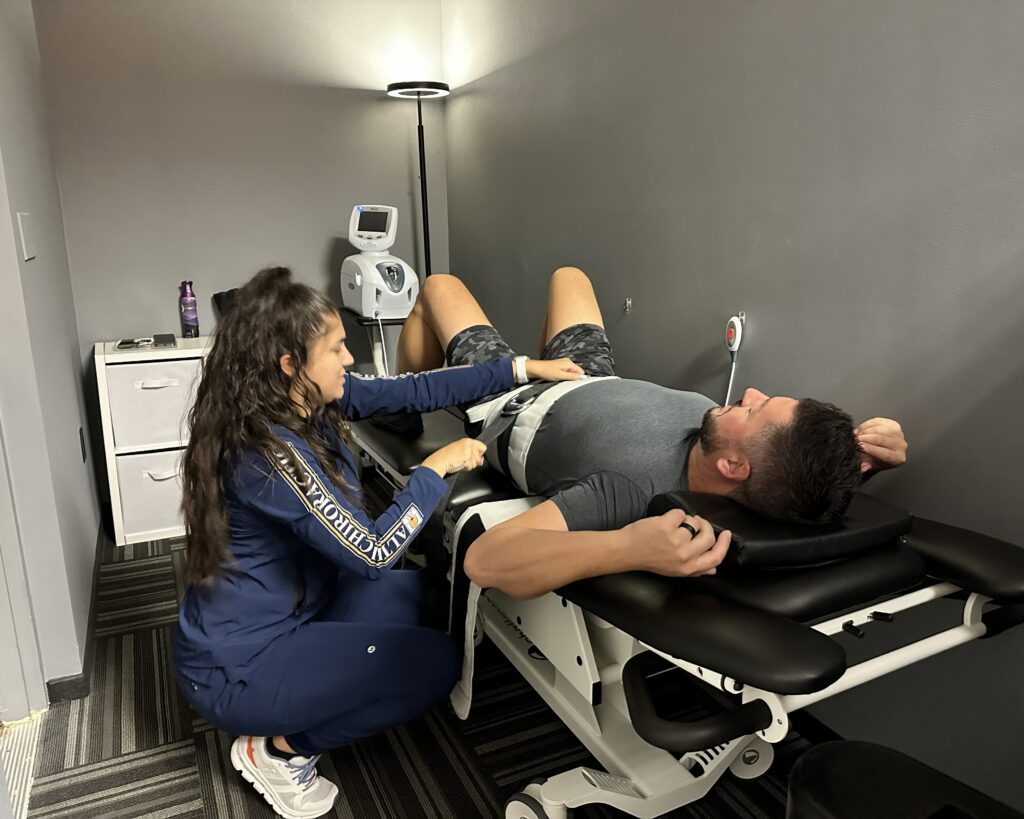
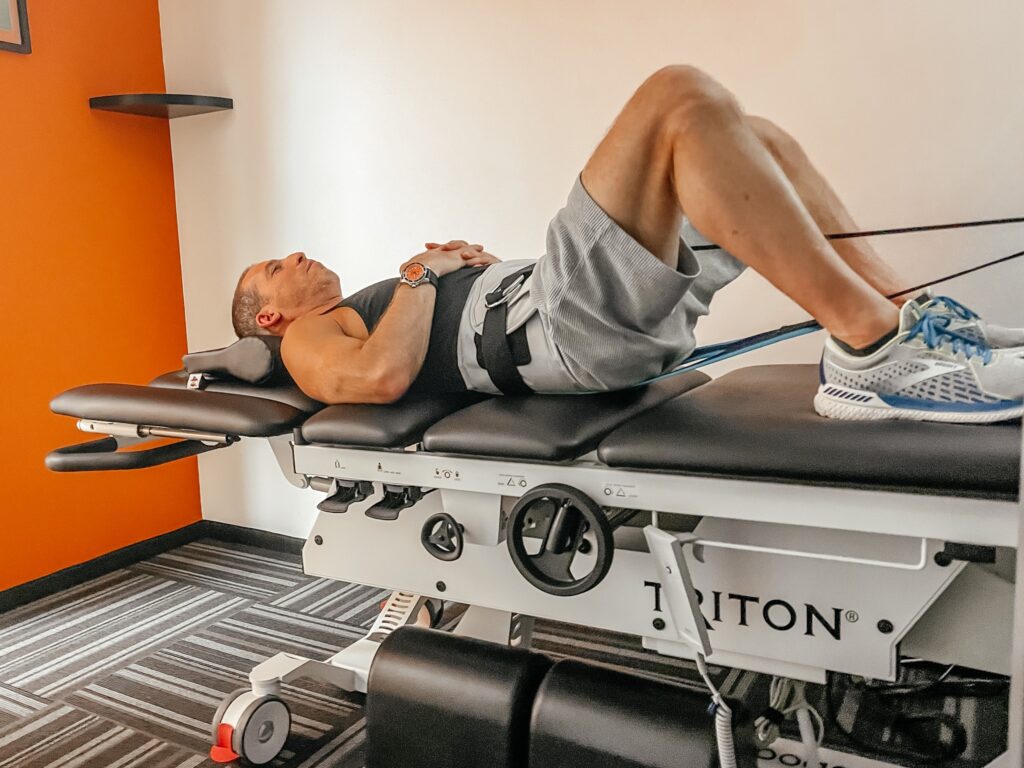
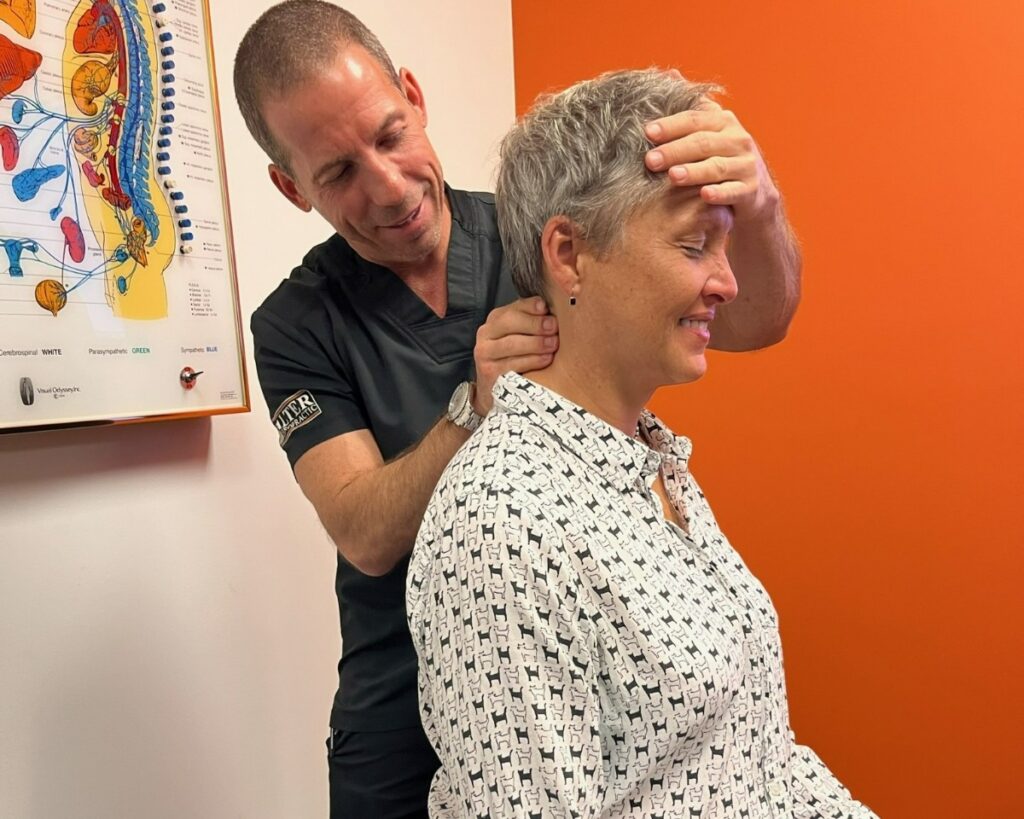
Another option is chiropractic care. Chiropractors focus on aligning your spine and joints, which can improve your overall function and alleviate pain. Regular adjustments may enhance your mobility and prevent future injuries, making it a valuable addition to your recovery plan.
You might also consider massage therapy. Deep tissue or sports massages can relieve muscle tension, improve circulation, and promote relaxation. This not only helps with recovery but also prepares your body for the physical demands of your sport.
Additionally, herbal remedies and supplements, such as turmeric or omega-3 fatty acids, have gained popularity for their anti-inflammatory properties. Always consult with a healthcare professional before incorporating these into your regimen to verify they're appropriate for your specific needs.
Finally, practices like yoga or Pilates can improve flexibility, balance, and strength, which are essential for injury prevention. By incorporating these alternative treatments into your recovery plan, you can enhance your healing process and get back in the game stronger than ever.
Conclusion
To sum up, managing a sports injury involves a combination of rest, ice therapy, compression, elevation, and physical therapy. Don't forget to explore alternative treatments like acupuncture or chiropractic care, which can enhance your healing process. By following these strategies, you can effectively relieve pain and promote recovery, allowing you to get back to your favorite activities sooner. Remember, listening to your body and giving it the care it needs is key to a successful recovery.