
Lower back pain can feel overwhelming and restrict your daily activities, but I want to reassure you that surgery isn’t your only option. As a local chiropractor, I’m here to share effective, non-invasive strategies that can help you take charge of your health. It’s essential to understand the root causes of your discomfort, and through chiropractic care, we can work together to address those issues.
By incorporating targeted exercises, making lifestyle adjustments, and exploring alternative therapies, we can create a personalized plan that promotes healing and strengthens your back. Many of my patients have found relief through hands-on treatments and guidance tailored to their specific needs. The journey to a healthier back begins with understanding your body, and I’m excited to show you the various options available to you that can lead to lasting relief. Don’t let lower back pain hold you back—let’s explore the path to wellness together!
Understanding Lower Back Pain: Causes and Symptoms
As your local chiropractor, I want to help you understand lower back pain and its underlying causes and symptoms so you can find the relief you deserve. Many people experience discomfort due to factors like muscle strain, herniated discs, or arthritis. Even something as simple as poor posture or prolonged sitting can contribute to your pain. By identifying these causes, we can work together to find the right approach for your recovery.
When dealing with lower back pain, you may notice symptoms such as stiffness, muscle spasms, and pain that radiates down your legs. It’s common for certain movements, like bending or lifting, to make your pain worse. Additionally, if you experience numbness or tingling, it’s crucial to seek professional help.
Understanding these causes and symptoms not only allows for better communication with me, your chiropractor, but also empowers you to take control of your health. By recognizing what triggers your pain, we can develop a personalized treatment plan that promotes healing and enhances your overall quality of life.
The Role of Physical Therapy in Pain Management
As you explore options for managing your lower back pain, I want to highlight the importance of chiropractic care in your recovery journey. Chiropractic care is a holistic and proactive approach that focuses on enhancing your mobility, strength, and overall well-being.
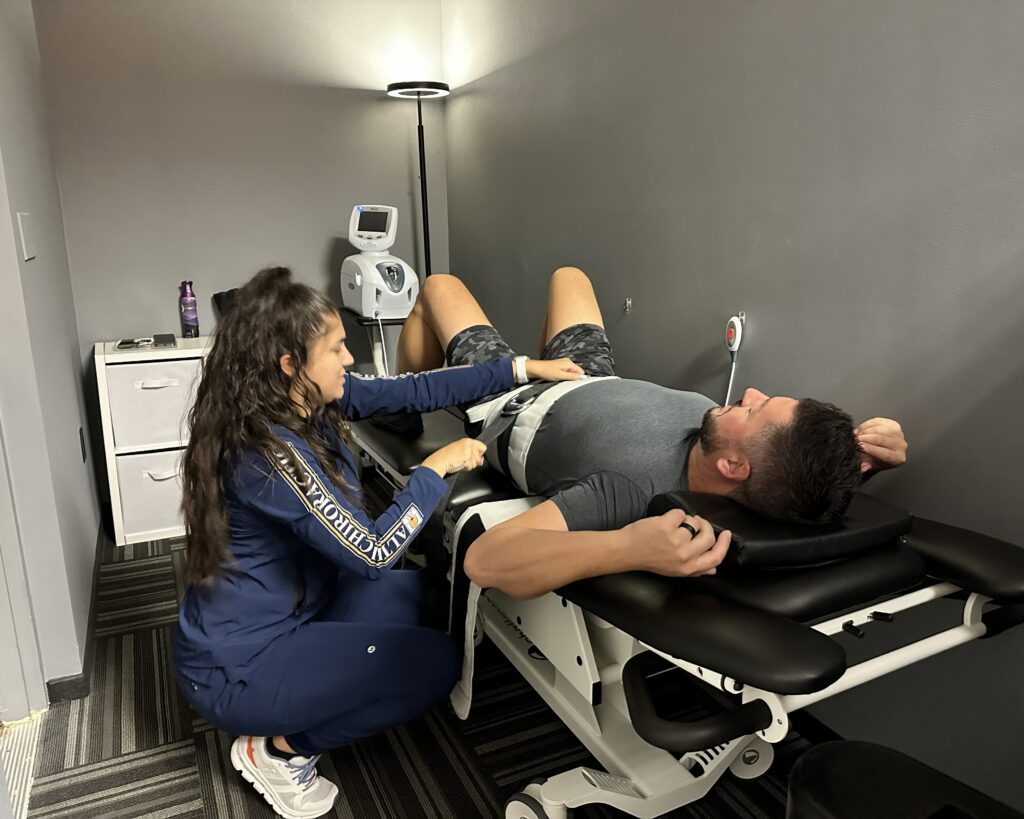
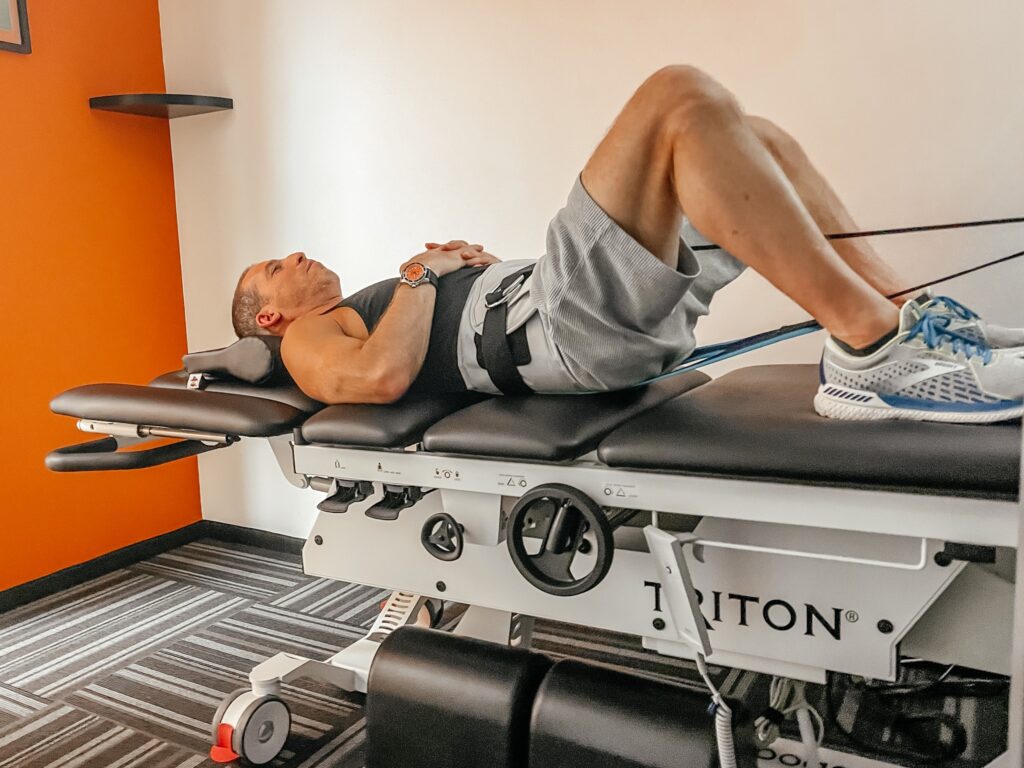
As a licensed chiropractor, I’ll assess your specific condition and create a personalized treatment plan that caters to your individual needs. Utilizing targeted techniques such as spinal adjustments, manual therapy, and various modalities like heat or cold therapy, you’ll acquire valuable tools to manage your pain and prevent future issues.
Regular chiropractic sessions can significantly alleviate discomfort, enhance flexibility, and stimulate the body’s natural healing processes.
Furthermore, chiropractic care empowers you with a deeper understanding of your body and its mechanics, equipping you with the knowledge to effectively manage your pain. As you progress in your treatment, you’ll develop a stronger connection to your physical health, enabling you to engage in daily activities with confidence and without the fear of worsening your pain.
Take the first step towards relief and recovery by considering chiropractic care as a natural healing option for your pain management.
Targeted Exercises to Strengthen Your Core
As a local chiropractor dedicated to your well-being, I want to emphasize the importance of strengthening your core for managing lower back pain and enhancing your overall stability. A strong core is vital as it supports your spine and alleviates strain on the back muscles.
To get started, I recommend incorporating some fundamental exercises into your routine. Begin with planks: lie face down, then elevate your body on your forearms and toes, holding this position for 20-30 seconds. As your strength improves, gradually extend the duration.
Next, let’s focus on bridges. Lie on your back with your knees bent and lift your hips toward the ceiling while squeezing your glutes at the peak. Aim for 10-15 repetitions to build strength effectively.
Another great exercise to include is the bird-dog. Start on all fours, extend one arm forward while extending the opposite leg back, then switch sides. This exercise not only boosts coordination but also enhances stability and balance.
Lastly, don’t overlook pelvic tilts; these gentle movements engage your core while promoting proper spinal alignment.
I suggest practicing these exercises at least three times a week. By doing so, you’ll experience improved core strength, which will contribute significantly to better support for your lower back.
Incorporating Stretching and Flexibility Into Your Routine
As a local chiropractor, I want to emphasize the importance of incorporating stretching and flexibility exercises into your daily routine. Many of my patients come to me suffering from lower back pain, and I’ve seen firsthand how simple stretches can make a significant difference.
These exercises not only enhance muscle elasticity but also play a crucial role in preventing injuries. When you make stretching a regular part of your day, you can experience improved mobility and overall better back health.
It’s a natural way to support your body and alleviate discomfort. I encourage you to consider adding these practices to your lifestyle, as the long-term benefits can lead to a healthier, pain-free back.
Benefits of Stretching
As a local chiropractor, I want to emphasize the incredible benefits of stretching for your overall well-being, particularly when it comes to alleviating lower back pain. Many people may not realize how essential regular stretching is to maintaining a healthy spine and body.
By integrating stretching into your daily routine, you can significantly enhance your flexibility, which plays a crucial role in reducing muscle tension and improving your range of motion. Increased flexibility not only contributes to better posture but also helps decrease the strain on your lower back, which is vital for preventing discomfort and injury.
Furthermore, stretching promotes blood circulation, ensuring that your muscles receive the essential nutrients they need for optimal recovery and function. One of the often-overlooked benefits of stretching is its ability to release endorphins, the body’s natural mood elevators. This can lead to reduced stress levels and an improved sense of well-being.
As you cultivate a consistent stretching habit, you may notice a significant decrease in discomfort, along with an overall sense of vitality that will enable you to engage in daily activities with ease, free from pain. Incorporating stretching into your life is a simple yet powerful way to support your body’s natural healing processes and enhance your quality of life.
If you have any questions about how stretching can benefit you or if you’re looking for personalized recommendations, feel free to reach out. Your health is our priority!
Effective Flexibility Exercises
As a local chiropractor dedicated to promoting natural healing, I want to emphasize the importance of incorporating flexibility exercises into your routine for better lower back health. When you make these exercises a regular practice, you’ll likely notice significant improvements in how your back feels and functions.
Stretches such as the cat-cow pose and child’s pose are excellent for increasing mobility and relieving tension in the spine. It’s also essential to pay attention to your hamstrings; tightness in this area can lead to lower back pain. Incorporating seated forward bends can help lengthen your spine and improve overall flexibility.
I recommend holding each stretch for about 20 to 30 seconds while focusing on deep, calming breaths to enhance relaxation. For optimal results, aim to practice these stretches at least three times a week. Consistency is crucial, so find a time that fits seamlessly into your schedule.
As you progress and become more flexible, you may experience reduced discomfort and an overall enhancement in your well-being. Remember, your body is a complex system, and taking proactive steps towards flexibility can support your journey to better health.
If you have any questions about how flexibility exercises can be integrated into your chiropractic care, feel free to ask!
Daily Routine Integration
As a local chiropractor dedicated to your well-being, I want to emphasize the importance of integrating flexibility exercises into your daily routine for optimal lower back health. One of the best ways to start your day is with gentle stretches, such as the cat-cow or child’s pose. These movements help to loosen your muscles and prepare your body for the day ahead.
If you find yourself sitting for long periods—whether at work, while commuting, or even during leisure time—make it a habit to set reminders to stand up and stretch every hour. This simple action can significantly alleviate tension that builds up in your back.
You can also incorporate easy exercises like spinal twists while watching your favorite TV show or cooking dinner. These small adjustments can make a big difference in your overall flexibility and comfort.
Additionally, consider attending yoga or pilates classes a couple of times a week. These practices not only enhance your flexibility but also strengthen your core, which is crucial for providing better support to your spine.
Remember, consistency is essential. By gradually making these changes to your routine, you’ll reduce tension and discomfort, paving the way for a healthier, more flexible spine.
Embracing these natural healing practices can lead to long-lasting benefits for your back and overall health.
Lifestyle Changes for Long-Term Relief
As a local chiropractor, I want to share some valuable insights on how you can alleviate lower back pain through simple lifestyle changes. Many patients are surprised to learn that incorporating regular exercise into your daily routine can have a profound impact on your back health.
I recommend focusing on low-impact activities such as walking, swimming, or yoga. These exercises not only strengthen your core but also enhance flexibility, which is crucial for maintaining a healthy spine.
It’s essential to pay attention to your posture, especially when sitting or lifting heavy objects. Utilizing ergonomic furniture and proper lifting techniques can significantly support your back and reduce strain.
Maintaining a healthy weight is another critical factor. Excess weight can place unnecessary pressure on your spine, leading to discomfort. I encourage you to adopt a balanced diet rich in essential nutrients to support your overall health.
Don’t forget to stay hydrated; dehydration can impact muscle function and contribute to discomfort.
Sleep is also vital for recovery, so I urge you to prioritize it. Investing in a supportive mattress and practicing good sleep hygiene can make a significant difference in how your body heals overnight.
By making these lifestyle changes, not only will you experience a reduction in pain, but you’ll also enhance your overall well-being.
The Benefits of Mind-Body Techniques
As a local chiropractor, I want to emphasize that while many individuals often turn to physical treatments for lower back pain, incorporating mind-body techniques can significantly enhance your recovery journey.
These practices are designed to help you connect your mental and physical well-being, which is crucial for reducing the stress and tension that can exacerbate pain. Techniques such as mindfulness meditation, deep breathing exercises, and yoga not only promote relaxation but also empower you to manage discomfort more effectively.
By engaging in these practices, you’ll cultivate a greater awareness of your body and its signals, allowing you to identify triggers and respond to them proactively.
Visualization techniques can also play a transformative role. By envisioning a pain-free future, you reinforce positive thoughts about your healing process, which can be incredibly motivating.
Integrating mind-body techniques into your routine complements the physical treatments I provide as a chiropractor. This holistic approach not only enhances your physical recovery but also promotes resilience and emotional balance.
By dedicating time to these practices, you’re taking a significant step towards a more sustainable healing process for your lower back pain.
Let’s work together to explore these valuable techniques and support your journey to better health.
Exploring Alternative Therapies: Acupuncture and Chiropractic Care
As a local chiropractor, I want to share with you some valuable insights about alternative therapies, specifically acupuncture and chiropractic care, and how they can aid in alleviating lower back pain.
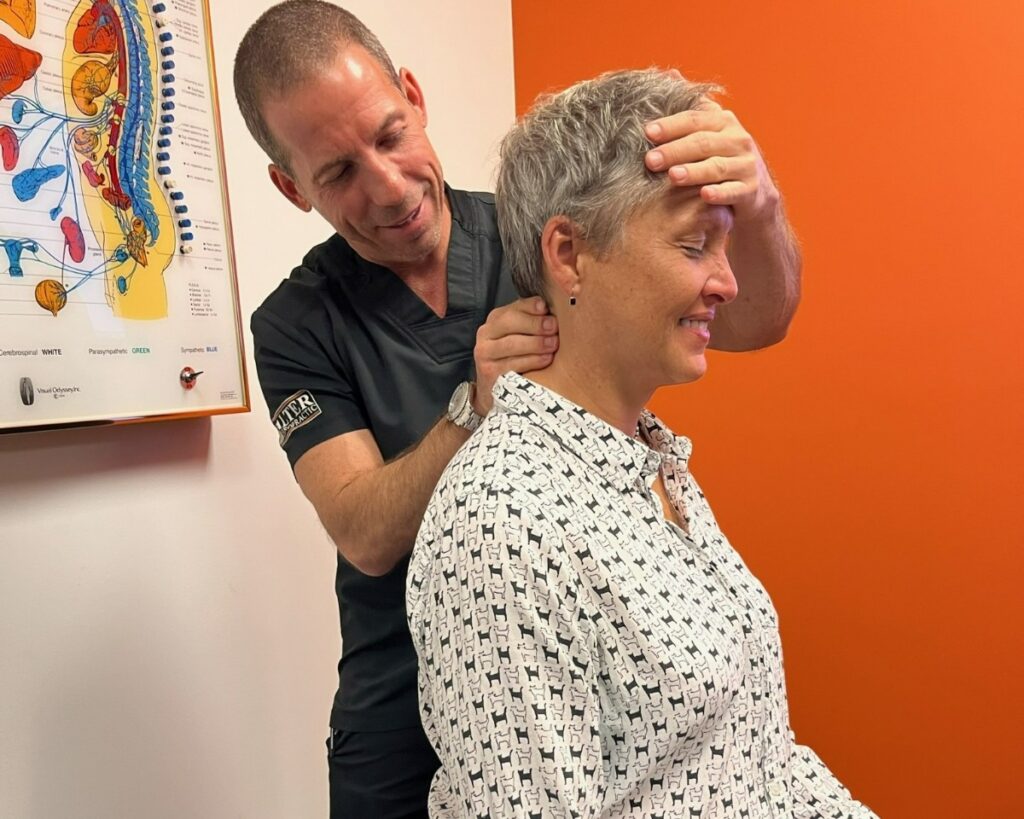
Chiropractic care is all about ensuring your spine is properly aligned and your body functions optimally. Many people aren’t aware that misalignments in the spine can contribute significantly to pain and discomfort. By adjusting these misalignments, I can help restore balance to your body, often leading to immediate relief and enhanced mobility.
My goal isn’t just to treat your symptoms but to uncover and address the underlying causes of your pain.
In addition to chiropractic adjustments, I also encourage exploring acupuncture as a complementary therapy. This technique involves the insertion of thin needles into specific points on your body to stimulate healing and alleviate pain. Many of my patients have reported significant reductions in tension and an enhanced sense of relaxation, which can be especially beneficial for chronic back issues.
Both chiropractic care and acupuncture focus on a holistic approach, treating the body as a whole rather than just addressing isolated symptoms.
The Importance of Ergonomics in Daily Activities
As your local chiropractor, I want to emphasize the importance of ergonomics in your daily activities. By optimizing your workspace and using proper lifting techniques, you can significantly lower your risk of experiencing lower back pain.
It’s crucial to arrange your desk and equipment in a way that supports good posture, which not only makes your daily tasks more manageable but also enhances your overall safety.
Additionally, understanding how to lift objects correctly is vital for preventing unnecessary strain and promoting better back health.
Adopting these practices can lead to a healthier, pain-free lifestyle, and I’m here to guide you on this journey toward natural healing and well-being.
Workplace Setup Optimization
As a local chiropractor, I want to emphasize the importance of creating an ergonomic workplace to help alleviate lower back pain, especially for those of you who spend long hours sitting at a desk.
It’s crucial to start by adjusting your chair so that your feet rest flat on the floor and your knees sit at hip level. This alignment helps maintain proper posture and reduces strain on your back.
Your chair should also provide lumbar support to encourage a natural curve in your spine. This support is essential for preventing discomfort and promoting spinal health.
Additionally, ensure that your computer monitor is at eye level. This adjustment can significantly reduce strain on your neck and shoulders, minimizing the risk of tension and discomfort.
When it comes to your keyboard and mouse, choose options that allow your wrists to remain straight. This small change can make a big difference in preventing repetitive strain injuries.
Lastly, I can’t stress enough the importance of taking regular breaks. Stand up, stretch, and walk around every hour to keep your muscles engaged and improve circulation.
By optimizing your workspace in these ways, you’ll not only enhance your comfort but also boost your productivity and overall well-being.
Proper Lifting Techniques
As a local chiropractor, I want to share some important insights about proper lifting techniques that can significantly impact your overall health, particularly when it comes to preventing lower back pain.
Many people may not realize how crucial these techniques are for maintaining a healthy spine.
When lifting an object, it’s essential to bend at your knees rather than your waist. This adjustment helps protect your lower back. I recommend standing with your feet shoulder-width apart to ensure stability before you lift.
Always grasp the object firmly with both hands to maintain control. As you lift, engage your core muscles; this will provide additional support for your spine and help distribute the weight more evenly.
It’s also important to lift smoothly and avoid twisting your body while carrying the load. Twisting can put unnecessary strain on your back, which can lead to pain and discomfort.
If you find that the item is too heavy for you to lift safely, please don’t hesitate to ask for assistance or utilize tools like a dolly to make the process easier.
Finally, when it’s time to lower the object, remember to do so using the same technique you employed while lifting it. This consistency in movement is vital for minimizing strain on your back.
By incorporating these proper lifting techniques into your daily routine, you can significantly reduce the risk of back pain and work towards a healthier, pain-free lifestyle.
As a chiropractor, I encourage you to be mindful of these practices and consider how they can benefit your overall well-being.
Conclusion
As a local chiropractor, I want to share with you how you can alleviate your lower back pain without resorting to surgery. Embracing a holistic approach is key. By focusing on core-strengthening exercises and incorporating flexibility routines into your daily life, you can significantly improve your condition.
Lifestyle adjustments also play a crucial role in your recovery journey. I encourage you to explore the power of mind-body techniques, such as meditation and yoga, which can complement your physical efforts. Additionally, chiropractic care can offer remarkable benefits in managing your pain and promoting healing.
With these natural strategies, you won’t just find relief from your pain; you’ll also enhance your overall well-being. I invite you to take charge of your health today, and together we can work towards a pain-free tomorrow!