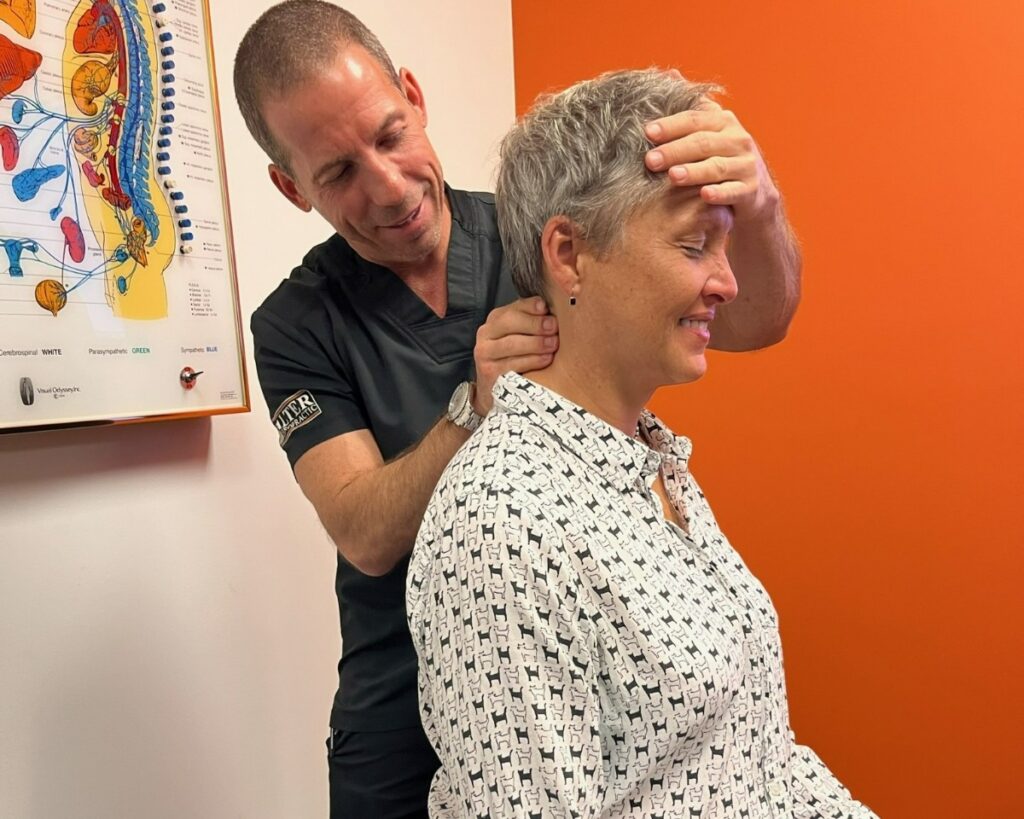

You might not realize just how powerful your body's natural defenses are, but with the right approach, you can amplify their effectiveness. By focusing on nutrition, hydration, and regular activity, you can create an environment that fosters resilience. Additionally, managing stress and ensuring adequate sleep play essential roles in this process. Curious about how these elements intertwine and what specific changes can make a difference? There's more to explore that could transform your health and well-being.
Understanding Your Immune System
To grasp how your immune system works, you need to immerse yourself in its complex yet fascinating functions. Your immune system acts as your body's defense mechanism, constantly working to identify and eliminate pathogens like bacteria, viruses, and fungi. It's not just a single entity but a network of organs, cells, and proteins that collaborate seamlessly to protect you.
When a harmful invader enters your body, your immune system springs into action. First, your body's innate immune response kicks in, acting as the first line of defense. This includes physical barriers like your skin and mucous membranes, as well as cells that attack any foreign invaders.
If these intruders manage to bypass this initial barrier, your adaptive immune response takes over. This involves specialized white blood cells, known as lymphocytes, that recognize specific pathogens and create a targeted response.
You might find it interesting that your immune system has a memory. After encountering a pathogen, it remembers it for future encounters, allowing for a quicker and more efficient response if the same invader strikes again. This ability is the basis for vaccinations, which help train your immune system to recognize and fight off specific diseases.
Understanding your immune system empowers you to make informed choices about your health. By appreciating how it operates, you can take steps to support its function, ensuring your body remains resilient against potential threats.
Nutrition for Immune Support
Nutrition plays a significant role in supporting your immune system, and incorporating a variety of nutrient-dense foods can greatly enhance your body's defenses. A balanced diet rich in vitamins and minerals is key to maintaining ideal immune function. Start by adding plenty of fruits and vegetables to your plate. Foods high in antioxidants, like berries, citrus fruits, and leafy greens, help combat oxidative stress and support immune health.
Don't forget about healthy fats. Omega-3 fatty acids, found in fatty fish like salmon, walnuts, and chia seeds, can reduce inflammation and promote better immunity. Lean proteins, such as chicken, turkey, beans, and legumes, are important for the production of immune cells.
Make sure you're getting enough zinc, too; it's found in foods like nuts, whole grains, and dairy products and plays a critical role in immune response. Vitamin C is another powerhouse for immune support. Incorporating foods like oranges, strawberries, and bell peppers into your diet can boost your body's defenses.
Additionally, consider adding probiotics to your meals, as these beneficial bacteria found in yogurt and fermented foods can enhance gut health, which is closely linked to your immune system.
Lastly, it's important to limit processed foods high in sugar and unhealthy fats. These can weaken your immune response and leave you more susceptible to illness. By focusing on a nutrient-dense diet, you're taking proactive steps to support your immune system and activate your body's natural defenses.
The Importance of Hydration
Staying hydrated is essential for your immune function, as water helps transport nutrients and flush out toxins.
If you're not drinking enough, you might notice signs of dehydration, like fatigue or dry skin.
Let's explore how proper hydration can boost your body's defenses and keep you feeling your best.
Hydration and Immune Function
Proper hydration is vital for maintaining a robust immune system. When you're adequately hydrated, your body effectively transports nutrients and flushes out toxins, supporting your overall health. Water plays a significant role in the production of lymph, the fluid that circulates white blood cells and other immune cells throughout your body. Without enough hydration, this process can slow down, weakening your immune response.
Moreover, staying hydrated helps maintain the mucosal membranes in your respiratory and gastrointestinal tracts, which serve as barriers against pathogens. These membranes need moisture to function efficiently, and dehydration can compromise their integrity, making you more susceptible to infections.
You mightn't realize it, but even mild dehydration can impact how well your body fights off illness. It's important to drink enough fluids throughout the day to keep your immune system functioning at its best.
Aim for clear or light-colored urine as a general guide to your hydration status. By prioritizing hydration, you're not just quenching your thirst; you're also empowering your immune system to defend against infections and illnesses more effectively.
Signs of Dehydration
Dehydration can sneak up on you, and recognizing its signs is essential for maintaining your health. When your body lacks sufficient water, it can lead to a variety of issues that affect your daily life.
Here are some key signs to watch for:
- Thirst: Feeling thirsty is your body's first alert that you need more water.
- Dry mouth: A dry or sticky sensation in your mouth can indicate dehydration.
- Fatigue: Low energy levels and general tiredness can stem from inadequate hydration.
- Dark urine: If your urine is darker than pale yellow, it's a sign you might need to drink more fluids.
- Dizziness: Feeling lightheaded or dizzy can be a serious indication that your body is dehydrated.
Being aware of these signs helps you take action before dehydration becomes a bigger problem.
Make sure you're drinking enough water throughout the day, especially during hot weather or when you're active.
Prioritize hydration to keep your body functioning effectively and support your overall health.
Don't wait until you're parched; stay ahead of dehydration!
Physical Activity and Immunity
Engaging in regular physical activity can greatly boost your immune system, making it one of the most effective ways to enhance your body's natural defenses. When you exercise, your body increases circulation, which helps immune cells travel more efficiently throughout your system. This means that your body can detect and respond to infections quicker.
You don't have to run marathons or hit the gym for hours; even moderate exercise like brisk walking, swimming, or cycling can make a significant difference. Aim for at least 150 minutes of moderate aerobic activity each week. Not only does this strengthen your immune response, but it also helps reduce inflammation in your body, which is key to maintaining a healthy immune system.
Moreover, physical activity stimulates the production of antibodies and T-cells—crucial components of your immune defense. When you exercise, you also reduce stress hormones, which can suppress immune function if they remain elevated for extended periods. This means that staying active not only boosts your defenses but also helps keep your stress levels in check.
Incorporating strength training into your routine is equally beneficial. Lifting weights or doing bodyweight exercises can enhance your muscle mass, which plays a role in overall health and immunity.
Stress Management Techniques
Stress management is essential for maintaining a strong immune system and overall well-being. When life's pressures mount, your body releases stress hormones like cortisol, which can weaken your immune defenses.
To combat this, you can adopt effective stress management techniques that'll help you regain control and promote better health.
Here are five techniques to contemplate:
- Mindfulness Meditation: Spend a few minutes daily focusing on your breath and letting go of racing thoughts.
- Physical Activity: Engage in regular exercise, whether it's a brisk walk, yoga, or dancing. It can elevate your mood and reduce stress.
- Deep Breathing: Practice deep, slow breaths to calm your nervous system and lower your heart rate.
- Time Management: Prioritize tasks and break them down into manageable steps to avoid feeling overwhelmed.
- Connect with Others: Reach out to friends or family for support, or join a community group for shared experiences.
Sleep's Role in Defense
While you might often overlook it, sleep plays an essential role in bolstering your body's natural defenses. When you sleep, your body enters a state of repair and rejuvenation, allowing it to restore vital functions. This process is fundamental for maintaining a strong immune system, as your body produces cytokines—proteins that help combat infections and inflammation—during deep sleep.
Lack of sleep can greatly weaken your defenses. When you're short on rest, your body produces fewer cytokines, making it harder to fend off illnesses. You may find yourself more susceptible to colds, flu, and even chronic diseases. Quality sleep also supports the production of antibodies and T-cells, which are key players in your immune response.
Additionally, sleep helps regulate hormones like cortisol, which can impact your immune function. Elevated cortisol levels from poor sleep can lead to increased stress, further compromising your defenses.
By prioritizing restful nights, you not only boost your immune response but also improve your overall mood, cognitive function, and energy levels. Aim for 7-9 hours of quality sleep each night to maximize these benefits.
Create a calming nighttime routine, limit screen time before bed, and guarantee your sleep environment is comfortable. By making sleep a priority, you're taking a powerful step in releasing your body's natural defenses and enhancing your overall health.
Natural Supplements to Consider
When it comes to boosting your body's defenses, essential vitamins and minerals play a vital role.
You might also want to explore herbal remedies and adaptogens, which can support your immune system in unique ways.
Let's take a closer look at some natural supplements that can help you feel your best.
Essential Vitamins and Minerals
To boost your body's natural defenses, incorporating essential vitamins and minerals into your daily routine can make a significant difference.
These nutrients play important roles in supporting your immune system and overall health. Here are some key vitamins and minerals you should consider:
- Vitamin C: Known for its immune-boosting properties, it helps in the production of white blood cells.
- Vitamin D: Necessary for immune function, it can enhance your body's ability to fight off infections.
- Zinc: This mineral is crucial for immune cell function and can shorten the duration of illnesses.
- Selenium: With antioxidant properties, selenium protects your cells from damage and supports immune health.
- Magnesium: This mineral helps regulate various biochemical reactions, including those related to the immune response.
Incorporating these vitamins and minerals can help strengthen your body's defenses. You can find them in a balanced diet rich in fruits, vegetables, nuts, and whole grains.
If you think you mightn't be getting enough, consider discussing supplements with a healthcare professional.
Herbal Remedies and Adaptogens
In addition to vitamins and minerals, herbal remedies and adaptogens can play an essential role in enhancing your immune system and overall well-being. These natural supplements have been used for centuries to support health, reduce stress, and promote resilience.
You might consider incorporating adaptogens like ashwagandha, rhodiola, or holy basil into your routine. Ashwagandha is known for its ability to lower cortisol levels, helping you manage stress. Rhodiola can boost energy and endurance, making it a great choice for those feeling fatigued. Holy basil not only aids in stress relief but also supports immune function.
Herbal remedies such as echinacea and elderberry are also worth exploring. Echinacea has been shown to reduce the duration of colds, while elderberry is rich in antioxidants and may help fend off respiratory infections.
When integrating these supplements, always consult a healthcare professional, especially if you're on medication or have underlying health conditions.
With the right herbal allies, you can enhance your body's natural defenses and enjoy a more vibrant, resilient life.
Lifestyle Changes for Resilience
While many factors influence your body's resilience, making intentional lifestyle changes can greatly enhance your natural defenses. By adopting healthier habits, you can empower your body to better withstand stressors and recover more quickly from challenges.
Here are some key changes you can implement:
- Prioritize Sleep: Aim for 7-9 hours of quality sleep each night to allow your body to repair and recharge.
- Stay Active: Regular physical activity boosts circulation and strengthens your immune system. Aim for at least 150 minutes of moderate exercise weekly.
- Eat a Balanced Diet: Incorporate a variety of fruits, vegetables, whole grains, and lean proteins to provide essential nutrients that support your body's functions.
- Manage Stress: Practice mindfulness, meditation, or yoga to reduce stress levels and improve mental clarity. Lower stress can lead to a more resilient immune system.
- Stay Hydrated: Drinking plenty of water is vital for maintaining bodily functions and supporting overall health. Aim for at least eight 8-ounce glasses a day.
Implementing these lifestyle changes doesn't have to be overwhelming. Start small—perhaps by setting a bedtime routine or taking short walks throughout your day.
Gradually, these adjustments will become part of your daily life, enhancing your resilience against illness and stress. By taking control of your lifestyle, you not only improve your body's defenses but also cultivate a healthier and more vibrant you.
Conclusion
By embracing these holistic approaches, you can greatly strengthen your body's natural defenses. Prioritize a balanced diet, stay hydrated, and keep active to enhance your immune function. Don't forget the importance of stress management and quality sleep in your overall health. Consider adding natural supplements if needed, and make small lifestyle changes for lasting resilience. By taking these steps, you'll empower yourself to face potential threats and maintain peak health every day.