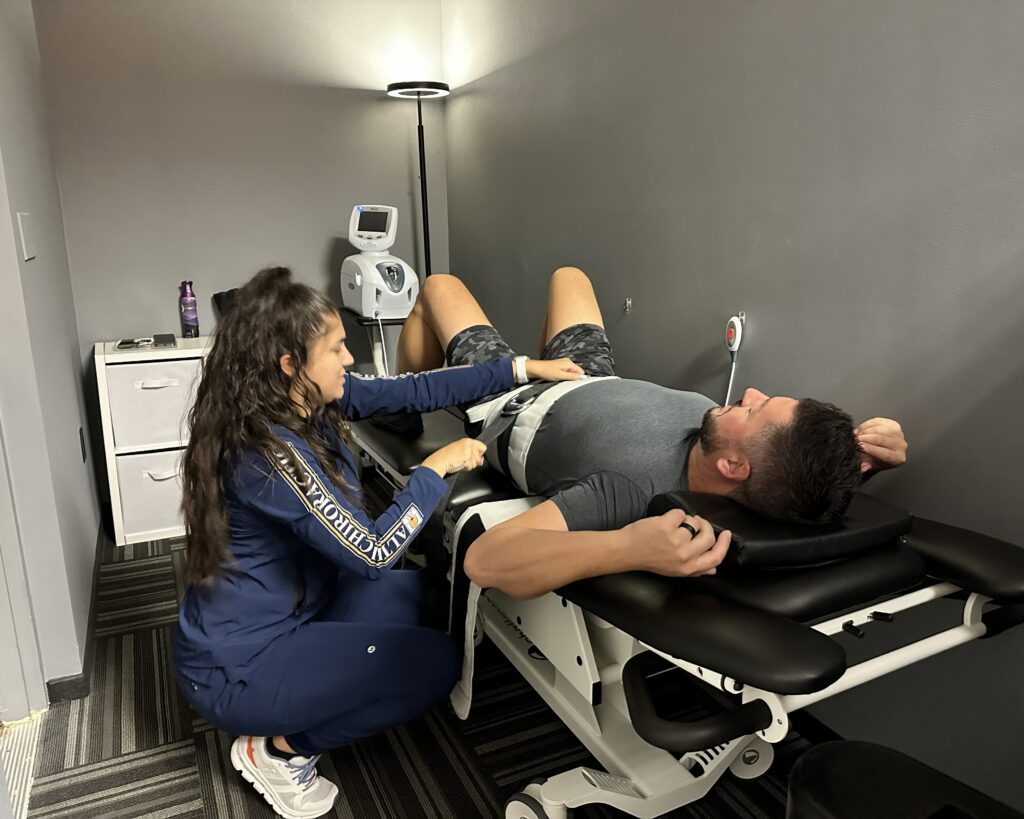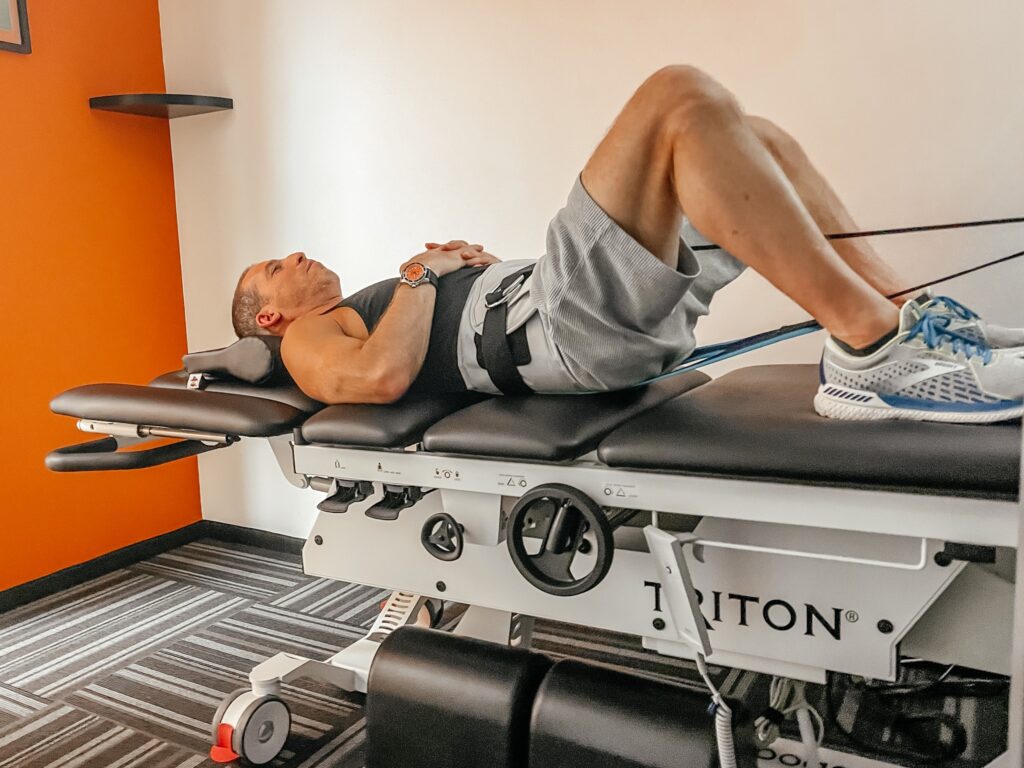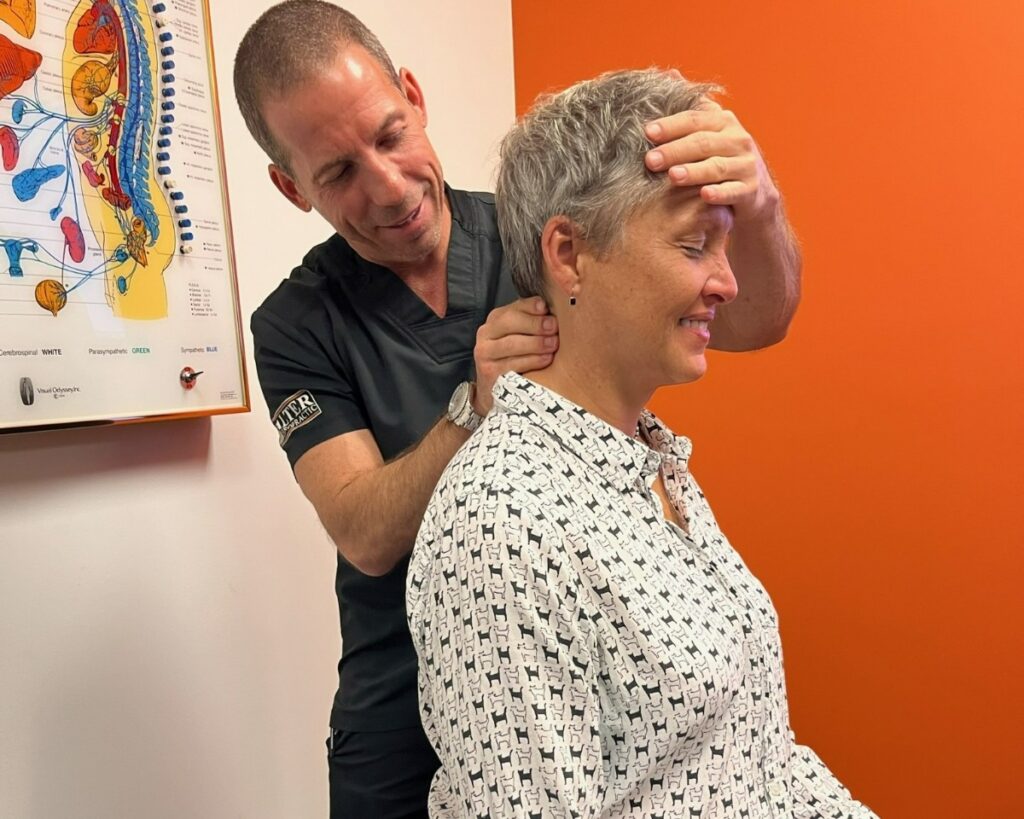

As a local chiropractor, I often see athletes grappling with sports injuries, and I want to emphasize the importance of understanding recovery techniques. While you might be familiar with the R.I.C.E. method—Rest, Ice, Compression, and Elevation—this is just the starting point. Incorporating mobility exercises into your routine is crucial for restoring function, and it's essential to pay attention to your nutrition as well; it plays a significant role in healing.
Have you ever thought about how your mental resilience can influence your recovery? This aspect is sometimes overlooked, but fostering a positive mindset can greatly enhance your healing journey. By exploring these various elements, you may discover new pathways to a quicker and more effective recovery. However, there may be additional strategies and natural healing methods that you haven't yet considered, which could further support your rehabilitation. Let's dive deeper into how chiropractic care can help you unlock your full recovery potential.
Understanding Sports Injuries
As a local chiropractor, I often see patients who are unfamiliar with the intricacies of sports injuries and the natural healing methods we can employ to address them. Sports injuries can catch anyone off guard, frequently arising from a mix of overexertion, incorrect techniques, or unexpected accidents.
It's essential to understand these injuries, whether you're an occasional participant in recreational activities or a dedicated athlete. Many people dismiss injuries as merely minor inconveniences, but it's crucial to recognize that they can have long-term consequences if not treated properly.
Let's start by discussing some common types of sports injuries you might encounter. Sprains, strains, fractures, and tendonitis are among the most prevalent. A sprain occurs when the ligaments—those connecting bones to other bones—stretch or tear, while a strain affects the muscles or tendons, which attach muscles to bones.
Fractures can range from tiny hairline cracks to complete breaks, and tendonitis typically results from repetitive strain on the tendons. By being familiar with these types of injuries, you can better recognize symptoms early on and seek the appropriate care.
It's also important to consider various factors that may increase your risk of injury, such as your age, fitness level, and the specific sport you're participating in. A sudden increase in physical activity, skipping warm-up routines, or competing on uneven terrain can all elevate your chances of getting hurt.
As a chiropractor, I emphasize the importance of listening to your body. Pain isn't just an inevitable part of playing sports; it's your body's way of signaling that something is amiss. Ignoring these warning signs can lead to more severe injuries that might keep you off the field for weeks or even months.
Chiropractic care offers a natural and holistic approach to healing sports injuries. By realigning your spine and joints, we can promote better function and alleviate pain, helping you recover faster and get back to doing what you love.
If you ever find yourself dealing with discomfort or pain from sports activities, don't hesitate to reach out. Together, we can work towards a healthier, more active lifestyle.
Key Recovery Techniques
As a local chiropractor, I want to share some essential techniques for recovering from sports injuries that can help you restore function and minimize pain naturally. One of the first approaches we recommend is the R.I.C.E. method—Rest, Ice, Compression, and Elevation. This foundational technique is crucial during the initial healing phase. Resting allows your body to heal, while applying ice can help reduce swelling and numb pain. Compression supports the injured area, and elevating the injury can further decrease swelling by encouraging blood flow away from it.
Once you've passed the acute phase, it's time to transition to active rehabilitation techniques. This is where chiropractic care can play a significant role. We often work closely with physical therapists to develop a tailored rehabilitation program that includes stretching and strengthening exercises to meet your specific needs. Engaging in this step is vital, as it helps to prevent re-injury and promote overall wellness.
As you recover, we also encourage the incorporation of mobility exercises to restore your range of motion. Start slowly, tuning into your body's signals, and only progress as you feel comfortable. If you're looking for a gentle way to build strength and flexibility, pool therapy is an excellent option, as it provides resistance without putting too much strain on your joints.
In addition to these methods, there are various modalities we can use in our practice, such as ultrasound therapy and electrical stimulation. These can help alleviate pain and promote healing by enhancing circulation and reducing inflammation. These techniques are commonly utilized in chiropractic care and can significantly boost your recovery process.
Lastly, it's vital to emphasize a gradual return to activity. Resuming sports too quickly can undermine your recovery efforts, potentially leading to further injuries. By adhering to these key recovery techniques and considering chiropractic care as part of your healing journey, you'll be setting yourself up for a successful return to your sport, equipped to perform at your best.
Role of Nutrition
As a chiropractor, I want to emphasize the critical role that proper nutrition plays in your recovery from sports injuries. Many people may not realize how significantly it impacts the healing process, but the nutrients you consume can greatly influence how quickly and effectively you recover.
When you experience an injury, your body needs additional nutrients to repair tissues, alleviate inflammation, and support overall healing. Prioritizing a balanced diet filled with vitamins, minerals, and macronutrients is vital.
Let's start with protein, which is essential for muscle repair and tissue regeneration. Incorporating sources of lean protein such as chicken, fish, eggs, dairy products, legumes, and nuts into your meals can provide your body with the necessary amino acids it needs.
It's beneficial to maintain a steady intake of protein throughout the day to support continuous healing.
Next, we can't forget about carbohydrates. They serve as your body's primary energy source, which is especially important when you're in recovery mode. Focus on complex carbohydrates found in whole grains, fruits, and vegetables.
These foods not only fuel your energy but also deliver vital vitamins and antioxidants that can help combat inflammation.
Healthy fats also play a significant role in the healing process. Foods that are rich in omega-3 fatty acids, like salmon, walnuts, and flaxseeds, can help reduce inflammation and enhance your recovery.
Additionally, staying well-hydrated is crucial; proper hydration supports nutrient transport and metabolic functions that are essential for healing.
Lastly, be mindful of specific micronutrients that can aid in your recovery. Vitamins C and D, along with zinc, are well-known for their roles in supporting healing and boosting immune function.
If you have questions about your dietary intake or how to optimize it for recovery, I encourage you to consult with a nutritionist.
By nourishing your body with the right nutrients, you'll create an optimal environment for a quicker and more effective recovery from your sports injuries.
Importance of Mental Resilience
Healing from an injury involves much more than just addressing the physical aspects; it requires a strong mental resilience that can significantly impact how quickly you recover. As a chiropractor, I often see how your mindset can either facilitate your healing journey or create obstacles along the way.
When you experience an injury, maintaining a positive outlook and focusing on your recovery goals is crucial. This mental strength can help you navigate the emotional fluctuations that frequently come with sports injuries.
One effective technique I encourage my patients to adopt is visualization. Take a moment each day to picture yourself fully healed and back to your normal activities. This practice not only boosts your motivation but also reinforces your commitment to the healing process.
Additionally, it's beneficial to set small, attainable milestones throughout your recovery. Celebrate these achievements, no matter how minor they may appear, as they can provide the encouragement needed to keep moving forward.
Building a strong support network is also vital. Surround yourself with friends, family, and teammates who uplift and understand the challenges of recovery. Their encouragement can significantly bolster your mental toughness.
Don't shy away from sharing your feelings and experiences; doing so can alleviate some of the emotional burdens you may be carrying.
Lastly, I recommend incorporating mindfulness or meditation into your routine. These practices can help ground you during challenging times, reducing anxiety and fostering a more positive outlook.
Remember, true resilience isn't about suppressing pain or frustration; it's about acknowledging those feelings and choosing to rise above them. By cultivating mental resilience, you empower yourself to face your recovery journey with confidence and emerge even stronger on the other side.
As your chiropractor, I'm here to support you every step of the way.
When to Seek Professional Help
As a local chiropractor, I want to emphasize the importance of knowing when to seek professional help for sports injuries. It can be tempting to push through the discomfort, but ignoring persistent symptoms can lead to more significant long-term problems. If you're facing severe pain that doesn't improve with rest, it's crucial to consult a professional like myself.
Keep an eye out for signs such as swelling, bruising, or unusual stiffness in the injured area. If these symptoms continue or worsen after a few days, it's time to get evaluated. Changes in your range of motion or difficulty bearing weight are also signals that you should reach out for assistance.
A significant impact or fall can be another red flag. Injuries such as fractures or concussions may not always be immediately obvious. If you're feeling uncertain about your condition, it's always better to err on the side of caution and seek an assessment.
Professional help is also vital if your injury is impacting your daily life or mental well-being. As a chiropractor, I can offer specialized recovery plans that not only focus on the physical healing process but also address the mental challenges of being sidelined from your activities.
Lastly, if you're questioning the severity of your injury, trust your instincts. Seeking help early can prevent more extensive treatments down the line. Don't wait until it's too late—take control of your healing journey by reaching out for the expert guidance you deserve.
Conclusion
As a local chiropractor, I want to share how the right techniques and support can significantly enhance your recovery from sports injuries. It's essential to understand the R.I.C.E. method—Rest, Ice, Compression, and Elevation—as a foundational approach to managing injuries. Alongside this, focusing on proper nutrition can provide your body with the necessary nutrients for healing, while building mental resilience can help you stay positive throughout the recovery process.
Never underestimate the importance of seeking professional help. Chiropractic care can play a crucial role in your recovery by addressing misalignments and promoting natural healing. By working with a chiropractor, you can accelerate your healing process and restore your body's optimal function. Stay proactive in your recovery, keep your motivation high, and remember that every step forward brings you closer to getting back in the game. Together, we can navigate your path to recovery and ensure a safe return to your favorite activities.