
When it comes to back pain relief, you might find that a one-size-fits-all approach simply doesn't cut it. Understanding your unique pain experience is essential in revealing tailored solutions that truly work for you. By exploring personalized treatment options and considering both professional therapies and home remedies, you can create an all-encompassing plan that addresses your specific needs. But what do you need to know about your pain's underlying causes, and how can simple lifestyle changes make a significant difference? Let's explore the possibilities.
Understanding Back Pain Causes
Many people experience back pain at some point in their lives, often without understanding why it happens. You might be surprised to learn that back pain can stem from various causes, some of which are more common than others.
Poor posture is one major contributor. If you spend long hours hunched over a computer or slouched on the couch, your back muscles can become strained, leading to discomfort.
Another common cause is muscle or ligament strain. Lifting heavy objects incorrectly or making sudden awkward movements can result in sprains or strains in your back. You mightn't even realize it's happening until the pain sets in.
Additionally, age plays a significant role; as you get older, your spine undergoes natural wear and tear, which can cause issues like degenerative disc disease or arthritis.
In some cases, underlying medical conditions can also be at fault. Conditions such as herniated discs or spinal stenosis can cause significant back pain and require special attention.
Lifestyle factors, like being overweight or leading a sedentary life, can exacerbate back issues. Stress can also contribute, as it often leads to muscle tension, particularly in your back.
Understanding these causes can help you identify potential triggers in your life. Once you recognize what's contributing to your back pain, you can take proactive steps to address the issue and seek appropriate relief.
Importance of Personalized Treatment
Personalized treatment is vital for effective back pain relief, as each individual's experience with pain can differ markedly. What works for one person mightn't work for another, and that's why tailoring your treatment plan to your specific needs is essential. By understanding the unique factors contributing to your back pain—such as your lifestyle, medical history, and overall health—you can achieve better results.
When you pursue a personalized treatment approach, you're more likely to identify the root cause of your discomfort. This allows you to target the problem directly instead of just addressing symptoms. For instance, if your pain stems from poor posture, a customized plan might include exercises focused on strengthening your core and improving your posture.
On the other hand, if you've suffered an injury, a different strategy may be necessary, such as physical therapy or specific stretches.
Moreover, personalized treatment can help you avoid unnecessary side effects from generalized solutions. Many over-the-counter medications or standard therapies may not align with your body's specific needs, potentially leading to adverse reactions. By working closely with a healthcare professional, you can guarantee that your treatment plan considers your individual circumstances.
Ultimately, personalized treatment enhances your chances of finding effective relief from back pain. You're more likely to commit to a plan that feels relevant to you, paving the way for a more sustainable and lasting recovery.
Embrace the importance of a tailored approach, and take the first steps toward a pain-free life.
Effective Home Remedies
When you're dealing with back pain, trying effective home remedies can provide immediate relief and support your recovery. One of the simplest strategies is applying ice or heat to the affected area. Ice packs can help reduce inflammation and numb sharp pain, while a heating pad can relax tight muscles and improve blood flow. Just remember to alternate between the two for ideal results.
Another useful remedy is gentle stretching. Engaging in specific stretches can alleviate tension and improve your flexibility. Focus on stretches that target your back, hips, and legs, but be careful not to overdo it. Listen to your body and stop if something doesn't feel right.
Over-the-counter pain relievers, like ibuprofen or acetaminophen, can also be beneficial. These medications can help manage pain and reduce inflammation, making it easier for you to engage in daily activities.
Additionally, consider your posture. Poor posture often contributes to back pain, so being mindful of how you sit and stand can make a significant difference. Use ergonomic chairs and support your lower back when sitting for extended periods.
Finally, don't underestimate the power of rest. Giving your body time to heal is essential. You might find it helpful to incorporate relaxation techniques, such as deep breathing or meditation, to manage stress and tension.
Professional Therapies to Consider
Professional therapies can offer targeted relief for back pain, complementing home remedies effectively. When traditional methods aren't enough, turning to professionals can be a game-changer. Here are some therapies you might consider.
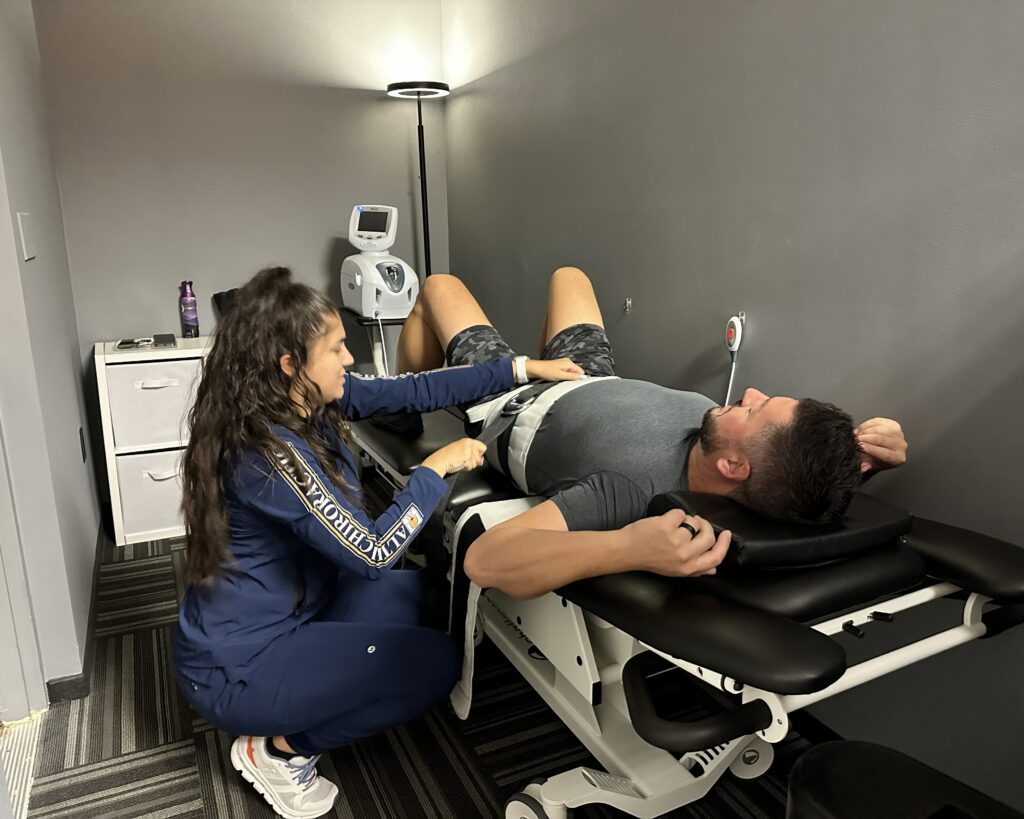
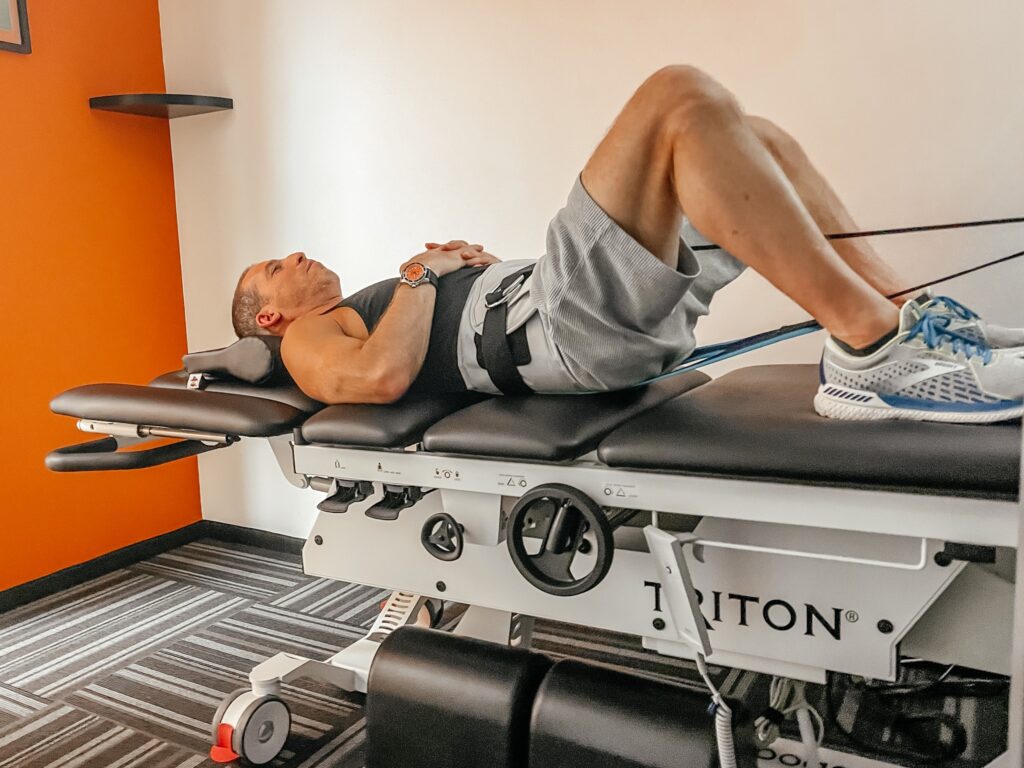
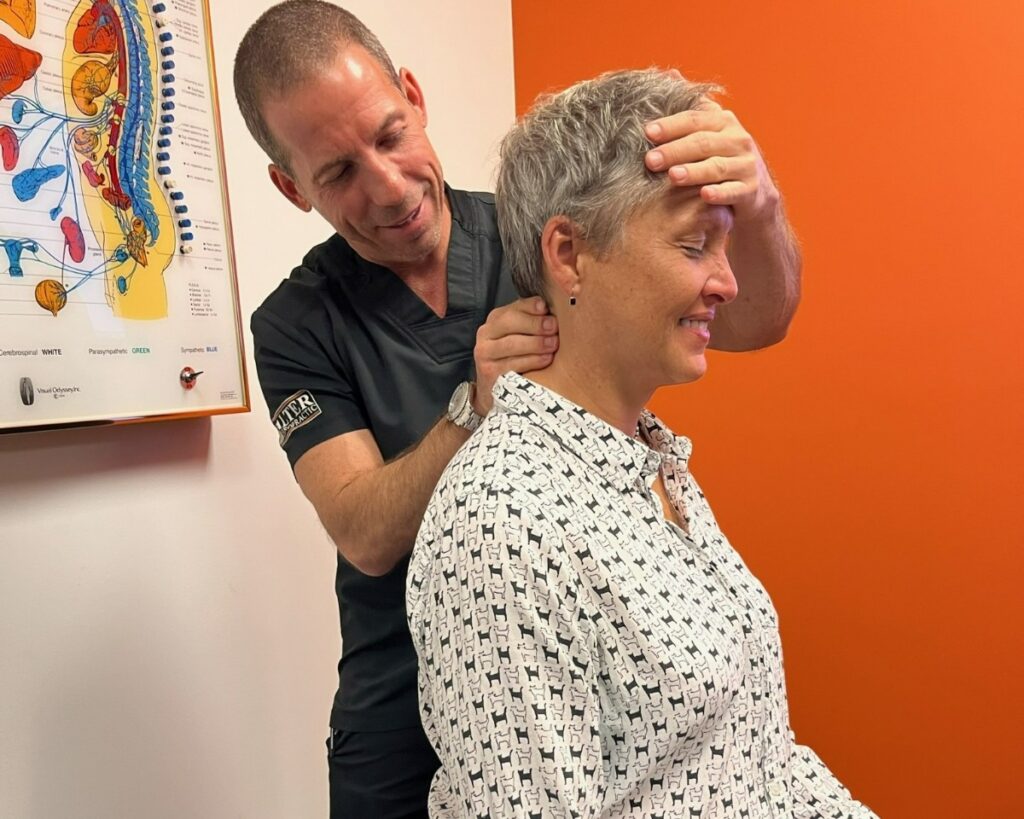
Chiropractic care focuses on spinal alignment. A chiropractor utilizes hands-on techniques to adjust your spine and relieve pressure on nerves. This can greatly reduce pain and improve mobility. If you're struggling with alignment issues, a chiropractic session could be just what you need.
Physical therapy is another option. A licensed physical therapist can create a personalized exercise plan to strengthen your back and core muscles. This not only alleviates pain but also helps prevent future injuries. They may incorporate stretching, strengthening, and manual therapy techniques into your sessions.
Massage therapy is also worth exploring. A skilled massage therapist can ease muscle tension and promote relaxation. Techniques like deep tissue or trigger point massage can help release knots that contribute to your back pain, providing immediate relief.
Acupuncture, an ancient practice, involves inserting thin needles into specific points on your body. It can help balance energy flow and reduce pain by promoting the release of endorphins. Many people find this method effective for chronic back pain.
Lastly, consider consulting a pain management specialist. They can help you navigate various treatment options, including medication or injections, tailored to your specific needs.
Each of these professional therapies can provide unique benefits, so don't hesitate to explore what's right for you.
Lifestyle Changes for Prevention
Making lifestyle changes can greatly reduce your risk of back pain and support long-term relief. One of the most effective steps you can take is improving your posture. Whether you're sitting at a desk or standing in line, paying attention to your alignment can prevent strain on your back.
Invest in an ergonomic chair if you spend long hours seated, and practice sitting up straight with your shoulders back.
In addition to posture, regular exercise is vital. Engaging in low-impact activities like walking, swimming, or yoga can strengthen your core muscles, which support your spine. Aim for at least 30 minutes of activity most days of the week.
Stretching is equally important; it keeps your muscles flexible and can alleviate tension that contributes to back pain.
Don't underestimate the power of a healthy diet, either. Eating a balanced diet rich in fruits, vegetables, whole grains, and lean proteins can help maintain a healthy weight, reducing stress on your back.
Staying hydrated is essential, as well; it keeps your discs in your spine well-nourished.
Finally, make sleep a priority. A good mattress and pillow can greatly influence your spinal alignment during rest.
Establish a consistent sleep schedule to guarantee you're getting enough restorative sleep.
Conclusion
To sum up, finding the right solution for your back pain starts with understanding its unique causes. By working with healthcare professionals and exploring personalized treatment options, you can discover effective home remedies and therapies that suit your needs. Don't forget to incorporate lifestyle changes like better posture and regular exercise, which can prevent future discomfort. Take charge of your spinal health, and you'll be on your way to a more active, pain-free life.