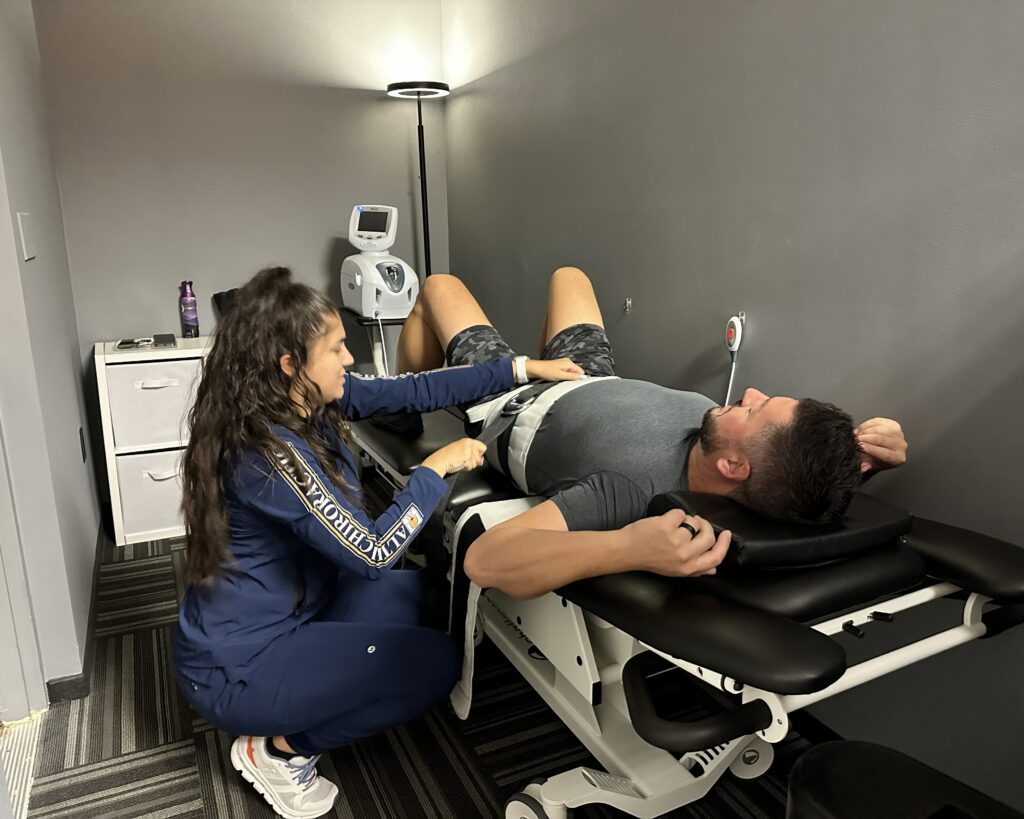
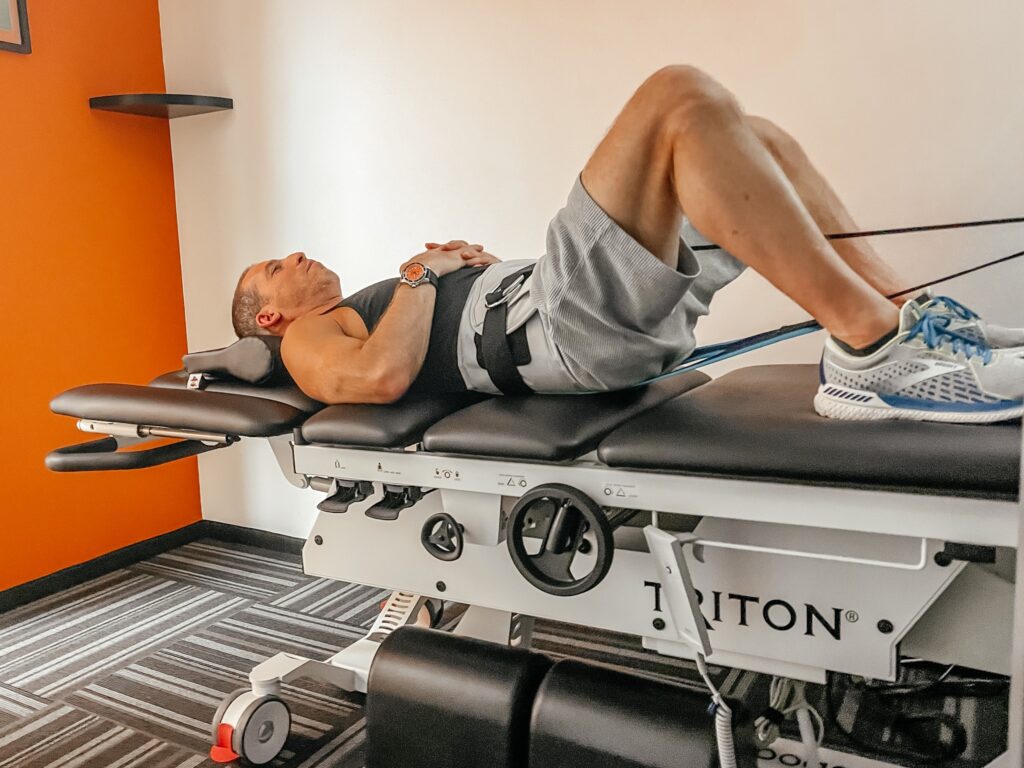
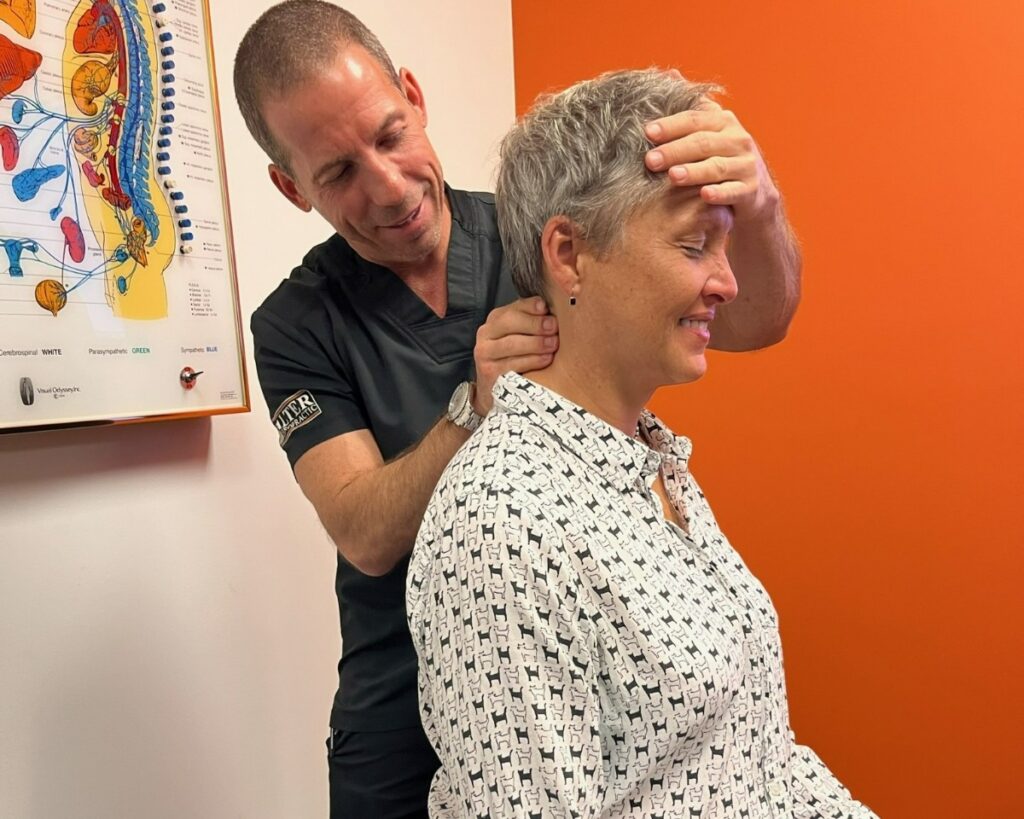
As a local chiropractor, I want to share some valuable insights on managing sports-related back pain that can truly enhance your recovery. If you're experiencing discomfort, it's crucial to understand that a holistic approach can make all the difference.
First and foremost, core strengthening exercises are vital for stabilizing your spine and improving your overall posture. By focusing on these exercises, you can build a strong foundation that supports your back during physical activities. Additionally, never underestimate the power of a proper warm-up. Taking the time to prepare your body before engaging in sports can significantly reduce the risk of injury.
Effective stretching techniques are also essential. They not only increase your flexibility but also help relieve tension in your muscles, which can alleviate pain. I often recommend incorporating tools like foam rollers into your routine. These can help target tight areas and promote better blood flow, aiding in your recovery.
Furthermore, knowing when to apply heat or ice is key. Heat can relax muscles and improve circulation, while ice can reduce inflammation and numb sharp pain. Understanding how to use these methods effectively can provide you with immediate relief.
Lastly, let's address your daily habits and posture. Many people don't realize how much these factors influence long-term back health. Being mindful of how you sit, stand, and move throughout the day can have a significant impact on your spine's well-being.
By combining these strategies, you'll be taking a comprehensive approach to managing your back pain, paving the way for a healthier, more active lifestyle. If you have any questions or would like personalized guidance, don't hesitate to reach out. Your path to recovery is just a conversation away!
Understanding Back Pain Causes
As a local chiropractor, I want to help you understand the causes of back pain, especially if you're active in sports. Recognizing these causes is key to preventing injuries and optimizing your performance.
One of the most common culprits of back pain is muscle strain, often resulting from overexertion or improper lifting techniques. When you push your body without the right preparation, you risk straining those muscles, leading to discomfort that can affect your game.
Another significant factor is poor posture, particularly during activities that involve bending or twisting. If you're not conscious of your body mechanics, you could be placing unnecessary stress on your spine, which may lead to pain that interrupts your ability to compete at your best.
Additionally, sports that involve repetitive movements, such as tennis or golf, can cause overuse injuries. These continuous motions can lead to muscle imbalances, further contributing to back pain.
It's also essential to be aware of underlying conditions like herniated discs or spinal stenosis. These issues can be aggravated by high-impact sports, so it's important to listen to your body's signals.
If you experience ongoing discomfort, I encourage you to reach out to me or another healthcare professional. Together, we can explore natural healing options and chiropractic care to help you manage pain and enhance your overall well-being.
Your health is a priority, and understanding these factors is the first step toward a pain-free life.
Importance of Proper Warm-Up
As a local chiropractor, I want to emphasize the importance of a proper warm-up for everyone, whether you're an athlete or just someone looking to stay active. Warming up isn't just a formality; it's a crucial step in preventing back pain and enhancing your overall performance in any physical activity. Before you dive into your workout or sport, taking time to prepare your body is vital.
When you warm up, you increase blood flow to your muscles, which makes them more flexible and reduces the risk of injury, particularly in your lower back. Skipping this step can lead to strains and sprains, leaving you vulnerable to discomfort and pain that can affect your daily life.
During your warm-up, focus on gentle movements that engage your core and back muscles. Incorporating activities like torso twists, arm circles, or light aerobic exercises such as jogging or jumping jacks can be incredibly beneficial. These exercises not only elevate your heart rate but also activate the muscles that support your spine, ensuring they're ready to handle the demands of your chosen activity.
Moreover, a proper warm-up isn't just about the physical aspect; it also prepares your mind for what's ahead. It enhances your concentration, boosts your confidence, and sets a positive tone for your performance. When your mind and body are in sync, you're less likely to make quick, careless movements that can lead to injury.
It's also essential to remember that different sports and activities place varying demands on your body. I encourage you to tailor your warm-up to the specific movements you'll be engaging in.
Effective Stretching Techniques
As a local chiropractor, I want to share some insights on how effective stretching techniques can help relieve sports-related back pain.
It's important to understand that incorporating dynamic stretching into your warm-up routine can prepare your muscles for activity, while static stretching during cool-downs helps to relax and lengthen them.
These practices not only enhance your flexibility but also play a crucial role in reducing discomfort and promoting a pain-free lifestyle.
By integrating these techniques into your routine, you can stay active and enjoy your favorite sports without the burden of back pain.
Dynamic Stretching Benefits
As a local chiropractor, I want to share with you the importance of incorporating dynamic stretching into your warm-up routine. This practice not only enhances your athletic performance but also plays a significant role in reducing the risk of injury, which is something I often see in my practice.
Unlike static stretching, dynamic stretching involves moving your muscles through their full range of motion. This active approach effectively prepares your body for physical activity. When you engage in dynamic stretching, you increase blood flow to your muscles and elevate your heart rate, which helps warm up your body. A warmed-up body is more pliable and less susceptible to strains and sprains—common issues I treat in my office.
Moreover, dynamic stretches target the specific muscle groups you'll be using in your sport, improving your coordination and balance. By consistently practicing these stretches, you can enhance your flexibility over time, which is crucial for optimal athletic performance.
Simple exercises like leg swings, arm circles, and walking lunges not only improve your mobility but also activate your core muscles, providing stability during physical activity.
Incorporating dynamic stretching before your workouts can set a positive tone for your exercise routine and significantly contribute to preventing sports-related injuries, including back pain. As your chiropractor, I encourage you to make it a habit to include these effective stretches in your warm-up. By doing so, you can experience the benefits firsthand and support your journey towards natural healing and overall well-being.
Static Stretching Techniques
After completing your dynamic stretching routine, it's essential to incorporate static stretching techniques to create a well-rounded warm-up. As a chiropractor, I often emphasize the importance of static stretching, which involves holding a stretch for anywhere between 15 to 60 seconds. This practice not only enhances flexibility but can also significantly alleviate back pain that may arise from physical activities and sports.
To get started, I recommend the hamstring stretch. Sit on the floor with one leg extended and the other leg bent. Gently reach towards the toes of your extended leg and hold that position. This stretch helps elongate the hamstrings, which can relieve tension in your back.
Next, consider the seated spinal twist. Sit with your legs extended in front of you, bend one knee, and place that foot outside the opposite thigh. As you twist your torso towards the bent knee, hold the stretch to help release tension in your lower back. This movement can be incredibly beneficial for spinal mobility.
Another wonderful stretch to include in your routine is the child's pose. Kneel on the ground, sit back on your heels, and stretch your arms forward on the floor. This position gently stretches the lower back and promotes relaxation.
As you perform these stretches, remember to hold each position gently and focus on your breathing. By integrating these static stretches into your routine regularly, you can enhance your flexibility and effectively reduce any back pain related to sports or daily activities.
Consistency is crucial, so I encourage you to make static stretching a regular component of your wellness journey. Your body will thank you!
Strengthening Core Muscles
As a local chiropractor, I want to emphasize the importance of strengthening your core muscles, especially if you're experiencing sports-related back pain. A robust core plays a vital role in stabilizing your spine and pelvis, which is crucial for maintaining proper posture during physical activities. This stability not only alleviates strain on your back but also helps prevent injuries over time.
To effectively build your core strength, it's essential to engage in exercises that target the key muscle groups in this region, including your abdominals, obliques, and lower back. I recommend incorporating exercises such as planks, bridges, and bicycle crunches into your routine. These movements activate multiple muscle groups, which can enhance your overall strength and support your spine.
Consider adding stability ball workouts to your regimen as well. Using a stability ball can challenge your balance and further engage your core muscles. Exercises like ball passes and wall squats are particularly beneficial for improving core stability. Strive for a well-rounded routine that combines both dynamic and static exercises to achieve the best results.
Consistency is crucial when it comes to strengthening your core. I suggest dedicating time several days a week to focus on these exercises. Start with shorter sessions and gradually increase the duration and intensity as your muscles adapt. Always remember to include a proper warm-up and cool-down to minimize the risk of injury.
It's also important to listen to your body during this process. If you experience any pain or discomfort while performing these movements, please stop immediately and seek professional guidance.
Strengthening your core not only helps alleviate back pain but also enhances your overall athletic performance, making you more resilient in your chosen sport. By prioritizing your core strength, you're making a valuable investment in your long-term health and athletic success.
Utilizing Foam Rollers
As a chiropractor, I want to emphasize that improving core strength is just one aspect of alleviating sports-related back pain. A highly effective tool you can incorporate into your routine is the foam roller. This simple device can aid in releasing muscle tension, enhancing flexibility, and boosting blood circulation—all vital components for maintaining a healthy back.
When you use a foam roller, you're engaging in a practice known as self-myofascial release. This technique is designed to alleviate tightness by breaking up knots and adhesions in your muscles, allowing for improved movement and reduced discomfort. Start by targeting areas such as your lower back, glutes, and upper back.
Place the foam roller beneath these areas and gently roll back and forth, paying special attention to any tender spots. If you find a particularly sore area, hold the pressure there for 20-30 seconds to promote relaxation.
It's important to be consistent with foam rolling. I recommend incorporating it into your routine both before and after your workouts. Rolling beforehand can warm up your muscles, while post-workout rolling aids in recovery.
Remember to breathe deeply throughout the process—relaxation is essential for effective foam rolling.
Every individual is different, so you may find certain positions more beneficial than others—don't hesitate to experiment to find what feels best for you. Just keep in mind that foam rolling shouldn't cause sharp pain; if you experience any, ease up on the pressure.
Applying Heat and Ice Therapy
As a local chiropractor, I want to share some valuable insights about managing sports-related back pain through heat and ice therapy.
These two methods can significantly enhance your recovery process and are easy to incorporate into your routine.
Heat therapy is fantastic for relaxing your muscles and improving blood circulation. When you apply heat, it helps to soothe tight muscles and can provide relief from discomfort.
On the other hand, ice therapy is effective for reducing inflammation and numbing sharp pain. It's particularly helpful right after an injury to minimize swelling.
It's essential to understand when to use each method. Generally, heat is best for chronic pain or muscle stiffness, while ice is ideal for acute injuries or when you're experiencing swelling.
By learning to use these therapies appropriately, you can take a proactive approach to your healing journey.
If you have any questions or need guidance, feel free to reach out—I'm here to help you on your path to wellness.
Heat Therapy Benefits
As a local chiropractor, I want to share with you the wonderful benefits of heat therapy for alleviating sports-related back pain. This natural approach can be incredibly soothing, promoting relaxation while also increasing blood flow to areas that may be injured or tense.
When you use heat—whether it's with a heating pad, a warm towel, or even a comforting soak in a hot bath—you encourage your muscles to loosen up. This can significantly reduce stiffness and enhance your overall mobility.
Incorporating heat therapy into your routine is particularly beneficial before engaging in physical activities. It helps to prime your muscles, promoting flexibility and lowering the risk of injury.
After your workout, applying heat can also ease any tension or discomfort in your back, contributing to a faster recovery process.
For optimal results, I recommend applying heat for about 15-20 minutes at a time. Always be cautious with the temperature to prevent burns; the heat should feel warm and comforting, not scalding.
You might find it effective to alternate between different heat sources, such as a microwaveable wrap or a hot water bottle, to keep your treatment both effective and interesting.
Ice Therapy Advantages
As a local chiropractor, I want to share with you the benefits of ice therapy as an effective method for managing sports-related back pain. This therapy serves as a fantastic complement to heat therapy, and understanding its advantages can play a significant role in your recovery.
When you apply ice to your back, it works to reduce inflammation and numb any pain you may be experiencing, providing quick relief—especially after an intense workout or following an injury. This immediate response is crucial for anyone looking to get back to their regular activities without discomfort.
One of the key benefits of ice therapy is its ability to minimize swelling, which is vital for speeding up your recovery process. However, it's important to protect your skin by using a barrier, such as a towel, to prevent frostbite. I recommend applying ice for about 15 to 20 minutes at a time, allowing your skin to return to its normal temperature between sessions.
Beyond the physical relief that ice therapy offers, it can also have a positive impact on your mental state by providing a sense of control over your pain. Incorporating this practice into your routine, particularly after physical activity, can greatly enhance your overall well-being and comfort.
While ice therapy is a powerful tool, I encourage you to think of it as part of a broader treatment plan. Combining it with other therapies, such as heat therapy and stretching, can create a comprehensive approach to managing your back pain.
Always listen to your body and feel free to adjust your methods as needed to achieve the best results.
If you have any questions or would like more personalized advice, don't hesitate to reach out. Together, we can develop a natural healing plan that suits your needs and lifestyle.
Correct Posture and Ergonomics
As a local chiropractor, I want to emphasize the importance of maintaining correct posture and ergonomics for preventing and alleviating sports-related back pain. Many people may not realize how crucial body mechanics are during physical activities, as they significantly affect the amount of stress your spine endures. By aligning your body properly, you can minimize strain and reduce the risk of injury.
Let's start with your posture in everyday situations. When standing, I recommend keeping your feet shoulder-width apart, distributing your weight evenly, and keeping your shoulders back. This simple stance helps maintain the natural curves of your spine, promoting better overall health.
When sitting, it's essential to choose a chair that supports your lower back. Your knees should be at a right angle, and your feet should be flat on the floor. Consider using ergonomic chairs or cushions to enhance your comfort further.
When it comes to exercising, it's vital to ensure that your techniques are correct. Whether you're lifting weights or participating in sports, poor form can lead to back pain. Engaging your core muscles will help support your spine during activities, and be mindful to avoid twisting your back awkwardly. Additionally, always warm up before any physical activity to prepare your muscles and joints, which is a key step in preventing injuries.
Moreover, let's talk about your workspace ergonomics. Adjusting your desk height and positioning your computer screen at eye level can prevent unnecessary strain on your neck and back.
When to Seek Professional Help
As a local chiropractor, I want to emphasize the importance of recognizing when it's time to seek professional help for sports-related back pain.
Understanding your body's signals is crucial for effective recovery and maintaining long-term health. Ignoring persistent pain can lead to further complications, so let's discuss some key symptoms that indicate it's time to consult a healthcare professional like myself:
- Pain lasting longer than a few days: If your back pain lingers despite a few days of rest and self-care, it's a good idea to come in for an assessment. Early intervention can make a significant difference in your recovery.
- Severe pain: If you're experiencing intense pain that disrupts your daily activities, don't hesitate to reach out. Severe pain is your body's way of signaling that something isn't right and requires attention.
- Numbness or tingling: Experiencing numbness, tingling, or weakness in your legs or feet can indicate nerve involvement, which is often best addressed by chiropractic care. It's important to have these symptoms evaluated to prevent further complications.
- Pain after an injury: If your back pain develops after a fall or other injury, it's essential to seek help promptly. Chiropractic evaluations can help identify any underlying issues and ensure you receive the appropriate care.
- Changes in bowel or bladder function: Any changes in these functions can signify a serious condition that requires immediate attention. If you notice anything unusual, please seek professional help right away.
Remember, as a chiropractor, I'm here to provide guidance and support on your journey to recovery and wellness.
Don't hesitate to reach out if you have concerns about your back pain or overall health. Your well-being is my priority!
Maintaining Long-Term Back Health
As a local chiropractor, I want to share some essential tips to help you maintain a healthy back for the long run. It all begins with a commitment to regular exercise, emphasizing both strength and flexibility. Incorporating core workouts into your routine is vital, as a strong core provides support for your spine and helps reduce the risk of injury.
Additionally, make stretching a priority; keeping your back and legs flexible can significantly prevent tightness and discomfort.
Be mindful of your posture in your daily activities, whether you're sitting at a desk or lifting heavy objects. Keeping your back straight and utilizing your legs for lifting can make a big difference. If you're unsure about your form or technique, I encourage you to seek guidance from a qualified trainer or a physical therapist. They can offer personalized tips to help you avoid strains and injuries.
Another important aspect is maintaining a healthy weight. Carrying excess weight can put additional stress on your spine, leading to back pain. A balanced diet rich in nutrients not only supports your overall health but also aids in effective weight management.
Regular check-ups with a healthcare professional, like a chiropractor, can keep your back in optimal condition. We can identify potential issues early on, allowing you to address them before they escalate into serious problems.
Lastly, always listen to your body. If you experience pain or discomfort, don't dismiss it. Allow yourself time to rest and recover, and consider reaching out for chiropractic care to support your healing process.
Conclusion
As a local chiropractor, I want to emphasize the importance of a proactive approach to managing sports-related back pain. It's crucial to incorporate proper warm-up routines, effective stretching, and core strengthening exercises into your daily activities to help alleviate discomfort and promote overall spinal health.
Using foam rollers can be an excellent way to relieve muscle tension, and applying heat or ice can provide immediate relief when needed. I also encourage you to be mindful of your posture and ergonomics throughout your day, as these factors play a significant role in supporting your back health.
If you find that your pain persists despite these self-care strategies, I urge you not to hesitate in seeking professional help. Chiropractic care focuses on natural healing and can provide tailored treatments to address your specific needs. By taking these steps, you can enhance your ability to stay active and enjoy a pain-free lifestyle for the long term. Remember, your back health is vital to your overall well-being, and I'm here to support you on that journey.