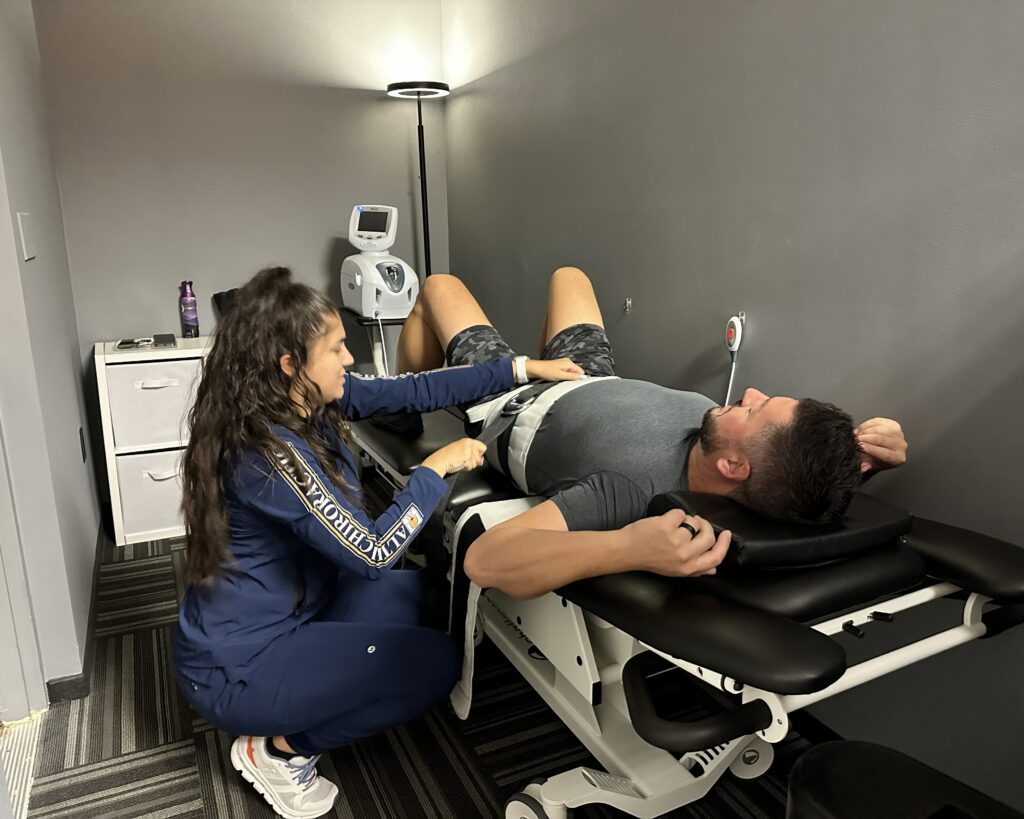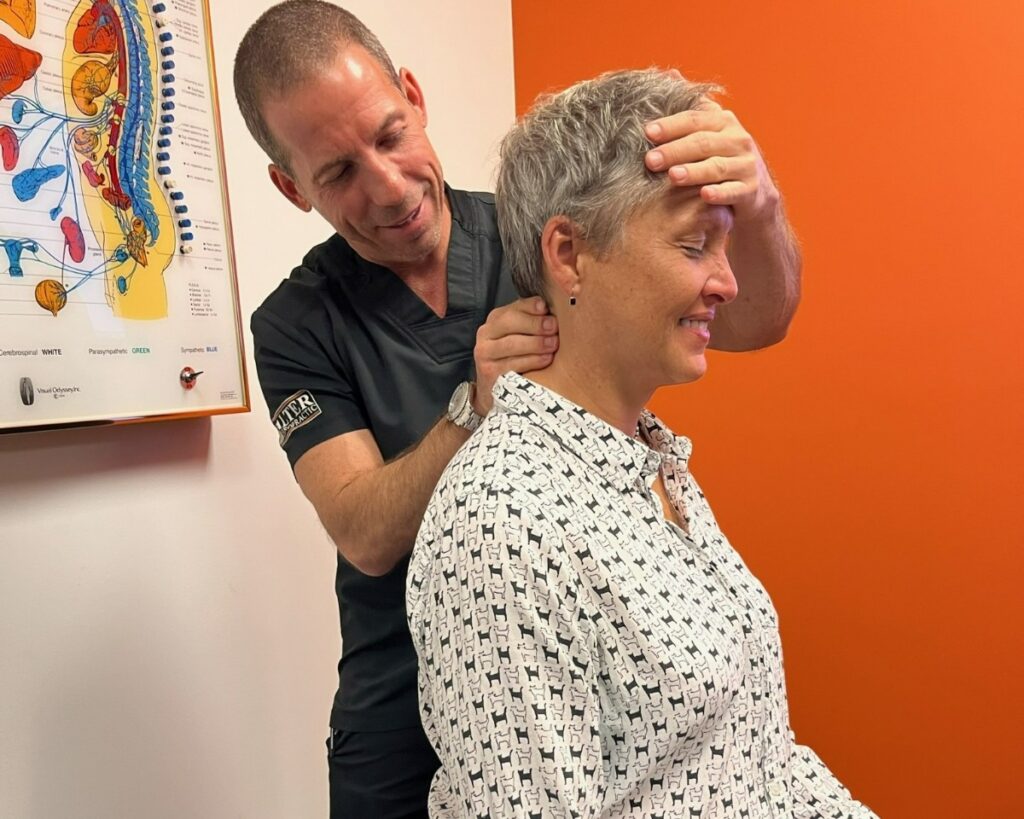

As a local chiropractor, I often encounter patients who are unsure about the benefits of gentle techniques when it comes to neck injuries. You might be asking yourself why these softer approaches are frequently favored over more intensive treatments. The truth is, gentle techniques prioritize natural healing, which can significantly decrease the likelihood of complications and enable your body to recover more efficiently.
Methods such as stretching and massage not only help relieve pain but also improve flexibility and contribute to your overall well-being. These gentle interventions can be incredibly effective in promoting healing without putting additional stress on your neck.
Understanding the specific advantages of these techniques, as well as how to incorporate them into your recovery routine, can truly impact your healing journey. So, let's explore some of the most effective gentle techniques that I recommend to support your recovery and enhance your quality of life.
Understanding Neck Injuries
As a local chiropractor, I want to help you understand neck injuries, which can vary from mild strains to more serious trauma.
It's crucial to recognize that these injuries can arise from many different sources, including accidents, poor posture, or repetitive movements. Each type of injury presents its own set of symptoms, which can be essential in determining how serious the injury is and what steps to take for recovery.
For example, a mild strain might cause temporary stiffness or discomfort, but more severe injuries, such as a herniated disc, can lead to radiating pain or numbness that extends down your arms.
Being aware of these symptoms is vital, as they can guide you in seeking the right care. Ignoring these signs can lead to worsening conditions and extended recovery time.
When you feel neck pain, it's important to evaluate your daily activities. Have you been sitting for extended periods without proper support?
Or have you recently started a new physical activity without warming up appropriately? Understanding the context of your injury can help you make the necessary adjustments to prevent future problems.
Don't forget that stress can also contribute to neck injuries. Tension in your muscles can intensify pain and discomfort.
Incorporating relaxation techniques, such as deep breathing or gentle stretches, can be beneficial in alleviating this stress.
Ultimately, recognizing the cause and nature of your neck injury is empowering.
It allows you to take specific steps toward recovery, addressing not just the symptoms but also the root issues. By doing so, you can enhance your healing process and significantly reduce the risk of recurring injuries.
As your chiropractor, I'm here to guide you through this journey toward natural healing and improved well-being.
The Anatomy of the Neck
As your local chiropractor, I want to take a moment to educate you on the anatomy of the neck and its significance in maintaining your overall health. Understanding the neck's structure is essential when it comes to recognizing and preventing injuries.
The neck is made up of various components, including vertebrae, muscles, and ligaments, each playing a crucial role in its function and mobility. By familiarizing yourself with these basic elements, you can gain a clearer insight into how common neck injuries occur and how they can affect your well-being.
For instance, a misalignment in the vertebrae can lead to discomfort, restricted movement, and even headaches. Through chiropractic care, we can address these issues naturally, helping you restore balance and function to your neck.
Knowledge is power, and by understanding the anatomy of your neck, you empower yourself to make informed decisions about your health and explore the benefits of natural healing.
Let's work together to ensure your neck—and your overall health—stays in optimal condition!
Structural Components Overview
As your local chiropractor, I want to take a moment to explain the intricate structure of your neck and its crucial role in your overall health. The neck isn't just a simple connector between your head and body; it's a complex system that supports your head and allows for a wide range of movements.
At the core of this structure is the cervical spine, which is made up of seven vertebrae, labeled C1 to C7. These vertebrae are essential for providing both stability and flexibility. They protect your spinal cord, while also allowing for the rotation and bending of your head, which is vital for daily activities.
Surrounding the vertebrae are important muscles, such as the sternocleidomastoid and trapezius. These muscles are responsible for helping you move your head and support it in various positions. Ligaments play their part by connecting the vertebrae, adding another layer of stability, while tendons connect the muscles to the bones, enabling movement.
Moreover, your neck is home to crucial nerves that branch out from the spinal cord, allowing your brain to communicate effectively with the rest of your body.
Understanding these structural components is essential, especially when it comes to maintaining your health. An injury to the neck can disrupt this delicate balance, leading to discomfort and mobility issues.
When you become familiar with how your neck functions, it helps you appreciate the importance of gentle, natural techniques we use in chiropractic care to treat injuries and promote healing.
Common Neck Injuries
As a local chiropractor, I want to take a moment to educate you about some common neck injuries and how our approach can help facilitate your recovery. The neck is an intricate structure, and injuries can disrupt its delicate balance, leading to pain and limited mobility. Some of the most frequent neck injuries we see include strains, sprains, and whiplash.
When we talk about a strain, we're referring to an injury to the muscles or tendons. This often happens when there's overexertion or a sudden movement that stretches these tissues too far. If you've experienced a strain, you might feel sharp pain and have difficulty moving your head.
On the other hand, sprains involve ligaments, which are the tough bands that connect bones together. If you've twisted your neck awkwardly, it's possible to experience swelling and tenderness in the area.
Whiplash is another common injury, particularly following car accidents. It occurs due to a rapid back-and-forth motion of the head, and symptoms can include headaches, stiffness, and fatigue.
Additionally, some patients may experience herniated discs in the neck. This happens when the soft cushioning discs between your vertebrae bulge or rupture, potentially pressing on nearby nerves. This can lead to discomfort that radiates down your arms, accompanied by numbness or weakness.
Recognizing these injuries is crucial for seeking the right care. At our chiropractic practice, we focus on gentle techniques that can help facilitate your recovery. By prioritizing natural healing methods, we can support your body in restoring movement and alleviating discomfort without further aggravating the injury.
Our goal is to ensure a smoother healing process and optimize your overall well-being. If you're experiencing any of these symptoms, don't hesitate to reach out for a consultation. Your health is our priority!
Risks of Aggressive Treatments
As a local chiropractor, I want to share some important insights about aggressive treatments for neck injuries. Many people are unaware that these high-intensity therapies or invasive procedures can come with significant risks that often outweigh their potential benefits. When you choose aggressive options, you may inadvertently expose yourself to complications that could hinder your recovery rather than help it.
For example, surgical interventions can lead to infections, nerve damage, or even chronic pain, leaving you in a worse situation than before. It's crucial to consider that the goal of treatment shouldn't just be to address the symptoms, but to promote holistic healing.
Additionally, aggressive physical therapy methods, like high-impact manipulation, can worsen existing injuries. If your neck is already sensitive, applying sudden force can strain delicate structures, resulting in increased discomfort and prolonging the healing process. This can create a frustrating cycle of pain rather than providing a clear path to wellness.
Moreover, aggressive treatments often mean a longer rehabilitation period. After undergoing such intense approaches, you may find yourself needing even more time to heal from side effects or complications that arise. This can be both physically and emotionally draining, as the stress of uncertain outcomes may lead to anxiety about your recovery.
Ultimately, while aggressive treatments might seem like a quick solution, they often overlook the underlying issues that need to be addressed. By understanding these risks, you can make more informed choices about your treatment options.
I encourage you to consider gentler, chiropractic approaches that focus on sustainable healing and overall comfort. Natural healing methods prioritize your safety and long-term health, paving the way for a more holistic recovery journey.
Benefits of Gentle Techniques
As your local chiropractor, I want to emphasize the incredible benefits of gentle techniques in our practice.
These methods are designed to reduce your pain levels, making your recovery journey much more manageable. By supporting your body's natural healing process, we can enhance your overall well-being.
Many of my patients notice improved mobility, which allows them to seamlessly return to their daily activities with greater ease and comfort.
If you're new to chiropractic care, I encourage you to explore how these gentle approaches can be a vital part of your healing journey.
Reduced Pain Levels
As a local chiropractor, I understand that experiencing a neck injury can leave you feeling tense and uncomfortable. However, I want to share some gentle techniques that can significantly reduce your pain levels during your recovery. These methods are designed to minimize stress on your muscles and joints, allowing your body to respond more favorably to treatment.
Incorporating gentle stretches, light massage, and even heat therapy into your routine can make a big difference. Rather than forcing your body into discomfort, these approaches encourage relaxation and healing.
Gentle techniques are highly effective for managing pain. By promoting blood flow and relieving muscle tension, you may find that these methods significantly lessen your discomfort. Unlike more aggressive treatments, gentle movements allow you to stay active without aggravating your injury, often leading to quicker relief.
Additionally, practicing gentle techniques can reduce the risk of flare-ups or further injuries. By being mindful of your movements, you're less likely to strain your neck, which fosters a more positive relationship with your recovery process. This makes it easier for you to engage in your daily activities and enjoy a better quality of life.
I encourage you to consider incorporating these gentle methods into your healing journey. They can truly enhance your comfort and support your recovery in a natural way.
If you have any questions or would like to learn more about how chiropractic care can assist you, feel free to reach out!
Enhanced Healing Process
As a local chiropractor, I'm often asked how gentle techniques can enhance your healing process, especially when it comes to recovering from neck injuries. Choosing gentle methods for your recovery can significantly promote a more effective healing journey.
These techniques are designed to reduce stress on your body, allowing it to heal naturally without the added strain that more aggressive treatments might cause. By incorporating low-impact therapies such as gentle stretching or soft tissue manipulation, we can help activate your body's innate healing mechanisms.
One of the key benefits of these gentle techniques is the improvement in blood circulation. When blood flow increases, more oxygen and essential nutrients reach your injured tissues, which can accelerate the healing process.
It's important to note that by avoiding harsh treatments, we can minimize inflammation and muscle tension—two factors that can hinder your recovery. This gentle approach creates a balanced healing environment that empowers your body to do what it naturally does best: repair itself.
Additionally, gentle techniques can enhance your body awareness. As you become more in tune with your body, you'll be better able to recognize pain signals and adjust your movements wisely. This heightened awareness reduces the likelihood of re-injury, ensuring that you're on a safer path to recovery.
Ultimately, embracing gentle techniques provides a holistic approach to healing that respects your body's limits while fostering an environment conducive to recovery. With this method, you'll likely find yourself on the road to recovery sooner and experiencing less discomfort along the way.
Improved Mobility Outcomes
As a local chiropractor, I want to share how important it's to use the right techniques when recovering from neck injuries. Many people may not realize that gentle methods, such as stretching or soft tissue mobilization, can significantly enhance your mobility outcomes without putting undue stress on your neck.
These techniques are designed to gradually restore flexibility, making your everyday activities easier and more comfortable. You may notice that these gentle approaches help to alleviate pain and tension, which often limit your range of motion.
By engaging in these techniques, your neck muscles can relax, allowing for smoother and more fluid movements. Improved mobility not only enhances your quality of life but also reduces the risk of developing compensatory issues, such as back or shoulder pain, that can arise from restricted movement.
Additionally, adopting gentle techniques promotes a mindful recovery process. You'll become more attuned to your body's signals, allowing you to progress at a pace that aligns with your healing journey.
This heightened awareness not only improves your physical mobility but also boosts your confidence, giving you a greater sense of control over your recovery. In summary, embracing these gentle techniques can lead to significant improvements in mobility, empowering you to return to your normal activities with greater ease and less discomfort.
If you're interested in learning more about how chiropractic care can support your healing process, I'm here to help!
Common Gentle Techniques
As a local chiropractor, I want to share some gentle techniques that can be incredibly beneficial for those dealing with neck injuries. These methods are designed to help you recover and alleviate discomfort without putting too much stress on your neck.
Here are some common gentle techniques you may want to consider:
- Gentle Stretching: Incorporating simple neck stretches into your routine can help maintain flexibility and ease tension. You might try tilting your head from side to side or gently rotating it to enhance mobility.
- Heat Therapy: Applying a warm compress or heating pad to your neck can work wonders by soothing tight muscles and improving blood circulation, which is essential for healing.
- Cold Therapy: If you're experiencing swelling, ice packs can be a great way to reduce inflammation and numb any pain. Just be sure to wrap the ice in a cloth to protect your skin from frostbite.
- Massage: A gentle massage from a trained therapist can alleviate muscle tension and enhance circulation. You can also explore self-massage techniques on your neck and shoulders for additional relief.
- Mindfulness and Breathing Exercises: Engaging in mindfulness practices and deep breathing can be incredibly helpful in managing pain and reducing stress, which often contributes to discomfort.
By incorporating these gentle techniques into your daily routine, you can significantly enhance your recovery process.
Always listen to your body, and don't hesitate to consult with me or another healthcare professional before trying any new treatment.
The Role of Relaxation
As a local chiropractor, I want to emphasize the vital role that relaxation plays in your recovery from neck injuries. Understanding how relaxation affects your body can make a significant difference in your healing journey. When you allow yourself to relax, your body can concentrate on healing without the added burden of muscle tension or anxiety.
One of the simplest yet most effective techniques to incorporate into your routine is deep breathing exercises. These exercises not only calm your mind but also help alleviate stress, which in turn allows your muscles to loosen up. I recommend finding a quiet space where you can comfortably sit or lie down.
Take a moment to inhale deeply through your nose, letting your abdomen rise, and then exhale slowly through your mouth. Aim to do this for a few minutes, directing your focus solely on your breath.
Another technique I often suggest is progressive muscle relaxation. This method involves tensing and then relaxing different muscle groups in your body, starting at your toes and moving all the way up to your neck. By paying close attention to the sensations of tension and relaxation, you'll become more aware of when your neck muscles are tight, and you can actively work on releasing that tension.
Visualization is also a powerful tool for relaxation. Imagine yourself in a calming environment, like a sunny beach or a peaceful forest. Picture the warmth of the sun on your skin or the gentle sound of leaves rustling in the wind. This mental imagery can serve as a distraction from pain and stress, fostering a sense of tranquility.
By integrating these relaxation techniques into your daily routine, you can better manage discomfort and support your body's natural healing processes. Prioritizing relaxation not only enhances your recovery from a neck injury but also sets the foundation for a healthier lifestyle.
Supporting Recovery With Stretching
As a chiropractor dedicated to helping you recover from neck injuries, I want to emphasize the importance of gentle stretching in your healing journey.
Incorporating specific stretching techniques that focus on neck relief can significantly improve your flexibility and reduce tension in the area.
I encourage you to make stretching a regular part of your daily routine, as it can't only support your recovery but also enhance your overall well-being.
Benefits of Gentle Stretching
As your local chiropractor, I want to emphasize the importance of gentle stretching in your recovery from neck injuries. It's a vital component of restoring flexibility and alleviating tension, and I encourage you to incorporate it into your daily routine.
Here are some key benefits that gentle stretching can offer to support your healing process:
- Improved Range of Motion: By practicing gentle stretches, you can enhance the flexibility of your neck, making everyday activities feel easier and more comfortable. This is crucial for regaining full function.
- Reduced Muscle Tension: Stretching helps to release tightness in your neck muscles. This not only promotes relaxation but also helps decrease discomfort, allowing you to feel more at ease as you heal.
- Enhanced Blood Circulation: Gentle movements lead to increased blood flow to the injured area, which can significantly aid in your recovery process. Improved circulation means more nutrients and oxygen are delivered to the tissues that need it most.
- Prevention of Stiffness: Regularly incorporating stretching into your routine can help prevent stiffness from developing. This is essential for maintaining your mobility as you recover, ensuring that you can move freely without pain.
- Mental Well-being: Don't overlook the mental benefits! Engaging in gentle stretching can have a calming effect, reducing stress and fostering a more positive mindset during your healing journey.
By understanding these benefits, you can take an active role in your recovery and overall well-being.
If you have any questions or would like personalized guidance on stretching techniques, please feel free to reach out during your next visit.
Techniques for Neck Relief
As a local chiropractor, I want to share some effective techniques for finding relief from neck discomfort, which can greatly support your recovery. Understanding these methods can empower you to take charge of your neck health.
One of the foundational techniques I recommend is gentle stretching. Simple neck tilts can be incredibly beneficial. To perform this, gently tilt your head to one side, hold for a few seconds, and then switch to the other side. This practice not only alleviates tightness but also promotes healthy circulation in the neck area.
Shoulder rolls are another excellent technique. While sitting or standing comfortably, roll your shoulders forward and backward in a circular motion. This action helps to loosen up not just your neck but also releases tension that may have accumulated in your shoulders.
For deeper relief, I often suggest the chin tuck exercise. While either sitting or standing, gently tuck your chin toward your chest, creating a double chin. Hold this position for a few seconds before returning to a neutral posture. This exercise is crucial for strengthening your neck muscles and improving your overall posture.
Lastly, gentle neck rotation can be very effective. Slowly turn your head to one side, hold for a few seconds, and then rotate to the other side. By incorporating these techniques into your routine, you can support your recovery and effectively mitigate discomfort.
Always remember to listen to your body; if you feel any pain during these stretches, it's important to stop and consult a healthcare professional. As part of your chiropractic care, I'm here to guide you in these practices and support your journey towards better neck health.
Incorporating Stretching Into Routine
As a local chiropractor, I want to emphasize the importance of incorporating stretching into your daily routine, especially if you're recovering from neck injuries. Many people may not realize that stretching can significantly enhance your healing process. It not only improves flexibility but also helps alleviate tension and boosts blood flow to the affected areas, which is crucial for recovery.
Let me share some key benefits of adding stretching to your routine:
- Increases flexibility: By enhancing your range of motion, stretching can help reduce discomfort and prevent stiffness in your neck.
- Relieves tension: Gentle stretching is effective in releasing tight muscles that may be contributing to your pain.
- Improves circulation: Better blood flow not only aids in healing but also helps to reduce inflammation in the injured area.
- Promotes relaxation: Incorporating gentle stretches into your day can help you unwind and lower stress levels, which is beneficial for overall well-being.
- Supports posture: Addressing muscle imbalances through stretching can improve your alignment and reduce strain on your neck.
To get started, I encourage you to set aside a few minutes each day for targeted neck stretches. Focus on gentle movements that extend and rotate your neck, and always listen to your body to avoid overexertion.
Listening to Your Body
Listening to your body is crucial during your recovery from neck injuries, especially when considering chiropractic care as part of your healing journey. Your body is your best guide, providing signals that inform you about what feels right and what doesn't.
As a chiropractor, I often emphasize that these signals—such as discomfort or pain—serve as important clues regarding your progress. If something doesn't feel right, it's essential to pause and reassess your approach.
You may discover that certain movements or stretches relieve tension in your neck, while others may intensify discomfort. Practicing mindfulness can enhance your ability to tune into these sensations and recognize what works for you. Before trying any new technique, take a moment to check in with yourself and ask, "How does this feel?"
Adopting a gentle approach allows you to listen to your body and adapt your recovery based on its responses. It's important to understand that recovery isn't always a straight path. You may experience days of improvement followed by setbacks, and that's completely normal.
Patience is key. If you notice an increase in tightness or pain, don't hesitate to take a step back and give your body the time it needs to heal. Incorporating gentle techniques into your recovery means prioritizing your comfort and well-being.
It's not about pushing through discomfort; it's about nurturing your body back to health through natural healing methods. Trusting your instincts will empower you to make choices that facilitate healing rather than hinder it.
Long-Term Healing Benefits
As a local chiropractor, I want to share how gentle techniques can't only provide you with immediate relief but also pave the way for long-term healing of your neck.
By choosing approaches that emphasize gentle manipulation and care, you're investing in the health of your neck for the future. These methods allow for healing without the risk of causing further injury, leading to a more effective recovery process.
Here are some long-term benefits you can expect when incorporating gentle techniques into your routine:
- Reduced Pain: Regular gentle treatments can significantly decrease chronic discomfort over time, helping you feel better in your daily life.
- Improved Flexibility: Techniques that involve gentle stretching and mobilization can enhance your range of motion, making it easier to perform everyday activities.
- Better Posture: By focusing on gentle adjustments, we can help align your neck and spine, which contributes to overall improvements in your posture.
- Enhanced Blood Circulation: Gentle techniques stimulate blood flow to the neck area, promoting healing and reducing stiffness, so you feel more comfortable.
- Stress Relief: Many gentle methods also include relaxation techniques that help manage stress, which in turn can alleviate neck tension and discomfort.
I encourage you to consider these benefits as we work together on your journey to better neck health through gentle chiropractic care.
Choosing the Right Practitioner
Selecting the right practitioner for your neck care is crucial for achieving the best possible results, and as a local chiropractor, I want to help you navigate this decision. Understanding neck injuries and providing gentle, tailored techniques is at the heart of what we do. When looking for care, consider practitioners who specialize in neck issues, such as chiropractors, physical therapists, or osteopaths. Our expertise in this field can make a significant difference in your healing journey.
Once you have a few practitioners in mind, take the time to check their credentials and experience. A qualified chiropractor should have specialized training in gentle techniques aimed at treating neck injuries, along with a proven track record of successful patient outcomes.
Don't hesitate to inquire about their approach to care; it's vital that their methods align with your comfort levels and healing objectives. Reading reviews or testimonials from previous patients can also be a helpful step. These insights will give you a better understanding of what to expect and how others have benefited from their chiropractic care.
Trust your instincts during the initial consultation. A good chiropractor will listen to your concerns, answer your questions, and foster a safe and open environment for discussion. Lastly, ensure that the chiropractor's treatment philosophy resonates with you.
Gentle chiropractic techniques focus on promoting healing while minimizing discomfort, so it's important that you feel comfortable and confident in their expertise. Remember, your recovery journey truly begins with the right choice. Take the time to find someone who genuinely understands and values your well-being, and together we can work towards your health goals.
Conclusion
As a local chiropractor, I want to share the importance of gentle techniques in your recovery from neck injuries. Embracing non-invasive methods is key to minimizing complications and creating an environment that supports holistic healing. It's crucial to listen to your body throughout this process, opting for practices that enhance your comfort and flexibility.
In my practice, I focus on providing care that prioritizes your well-being. By utilizing gentle chiropractic techniques, I aim to guide you toward long-term healing and improved overall health. With the right approach and tailored support, you'll be on the path to feeling like your best self in no time. Remember, your journey to recovery is unique, and together we can find the best methods to support your healing process.