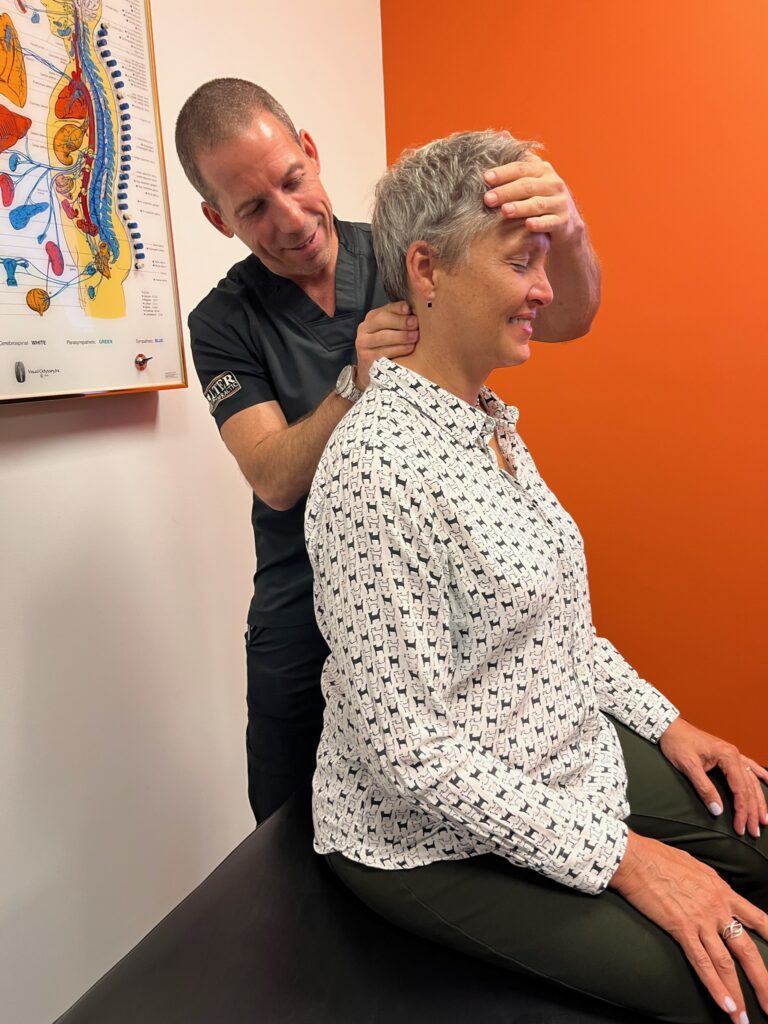

When it comes to your health, personalized care isn't just a luxury; it's a necessity. It takes into account your individual needs, preferences, and lifestyle, which means that treatment plans can truly resonate with you. This tailored approach not only boosts your engagement but also greatly enhances your health outcomes. As you consider how to navigate your healthcare journey, you might wonder what specific steps you can take to guarantee that the care you receive is as unique as you are. Let's explore these factors further.
Understanding Personalized Care
Understanding personalized care starts with recognizing its core principle: tailoring healthcare services to meet individual needs. This approach emphasizes that no two patients are the same, and consequently, a one-size-fits-all method simply won't cut it. You might find that personalized care takes into account your unique medical history, preferences, and lifestyle, ensuring that the healthcare you receive aligns closely with who you are.
When you engage with healthcare providers, personalized care encourages open communication. You should feel empowered to discuss your concerns, symptoms, and treatment preferences. This dialogue helps providers create a care plan that truly reflects your needs. It also fosters a sense of partnership between you and your healthcare team, which can lead to better outcomes.
Moreover, personalized care recognizes the importance of cultural, emotional, and social factors in your health. Your beliefs, values, and support systems play a vital role in how you respond to treatment. Healthcare providers who understand this can offer solutions that resonate with you on a deeper level, enhancing your overall experience.
As you navigate the healthcare system, remember that personalized care is about putting you at the center of the process. It's not just about treating an illness; it's about supporting your journey toward wellness in a way that feels right for you.
Benefits of Tailored Approaches
When you embrace tailored approaches in care, you're likely to see enhanced individual health outcomes.
This personalized method not only meets your unique needs but also boosts your engagement and compliance with treatment plans.
Ultimately, it leads to a more effective healthcare experience for you.
Enhanced Individual Health Outcomes
Tailored approaches to healthcare can considerably enhance individual health outcomes. When your care is personalized, it addresses your unique needs, preferences, and circumstances. This means you're more likely to receive the right treatments and interventions that resonate with your specific health situation.
For instance, if you have a chronic condition, a personalized plan can help you manage your symptoms more effectively. Rather than a one-size-fits-all approach, your care team can focus on strategies that work best for you. This could involve adjusting medications, incorporating specific lifestyle changes, or providing targeted therapies.
Moreover, when your healthcare providers understand your personal history and goals, they can identify potential health risks earlier. This proactive approach can lead to timely interventions, reducing the chances of complications down the line.
Personalized care also fosters better relationships with your healthcare team. You'll likely feel more comfortable discussing your concerns and preferences, leading to more informed decision-making.
Ultimately, when you engage with a tailored healthcare plan, you're setting yourself up for improved health outcomes and a higher quality of life.
Increased Engagement and Compliance
Because personalized care aligns with your specific needs and preferences, it greatly boosts your engagement and compliance with treatment plans. When you feel that your healthcare approach is tailored just for you, it's easier to stay motivated and committed. You're more likely to understand the why behind each recommendation, making it simpler to follow through.
Additionally, personalized care often involves open communication between you and your healthcare provider. This relationship builds trust, allowing you to express concerns or preferences without hesitation. When you're comfortable discussing your treatment, it enhances your involvement and encourages you to stick with the plan.
Moreover, when strategies are designed with your lifestyle in mind, you're less likely to feel overwhelmed. You'll find it easier to incorporate recommendations into your daily routine, leading to greater adherence. Whether it's adjusting medication schedules or suggesting suitable dietary changes, these personalized adjustments make a significant difference.
Ultimately, when healthcare feels relevant to you, your commitment grows. Engaging with a tailored approach not only improves your compliance but also fosters a proactive attitude toward your health. You're empowered to take charge of your well-being, enhancing your overall health journey.
Enhanced Patient Engagement
Enhanced patient engagement starts with creating individualized treatment plans that truly reflect your needs.
When you actively participate in your care, you're not just a passive recipient; you're a crucial part of the process. This engagement helps build trusting relationships with your healthcare team, making your journey to better health more effective and satisfying.
Individualized Treatment Plans
Individualized treatment plans are key to fostering enhanced patient engagement in healthcare. When your healthcare team tailors a plan specifically for you, it acknowledges your unique needs, preferences, and circumstances. This personalization makes you feel valued and heard, which is essential for building trust and rapport with your providers.
With an individualized plan, you're more likely to understand the rationale behind your treatment options. You can see how each decision aligns with your goals, whether it's managing a chronic condition or improving your overall well-being. This clarity empowers you to take an active role in your health journey.
Moreover, having a specific plan can reduce anxiety and uncertainty. You know what to expect, and this predictability can keep you motivated to stick with the treatment. When you're engaged and invested in your care, you're more likely to follow through with recommended therapies and lifestyle changes.
In essence, individualized treatment plans not only enhance your engagement but also improve your overall health outcomes. By working closely with your healthcare team to create a tailored approach, you take significant steps towards achieving better health and wellness.
Active Participation in Care
Active participation in your care is essential for maximizing health outcomes and fostering a collaborative relationship with your healthcare team. When you actively engage in your treatment, you're not just a passive recipient; you become an integral part of the process. This involvement allows you to voice your concerns, preferences, and goals, ensuring that your care aligns with your values.
Taking charge of your health means asking questions, seeking clarifications, and discussing any worries with your healthcare providers. Don't hesitate to share how treatments affect your daily life; this feedback is invaluable. By providing your insights, you're helping your team tailor their approach to better suit your needs.
Moreover, keeping track of your symptoms, medications, and appointments empowers you to manage your health proactively. Create a health journal or use apps to document your progress. The more informed you are, the more effectively you can engage in discussions about your care.
Ultimately, when you actively participate in your care, you enhance not only your understanding but also the overall quality of your healthcare experience. This collaboration can lead to improved outcomes and a greater sense of control over your health journey.
Building Trusting Relationships
Trust is the foundation of any effective healthcare relationship, and it's built through open communication and mutual respect.
When you feel confident in your healthcare provider, you're more likely to engage actively in your own care. Here are some key elements that help establish and nurture that trust:
- Transparency: When your provider shares information about your diagnosis and treatment options, it fosters a sense of partnership.
- Listening: Feeling heard is essential. When your concerns are acknowledged, it strengthens the bond between you and your provider.
- Consistency: Regular visits and follow-ups create a sense of reliability, reinforcing your trust in their expertise.
- Empathy: When your provider shows understanding and compassion, it humanizes the care experience and makes you feel valued.
Improved Health Outcomes
When it comes to personalized care, a noticeable improvement in health outcomes is often what patients seek. You want to see tangible changes in your health and well-being, and personalized care delivers just that. By tailoring treatments to your specific needs, preferences, and circumstances, healthcare providers can enhance the effectiveness of medical interventions.
With personalized care, you're more likely to engage actively in your treatment plan. When you feel that your unique situation is understood and addressed, you become more invested in your health journey. This active engagement leads to better adherence to treatment protocols, whether it's taking medications as prescribed or participating in recommended lifestyle changes.
Research shows that personalized approaches can lead to reduced hospital readmissions, fewer complications, and improved management of chronic conditions. For instance, if you're managing diabetes, a personalized care plan might integrate your dietary preferences, daily routine, and other health concerns, resulting in better blood sugar control.
Moreover, personalized care often involves regular monitoring and adjustments based on your progress. This dynamic approach means that any issues can be addressed promptly, minimizing the risk of setbacks.
In essence, the focus on your individual health needs not only enhances your quality of care but also leads to better health outcomes overall. You deserve a healthcare experience that prioritizes your unique health journey, ensuring that you achieve the best possible results.
Addressing Unique Needs
Personalized care goes beyond just improved health outcomes; it also focuses on addressing your unique needs. Everyone's health journey is different, and recognizing your individuality is essential for effective care. This approach tailors medical solutions to fit your personal circumstances, preferences, and lifestyle, ensuring you receive the support that truly resonates with you.
When you're treated as a unique individual, several key factors come into play, including:
- Personal Health History: Your medical background can influence treatment options and preventive measures.
- Lifestyle Choices: Diet, exercise, and daily habits impact how you respond to care strategies.
- Cultural Beliefs: Understanding your cultural context can enhance communication and trust between you and your healthcare provider.
- Emotional Well-Being: Acknowledging your mental and emotional state is important in creating a holistic care plan.
By addressing these unique aspects, personalized care empowers you to actively participate in your health decisions. It encourages open dialogue with your healthcare team, fostering a partnership where your voice matters.
This collaborative approach not only improves compliance with treatment plans but also enhances your overall satisfaction with the care you receive.
In essence, personalized care meets you where you are, adapting to your specific needs and preferences, which is fundamental for achieving ideal health outcomes. By embracing this tailored approach, you'll find a more effective and supportive path to wellness.
The Role of Technology
In today's fast-paced world, technology plays an essential role in enhancing personalized care. You mightn't realize it, but advancements in technology can greatly impact your healthcare experience. From telemedicine to wearable devices, these tools allow for tailored solutions that cater to your unique needs.
Imagine having access to your health data at your fingertips. With mobile apps and online portals, you can easily track your medical history, medications, and appointments. This transparency empowers you to take charge of your health and make informed decisions. Additionally, healthcare providers can utilize this data to create personalized treatment plans that are more effective and targeted.
Telehealth services have revolutionized how you access care. You can consult with specialists from the comfort of your home, eliminating the need for long travels and waiting times. This convenience guarantees you receive timely medical attention, which is essential for effective treatment.
Wearable technology also plays a significant role. Devices like fitness trackers and smartwatches can monitor important signs, activity levels, and even stress. By collecting this data, healthcare professionals can better understand your lifestyle and recommend personalized interventions that promote your well-being.
Artificial intelligence (AI) is another exciting development. AI can analyze vast amounts of data to identify patterns and predict potential health issues before they become serious. This proactive approach allows for earlier interventions, tailored to your specific risk factors.
Ultimately, technology enhances the personalization of care, making it more accessible, efficient, and effective for you. Embrace these advancements to take control of your health journey.
Steps to Seek Personalized Care
Taking charge of your healthcare journey requires a proactive approach to seek personalized care. By understanding your unique health needs and preferences, you can navigate your options more effectively. Here are some key steps to help you find the personalized care that suits you best:
- Assess your health needs: Take time to evaluate your medical history, current conditions, and any specific concerns you have. This will provide a solid foundation for discussions with healthcare providers.
- Research providers: Look for healthcare professionals who specialize in your areas of need and have a reputation for offering personalized care. Read reviews, check credentials, and consider their approach to patient care.
- Communicate openly: When you meet with a healthcare provider, be honest about your preferences, values, and concerns. This transparency can lead to a more tailored healthcare experience.
- Advocate for yourself: Don't hesitate to ask questions or seek clarification about treatment options and recommendations. If something doesn't feel right or align with your values, speak up.
Conclusion
Incorporating personalized care into your health journey is essential for achieving the best outcomes. By focusing on your unique needs and preferences, you empower yourself to take charge of your well-being. Embracing tailored approaches enhances your engagement with healthcare providers, leading to better communication and collaboration. With the right support and technology, you can navigate your health challenges more effectively, ultimately improving your quality of life. Prioritize personalized care, and watch your health flourish.