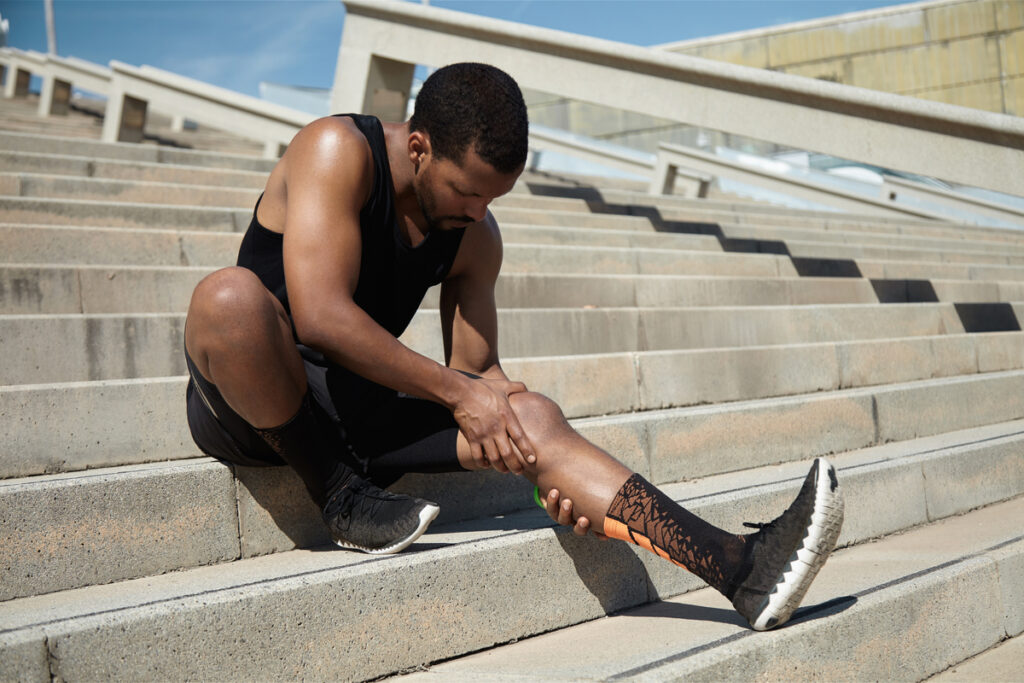

When you experience sports-related pain, it's easy to brush it off as a minor inconvenience, but ignoring it can lead to bigger problems down the line. You might not realize that persistent discomfort or reduced mobility could be signs of a more serious issue that warrants professional attention. Seeking help early not only aids in recovery but also plays a vital role in maintaining both your physical and mental well-being. Understanding the implications of this pain is essential, and you might be surprised at what you discover about injury prevention and performance enhancement.
Understanding Sports-Related Pain
Understanding sports-related pain is fundamental for athletes at all levels. When you engage in physical activity, your body undergoes stress, and that can lead to discomfort or pain. Recognizing the difference between normal soreness and pain that signals a problem is imperative. Normal soreness typically occurs after intense workouts and should subside within a few days. On the other hand, pain that lingers or intensifies might indicate an underlying issue that requires your attention.
It's essential to listen to your body. If you notice pain during a specific movement or activity, take a moment to assess it. Ask yourself questions like: What's the intensity of the pain? Does it change with movement? Is it localized or widespread? These insights can help you gauge whether it's just soreness or something more serious.
Additionally, understanding the mechanics of your body can empower you. Familiarizing yourself with your anatomy and how different muscles and joints function can provide clarity on why certain pains occur. This knowledge allows you to make informed decisions about training, recovery, and when to seek medical advice.
Finally, don't underestimate the mental aspect of sports-related pain. Pain can affect your performance and motivation. Acknowledging your feelings and seeking support can be just as important as addressing the physical symptoms.
Common Types of Sports Injuries
Sports injuries often crop up unexpectedly, impacting athletes across various disciplines. Whether you're a weekend warrior or a seasoned pro, knowing the common types of sports injuries can help you stay informed and prepared.
One of the most frequent injuries you might encounter is the sprain. This occurs when ligaments, the tissues connecting bones at a joint, are stretched or torn. Ankle sprains are particularly common in sports like basketball and soccer.
Next up, you have strains, which involve muscles or tendons being stretched or torn. Hamstring strains are prevalent among runners, often caused by sudden movements or overexertion.
Fractures, although more severe, are another common injury. They occur when a bone breaks, often due to falls or direct impacts. Stress fractures, small cracks in the bone, can develop from repetitive activities, especially in sports like running or gymnastics.
Tendinitis is another issue you might face, characterized by inflammation of a tendon. This is often seen in sports that require repetitive motions, like tennis or swimming.
Finally, consider contusions, or bruises, which happen when blood vessels are damaged from a direct blow, leading to swelling and pain.
Understanding these injuries can help you recognize your own risks and take preventative measures. Being proactive is essential in mitigating the impact of injuries on your athletic performance and overall well-being.
Signs You Need Professional Help
Recognizing when to seek professional help for sports-related pain can be just as important as understanding the injuries themselves. If you're experiencing persistent pain that doesn't improve with rest or standard home treatments, it's time to consult a professional.
Acute pain that arises suddenly during activity and severely limits your movement is another clear sign you shouldn't ignore. You might also notice swelling or bruising around the affected area, which can indicate a more serious injury.
If you find that your range of motion is reduced, or if you're unable to put weight on an injured limb, that's a strong signal that professional assessment is needed. You should also pay attention to any numbness or tingling sensations, as these can suggest nerve involvement.
Additionally, if pain persists for more than a few days or worsens over time, don't hesitate to seek help. Injuries that lead to instability in a joint or difficulty performing everyday activities warrant immediate attention.
If you feel a popping or grinding sensation during movement, that's also a warning sign. Finally, don't overlook the emotional toll that chronic pain can take; if you're feeling anxious or depressed about your injury, reaching out to a professional can provide not only physical relief but also emotional support.
Trust your instincts—when in doubt, it's better to be safe than sorry.
Benefits of Early Intervention
Early intervention can make a significant difference in your sports experience.
By addressing pain promptly, you can prevent long-term injuries and enhance your recovery performance.
Don't wait until a small issue becomes a bigger problem; tackling it early can keep you in the game.
Preventing Long-Term Injuries
Timely intervention is essential in preventing long-term injuries that can sideline athletes for extended periods. When you address pain or discomfort early, you greatly reduce the risk of exacerbating those issues into more severe conditions. Ignoring pain often leads to compensatory movements, which can strain other body parts and create a cycle of injury.
By seeking help at the first signs of trouble, you allow professionals to assess your condition properly. They can recommend targeted treatment plans, whether that's physical therapy, rest, or specific exercises aimed at strengthening vulnerable areas. This proactive approach not only helps you recover faster but also guarantees that you're back in the game without the shadow of lingering pain.
Moreover, early intervention can help you develop a better understanding of your body's mechanics, empowering you to make informed decisions about training and recovery. Being aware of your limits and recognizing when something feels off can be your best defense against long-term issues.
Ultimately, prioritizing timely treatment helps you maintain your athletic performance and enjoy your sport without the looming threat of injury. Don't wait until it's too late; take action now for a healthier, more sustainable athletic future.
Enhancing Performance Recovery
Addressing pain promptly not only prevents long-term injuries but also plays a crucial role in enhancing your performance recovery. When you seek help early, you're not just treating a symptom; you're optimizing your body's ability to bounce back stronger and faster.
Here's how early intervention can boost your recovery:
- Reduced Downtime: By addressing pain early, you minimize the time you spend off the field or court. You can get back to your training and competition quicker than if you waited.
- Improved Flexibility and Strength: Early treatment often includes tailored rehabilitation exercises that enhance your flexibility and strength. This helps you come back not just to where you were but even better.
- Mental Resilience: Dealing with pain can be mentally draining. Early intervention helps you regain confidence in your body, allowing you to focus on performance rather than discomfort.
Incorporating these benefits into your routine makes a significant difference.
Don't wait for pain to sideline you; addressing it head-on will keep you performing at your best. Seek help early, and watch your recovery soar!
Risk of Ignoring Pain
Ignoring pain can lead to serious long-term injuries that might sideline you for good.
You might also notice a decline in your performance as your body struggles to cope with the discomfort.
Plus, waiting to seek help often means you'll face a longer recovery time, which can really disrupt your training and goals.
Long-term Injury Consequences
Many athletes underestimate the long-term consequences of ignoring pain signals from their bodies. When you brush off discomfort, you're not just risking a temporary setback; you could be paving the way for serious, lasting damage.
The body is a complex system, and neglecting its warnings can lead to complications you mightn't foresee.
Consider these potential long-term consequences:
- Chronic Pain: What starts as a minor ache can evolve into persistent pain that hampers your daily activities and training.
- Joint Damage: Ignoring pain can lead to conditions like arthritis or cartilage wear, permanently affecting your range of motion and strength.
- Compensatory Injuries: When you favor an injured part of your body, you might unintentionally overstrain other muscles, leading to new injuries and a cycle of pain.
Performance Decline
Pain's subtle whispers can easily lead to a significant decline in your athletic performance if left unchecked. When you ignore discomfort, you risk not only your physical well-being but also your competitive edge. You might find yourself struggling to maintain your usual speed, strength, or agility, which can be frustrating and demoralizing.
By pushing through pain, you may alter your biomechanics to compensate, which can lead to further issues and a diminished ability to perform at your best. Whether you're a weekend warrior or a professional athlete, those nagging aches can interfere with your training routine. You might notice a decrease in endurance, coordination, and overall effectiveness in your sport.
Additionally, when you're not performing at your peak, it can affect your confidence and mental focus. You might hesitate during critical moments, second-guessing yourself instead of trusting your instincts.
Instead of waiting for pain to escalate, seeking help early can help you regain your full potential. Don't let pain dictate your performance; addressing it proactively can keep you on track to achieving your goals and enjoying your sport.
Increased Recovery Time
When you brush aside discomfort, you might find recovery taking much longer than anticipated. Ignoring pain doesn't just delay healing; it can lead to a cascade of complications that leave you sidelined for even longer.
By dismissing your body's signals, you risk prolonging your return to the game.
Here are three consequences of ignoring sports-related pain:
- Injuries Compounding: What starts as a minor strain can escalate into a more serious injury, requiring extensive rehabilitation and recovery time.
- Decreased Performance: As pain persists, you might alter your technique to compensate, leading to additional injuries and further setbacks.
- Mental Fatigue: Battling ongoing pain can wear you down mentally, reducing your motivation and enjoyment of the sport.
In the end, seeking help early can prevent these issues. By addressing pain promptly, you not only shorten your recovery time but also guarantee you're back to your peak performance sooner.
Don't let stubbornness keep you off the field; listen to your body and take action. Your recovery—and your game—will thank you.
Treatment Options Available
Finding the right treatment for sports-related pain can markedly enhance your recovery and return to the game. You've got various options at your disposal, each tailored to address specific issues.
First, over-the-counter pain relievers like ibuprofen or acetaminophen can help reduce inflammation and alleviate discomfort. These medications are often the first line of defense against mild to moderate pain.
If your pain persists, it's advisable consulting with a healthcare professional who may recommend prescription medications or corticosteroid injections. These can provide more significant relief by targeting inflammation directly at the source.
Another option to explore is the use of topical treatments, such as creams or patches that deliver analgesics right where you need them. These can be particularly effective for localized pain, allowing for targeted relief without systemic side effects.
For those dealing with muscle strains or sprains, utilizing cold and heat therapy can work wonders. Ice packs can reduce swelling and numb the area, while heat pads can promote blood flow and relax tight muscles.
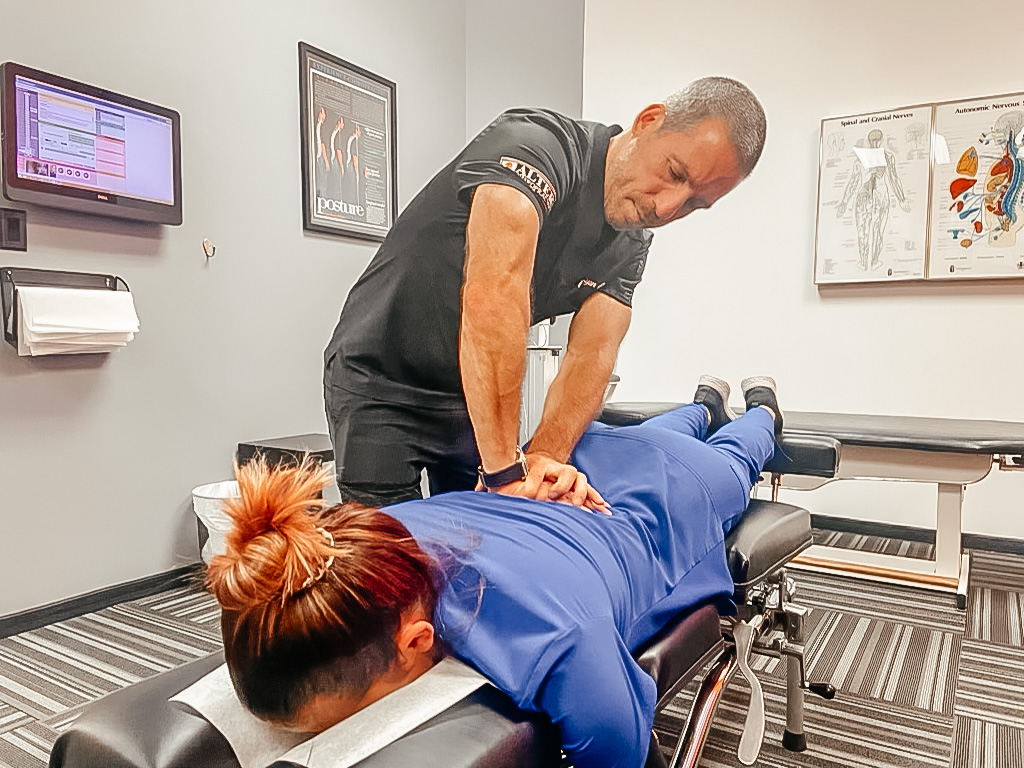
You might also explore alternative therapies like acupuncture or chiropractic care. These approaches can offer relief by addressing imbalances and stressors in your body, promoting overall wellness.
Finally, supportive devices like braces or tape can help stabilize injured areas, allowing you to maintain mobility while healing.
Every individual responds differently, so it's crucial to find the treatment that best suits your needs and aids your recovery.
Role of Physical Therapy
Physical therapy plays an essential role in recovering from sports-related injuries and managing pain effectively. When you experience discomfort from an injury, a physical therapist can help you regain strength, flexibility, and function. They tailor a rehabilitation program specific to your needs, ensuring you get the most effective care possible.
Here are three key aspects of physical therapy that can aid your recovery:
- Personalized Treatment Plans: Your therapist evaluates your specific injury and creates a customized plan. This might include targeted exercises, stretches, and manual therapy techniques designed to address your unique condition.
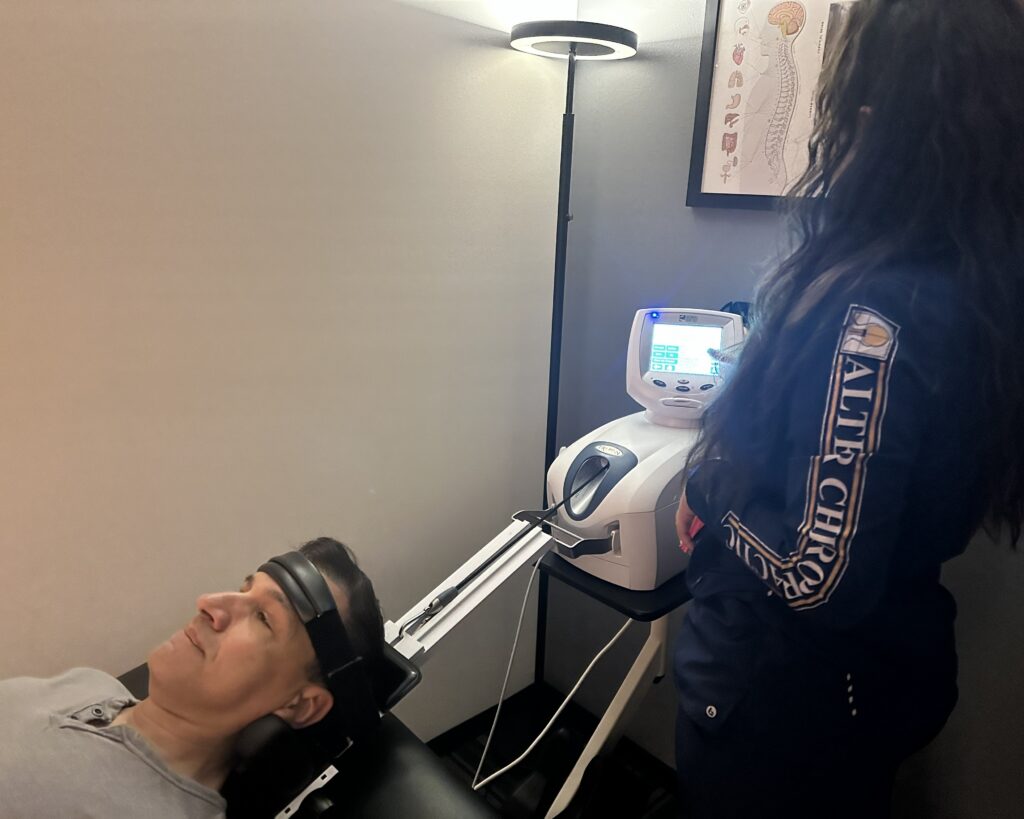
- Pain Management Techniques: Physical therapists use various methods to alleviate pain, such as ice and heat therapy, electrical stimulation, and ultrasound. These techniques not only help reduce inflammation but also promote healing in the affected areas.
- Education and Prevention: Beyond treating your current injury, physical therapy teaches you proper techniques to prevent future issues. You'll learn about body mechanics, posture, and how to safely return to your sport, reducing the risk of re-injury.
Importance of Proper Diagnosis
Getting a proper diagnosis is essential for addressing sports-related pain effectively.
It helps you identify underlying issues, which can prevent further injuries down the line.
Plus, a clear diagnosis allows for a tailored treatment plan that meets your specific needs.
Identify Underlying Issues
Identifying underlying issues is essential when dealing with sports-related pain, as an accurate diagnosis can greatly impact your recovery. You might think the pain is just a minor annoyance, but it could signal a deeper problem. By addressing these issues early, you can set yourself on the right path to healing.
Here are three common underlying problems to take into account:
- Muscle Imbalances: Overuse or improper technique can lead to one set of muscles compensating for another, causing pain and dysfunction.
- Joint Instability: Weakness or injury in surrounding tissues can leave your joints vulnerable, leading to pain during movement and increased risk of further injury.
- Inflammation: Chronic inflammation due to repetitive stress can mask underlying injuries, making it vital to identify the source to treat it effectively.
When you seek help, a healthcare professional can conduct a thorough evaluation, helping you pinpoint these issues.
This way, you can tackle the root cause of your pain, not just the symptoms, ensuring a more effective and lasting recovery.
Prevent Further Injuries
To prevent further injuries, understanding the importance of a proper diagnosis is crucial. When you experience pain, it's easy to assume it's just a part of the game. However, ignoring the underlying issue can lead to more severe injuries down the line. A proper diagnosis pinpoints the exact nature of your pain, allowing you to address it effectively.
You might think you can push through the discomfort, but doing so can exacerbate the problem. Without a clear understanding of your injury, you risk altering your movement patterns, which could lead to compensatory injuries in other areas of your body. By consulting a healthcare professional, you guarantee that you're not just treating the symptoms but also identifying the root cause of your pain.
Once you have a proper diagnosis, you can make informed decisions about your training and recovery. This proactive approach not only helps you heal faster but also reduces the likelihood of re-injury.
Tailored Treatment Plans
Once you've received a proper diagnosis, the next step involves creating a tailored treatment plan that addresses your specific injury. This plan is essential because it guarantees you're not just treating symptoms but tackling the root cause of your pain.
A one-size-fits-all approach simply won't cut it when it comes to sports-related injuries.
Your tailored treatment plan might include:
- Targeted Exercises: These will strengthen the affected area and improve flexibility, helping you regain your full range of motion.
- Manual Therapy: Techniques like massage or chiropractic adjustments can alleviate pain and promote healing by improving blood flow and reducing tension.
- Recovery Protocols: This could involve rest, ice, compression, and elevation (RICE) or a gradual return-to-play strategy that prevents re-injury.
Mental Health Impacts
While physical injuries can be the most visible consequence of sports, the mental health impacts often run deeper and linger longer. When you experience pain or injury, it can take a toll on your mental well-being. You might find yourself feeling anxious, frustrated, or even depressed as you grapple with the limitations imposed on your body. This emotional turmoil can affect your motivation, focus, and overall enjoyment of the sport you love.
When you're sidelined due to injury, feelings of isolation may creep in. You might miss the camaraderie and support of your teammates, leading to a sense of disconnect. It's essential to recognize that these feelings are valid and common among athletes. Ignoring them can lead to a downward spiral, affecting not just your athletic performance but also your personal life.
Seeking help isn't a sign of weakness; it's a proactive step toward healing. Talking to a mental health professional can provide you with the tools to cope with these challenges. They can help you address feelings of anger or sadness, teach you relaxation techniques, and guide you in setting realistic goals for your recovery.
Moreover, focusing on your mental health can enhance your resilience and improve your performance once you return to the field. Remember, taking care of your mind is just as important as caring for your body, and prioritizing both will ultimately lead to a healthier, more balanced approach to your sport.
Long-Term Athletic Longevity
As you navigate the ups and downs of your athletic career, prioritizing long-term athletic longevity becomes essential.
It's not just about chasing immediate victories; it's about ensuring you can continue to compete and enjoy your sport for years to come. By addressing sports-related pain early and effectively, you're setting yourself up for sustained success.
Consider these three key factors to maintain your athletic longevity:
1. Consistent Recovery: Implementing a structured recovery routine can help prevent injuries.
Stretching, foam rolling, and rest days are vital for allowing your body to heal and adapt.
2. Injury Prevention: Regular check-ins with a sports therapist can identify potential issues before they escalate.
Whether it's adjusting your training regimen or correcting your form, proactive measures can save you from sidelining injuries.
3. Mental Resilience: Building a strong mental game is just as important as physical training.
Practices like visualization and mindfulness can enhance your focus and help you cope with pain or setbacks, keeping you on track for the long haul.
Conclusion
In summary, seeking help for sports-related pain is essential for your athletic career. Don't ignore persistent discomfort, as it can lead to more serious injuries. By addressing issues early, you not only enhance your physical recovery but also support your mental well-being. Remember, proper diagnosis and treatment pave the way for long-term performance and longevity in your sport. Prioritize your health—your future self will thank you for it!