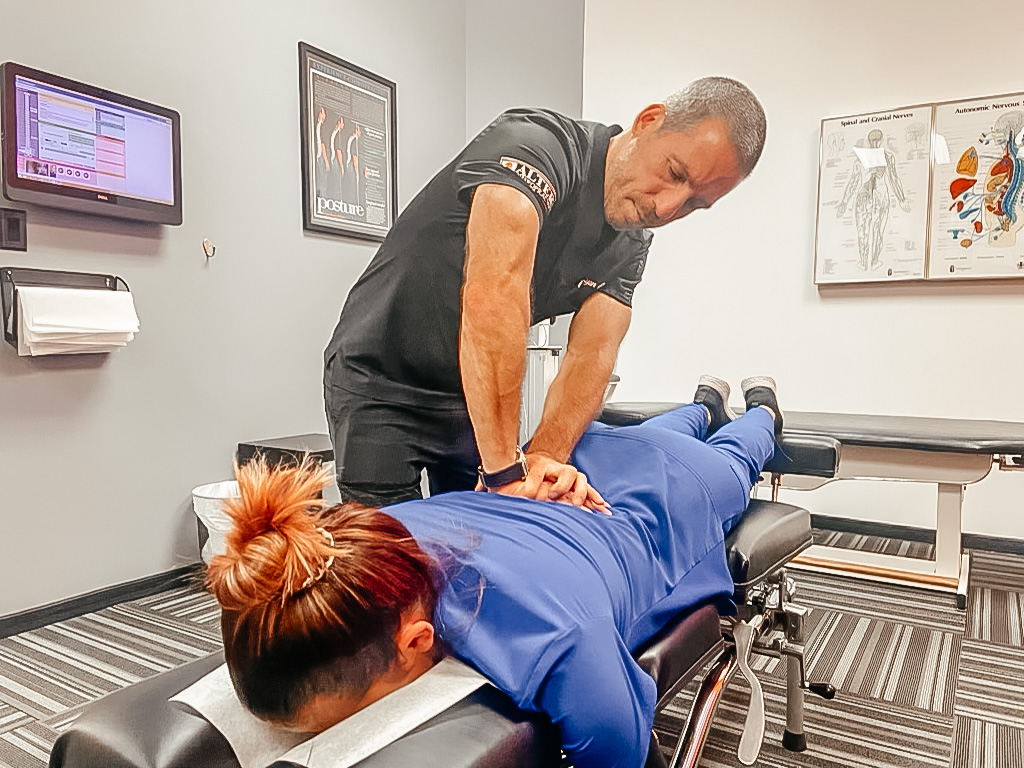

As a local chiropractor, I understand that dealing with sports-related back pain can significantly affect both your performance and everyday life. Many of my patients are surprised to discover that there are several effective treatments available that can help ease your discomfort and get you back to doing what you love.
Chiropractic care is one of the most beneficial approaches to managing back pain, as it focuses on aligning the spine and improving overall bodily function. Alongside chiropractic adjustments, complementary therapies like acupuncture can also provide unique benefits to enhance your recovery.
The key is to recognize that these treatments can work in harmony to deliver comprehensive relief. I encourage you to explore the top 10 options I've found to be effective in transforming the way we manage sports-related back pain. Together, we can create a tailored plan that addresses your specific needs and helps you regain your strength and mobility.
Physical Therapy
When it comes to addressing sports-related back pain, chiropractic care can be a transformative solution. You may find that a customized chiropractic program can help you regain strength, flexibility, and mobility—essential components for any athlete.
As your chiropractor, I'll conduct a thorough assessment of your condition to identify the root causes of your pain and develop a personalized treatment plan focused on resolving those issues.
During your visits, you'll participate in various therapeutic techniques designed to strengthen the muscles that support your spine. This may include specific exercises aimed at enhancing core stability, stretching routines, and functional movements that are relevant to your sport.
Not only will we work on alleviating your pain, but you'll also be building resilience to prevent future injuries.
Education is a crucial element of chiropractic care. I'll teach you about proper body mechanics and techniques to employ during your sport, ensuring you minimize strain on your back. You'll learn effective warm-up and cool-down strategies that can significantly enhance your performance and overall well-being.
Additionally, chiropractic care often incorporates natural healing modalities like spinal adjustments, soft tissue therapy, and even techniques such as ultrasound or electrical stimulation.
These approaches can complement your exercise regimen and facilitate a smoother recovery, allowing you to engage actively in your rehabilitation process. Embracing chiropractic care can lead you to a healthier, pain-free athletic experience.
Chiropractic Care
As a local chiropractor, I want to share with you the benefits of chiropractic care, especially when it comes to treating sports-related back pain. Many of my patients who are active in sports often find themselves dealing with discomfort or injuries, and chiropractic adjustments can play a crucial role in their recovery.
Our approach goes beyond just alleviating symptoms; we focus on realigning your spine and improving your overall function. By assessing your musculoskeletal system, we aim to identify and address the root cause of your pain, rather than simply masking it.
During your first visit, I'll conduct a thorough evaluation, taking into account your medical history and the specific activities that may have contributed to your pain. This includes assessing your posture, range of motion, and any misalignments. With this information, I can develop a personalized treatment plan that aligns with your unique needs.
Regular chiropractic adjustments are designed to restore proper spinal alignment, which can promote better movement and reduce tension in your back. However, chiropractic care isn't limited to adjustments alone. I also incorporate tailored exercises and stretches that help strengthen your core and enhance flexibility—both of which are vital in preventing future injuries.
Additionally, I provide guidance on proper techniques for your sport to help you avoid movements that could aggravate your back pain.
One of the most rewarding aspects of chiropractic care is its potential to enhance your overall athletic performance. When your spine and joints are functioning optimally, you may notice improvements in balance, coordination, and strength. This holistic approach not only helps alleviate pain but also supports your recovery process, enabling you to return to the activities you love.
If you're experiencing sports-related back pain, I encourage you to consider chiropractic care as an essential part of your treatment strategy. Together, we can work towards achieving your health and wellness goals, ensuring you stay active and pain-free.
Massage Therapy
As a local chiropractor, I often see athletes who struggle with sports-related back pain. Many of them find significant relief through a combination of chiropractic care and massage therapy. This natural approach not only addresses the pain but also enhances recovery and performance in a holistic way.
When you're experiencing back pain, massage therapy can be an effective tool in your healing journey. It helps alleviate muscle tension, improve circulation, and promote relaxation, all of which are essential for your overall well-being.
Here are four key benefits of incorporating massage therapy into your recovery routine:
- Pain Relief: Massage therapy is known to reduce muscle tension and soreness, providing immediate relief from back pain. It stimulates the release of endorphins, which are your body's natural painkillers, helping you feel better quickly.
- Increased Flexibility: Regular massage sessions can improve your range of motion, allowing you to engage in athletic activities with greater ease and less discomfort. This increased flexibility can lead to enhanced performance in your sport.
- Enhanced Recovery: By promoting better blood flow to the muscles, massage therapy aids in the healing process. This means you can return to your sport sooner, with a reduced risk of re-injury.
- Stress Reduction: The calming effects of massage therapy can help reduce stress and anxiety, which are common companions of chronic pain. A relaxed mind can improve your focus and performance during training and competition.
Incorporating massage therapy into your wellness routine can be transformative for managing sports-related back pain. Whether you're dealing with an acute injury or the regular wear and tear from training, this natural approach is definitely worth exploring.
As a chiropractor, I encourage you to consider how both chiropractic care and massage therapy can work together to support your health and athletic performance.
Acupuncture
As a local chiropractor, I want to share how acupuncture can be a valuable addition to your treatment plan for sports-related back pain. This ancient Chinese practice works in harmony with chiropractic care, harnessing your body's natural healing abilities to help you recover more effectively.
Acupuncture involves the insertion of thin needles into specific points on the body to stimulate energy flow, known as "qi." By targeting these points, acupuncture can assist in reducing inflammation, alleviating pain, and promoting relaxation.
When you're dealing with back pain from sports activities, acupuncture can address not only your symptoms but also the underlying issues contributing to your discomfort. Many athletes find that acupuncture helps improve their range of motion while also easing pain. Incorporating this treatment into your routine could lead to faster recovery times and even enhanced performance.
Moreover, acupuncture is beneficial for managing stress and anxiety, which often accompany physical injuries. By promoting relaxation, it can improve your mental focus and motivation—key elements for returning to your sport. You may also notice that your sleep patterns improve, which is crucial for recovery.
If you're considering acupuncture, it's important to work with a qualified practitioner who understands sports injuries and can tailor the treatment to your specific needs.
While acupuncture isn't a replacement for chiropractic care or conventional treatments, it can effectively complement your overall recovery strategy. So, if you're looking to alleviate sports-related back pain, I encourage you to explore acupuncture as a holistic option that can help you get back to doing what you love.
Heat and Cold Therapy
As a local chiropractor, I often see patients struggling with sports-related back pain, and I want to share how heat and cold therapy can be incredibly beneficial for relief.
Heat therapy is wonderful for relaxing tight muscles and enhancing blood circulation, which can help alleviate discomfort. On the other hand, cold therapy is effective in reducing inflammation and numbing sharp pain, providing immediate relief during acute episodes.
It's essential to understand how to apply these therapies properly for maximum benefit. For heat therapy, consider using a warm towel or a heating pad for about 15-20 minutes to soothe those tense muscles.
For cold therapy, ice packs or a bag of frozen peas wrapped in a cloth can be applied for 10-15 minutes to help minimize swelling and pain.
Incorporating these natural healing methods can significantly complement your chiropractic care and enhance your recovery process.
If you have any questions or want personalized advice on incorporating these therapies into your routine, feel free to reach out!
Benefits of Heat Therapy
As a local chiropractor, I often see patients struggling with sports-related back pain, and I want to share how heat therapy can be a valuable tool in your recovery process. This natural treatment method works by increasing blood flow to the affected areas of your back, which not only promotes healing but also helps relax tight muscles that can contribute to your discomfort.
When you apply heat, you're doing more than just warming your back; you're actively addressing pain and stiffness that can impact your performance. Here are some key benefits of heat therapy for managing sports-related back pain:
- Muscle Relaxation: The application of heat helps to soothe tense muscles, effectively reducing spasms and discomfort that can limit your movement.
- Improved Circulation: By increasing blood flow, heat therapy delivers more oxygen and essential nutrients to the injured area, which is crucial for recovery.
- Pain Relief: The gentle warmth can disrupt pain signals that travel to your brain, providing significant relief from discomfort.
- Enhanced Flexibility: Heat therapy can improve your range of motion, making it easier for you to engage in your favorite activities without hindrance.
To make the most of heat therapy, you can use warm baths, heating pads, or warm towels. It's important to apply heat for about 15-20 minutes at a time, allowing your body to absorb the benefits while avoiding the risk of burns.
Incorporating heat therapy into your recovery routine can significantly enhance the health and functionality of your back, supporting your overall well-being. If you have questions or need personalized advice, don't hesitate to reach out to our office for guidance on how to effectively integrate this approach into your care.
Advantages of Cold Therapy
As a local chiropractor, I often find myself recommending cold therapy, or cryotherapy, as an effective way to manage sports-related back pain. This natural treatment is particularly beneficial because it helps to reduce inflammation and numb sore tissues, which can significantly ease your discomfort.
When you apply cold to an area of pain in your back, it constricts blood vessels, which helps minimize swelling and can prevent further injury.
One of the most remarkable advantages of cold therapy is its ability to provide immediate relief. If you've recently experienced a strain or sprain, using cold therapy can help you feel better quickly, allowing you to return to your activities sooner.
Additionally, cold therapy can effectively reduce muscle spasms, making it easier for you to move without experiencing pain.
Another great benefit of cold therapy is its accessibility. You don't need any specialized equipment to utilize this method; a simple ice pack or even a bag of frozen vegetables can work wonders.
It's also a cost-effective option compared to many other treatments available.
Incorporating cold therapy into your recovery routine can help promote faster healing and improve your overall mobility.
Just remember to keep an eye on your skin to avoid frostbite, and don't hesitate to consult with me or another healthcare professional if you have any questions about your treatment options.
Your journey to natural healing can start with simple, effective methods like cold therapy!
Application Techniques Explained
As a local chiropractor dedicated to your health and wellness, I want to share some valuable insights on how to effectively use heat and cold therapy to manage sports-related back pain. Understanding when and how to apply these therapies can significantly enhance your recovery process. Here are some essential techniques to consider:
- Cold Packs: After engaging in physical activity, consider using a cold pack or ice wrapped in a cloth. Applying it for 15-20 minutes can help reduce inflammation and numb any soreness you may be experiencing. This is particularly beneficial after a workout or injury.
- Heat Pads: If you're dealing with muscle tension, a heat pad can be your best friend. Applying it for 15-20 minutes warms up the muscles, increases blood flow, and promotes relaxation, helping to relieve discomfort.
- Alternate Therapies: For those dealing with chronic pain, an alternating approach can be very effective. Start with cold therapy for 20 minutes to manage inflammation, then switch to heat for another 20 minutes. This combination can provide substantial relief and improve your overall comfort.
- Timing Matters: It's important to use these therapies at the right times. Cold therapy is best after workouts or any injury, while heat therapy works wonders for muscle stiffness before you engage in physical activity.
By incorporating these techniques into your routine, you can take proactive steps toward managing your back pain and enhancing your recovery.
If you have any questions or need personalized advice, feel free to reach out to our office. Your health is our priority!
Pain Medication
As a local chiropractor, I want to help you understand how to effectively manage sports-related back pain through natural healing methods, alongside or instead of pain medication. While medications can provide temporary relief, they often don't address the underlying issues contributing to your discomfort.
For acute or chronic back pain, I encourage exploring holistic approaches that can complement any medication you may be considering. Over-the-counter options, such as ibuprofen or acetaminophen, can serve as a quick fix for pain relief. However, relying solely on these medications may not lead to long-term solutions. Instead, consider how chiropractic care can help restore proper alignment and function to your spine, which is essential for reducing inflammation and alleviating pain.
If you find that over-the-counter medications aren't enough, it's important to consult with a healthcare professional about your options. While prescription medications may offer stronger relief, I recommend discussing how chiropractic adjustments, along with muscle relaxation techniques and other natural therapies, can provide a more sustainable approach to pain management.
In addition to adjustments, I often recommend supportive therapies such as massage, stretching, and exercises tailored to your specific needs. These methods can't only help relieve pain but also strengthen the muscles around your spine, preventing future injuries.
For localized pain, topical treatments or natural remedies might also be effective. These can target specific areas without systemic side effects, making them a safer choice in many cases. In certain situations, your healthcare provider may suggest procedures like nerve blocks or injections, but I encourage you to explore how chiropractic care can reduce your reliance on these options.
Ultimately, I believe that managing pain is most effective when it involves a holistic approach. Combining chiropractic care with lifestyle adjustments, proper exercise, and a healthy diet can lead to lasting relief and improved overall wellness.
Your journey to recovery is a partnership, and I'm here to support you every step of the way!
Stretching and Strengthening
As a local chiropractor dedicated to educating my patients about natural healing, I want to emphasize the importance of addressing sports-related back pain through essential stretching techniques and core strengthening exercises.
Many of you may not realize that improving flexibility can't only help alleviate discomfort but also significantly enhance your athletic performance.
By incorporating these strategies into your routine, you can maintain a healthy and strong back, ultimately leading to a more enjoyable and active lifestyle.
Let's explore how these practices can benefit you and support your overall well-being.
Essential Stretching Techniques
As a local chiropractor, I want to share some essential stretching techniques that can significantly help alleviate sports-related back pain and enhance your overall performance. Many people overlook the importance of stretching, which plays a crucial role in maintaining flexibility, reducing muscle tension, and improving blood circulation — all of which are vital for preventing injuries.
Here are four key stretches I recommend incorporating into your routine:
- Hamstring Stretch: Begin by sitting on the floor with one leg extended in front of you. Gently reach towards your toes while keeping your back straight. Hold this position for 20-30 seconds on each side. This stretch helps to loosen the hamstrings, which can greatly affect your lower back.
- Cat-Cow Stretch: Position yourself on your hands and knees. This dynamic stretch involves alternating between arching your back upwards (like a cat) and dipping it downwards (like a cow). Breathe deeply as you perform this stretch, repeating it for 5-10 cycles. It's an excellent way to mobilize your spine and relieve tension.
- Child's Pose: Kneel on the floor and sit back on your heels, extending your arms forward on the ground. This restorative pose is fantastic for releasing tension in your lower back and promoting relaxation. Hold this stretch for as long as it feels comfortable.
- Seated Spinal Twist: Sit with your legs crossed comfortably. Place one hand behind you and gently twist your torso towards that hand. Hold for 20-30 seconds on each side. This stretch can help improve spinal mobility and alleviate tightness.
By integrating these stretches into your daily routine, you can prevent stiffness and promote a healthy back, allowing you to stay active and engaged in your favorite sports.
Always listen to your body and remember to stretch gently, as the goal is to enhance your well-being naturally. If you have any questions or concerns about your back health, don't hesitate to reach out for guidance!
Core Strengthening Exercises
As a local chiropractor, I want to emphasize the importance of building a strong core for maintaining a healthy back and enhancing your athletic performance. Your core is made up of the muscles in your abdomen, lower back, and pelvis. Strengthening these muscles is vital for providing stability and balance, which can help prevent sports-related back pain.
To get started, I recommend beginning with foundational exercises such as planks and bridges. Planks are excellent for engaging multiple muscle groups and improving endurance, while bridges specifically target your glutes and lower back, essential areas for overall core strength.
You might also want to incorporate exercises like bicycle crunches and Russian twists into your routine. Bicycle crunches are fantastic for working your obliques, which play a crucial role in the rotational movements required in various sports. On the other hand, Russian twists are great for enhancing your core's rotational strength, which is particularly beneficial in activities like tennis or golf. I suggest aiming for two to three sets of 10-15 repetitions for each of these exercises.
In addition to these isolated movements, it's important to include functional exercises like squats and deadlifts. These exercises mimic real-life athletic actions and strengthen your core along with your leg muscles. As you build strength and confidence, consider adding resistance with weights or resistance bands to further challenge your muscles.
Remember, consistency is essential. Regularly incorporating core strengthening exercises into your routine won't only help prevent back pain but will also contribute to your overall athletic performance.
If you have any questions about how to integrate these exercises safely or how they relate to your chiropractic care, feel free to ask during your next visit!
Flexibility Improvement Strategies
As a local Chiropractor, I want to emphasize the importance of enhancing your flexibility for not only preventing sports-related back pain but also improving your overall athletic performance.
Many of my patients may not be familiar with the role that flexibility plays in their health, so I'd like to share some effective strategies that can easily be incorporated into your daily routine to help you achieve a greater range of motion and reduce the risk of injury.
- Dynamic Stretching: Before you engage in any physical activity, it's beneficial to perform dynamic stretches. Movements such as leg swings and arm circles are great ways to warm up your muscles and prepare your body for exercise. This can enhance blood flow and help prevent injuries.
- Static Stretching: After your workouts, I recommend focusing on static stretching. Holding stretches for 15-30 seconds can greatly benefit areas that often hold tension, such as your hamstrings, hip flexors, and lower back. This practice aids in relieving tension and promoting recovery.
- Yoga or Pilates: Incorporating yoga or Pilates into your weekly routine can be extremely beneficial. These practices not only enhance flexibility but also promote core strength and balance, which are essential for overall stability and injury prevention.
- Foam Rolling: Another technique I encourage is the use of a foam roller. This self-myofascial release method helps to release tight muscles and fascia, improving your flexibility and aiding your recovery process. It's an excellent tool for maintaining muscle health.
By integrating these strategies into your lifestyle, you can significantly improve your flexibility, ultimately leading to better performance and a lower risk of injury.
If you have any questions or need personalized guidance, feel free to reach out during your next visit!
Posture Correction
As a local chiropractor, I want to emphasize the importance of proper posture in preventing and alleviating sports-related back pain. Maintaining good posture is essential because it helps to evenly distribute your body weight, which reduces the strain on your spine and surrounding muscles. This balance is crucial for preventing injuries, particularly during physical activities.
To improve your posture, I encourage you to be mindful of how you sit, stand, and move throughout your daily routine. When you're sitting, ensure that your feet are flat on the floor, your back is straight against the chair, and your knees are at hip level with your shoulders relaxed. If you're working at a desk, position your computer screen at eye level to avoid craning your neck.
When standing, focus on keeping your shoulders back, your chest out, and your head aligned with your spine. This proper alignment not only enhances your appearance but also promotes a healthier back.
During exercise, it's vital to maintain correct form. Whether you're lifting weights or running, make sure that your body mechanics align with your posture goals. Engaging your core muscles will provide you with additional support, helping to stabilize your spine and reduce the risk of injury.
Incorporating posture correction exercises into your routine can further enhance your efforts. Simple stretches and strength-building exercises, such as planks and wall angels, can reinforce proper alignment. By dedicating time to these practices, you can alleviate existing pain and prevent future discomfort.
This proactive approach will allow you to enjoy your favorite sports and activities with greater ease and confidence. As your chiropractor, I'm here to guide you through these changes and support your journey towards better posture and overall health.
Ergonomic Adjustments
As a local chiropractor, I want to emphasize how making ergonomic adjustments can significantly alleviate your back pain during training or work. Many people are unaware of the impact that proper posture and an optimized workspace can have on their overall health.
By incorporating these adjustments into your daily routine, you can create a more supportive environment for your body, which is essential for maintaining spinal health and preventing discomfort.
Let's delve into how these changes can enhance your daily activities and promote natural healing. By understanding the principles of ergonomics, you can't only improve your posture but also reduce the strain on your back, leading to a more comfortable and productive experience in both your professional and personal life.
Proper Posture Techniques
As a local chiropractor, I want to emphasize the importance of maintaining good posture, especially when it comes to preventing sports-related back pain. Proper posture isn't just about looking good; it plays a vital role in distributing your body weight evenly, which can significantly reduce strain on your back and enhance your overall athletic performance.
Here are four essential techniques that I encourage you to practice during your sports activities:
- Stand Tall: Picture yourself standing tall with your shoulders back and your chest out. Visualize a string gently pulling you upward from the top of your head, ensuring your spine is well-aligned. This not only helps with posture but also promotes optimal body mechanics.
- Engage Your Core: A strong core is fundamental to supporting your lower back. Before you start any physical activity, take a moment to tighten your abdominal muscles. This simple action stabilizes your spine and can prevent discomfort and injury.
- Bend at the Hips: When lifting or bending down, remember to hinge at your hips instead of your waist. This technique is crucial for safeguarding your lower back from unnecessary strain, allowing you to move more freely and safely.
- Use Proper Footwear: The right shoes can make a world of difference. Opt for footwear that provides adequate support and cushioning. Good footwear helps maintain your alignment and minimizes the impact on your back during various activities, reducing the risk of pain.
By incorporating these techniques into your routine, you can't only prevent back pain but also enhance your overall performance in sports and daily activities.
If you have any questions or need further guidance, feel free to reach out—I'm here to help you on your journey to better health through natural healing!
Workspace Setup Tips
As a local chiropractor, I want to share with you the importance of maintaining good posture—not just during physical activities, but also while you're at your workspace. An ergonomic setup is crucial for reducing your risk of back pain and promoting overall well-being.
First and foremost, let's talk about your chair. It should provide proper support for your lower back and allow your feet to rest flat on the floor. If your chair is too high, using a footrest can make a significant difference.
Next, consider the positioning of your desk and monitor. Your computer screen should be at eye level and about an arm's length away. This alignment helps prevent unnecessary strain on your neck as you work.
When it comes to your keyboard and mouse, ensure they're within easy reach to avoid overextending your arms, which can lead to shoulder discomfort.
It's also essential to take regular breaks. I recommend standing up, stretching, and walking around every hour. This practice not only relieves tension but also encourages healthy circulation.
If you find yourself sitting for long periods, you might want to look into a standing desk to give your body a break.
Lastly, maintaining an organized workspace is vital. A clutter-free environment minimizes distractions and promotes better focus, which is beneficial for your overall productivity.
By implementing these ergonomic adjustments, you can create a workspace that supports your health and helps you stay pain-free.
Remember, chiropractic care is about more than just treating pain—it's about teaching you how to maintain your body's health naturally.
Let's work together to ensure you can perform at your best, both at work and in your daily life.
Alternative Therapies
As a local chiropractor, I want to share with you the benefits of alternative therapies for alleviating sports-related back pain. These approaches not only aim to relieve pain but also focus on overall wellness, addressing the root causes of your discomfort.
Here are four effective alternative therapies that I often recommend to my patients:
- Chiropractic Care: This therapy revolves around spinal manipulation, a technique designed to improve alignment and alleviate pain. Regular chiropractic adjustments can help maintain your spinal health, enhance your mobility, and reduce the risk of future injuries. Many athletes find that chiropractic care plays a crucial role in their recovery and performance.
- Acupuncture: An ancient practice that involves inserting thin needles into specific points on the body, acupuncture can effectively relieve pain and promote healing. Many of my patients have reported significant relief from back pain and tension after incorporating acupuncture into their treatment plans.
- Massage Therapy: Therapeutic massage is another powerful tool in managing back pain. It targets tight muscles and helps release tension, allowing for greater flexibility and comfort. I often collaborate with skilled massage therapists to create a customized treatment plan that addresses your unique pain points.
- Yoga: Incorporating yoga into your routine can greatly enhance your flexibility, strengthen your core muscles, and promote relaxation. I frequently encourage my patients to practice yoga as a preventative measure against injuries and as a way to manage existing pain.
These alternative therapies can work hand-in-hand with traditional treatments, providing a comprehensive approach to your recovery.
However, it's essential to consult with a healthcare professional, like myself, before starting any new therapy—especially if you're currently undergoing a specific treatment plan. By combining these alternative methods with conventional care, you can improve your chances of overcoming sports-related back pain and get back to doing what you love.
Conclusion
As a local chiropractor, I want to emphasize how incorporating various treatments into your routine can greatly assist in managing sports-related back pain. Many people may not be familiar with the benefits of chiropractic care, but it is a vital part of a holistic approach to recovery and wellness. Alongside chiropractic adjustments, massage therapy and ergonomic adjustments can also significantly contribute to alleviating discomfort.
It's important to remember that regular stretching and strengthening exercises are fundamental to improving your flexibility and stability. These practices not only support your recovery but also help prevent future injuries. By embracing a comprehensive approach to your care, you'll be better prepared to stay active and fully enjoy your favorite sports without the limitations of pain. I'm here to guide you through this journey towards a healthier, pain-free lifestyle.