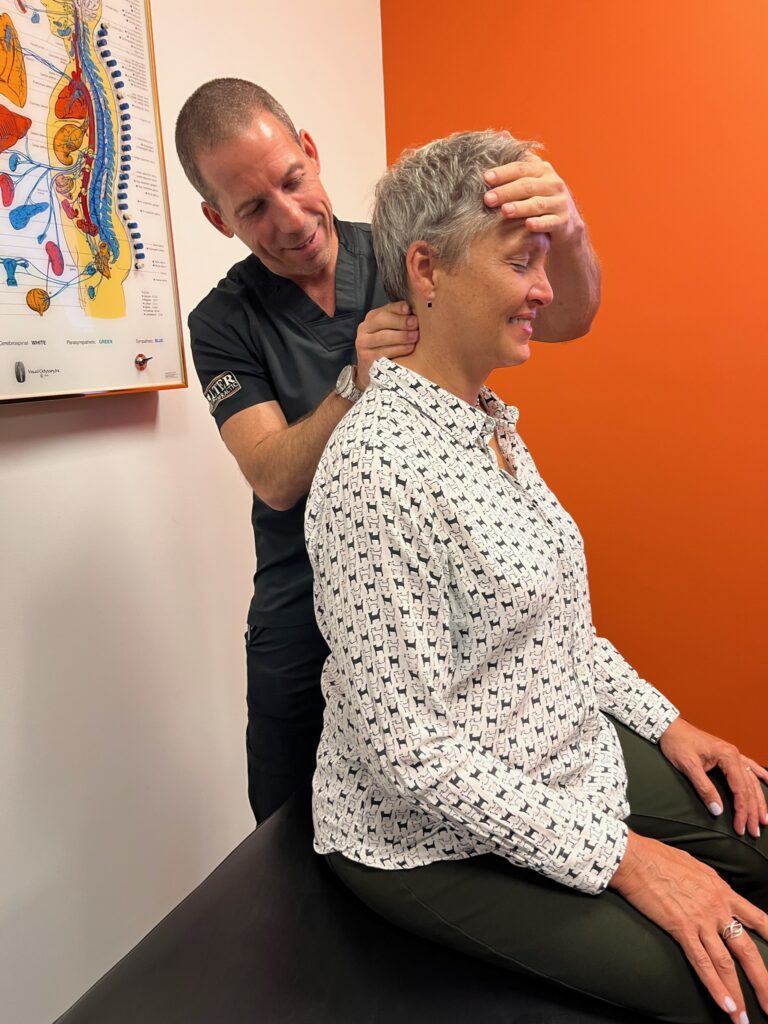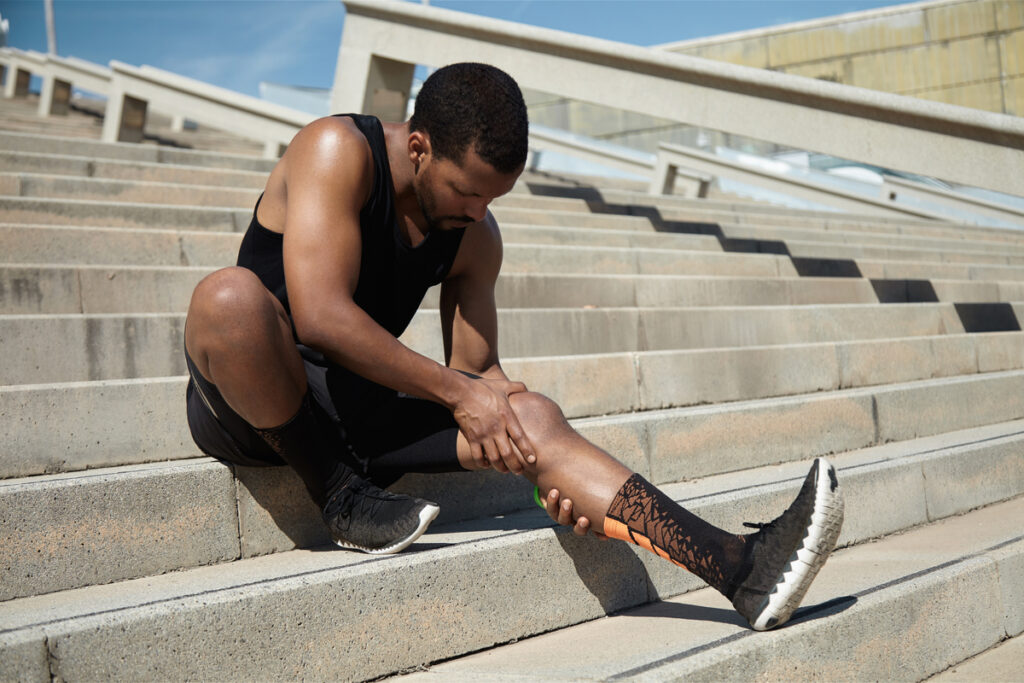
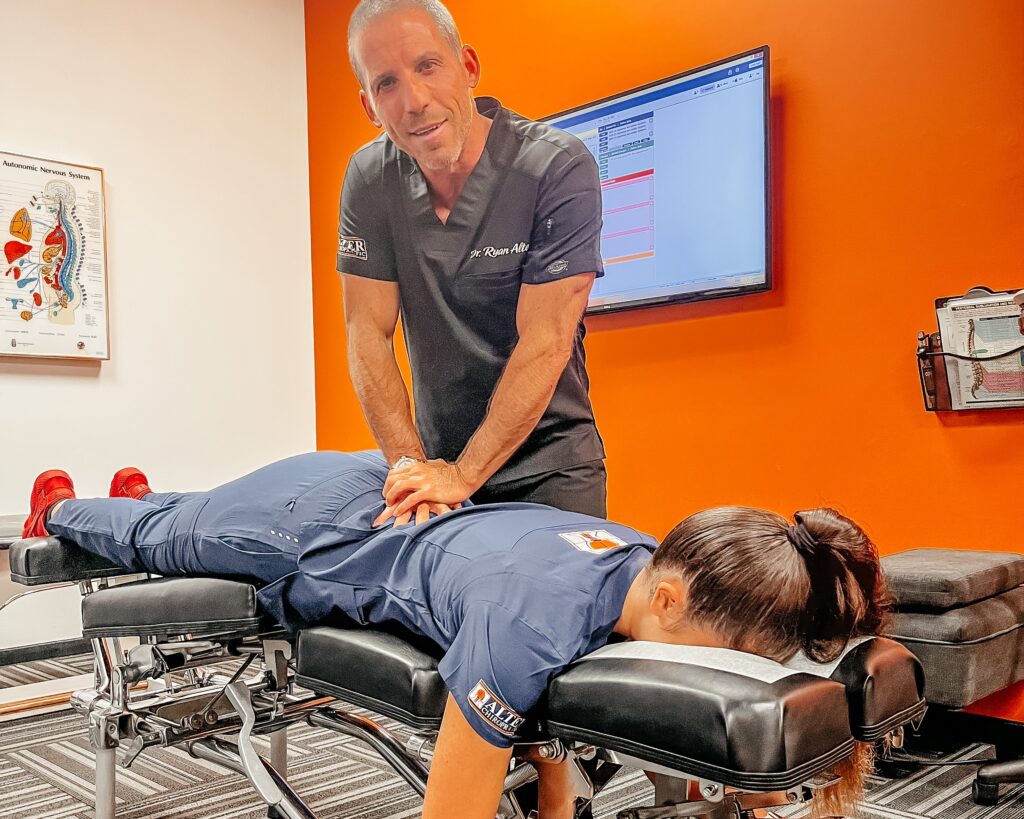

If you’re dealing with nagging hip pain that just won’t go away, you’re not alone. Many people in Delray Beach come to Alter Chiropractic frustrated because their hip discomfort interferes with daily activities like walking, exercising, or even getting a good night’s sleep. What surprises most patients is that their hip pain often isn’t caused by a single injury or accident—it’s the result of everyday habits they’ve repeated for months or years without realizing the damage being done. Understanding these hidden culprits is the first step toward finding lasting relief and breaking free from pain.
In this article, we’ll explore seven common everyday habits that may be causing or worsening your hip pain. More importantly, you’ll learn practical ways to address these issues and discover how a root-cause approach to treatment can help you achieve optimal health naturally.
What causes everyday hip pain? Hip pain from daily habits typically develops when repetitive movements, poor posture, or muscular imbalances place excessive stress on the hip joint, surrounding muscles, and connective tissues. Over time, these patterns create inflammation, restricted movement, and compensatory changes throughout the pelvis and lower body.
Table of Contents
- Sitting All Day With Poor Posture
- Sleeping in Positions That Stress Your Hips
- Constantly Crossing Your Legs
- Carrying Your Bag on One Side
- Skipping Warm-Ups Before Exercise
- Wearing the Wrong Shoes
- Ignoring Weak Glute Muscles
- How Chiropractic Care Addresses Hip Pain
- Practical Tips for Protecting Your Hips
- When to See a Chiropractor for Hip Pain
- Myths vs. Facts About Hip Pain
- Final Thoughts
- Frequently Asked Questions
- TL;DR Summary
Habit #1: Sitting All Day With Poor Posture
Prolonged sitting is one of the most common contributors to hip pain that we see at Alter Chiropractic. When you sit for extended periods—whether at a desk, in your car, or on the couch—your hip flexor muscles remain in a shortened position for hours. Over time, these muscles tighten and lose their normal flexibility, creating a pulling force on the front of your hip and pelvis.
This hip flexor tightness doesn’t just affect your hips. It changes how your pelvis tilts, which affects your lower back alignment and can lead to compensatory movement patterns throughout your entire body. Many South Florida professionals who work desk jobs discover that their hip pain is directly connected to how many hours they spend seated each day.
Poor sitting posture compounds the problem. Slouching forward, sitting with your hips lower than your knees, or leaning to one side creates uneven pressure distribution across your hip joints. The cartilage and soft tissues in your hips aren’t designed to handle constant, one-sided pressure. Over months and years, this imbalanced loading can lead to inflammation, reduced joint space, and chronic discomfort.
The muscles around your hips—including your glutes, piriformis, and hip rotators—also weaken when you sit too much. These muscles need regular activation and movement to maintain their strength and function. When they become weak and dormant, your hip joint loses crucial stability and support.
Habit #2: Sleeping in Positions That Stress Your Hips
How you position your body during sleep has a significant impact on hip health, yet most people never consider this connection. Sleeping on your side without proper support between your knees causes your top leg to fall forward and down, creating a twisting force through your pelvis and hips. This position pulls on the IT band, strains the hip abductors, and can pinch nerves or compress soft tissues.
Stomach sleeping presents different challenges for your hips. This position forces your lower back into excessive extension, which changes the angle of your hip joints and places sustained stress on the hip flexors throughout the night. If you turn your legs outward while on your stomach, you’re also rotating your hip joints in ways that can strain the joint capsules and ligaments.
Even back sleepers aren’t immune to hip stress. Sleeping flat on your back without knee support allows your hip flexors to remain in a shortened position all night long. For people who already have tight hip flexors from sitting during the day, this compounds the problem and prevents these muscles from ever getting a chance to lengthen and relax.
The quality of your mattress and pillow setup matters too. A mattress that’s too soft allows your hips to sink while your shoulders stay higher, creating a sideways curve in your spine. A mattress that’s too firm doesn’t accommodate your body’s natural contours, leading to pressure points at the hips and shoulders. Dr. Ryan Alter often discusses proper sleeping ergonomics with patients because addressing nighttime positioning can dramatically improve daytime hip comfort.
Habit #3: Constantly Crossing Your Legs
Crossing your legs while sitting might feel comfortable and natural, but this seemingly innocent habit creates significant biomechanical stress on your hips and pelvis. When you cross one leg over the other, you rotate your pelvis and create an uneven foundation for your spine. The hip on your crossed-leg side rotates internally while bearing more weight, and the opposite hip compensates by shifting position.
This asymmetrical posture tightens some muscles while overstretching others. Your piriformis muscle, which runs from your sacrum to the top of your femur, becomes particularly tight when you habitually cross your legs. A tight piriformis can compress the sciatic nerve, leading to pain that radiates from your hip down into your leg—a condition many people mistakenly attribute solely to lower back problems.
Crossing your legs also affects circulation and nerve function. The pressure created by one leg resting on the other can compress blood vessels and nerves, leading to that familiar tingling or “falling asleep” sensation. While temporary compression isn’t harmful, chronic pressure from habitual leg crossing can contribute to long-term discomfort and dysfunction.
Many patients at our Delray Beach office are surprised to learn that their habit of always crossing the same leg over is creating muscle imbalances throughout their entire kinetic chain. These imbalances don’t stay isolated to the hips—they affect how you walk, stand, and move through all your daily activities.
Habit #4: Carrying Your Bag on One Side
Whether it’s a purse, messenger bag, backpack worn on one shoulder, or laptop case, consistently carrying weight on the same side of your body creates chronic imbalances that directly affect your hips. When you carry a bag on your right shoulder, for example, you unconsciously hike that shoulder up and lean slightly to the left to counterbalance the weight. This compensation pattern travels down through your spine and into your pelvis.
Your hip on the side where you carry your bag works harder to stabilize your tilted pelvis. Over time, the muscles on that side become overworked and fatigued, while the opposite side becomes comparatively weak. This muscular imbalance changes how forces distribute through your hip joints during walking, standing, and other movements.
The weight itself matters too. Carrying a heavy bag—anything over about ten percent of your body weight—significantly increases the load your hips and spine must manage. Even if you switch sides occasionally, chronic heavy carrying creates cumulative stress that can lead to joint inflammation, muscle strain, and altered movement patterns.
Here in Delray Beach, many patients come to Alter Chiropractic with hip pain they can’t explain, only to realize that their daily routine of carrying a heavy work bag on the same shoulder has been gradually creating the problem. The solution often involves not just chiropractic adjustment to restore proper alignment, but also practical changes to how they carry and distribute weight throughout their day.
Habit #5: Skipping Warm-Ups Before Exercise
South Florida’s beautiful weather encourages an active lifestyle, which is wonderful for overall health. However, jumping straight into exercise without properly preparing your body is a common habit that significantly increases hip injury risk. Your hip joints are ball-and-socket joints that rely on surrounding muscles, tendons, and ligaments for stability and smooth movement. These tissues need adequate blood flow and activation before they can safely handle the demands of exercise.
When you skip warm-ups, your hip flexors, glutes, and hip rotator muscles aren’t ready for sudden demands. Cold, unstretched tissues have less elasticity and are more prone to strains and tears. The synovial fluid inside your hip joints—which lubricates and nourishes the cartilage—flows more freely when joints are moved through gentle ranges of motion. Without this preparation, your hip cartilage experiences more friction and wear during activity.
Dynamic movements are particularly risky without warm-ups. Activities like running, cycling, tennis, or group fitness classes all require your hips to move rapidly through large ranges of motion. If the surrounding muscles aren’t activated and coordinated, your hip joints absorb excessive impact forces. Over time, this repetitive trauma contributes to inflammation, early cartilage degeneration, and chronic pain.
Research indicates that proper warm-ups not only reduce injury risk but also improve performance and movement quality. A good warm-up increases your heart rate gradually, raises muscle temperature, activates neuromuscular pathways, and mentally prepares you for the workout ahead. Dr. Ryan Alter often teaches patients specific hip mobility exercises that serve as effective warm-ups for their favorite activities.
Habit #6: Wearing the Wrong Shoes
Your feet are your foundation, and the shoes you wear directly influence how forces travel up through your ankles, knees, and hips. Wearing unsupportive shoes, high heels, or worn-out footwear changes your biomechanics in ways that place extra stress on your hip joints. Many people don’t realize that their hip pain actually originates from poor foot mechanics created by inappropriate footwear choices.
High heels are particularly problematic for hip health. When you wear heels, your body weight shifts forward, forcing your pelvis to tilt anteriorly to maintain balance. This pelvic tilt increases the arch in your lower back and changes the angle at which your femur sits in your hip socket. Your hip flexors must work harder to stabilize this altered position, leading to tightness, fatigue, and eventually pain.
Flat, unsupportive shoes like flip-flops or completely flat ballet flats present different problems. Without arch support or cushioning, your feet can’t properly absorb shock during walking and standing. This means more impact force travels directly up into your hips with every step. Additionally, unsupportive shoes often cause your feet to roll inward excessively, a pattern called overpronation, which creates a chain reaction of internal rotation through your lower legs and hips.
Worn-out athletic shoes are another common culprit. Even quality shoes lose their cushioning and support after about 300-500 miles of use. Once the midsole compresses and the treads wear down, your shoes can no longer do their job of providing shock absorption and stability. Many active individuals in Delray Beach who exercise regularly don’t replace their athletic shoes often enough, gradually developing hip discomfort as their footwear deteriorates.
Habit #7: Ignoring Weak Glute Muscles
Your gluteal muscles—the gluteus maximus, medius, and minimus—are the powerhouse of hip stability and function. These muscles control hip extension, abduction, and rotation, and they play a critical role in maintaining pelvic alignment during all weight-bearing activities. Unfortunately, modern sedentary lifestyles have created an epidemic of weak, underactive glutes, a condition sometimes called “glute amnesia.”
When your glutes are weak, other muscles must compensate to perform movements your glutes should be controlling. Your hip flexors, lower back muscles, and hamstrings take on extra work they weren’t designed to handle. This compensation pattern creates muscle imbalances that alter your movement mechanics and place abnormal stress on your hip joints.
Weak glutes directly affect your walking and running gait. During normal walking, your glute medius on your stance leg should stabilize your pelvis and prevent your opposite hip from dropping. When this muscle is weak, your pelvis tilts with each step, creating a waddling gait pattern and forcing your hip joint to work harder to maintain stability. Over thousands of steps each day, this faulty pattern contributes significantly to hip pain and dysfunction.
The consequences extend beyond just the hips. Weak glutes are associated with increased risk of lower back pain, knee problems, and ankle instability. Your body functions as an interconnected kinetic chain, and weakness in one area creates problems throughout the entire system. Evidence indicates that targeted glute strengthening is a key component of successful treatment for many hip pain conditions.
At Alter Chiropractic, we frequently assess glute strength and activation patterns as part of our root-cause approach to hip pain. Many patients discover that rebuilding their glute strength—combined with chiropractic adjustments to restore proper joint alignment—provides the lasting relief they’ve been seeking.
How Chiropractic Care Addresses Hip Pain
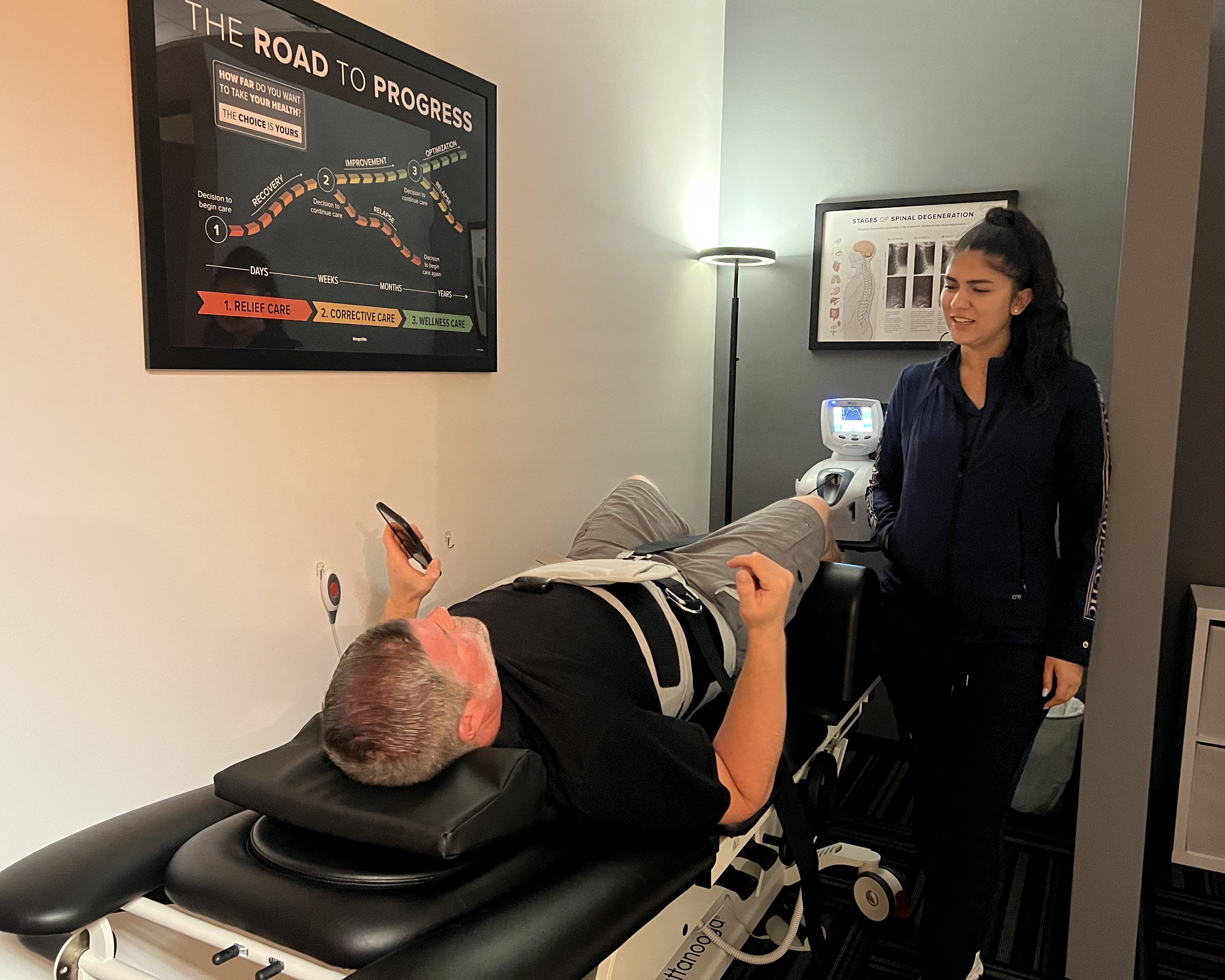
Chiropractic care offers a natural, drug-free approach to hip pain by addressing the underlying biomechanical dysfunctions that create symptoms. Rather than simply masking pain with medications or jumping to invasive procedures, chiropractors focus on restoring proper joint alignment, muscle balance, and movement patterns throughout the pelvis and lower extremities.
The hip joint doesn’t function in isolation—it’s intimately connected to your lower back, pelvis, sacroiliac joints, and knees. When one area of this system loses proper alignment or mobility, compensatory changes occur throughout the kinetic chain. A comprehensive chiropractic examination evaluates not just your hip but also how your entire musculoskeletal system is functioning together.
Chiropractic adjustments restore normal motion to restricted joints in your pelvis, lower back, and hips. When joints move properly, they experience less wear and tear, surrounding muscles can function optimally, and your nervous system receives accurate feedback about body position and movement. Many patients experience significant pain reduction after their joints are realigned and moving correctly.
At Alter Chiropractic in Delray Beach, Dr. Ryan Alter takes time to identify the root cause of each patient’s hip pain rather than offering one-size-fits-all treatment. This individualized approach means your care plan addresses your specific movement dysfunctions, muscle imbalances, and lifestyle factors contributing to your symptoms. Care may include spinal and extremity adjustments, soft tissue therapy to release tight muscles, specific exercises to strengthen weak areas, and education about ergonomic and lifestyle modifications.
The goal is always lasting relief and optimal function, not temporary symptom suppression. By empowering your body’s natural healing ability and teaching you how to maintain proper alignment and movement, chiropractic care helps you break free from chronic hip pain and return to the activities you love.
Practical Tips for Protecting Your Hips Daily
Small changes to your daily habits can make a significant difference in hip health and comfort. Start by setting a timer to remind yourself to stand and move every 30-45 minutes if you have a desk job. When you do stand up, take a moment to perform a few hip circles or gentle lunges to counteract the effects of prolonged sitting.
Invest in proper sleeping support. If you’re a side sleeper, place a pillow between your knees to keep your hips aligned and prevent your top leg from pulling your pelvis forward. Back sleepers benefit from a pillow under their knees to reduce tension on hip flexors and lower back. Choose a mattress that supports your body’s natural curves without creating pressure points.
Practice sitting with awareness. When seated, keep both feet flat on the floor with your hips at or slightly higher than your knees. Avoid crossing your legs, and if you catch yourself doing it habitually, consciously uncross them and reposition. Your lower back should maintain its natural curve—consider using a small lumbar support if your chair doesn’t provide adequate support.
Distribute weight evenly when carrying bags or items. Switch which shoulder carries your bag regularly, or better yet, use a backpack worn on both shoulders. Keep carried weight to a minimum and regularly clean out your bag to remove unnecessary items adding extra pounds.
Warm up before any physical activity. Spend at least five to ten minutes performing dynamic stretches and movements that take your hips through their full range of motion. Include exercises like leg swings, hip circles, walking lunges, and gentle squats. This preparation dramatically reduces injury risk and improves performance.
Choose footwear based on the activity and duration. Save high heels for special occasions, and limit wearing them for extended periods. For daily wear, choose shoes with good arch support and adequate cushioning. Replace athletic shoes regularly based on mileage, not just appearance. If you have specific foot issues like flat feet or high arches, consider custom orthotics to optimize your foundation.
Incorporate glute strengthening into your routine. Exercises like bridges, clamshells, side-lying leg lifts, and single-leg deadlifts specifically target glute muscles. Even a few minutes of targeted glute work several times per week can rebuild strength and improve hip stability significantly.
When to See a Chiropractor for Hip Pain
Not all hip discomfort requires professional intervention, but certain signs indicate it’s time to seek evaluation and treatment. If your hip pain persists for more than a few weeks despite rest and self-care measures, professional assessment can identify underlying issues before they worsen. Early intervention typically leads to faster recovery and prevents chronic problems from developing.
Pay attention to pain that interferes with daily activities or sleep. If your hip discomfort prevents you from walking comfortably, climbing stairs, getting in and out of your car, or sleeping through the night, these are clear signals that the problem needs professional attention. You shouldn’t have to modify your life around persistent pain.
Sharp, sudden pain or pain accompanied by clicking, popping, or catching sensations in your hip warrants evaluation. These symptoms may indicate issues with the joint itself, such as labral tears or cartilage damage, that benefit from early conservative treatment. While chiropractic care can’t repair torn structures, it can optimize joint function and reduce compensatory stress that makes symptoms worse.
Be aware of red flags that require immediate medical evaluation. Severe hip pain following a fall or injury, inability to bear weight on the affected leg, visible deformity, fever accompanying hip pain, or hip pain with loss of bowel or bladder control require urgent medical attention. These symptoms may indicate fractures, infections, or serious neurological issues that need different types of care.
Consider chiropractic evaluation if you’ve tried conventional treatments without success. Many patients come to Alter Chiropractic after months of taking pain medications, receiving cortisone injections, or undergoing physical therapy that provided only temporary relief. A root-cause approach that addresses alignment, biomechanics, and movement patterns often succeeds where symptom-focused treatments have failed.
Hip Pain: Common Habits vs. Better Alternatives
| Harmful Habit | Impact on Hips | Better Alternative |
|---|---|---|
| Sitting for 8+ hours with slouched posture | Tightens hip flexors, weakens glutes, creates pelvic imbalance | Stand and move every 30-45 minutes, maintain neutral spine, use ergonomic chair setup |
| Side sleeping without knee support | Allows top leg to pull pelvis forward, strains IT band and hip abductors | Place firm pillow between knees, consider body pillow for full support |
| Habitually crossing same leg over | Rotates pelvis asymmetrically, tightens piriformis, compresses nerves | Keep both feet flat on floor, ankles at 90 degrees, switch positions regularly |
| Carrying heavy bag on one shoulder daily | Creates lateral pelvic tilt, overworks one hip stabilizer, causes muscle imbalance | Use backpack on both shoulders, minimize carried weight, switch sides frequently |
| Starting exercise without warm-up | Increases injury risk to cold tissues, reduces joint lubrication, strains unprepared muscles | Perform 5-10 minute dynamic warm-up with hip-specific movements |
| Wearing high heels or flat unsupportive shoes | Alters pelvic tilt, increases impact forces, changes hip joint angles | Choose supportive shoes with proper arch, cushioning, and appropriate heel height |
| Sedentary lifestyle with weak glutes | Reduces hip stability, forces compensation from other muscles, alters gait mechanics | Include targeted glute exercises 3-4 times weekly, stay generally active |
Myths vs. Facts About Hip Pain
Myth: Hip pain always means you have arthritis or need surgery
Fact: Most hip pain results from muscle imbalances, joint restrictions, and movement dysfunctions that respond well to conservative care. Research suggests that non-surgical approaches should be the first line of treatment for most hip conditions. Many people achieve complete relief through chiropractic care, exercise, and lifestyle modifications without ever needing invasive procedures.
Myth: Rest is the best treatment for hip pain
Fact: While acute injuries may require brief rest periods, prolonged rest typically worsens hip pain by allowing muscles to weaken and joints to stiffen. Controlled movement, proper exercise, and gradual return to activity are essential for recovery. The key is finding the right balance between rest and appropriate activity under professional guidance.
Myth: Hip pain is just a normal part of aging that you must accept
Fact: Age-related changes do occur in hip joints, but pain is not an inevitable consequence of getting older. Many older adults maintain healthy, pain-free hips through proper movement, strength maintenance, and addressing biomechanical issues early. Pain is your body’s signal that something needs attention, not a condition you must simply endure.
Myth: If chiropractic adjustments help, you’ll need treatment forever
Fact: The goal of chiropractic care is to address the root cause of dysfunction and empower you with tools to maintain your own health. Initial treatment phases involve more frequent visits to correct accumulated problems, but most patients transition to occasional maintenance care or become able to self-manage with proper education and home exercises.
Myth: You should wait until hip pain becomes severe before seeking treatment
Fact: Early intervention typically leads to faster, more complete recovery with less intensive treatment needed. Waiting until pain is severe often means more damage has accumulated, compensatory patterns have become entrenched, and longer treatment courses are necessary. Addressing hip discomfort early prevents minor problems from becoming chronic conditions.
Final Thoughts from Your Delray Beach Chiropractic Team
Hip pain doesn’t have to control your life or limit your ability to enjoy the active South Florida lifestyle. Many of the habits causing your discomfort are within your power to change, and with the right guidance, you can break free from chronic pain naturally. At Alter Chiropractic in Delray Beach, we’ve helped countless patients discover that their hip pain had a treatable root cause—often connected to the everyday habits we’ve discussed in this article.
Dr. Ryan Alter and our entire team believe in empowering you with both hands-on care and practical knowledge. When you understand what’s causing your symptoms and learn how to protect your hips through better daily habits, you become an active participant in your own healing rather than a passive recipient of temporary fixes. That’s how we achieve real, lasting results.
If you’re ready to find natural solutions to your hip pain and discover what’s really causing your discomfort, we’re here to help. Our comprehensive approach looks beyond just symptoms to identify and treat the underlying biomechanical dysfunctions creating your pain. Break free from hip pain and achieve optimal health—naturally. Reach out to Alter Chiropractic in Delray Beach, where South Florida families find real answers.
Frequently Asked Questions
Can sitting too much really cause permanent hip damage?
Prolonged sitting creates muscle imbalances and joint stress that can lead to chronic pain and dysfunction if not addressed. While the changes aren’t necessarily permanent, they become more difficult to reverse the longer harmful patterns continue. The good news is that with proper intervention, movement restoration, and habit changes, most sitting-related hip problems can be successfully resolved.
How long does it typically take to see improvement in hip pain with chiropractic care?
Response time varies based on how long the problem has existed, the underlying cause, and individual factors. Many patients notice some improvement within the first few visits, with significant relief often occurring within 4-8 weeks of consistent care. Chronic conditions that developed over years generally require longer treatment courses than acute problems, but progress is typically steady when patients follow their care plan.
Is it safe to exercise if I have hip pain?
Appropriate exercise is usually beneficial for hip pain, but the key word is appropriate. Certain movements may need to be modified or temporarily avoided while others can help restore function and reduce pain. A chiropractor or qualified healthcare provider can assess your specific situation and recommend safe, effective exercises that support healing rather than aggravating the problem.
Can chiropractic care help hip pain if I’ve already been diagnosed with hip arthritis?
Yes. While chiropractic care cannot reverse arthritis or regenerate damaged cartilage, it can significantly improve function and reduce pain for many people with hip arthritis. By optimizing joint alignment, improving mobility in surrounding areas, and addressing compensatory movement patterns, chiropractic treatment helps arthritic hips function better and often slows progression of degenerative changes.
What’s the difference between hip bursitis and other types of hip pain?
Hip bursitis involves inflammation of the fluid-filled sacs that cushion your hip joint, typically causing pain on the outside of the hip that’s worse when lying on that side or climbing stairs. Other hip pain may originate from the joint itself, surrounding muscles, the lower back, or the sacroiliac joint. Proper diagnosis through examination and sometimes imaging helps determine the specific source of pain and the most effective treatment approach.
Should I use ice or heat for hip pain?
Ice is generally better for acute injuries or inflammation, helping reduce swelling and numb sharp pain. Heat works well for chronic muscle tightness and stiffness, increasing blood flow and relaxing tissues. Many people benefit from contrast therapy, alternating between ice and heat, but the best approach depends on your specific condition. Your chiropractor can provide personalized recommendations based on what’s causing your hip pain.
TL;DR Summary
- Seven everyday habits commonly cause hip pain: prolonged sitting with poor posture, improper sleeping positions, crossing legs habitually, carrying bags on one side, skipping exercise warm-ups, wearing unsupportive footwear, and ignoring weak glute muscles.
- These habits create muscle imbalances, joint stress, and altered movement patterns that lead to chronic hip discomfort over time.
- Chiropractic care addresses hip pain by treating root causes—restoring proper alignment, improving joint function, and correcting biomechanical dysfunctions throughout the pelvis and lower body.
- Simple daily changes like taking movement breaks, using proper sleeping support, choosing appropriate footwear, and strengthening your glutes can significantly reduce hip pain.
- Seek professional evaluation if hip pain persists beyond a few weeks, interferes with daily activities, or doesn’t improve with self-care measures—early intervention typically leads to faster, more complete recovery.