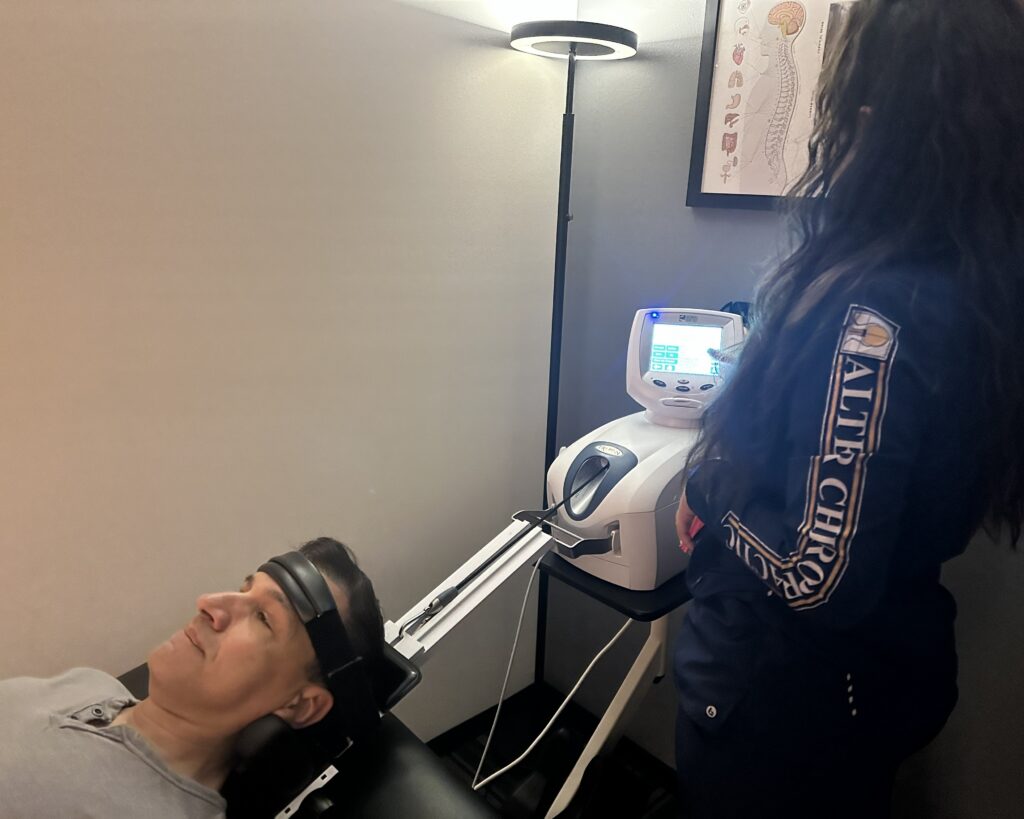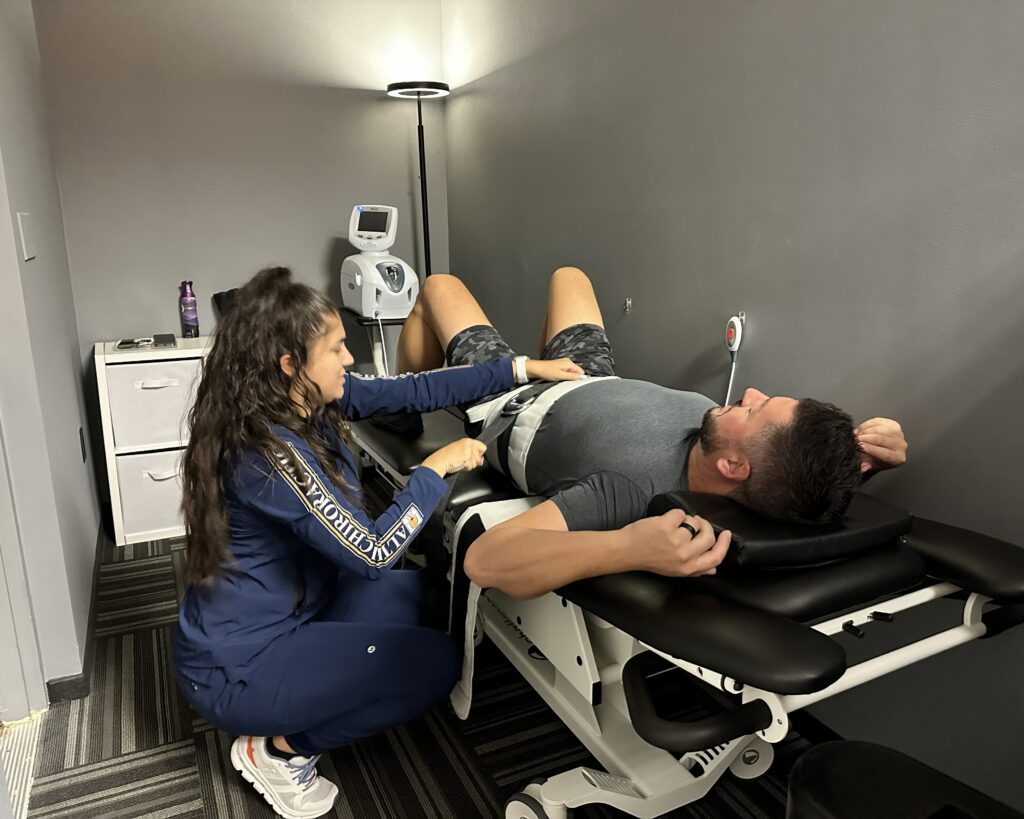

If you're navigating the challenges of ADHD with your child, it's important to know that you're not alone. As a local chiropractor, I want to share some insights on how chiropractic care and natural healing approaches can make a significant difference in your child's daily life and overall well-being.
By focusing on holistic strategies, such as establishing structured routines and incorporating mindfulness techniques, we can provide relief that supports their physical and emotional health. Each of these approaches can enhance focus, improve emotional regulation, and even boost social interactions.
As you consider these methods, you might be curious about how chiropractic care can fit into your child's treatment plan and which techniques will resonate most with them. Let's delve deeper into how these natural healing strategies can support your child's journey with ADHD.
Establish a Routine
Creating a daily routine can be transformative for children with ADHD, and as a chiropractor, I understand the importance of establishing a consistent framework for overall well-being. Just like how our bodies thrive on routine through proper alignment and care, kids with ADHD benefit from having a structured schedule. A predictable routine can help them feel secure and focused, reducing distractions that can hinder their attention and motivation.
To start, identify the key activities that your child needs to accomplish each day—such as school, homework, chores, and leisure time. Just as we prioritize spinal health and regular adjustments, it's crucial to prioritize these daily tasks.
Next, consider breaking these activities down into a structured timeline. Using visual aids like charts or calendars can make the routine more engaging. Visuals not only help your child anticipate what's next but can also reduce anxiety—similar to how chiropractic adjustments can alleviate stress and tension in the body.
Involve your child in the process. Ask them what they'd like to include in their routine and how they feel about the time allocated for each task. This collaboration fosters a sense of ownership and commitment to their daily schedule, much like how patients who take an active role in their chiropractic care tend to see better outcomes.
Flexibility is essential. Life can be unpredictable, and it's okay to adjust the routine as needed. Encourage your child to adapt when things don't go as planned. This adaptability can teach valuable problem-solving skills, just as patients learn to listen to their bodies and adjust their activities based on their health needs.
Finally, celebrate achievements, no matter how small. Acknowledging their efforts reinforces positive behavior and motivates them to stick to their routine, similar to how celebrating progress in chiropractic care reinforces the importance of maintaining spinal health.
Break Tasks Into Steps
Breaking tasks into steps can make your journey to better health feel more manageable. As a chiropractor, I often see patients who feel overwhelmed by their pain or recovery process.
By breaking down your healing journey into smaller, actionable steps, you can track your progress and stay motivated. Utilizing visual aids, such as charts to monitor your improvement or checklists to remember exercises and self-care routines, can be incredibly helpful.
Additionally, setting clear deadlines for your treatment goals keeps you on track and focused. Let's explore how these strategies can enhance your understanding of chiropractic care and support your overall well-being.
#
Use Visual Aids
Using visual aids can significantly enhance understanding for patients new to chiropractic care, making the processes feel more approachable and manageable. When we break down treatment plans into smaller, clear steps, visual aids like charts, diagrams, or checklists can be incredibly beneficial. They provide a straightforward representation of what to expect, allowing patients to focus on one aspect of their care at a time.
For example, if you're beginning a treatment program, we can create a checklist that outlines each phase—initial assessment, treatment options, exercises, and follow-up appointments. Incorporating colors or symbols can make this information even more engaging. A vibrant chart can draw your attention and serve as a helpful reminder of what needs to be done throughout your healing journey.
We can also utilize visual timers to indicate how long you should spend on specific exercises or stretches. This not only helps keep you on track but also adds an element of urgency and excitement to your healing process.
I encourage you to create your own visual aids as well. This involvement fosters a sense of ownership over your health and makes the recovery process more enjoyable.
Set Clear Deadlines
Setting clear deadlines can greatly enhance how individuals with ADHD approach their health and wellness, making their journey feel more manageable and less overwhelming. Instead of trying to tackle everything at once, it's beneficial to break down your wellness goals into smaller, actionable steps. Each step should have its own timeline, which helps maintain focus and motivation.
Begin by identifying your overall health objectives. Then, outline the smaller tasks that contribute to that goal. For instance, if you're looking to improve your spinal health, you might break it down into steps like scheduling an initial consultation, attending regular adjustments, incorporating exercises, and maintaining a healthy lifestyle. Assign a realistic deadline for each task to ensure you stay on track.
Utilizing a visual planner or a checklist can help you monitor these timelines. You'll be able to visualize your progress, which not only boosts your confidence but also makes your health goals feel less daunting.
Remember to celebrate each small achievement as you complete each step; this reinforces positive behavior and keeps you engaged in your healing process. By taking it one step at a time, you'll find that your journey towards better health can be both rewarding and fulfilling.
## Use Visual Aids
Visual aids can be incredibly effective tools for helping individuals understand the benefits of chiropractic care and natural healing. By incorporating images, charts, and diagrams into our discussions, I can make complex concepts more engaging and easier to grasp. For instance, when explaining how spinal alignment affects overall health, a visual representation of the spine can illustrate the connection between structure and function.
Consider using color-coded materials to differentiate between various treatment modalities or health benefits. Assigning specific colors to categories such as pain relief, improved mobility, and wellness can help you quickly identify which aspects of chiropractic care you might want to focus on. This method not only enhances understanding but also makes the learning experience more visually appealing.
When discussing new treatment techniques, diagrams and illustrations can simplify complex ideas. Visualizing how adjustments work can help you retain and comprehend the information better. Additionally, creating visual schedules that outline your treatment plan can provide a sense of structure and predictability, which is especially beneficial for those new to chiropractic care.
Furthermore, progress charts can motivate you to stay committed to your treatment. By visually tracking your improvements, you'll feel a sense of accomplishment, reinforcing your dedication to your health journey.
Create a Distraction-Free Zone
Creating a distraction-free zone can significantly enhance focus and productivity, particularly for children with ADHD. As a local chiropractor, I often emphasize the importance of an optimal environment for overall well-being, including mental clarity and concentration.
First, select a quiet area in your home that minimizes noise and interruptions. This space should be dedicated solely to studying or completing tasks, helping your child develop an association between this environment and focused work.
Next, it's crucial to eliminate potential distractions. A clutter-free space can promote a sense of calm, which is beneficial for mental health. Limit the presence of unnecessary technology, such as phones and tablets, which can divert attention. An organized environment not only supports focus but also reflects a clear mind.
Consider the sensory aspects of the environment as well. Soft lighting can help reduce glare and create a soothing atmosphere, while noise-canceling headphones or gentle background music can minimize disruptive sounds. These elements contribute to a more conducive environment for concentration.
Comfortable seating and an appropriately sized desk are also vital. Proper posture is essential for maintaining focus and reducing physical discomfort, which can be a distraction in itself. Additionally, you might incorporate sensory tools like stress balls or fidget spinners, but be mindful of how these can also lead to distractions if not used wisely.
Finally, it's important to establish clear boundaries for this space. Make it known that this zone is designated for work and focus time only. Consistency in using this space for productive activities can help reinforce the habit of concentration.
Implement Positive Reinforcement
As a local chiropractor, I want to share how implementing positive reinforcement in your daily routines can significantly enhance your well-being and overall health.
Just as we reward desired behaviors in children, recognizing and celebrating your own achievements—no matter how small—can lead to a more positive mindset. Setting clear health goals and acknowledging your progress gives you a sense of direction on your journey to wellness.
Furthermore, consistent self-praise and encouragement not only boost your confidence but also motivate you to continue making healthy choices. Embracing this approach can complement your chiropractic care and support your path to natural healing.
Reward Desired Behaviors
Rewarding desired behaviors through positive reinforcement plays a significant role in managing conditions like ADHD, and this principle can also be applied to promote overall wellness in chiropractic care. As a chiropractor, I encourage patients and their families to recognize and reward healthy habits that contribute to physical and mental well-being.
When you acknowledge and reward your child for engaging in positive health behaviors, such as maintaining good posture, participating in physical activities, or practicing relaxation techniques, you create an environment that fosters continued engagement in these behaviors. For example, if your child takes the initiative to do their stretches after a chiropractic adjustment, celebrate that achievement!
Start by identifying specific health behaviors you want to reinforce. Be explicit about what you're rewarding to help your child grasp the expectations. If they remember to drink enough water daily, recognize that effort with praise or a small treat!
Incorporating tangible rewards can also enhance motivation. Simple incentives like stickers, tokens for a family activity, or extra time outdoors can be effective. It's essential to provide these rewards immediately following the desired behavior, allowing your child to make a clear connection between their actions and the positive outcomes.
Consistency is crucial. The more consistently you reward these healthy behaviors, the more likely your child will want to repeat them. Keep the process enjoyable and engaging, allowing them to have a say in some of the rewards. This not only motivates them but also fosters a sense of responsibility towards their health.
Set Clear Expectations
Establishing clear expectations in your approach to chiropractic care can significantly enhance your understanding of the treatment process and the benefits it can offer. Just as children with ADHD thrive in structured environments, your body can respond positively when you have a clear understanding of what to expect from your chiropractic journey.
When you visit a chiropractor, it's important to communicate your health goals and concerns in straightforward terms. For instance, you might say, "I want to improve my back pain and increase my mobility." This allows your chiropractor to develop a tailored treatment plan that aligns with your specific needs.
Setting guidelines for your chiropractic sessions can also help establish a routine. For example, you might agree to attend appointments weekly for a month, followed by an assessment of your progress. This clarity helps you stay focused on your healing journey.
It can be beneficial to keep a written record of your treatment plan and progress, which you can refer to regularly. Having visual reminders of your goals and milestones can reinforce your commitment to the healing process and keep you engaged.
Additionally, when you notice improvements in your health or experience relief from discomfort, it's essential to acknowledge these successes. While we'll discuss the role of positive reinforcement in the next topic, recognizing your achievements at this stage boosts your confidence and motivates you to continue your chiropractic care.
Embracing this journey with clear expectations will empower you to take charge of your health and well-being.
Consistent Praise and Encouragement
As a local chiropractor, I want to emphasize the significance of setting expectations in your wellness journey, especially when it comes to children with ADHD. Consistent praise and encouragement can greatly enhance their experience with chiropractic care.
When your child achieves even the smallest milestones, it's essential to celebrate those accomplishments. This positive reinforcement not only motivates them but also encourages them to persevere, particularly when facing challenges.
Make it a regular practice to acknowledge their efforts. Simple affirmations like "Great job!" or "I'm so proud of you!" can significantly boost their self-confidence and reinforce their sense of progress. This approach helps them realize that their hard work is recognized and valued, nurturing a positive mindset.
Additionally, consider implementing a reward system to highlight their milestones. For example, you could set up a chart where they can track their achievements and earn small rewards for reaching specific goals.
This not only keeps them engaged in their healing journey but also fosters a sense of ownership over their progress, making the chiropractic experience even more rewarding. Together, we can create a supportive environment that empowers your child on their path to wellness.
Encourage Physical Activity
As a local chiropractor, I understand the profound impact that physical activity has on overall health and wellness, particularly for children managing ADHD symptoms.
Regular exercise isn't only vital for physical well-being but also plays a crucial role in enhancing concentration and minimizing impulsivity. It's an enjoyable way to cultivate healthy habits that can last a lifetime.
Here are some effective strategies to promote physical activity for your children:
- Discover Their Interests: Encourage your child to explore various activities like soccer, dance, or swimming. When they engage in something they love, they're more likely to remain committed to it.
- Establish a Routine: Create a consistent schedule for physical activity. A structured routine can help children understand what to expect, which is particularly beneficial in managing ADHD symptoms.
- Participate Together: Get involved in physical activities as a family! Whether it's going for walks, playing catch, or biking, your active participation not only sets a positive example but also strengthens familial bonds.
- Promote Team Sports: Encourage your child to join team sports. These activities not only enhance physical fitness but also foster valuable social skills and teamwork. Look for local leagues or clubs that align with your child's interests and capabilities.
By integrating regular physical activity into your child's life, you can help them harness their energy, improve focus, and support their overall health.
As a chiropractor, I encourage you to consider the holistic benefits of an active lifestyle in conjunction with chiropractic care for comprehensive wellness.
Foster Open Communication
Fostering open communication with your child is essential, especially when it comes to managing ADHD symptoms. As a local chiropractor, I often see the benefits of a supportive environment for both physical and mental health. When your child feels comfortable sharing their thoughts and feelings, it creates a space where they can express their struggles without the fear of judgment.
Start by actively listening to your child. Show genuine interest in their experiences and validate their emotions. This practice not only builds trust but also encourages them to open up more about how they're feeling, which can be crucial for their overall well-being.
Designate regular times for conversations—perhaps during family dinners or before bed. Use this opportunity to discuss their day, any challenges they faced, and what brought them joy. Ask open-ended questions that invite deeper dialogue. For instance, instead of simply asking, "Did you have a good day?" consider asking, "What was the highlight of your day?" This approach encourages your child to share more than just a short answer and can lead to meaningful discussions.
Pay attention to your tone and body language. Ensure you're approachable and calm, as this will help your child feel safe to express themselves. When they do share, resist the urge to interrupt or immediately offer solutions; often, they just need someone to listen and understand.
It's also important to encourage your child to discuss their needs and concerns regarding their ADHD. This empowerment can make them feel more in control of their situation.
Limit Screen Time
As a local chiropractor, I often see how lifestyle choices impact overall health, especially in children with ADHD.
One important adjustment families can make is to limit screen time. Reducing exposure to screens can significantly enhance focus and concentration in kids. By setting daily limits, you can help your child engage more fully in their surroundings and reduce distractions.
Encouraging outdoor activities is also crucial. Physical movement not only helps burn off excess energy but also promotes better spinal health and overall well-being.
Additionally, introducing reading as an alternative to screen time can ignite their imagination and creativity, all while keeping their minds active without the overstimulation that screens often provide.
Set Daily Limits
As a chiropractor, I often see how lifestyle choices, including screen time, can impact overall health and well-being, particularly for those managing conditions like ADHD.
Excessive screen time can lead to overstimulation, which may aggravate symptoms and affect focus. By setting daily limits on screen time, you can help maintain balance and promote a healthier lifestyle.
Here are four straightforward steps to establish effective daily limits:
- Determine a Time Frame: Consider how much screen time is suitable for you or your child each day. A general guideline is to limit recreational screen use to no more than 1-2 hours.
- Establish a Schedule: Create designated times for screen use, such as after completing daily activities like exercise or chores. This routine can help promote a sense of order and focus.
- Utilize a Timer: Implement a timer to indicate when it's time to take a break from screens. This can facilitate a smoother transition away from digital devices, minimizing resistance.
- Monitor Content: Choose age-appropriate and educational material. This ensures that even when screen time is limited, it remains constructive and beneficial for learning and development.
Encourage Outdoor Activities
As a local chiropractor, I want to highlight the importance of encouraging outdoor activities, particularly for children with ADHD. Engaging in physical activities outside can be an effective way for these kids to channel their energy positively while reducing their reliance on screens. Nature provides an enriching environment where children can explore, play, and connect with their surroundings, which is beneficial for their overall health.
Activities such as biking, hiking, or playing sports not only promote physical fitness but also enhance focus and elevate mood through the benefits of exercise. As a chiropractor, I understand how movement and physical activity can support spinal health and overall well-being, making outdoor play even more crucial.
To ensure that outdoor time is enjoyable and engaging, I recommend involving your child in selecting activities that appeal to them. Whether it's playing tag at a local park or creating an obstacle course in your backyard, allowing them to make choices can significantly boost their enthusiasm. Aim for at least an hour of outdoor play each day, as this can help minimize restlessness and improve attention, which is key for their development.
Joining your child in these activities can also be beneficial. Your participation not only shows encouragement but also helps build a stronger bond, making outdoor experiences more enjoyable for both of you. Additionally, consider involving friends or family members in these activities; this fosters social skills and teamwork, which are vital for personal growth.
By prioritizing outdoor activities, you aren't only promoting a balanced lifestyle that limits screen time, but you're also supporting your child's physical and mental health. As a chiropractor, I can assure you that these activities will contribute positively to your child's overall development and can complement any chiropractic care they may receive.
Let's work together to cultivate healthy habits that support their journey towards well-being.
Promote Reading Alternatives
As a local chiropractor, I understand the importance of holistic approaches to well-being, especially for children with ADHD. Just as we seek to reduce reliance on medication or screen time for managing symptoms, we can explore engaging alternatives that promote cognitive engagement and overall health.
Here are some reading alternatives that not only support mental focus but also foster a love for learning:
- Audiobooks: Encourage your child to listen to stories. This method can enhance their comprehension and imagination while reducing the stress of traditional reading. It's an excellent way to relax and engage the mind without the strain of reading text.
- Graphic Novels: These visually appealing formats combine art with storytelling, making it easier for children to remain captivated. The illustrations can serve as a powerful motivator, helping them develop an interest in narratives.
- Interactive Reading Apps: While screen time is still involved, consider apps that are specifically designed to promote reading through interactive features like quizzes and games. This turns reading into an engaging activity rather than a passive one, stimulating cognitive function.
- Storytelling Sessions: Create family storytelling nights at home. Sharing stories aloud not only strengthens family bonds but also cultivates a communal experience that encourages children to express themselves and develop an appreciation for literature.
Incorporating these alternatives not only supports your child's reading journey but also aligns with a natural approach to enhancing their focus and well-being.
As we explore these options, we can nurture a love for learning while promoting a healthier lifestyle.
Practice Mindfulness Techniques
As a chiropractor, I often see how practicing mindfulness techniques can significantly benefit individuals, including children with ADHD, in managing their symptoms naturally. Mindfulness encourages a focus on the present moment, helping to reduce distractions and improve attention—key aspects of maintaining overall well-being.
One of the simplest ways to start is through breathing exercises. I recommend finding a comfortable seated position, closing your eyes, and taking deep, intentional breaths. Inhale slowly through your nose, hold for a moment, and then exhale gently through your mouth. Dedicating just a few minutes each day to this practice can help ground you and create a sense of calm, which is important for both mental and physical health.
Another technique I find particularly effective is body scanning. This practice involves lying down in a quiet space, closing your eyes, and shifting your focus to different parts of your body, starting from your toes and moving upward to your head. Pay attention to any tension you may be holding and consciously relax those areas. This exercise not only helps you connect with your body, but it also enhances your awareness of physical sensations, making it easier to control impulsive behaviors.
Engaging in mindful activities, such as drawing or coloring, can also be beneficial. As you immerse yourself in the colors and patterns, you're naturally directed inward, promoting relaxation and concentration. Aim to be fully present during these activities, allowing distractions to fade away.
Lastly, I encourage you to practice gratitude. At the end of each day, take a moment to jot down three things you're grateful for. This simple exercise can shift your mindset positively and improve your overall emotional well-being.
Seek Professional Support
While mindfulness techniques can be beneficial, seeking professional support from a chiropractor can also play a crucial role in helping kids with ADHD. Chiropractors understand the connection between the spine, nervous system, and overall health, and they can provide tailored strategies that may support your child's well-being.
By addressing any underlying physical issues, chiropractors can help create a more balanced environment for your child to thrive.
Here are four key reasons to consider chiropractic care:
- Holistic Assessment: A chiropractor can assess your child's physical condition and identify any misalignments or tension in the body that may be contributing to their ADHD symptoms. This comprehensive evaluation can help rule out other physical issues impacting their behavior and learning.
- Customized Treatment Plans: Chiropractors develop individualized treatment plans that may include spinal adjustments, exercises, and lifestyle recommendations specifically designed to suit your child's unique needs.
- Improved Functionality: Chiropractic care often focuses on enhancing overall functionality by promoting better posture, coordination, and balance. These improvements can be vital for your child's success in school and daily activities.
- Family-Centered Care: Chiropractic support extends beyond just the child; it includes the entire family. By providing education and resources, chiropractors can help families create a healthier environment, fostering better communication and supportive practices at home.
Incorporating chiropractic care into your child's journey can be a valuable component in managing ADHD and enhancing their overall quality of life.
Conclusion
As a local chiropractor, I want to share some valuable insights on how we can support children with ADHD through natural healing approaches. By implementing these strategies, we can help your child find relief and thrive. Establishing consistent routines, breaking tasks into manageable steps, and creating a distraction-free workspace are all important aspects of managing ADHD.
Incorporating mindfulness techniques can also be beneficial, helping children to center themselves and improve focus. Additionally, seeking professional support, such as chiropractic care, can play a significant role in enhancing your child's overall well-being. Chiropractic adjustments can help alleviate physical stressors that may contribute to ADHD symptoms, ultimately fostering better emotional health.
With your guidance and encouragement, your child can develop focus, confidence, and emotional resilience. Together, we can navigate the challenges of ADHD and celebrate every bit of progress along the way! If you have any questions about how chiropractic care can aid in this journey, I'm here to help you explore those options.