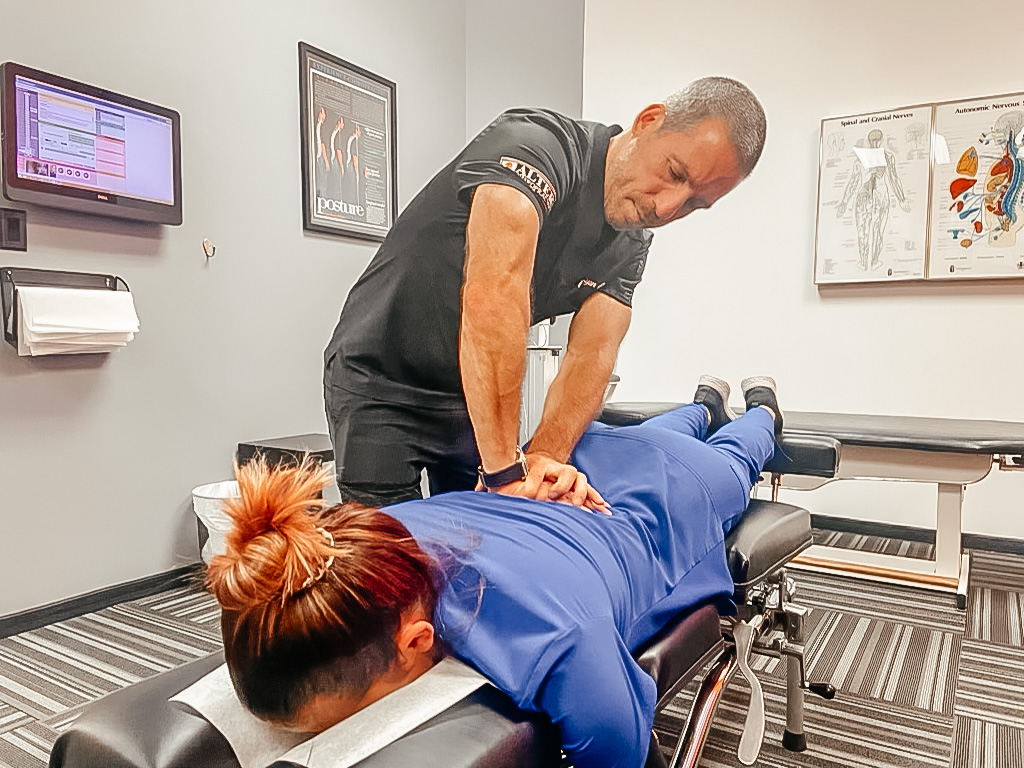
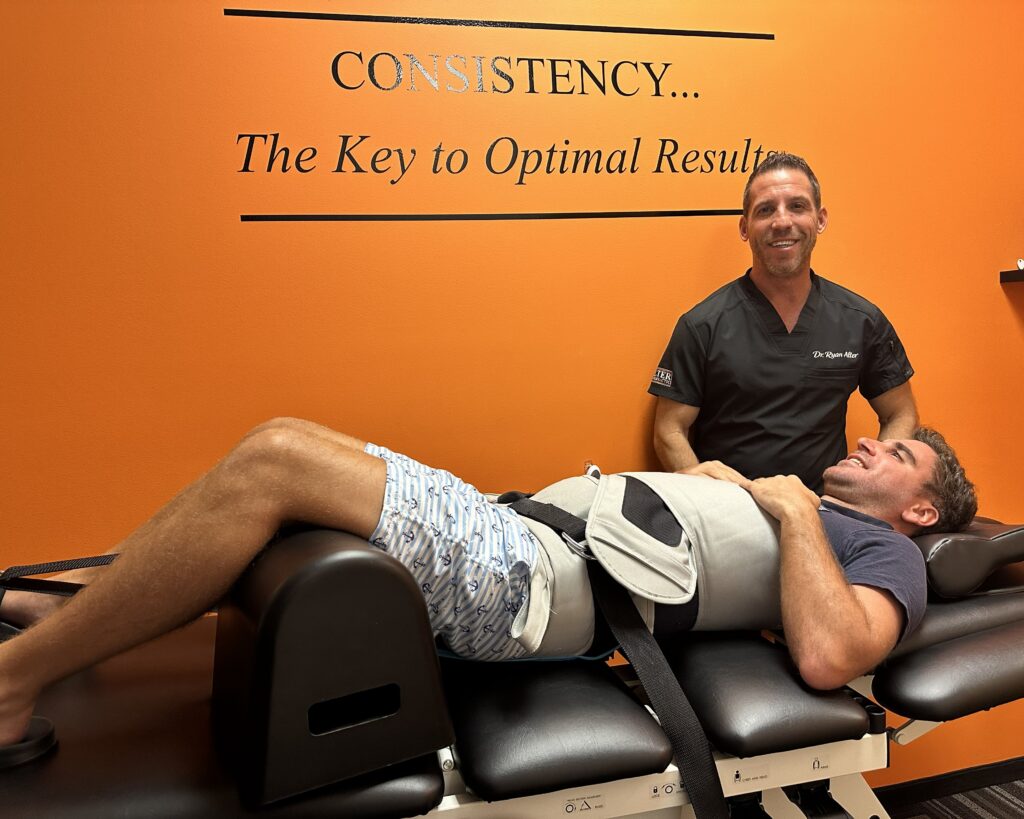
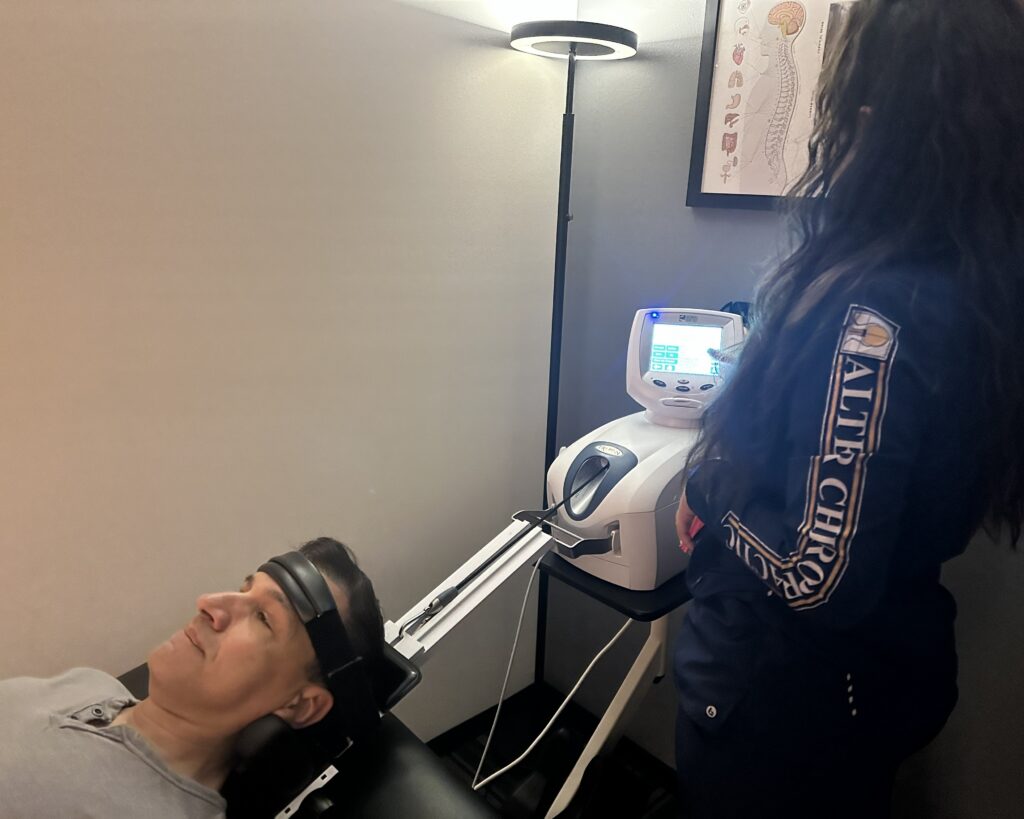
If you're experiencing sports-related back pain, it's crucial to address it not only for your athletic performance but also for your overall health. As a local chiropractor, I want to help you understand the importance of identifying the root cause of your discomfort. This pain could stem from muscle strain, improper techniques, or even postural issues. By pinpointing the source, we can work together to develop a tailored approach to your recovery.
Once we understand the cause, I recommend incorporating effective stretching techniques to enhance your flexibility. These stretches can alleviate tension and promote healing. However, that's just the beginning of your journey. There's one more essential step that can significantly impact your recovery and future athletic performance—building a strong foundation for your back through chiropractic care.
In our sessions, I will guide you through specific adjustments and exercises designed to strengthen your back and improve your overall alignment. This holistic approach will not only help relieve your current pain but also prevent future issues, allowing you to perform at your best. Let's work together to ensure your back is strong and resilient, so you can enjoy your favorite sports without discomfort.
Identify the Source of Pain
As a local chiropractor, I'm here to help you understand how to effectively alleviate sports-related back pain. The first step in finding relief is identifying the source of your discomfort. Knowing what's causing your pain is crucial for effective treatment. This pain may arise from muscle strain, ligament sprain, poor posture, or even an underlying medical condition.
Begin by observing when the pain occurs. Is it during a specific activity, immediately after a workout, or does it bother you throughout the day? These observations can provide valuable insights into its origin.
Next, evaluate your movements. Are you lifting weights incorrectly or performing repetitive motions that may be straining your back? It's important to take note of any recent changes in your routine that could have increased stress on your back. Keeping a log of your activities alongside any pain you experience can help identify patterns over time.
Don't forget to consider your equipment as well. Inadequate footwear or poorly designed sports gear can contribute significantly to back pain. Ensure that you're using the appropriate equipment for your sport. If you believe an injury may have originated from a particular activity, it might be wise to take a break to allow your body to recover.
Lastly, if your pain persists, I encourage you to consult with a healthcare professional like myself. A thorough evaluation can help pinpoint the exact source of your discomfort.
Implement Effective Stretching Techniques
As a local chiropractor, I want to share how effective stretching techniques can significantly aid in your recovery from back pain. Understanding the root cause of your discomfort is the first step, but implementing these stretches can be a transformative part of your healing journey.
Stretching not only alleviates tension but also enhances flexibility, which is essential for preventing future injuries and maintaining your overall wellness.
Here are some vital stretching techniques I recommend you incorporate into your routine:
Cat-Cow Stretch: This dynamic movement is excellent for promoting spinal flexibility and relieving back tension. It encourages mobility in your vertebrae and helps you connect your breath with movement.
Child's Pose: This restorative position gently stretches the lower back and hips, providing a soothing release for tight muscles. It's a wonderful way to find relaxation and mindfulness in your practice.
Seated Forward Bend: This stretch specifically targets your hamstrings and lower back, which can help alleviate discomfort and promote better posture. It's particularly beneficial for those who spend long hours sitting.
Knees-to-Chest Stretch: An incredibly simple yet effective stretch, this helps to relax your lower back and can improve circulation. It's a great way to unwind after a long day.
When practicing these stretches, aim to hold each position for 20 to 30 seconds while breathing deeply. It's crucial to listen to your body; if any stretch feels uncomfortable, please modify it or ease off.
I encourage you to incorporate these stretches into your daily routine, especially after workouts or periods of extended sitting. Consistency is vital, and over time, you may notice improved flexibility and a reduction in back pain.
Prioritizing your recovery is essential, and remember that chiropractic care can complement your stretching routine. If you find that your pain persists, don't hesitate to consult a professional.
Together, we can develop a personalized plan that supports your healing and enhances your overall health.
Strengthen Core and Back Muscles
As a local chiropractor, I want to emphasize the importance of strengthening your core and back muscles for alleviating sports-related back pain and preventing future injuries. A strong core is essential as it supports your spine, improves balance, and enhances your overall athletic performance. Weak core muscles can place additional stress on your back, leading to pain and discomfort.
To begin your journey toward a stronger core and back, I recommend incorporating specific exercises into your routine. One effective exercise is the plank, which engages your entire core. Start by holding a plank position for 20 to 30 seconds, and as you build strength, gradually increase that time. Side planks are also beneficial, particularly for targeting your obliques.
When it comes to strengthening your back, consider adding bird-dogs and supermans to your regimen. Bird-dogs are excellent for improving stability and coordination while reinforcing your lower back. To perform this exercise, position yourself on all fours, extend one arm forward and the opposite leg back, then switch sides. For supermans, lie face down and lift both your arms and legs off the ground simultaneously, holding for a few seconds to engage your upper and lower back.
Additionally, I encourage you to include resistance training in your routine. Utilizing weights or resistance bands can significantly enhance your muscle strength and endurance. Aim for at least two to three strength training sessions each week, with a focus on your core and back.
By consistently working on these areas, you can alleviate existing pain and establish a strong foundation for your athletic activities, helping you remain active and injury-free.
Conclusion
As a local chiropractor, I want to share with you three essential steps to help alleviate sports-related back pain naturally. First, it's crucial to identify the source of your discomfort. Understanding what's causing your pain is the first step toward healing. Next, I recommend incorporating gentle stretching techniques, such as Cat-Cow and Child's Pose, into your routine. These stretches can significantly enhance your flexibility and relieve tension in your back.
Lastly, focusing on strengthening your core and back muscles is vital. Exercises like planks and bird-dogs can help build the support your spine needs, which is key to preventing future injuries. By committing to these practices, not only will you find relief from your pain, but you'll also enhance your overall athletic performance. Remember, taking a natural approach to your health can lead to long-lasting benefits. If you have any questions or need guidance, I'm here to help you on your journey to better health!
I'm visiting from out of town and the pain has gotten consistently worse, I got a same day appointment with Dr. Alter, he is very knowledgeable and friendly. He was able to help me with part of my problem, but helped me to get a more permanent solution while
visiting and when I get back home. Very clean office and friendly/helpful staff. I even told him if he could just relocate his office to where I live, that's how impressed I was with his service.
I can’t recommend Alter Chiropractic enough! I came in with a pinched nerve that started in my neck and radiated through my shoulder all the way down to my thumb. I was incredibly stiff, had very limited mobility, and was dealing with constant nerve pain.
I’m only halfway through my treatment program, and the difference has been amazing. My mobility has improved significantly, the stiffness is gone, and the nerve pain continues to subside. I’m finally getting the relief I was hoping for.
Dr. Alter has been outstanding throughout the entire process. He took the time to explain everything, made sure I was comfortable with each step of my treatment, and genuinely cares about his patients’ progress. The staff is welcoming, professional, and always makes each visit a positive experience. The equipment and treatment approach have been exactly what I needed to get back on track.
If you’re dealing with neck pain, a pinched nerve, or similar issues, I highly recommend Alter Chiropractic. I’m grateful for the care I’ve received and look forward to continuing my recovery.
Doc Alter is the best! I have been going to chiropractic for over 20 years- his very simple techniques with minimal manipulation teach the body to heal itself at first had me skeptical - but it has me feeling better than I have in 10 years- don’t want to jinx it but my back hasn’t gone out since I started with him- and that is fantastic!
Five stars isn’t enough!!<br><br>I’ve been under the care of this office following multiple accidents, and I cannot say enough about the support, compassion, and professionalism I’ve received throughout my recovery journey. While I am still healing, the team has played a significant role in helping me manage my pain, improve my mobility, and navigate the challenges that come with recovering from serious injuries.<br><br>From day one, they took the time to listen to my concerns, develop a personalized treatment plan, and genuinely care about my progress. Every member of the staff has been welcoming, knowledgeable, and committed to providing excellent care. Recovery is a process, and I’m grateful to have a team that continues to support me every step of the way. I highly recommend Dr. Alter to anyone seeking compassionate and effective chiropractic care.<br><br>⭐️⭐️⭐️⭐️⭐️
Dr. Ryan and his staff are amazing. My 12-year-old son is a track athlete and was experiencing severe tightness in his lower back and hips. After just one adjustment, we noticed immediate improvement. As a parent, it’s such a relief to see him moving more comfortably and confidently again. We are so grateful we chose Alter Chiropractic and plan to continue his treatments because they’ve truly helped his athletic performance and mobility.
Ryan Alter is knowledgeable, professional, kind and efficient. I have been seeing him for some time and he and his wonderful staff always are just what I need! Great!
Alter Chiropractic is a great practice! Dr Alter is extremely patient and thorough in diagnosing your issue and explaining what the issue is and the best path forward.<br>Both he and the the staff working there could not be more pleasant to deal with!!
I started coming to Dr. Alter a few weeks ago and my neck is already feeling so much better! My sleep has become better too and I haven’t had a migraine since I’ve started my treatments which is amazing! I’m very gone to other chiropractors in the past but was never taken care of the way Dr. Alter and his team takes care of me! I truly feel such a difference and I’m so happy to finally have a place I can trust and love coming to!
I’ve been seeing Dr. Alter for many years, and he’s truly been a lifesaver. With ongoing back and neck issues, his adjustments have consistently helped keep my pain to a minimum. His discounted maintenance programs make it easy to stay consistent, which is key to long-term health.<br><br>Dr. Alter and his staff are knowledgeable, caring, and always friendly. And definitely give the decompression therapy a try…hallelujah! 😊
I am a chiropractor in California, and I just recently added spinal decompression to my office. Dr. Alter was nice enough to share some of his expertise and experience with me. He is truly an expert when it comes to spinal decompression and creating protocols to maximize his patients’ recovery. I highly recommend Dr. Alter!
I’m a T10 chiropractic student and was referred to analyze Dr. Alter and his office on a whim. I was immediately blown away by his staff and the knowledge he possessed. It was mind boggling how much information he was able to pass to me in a few short hours. What I saw and heard was nothing short of greatness. Everyone in the area in need of pain relief or living the most efficient life you can live should flock toward him!
Dr Alter is a truly the best chiropractor I have ever been to.He is a master at his craft .I highly recommend him.The office personnel is great especially Hailey. Thank you Dr Alter and staff for making my experience so wonderful!
I’m so thankful I found Dr. Alter’s practice they’re the real deal. I was afraid of the chiropractor originally, but after this recent accident thanks to Dr. Ryan I’m able to move in ways I’ve never moved before. If you’ve been injured in a car accident, this is the practice you want to call, a really skilled professional and an amazing staff.
I’ve been dealing with neck and back issues for years and have tried just about everything—other chiropractors, physical therapy, even epidural injections—and nothing ever really helped.<br><br>Dr. Alter put me on a two-month program with 24 sessions that included decompression for my neck and back along with adjustments. It wasn’t cheap, but the results have been incredible. Not even halfway through the program, I was already feeling about 75% better than when I started, which is more relief than I’ve gotten from anything else I’ve tried over the years.<br><br>Dr. Alter is fantastic, and the entire office is amazing. Haley and Alexis are wonderful—both are incredibly friendly, helpful, and make every visit a great experience.<br><br>I would highly recommend Dr. Alter and his team to anyone dealing with neck or back pain.
I have had several traumas to my neck neck, Dr Alter has kept me pain-free! I'm gaining strength for the first time at my age.! So grateful to have Dr Alter keeping my head on straight! I am restoring instead of deteriorating. There is no replacement for a brain stem or a spine. Dr Alter and I take good care of mine.
I am a new Chiropractor visiting from NC!<br><br>Dr. Alter and his team are simply amazing!<br><br>The amount of passion and knowledge they all share make for a truly special office<br><br>Chiropractors like Dr. Alter are truly hard to come by, and definitely worth traveling long distance to see! I can't wait to come back!
I have been attending Alter Chiropractic for years. Whenever I need adjustments I call and can get in at anytime. Dr. Alter is very qualified and always makes the adjustments that are needed to get me moving again. His practice has state of the art equipment. The staff are amazing, friendly and welcoming.
I went to Dr.Alter for severe low back and sciatica pain! After taking X-rays he explained the necessary treatment needed! He was very honest and thorough in his explanation! As an athlete I really appreciate his expertise and understanding being an athlete himself! I’m happy to say I’m on the mend and feeling much better after a few visits and looking forward to a full recovery!<br>Haley and the office staff are so kind and accommodating! Great staff! Great office!<br>I highly recommend this practice for your chiropractic needs and care!
I went I went there with extreme pain from my neck and my shoulder due to arthritis and within one session I was drastically better pain was subdued. Mobility was restored I was able to feel like myself and get back to work thank you doc and thank you to the staff
As an 86-year-old woman, I am so grateful to have found Alter Chiropractic. Dr. Alter keeps my neck pain free and truly understands how important it is to consider my age when deciding on the type of treatment. I never feel rushed—he takes his time helping identify exactly what’s causing my issues and explains everything clearly.<br><br>He is gentle, patient, and very kind. I always feel comfortable and well cared for at my appointments. I highly recommend him, especially to other seniors looking for thoughtful and attentive care.
Great experience. I went in for a very specific, preexisting issue and Dr. Alter adjusted me quickly and effectively; I walked out feeling so much better. The facilities are very nice. Dr. Alter professional, pleasant, funny, and the equipment was much nicer than other chiropractic offices I’ve been to.
Lots of people ask me if I know a good chiropractor and finally I can say yes. Dr Alter is the one to go to . I drive a long distance to see him and it’s worth every mile.
My wife saw the great reviews for this office. She experienced a pinched nerve near her neck, spine and it caused severe pain in her arm, shoulder and back. Within a few days of seeing Dr. Alter the pain was subsiding. Dr. Alter is thorough, great at helping you understand the issues and makes you feel important and focused during the sessions. The office is very clean, staff are incredibly friendly and always responsive. This office is highly recommended, the services have been great for the past couple months.
Went in with a headache, left without one. I was not always a believer in chiropractic care and was able to see and experience first hand the benefits. Consistency is key if you desire lasting relief. Your spine is on the line!
I have been adjusted for a couple years now and always feel better when I head back up to Boston for the summer...I also had a problem with my neck from a fall last July..and no one could make it any better up North..I had Chiropractic adjustments and Acupuncture, but nothing worked until I came back down to Delray Beach...Dr. Alter fixed it in 2 visits...I really appreciate him and his wonderful girls at the office...they are always friendly and caring...if you're having any back or neck issues, I would highly recommend him.
I had been dealing with neck pain for weeks and finally decided to see Dr. Alter. Best decision! From the moment I walked in, Haley at the front desk was an absolute ray of sunshine and made everything feel so easy and comfortable. Dr. Alter was incredibly attentive, took the time to really listen to all of my concerns, and explained everything in a way that instantly put me at ease. I already feel so much better after just one appointment and can’t wait to return to complete my plan. I’ve had not-so-great experiences with chiropractors in the past and was honestly nervous to come in, but this experience was everything and more. Highly, highly recommend.
Great. Walked me through everything he was doing. Knowledgeable, kind, thorough. I had never been to a chiropractor before, and it was life changing after one visit. Would recommend to anyone
Dr. Alter gave me advice that stopped my sciatica pain in 2 days. Other “professionals”had me doing exercises that only worsened my condition. Dr. Alter took an exray of my back, which others had not, and developed a treatment plan based on what he saw. Results were excellent<br>. I am pain free finally after 7 months of agony.
After years of just "dealing" with neck and back pain from years of injuries. It feels amazing to not consistently be in pain and struggling to be comfortable. From the warmth of the reception I receive walking in to the "See you next time" on the way out I'm thankful to everyone at Alter Chiro for their patience, kindness, pain relief, and all the help they have provided. They came highly recommended and they have lived up to their recommendation.
I've been on the fence regarding chiropractic care for a long time. I finally decided to give it a try and address my pain and discomfort. I can say that for me it was an immediate feeling of improvement. I highly recommend coming to Dr. Alter and his amazing team. They will make you feel right at home from day one.
I had been struggling with pain and restrictions in my body, which was preventing me from really being able to dig deep into my marathon training. Thankfully after seeing Dr. Alter consistently and doing a series on the decompression tables, I am in a much better place. I’m able to use my body the way I need to, train harder, recover quicker, and go after my running goals. Everyone in the office is very personable and friendly. It’s a great experience all around.
I started with Dr Alter just a couple of weeks ago with extreme low back pain. Within two weeks, I am already noticeably better and looking forward to my visits. Dr Alter is great at what he does and has made such a huge difference for me. I highly recommend him and his practice.
Dr. Alter and his staff are great people, I was in a car accident and not only has his treatment been beneficial but as a chiropractic student myself he uses every visit as a chance to teach me. Every time I walk in I feel very welcomed and it’s always a great experience.
Ive been going to Dr Alter for 5 years and I come from a big Chiropractic family.Theres six in my immediate family all up north. Other than my siblings , hes the only Chiropractor locally who can adjust me and make me feel better and for that reason I highly recommend him because hes good 👍
I genuinely love coming here. The entire office radiates kindness, generosity, compassion, and the kind of care that feels like a warm hug for your nervous system. Dr. Ryan isn’t just an incredible chiropractor, he’s a full-spectrum wellness guide. Every visit, he takes the time to explain what’s going on with my spine using models, visuals, and metaphors that actually make sense for me. He also adjusts my treatment depending on how I’m feeling physically and emotionally that day. Plus he helps with stuff beyond chiropractic care, more like overall mental health and living an optimal life, not just "normal" or "common." Mental health, energy flow, posture, pain relief, life hacks… It feels like I’m not just getting aligned physically, but realigned with my best self.<br><br>Can’t recommend this place enough I highly recommend and i'm so happy I found them
I was experiencing severe lower back pain and sciatic nerve pain which made it very difficult to function on a day to day basis. Before seeing Dr Alter, I had only tried over-the-counter pain relievers and stretching, which only provide temporary relief. Dr. Alter's demeanor made me feel welcome, he listened attentively, evaluated my condition and took the necessary X-rays for a more accurate diagnosis. He explained everything clearly, and answered my questions, but most of all mapped out a detailed treatment plan to fix my lower back problems within a short period of time. The professionalism and friendliness of the office staff is unlike any other I've experienced anywhere else. The treatment has given me the relief I needed to get back to a normal life.
What a relief!! I am so grateful for Dr Alter and his staff. They went above and beyond to help me get what I needed and I’m feeling so much better!! I have only had a few decompression sessions and even after the first one I noticed a huge difference in my pain. Now I barely have any pain!! Thank you so much!
I’ve been dealing with neck and back pain for quite some time, and I finally decided to seek chiropractic care. I’m so glad I chose Dr. Alter!<br>Dr. Alter is incredibly thorough and clearly knows what he’s doing. He takes the time to really listen and genuinely cares about his patients' well-being. After just a couple of weeks of treatment, I’m already noticing a real difference in how I feel. His staff is always pleasant, professional, and welcoming. The entire atmosphere of the office is positive and calming, which makes each visit something I actually look forward to. If you’re considering chiropractic care, don’t think twice — call Alter Chiropractic!
I highly recommend this place! The whole staff is incredible and super friendly. I’ve been going to chiropractors since I was young Dr. Alter is the best I’ve seen he’s super knowledgeable and listens to you!
If you’re looking for real relief and the expertise of a seasoned chiropractor, Dr. Alter’s practice is the place to be. His staff is amazing, always super friendly and welcoming to help you get on the path to a healthier life. I highly recommend Dr. Alter and his team.<br><br>JR
I've been going to Alter Chiropractic for 7 years or more. My back and shoulder pain was so bad I couldn't even screw in a lightbulb; after a few visits with Dr Alter, I was right as rain. Since then, I've been going in, not as often as Dr Alter says I should, but whenever the pain returns or just for an occasional spine tuneup. My only gripe is that the heated massage table treatment is too short.
Dr. Alter is an excellent Chiropractor! I have unique back problems, and he immediately recognized my condition and treated me accordingly. Not only is he proficient in his treatment, he also takes time and explains his care and various treatment options. If you have back or neck challenges, I highly recommend working with Dr. Alter!