
Most people don’t think twice about how they sleep — you hit the pillow, close your eyes, and hope for the best. But here’s something worth knowing: the position you spend those six to nine hours in each night has a real impact on your spine. Poor sleep positions can quietly contribute to neck pain, lower back aches, shoulder tension, and morning stiffness that just won’t quit. At Alter Chiropractic in Delray Beach, FL, we see this connection every single day. Patients come in wondering why they wake up sore, and often the answer is hiding right in their own bedroom. The good news? A few simple adjustments to your sleep position can make a meaningful difference in how your spine feels — not just in the morning, but throughout your entire day.
What Does Proper Spinal Alignment During Sleep Actually Mean?
Your spine has a natural S-shaped curve when you’re standing upright. Proper spinal alignment during sleep simply means maintaining a position that supports and respects those natural curves rather than forcing the spine into a strained or twisted posture for hours at a time. When your spine is well-supported overnight, your muscles can relax, your discs can decompress, and your body can do the restorative work it’s meant to do while you rest.
Why Your Sleep Position Matters More Than You Think
Think about this for a moment: if you sleep seven hours a night, you spend roughly one-third of your entire life in whatever position you happen to fall asleep in. That’s an enormous amount of time for your spine, joints, and muscles to be either properly supported or quietly stressed. Over weeks, months, and years, a consistently poor sleep position can contribute to chronic neck and back pain, disc issues, and muscle imbalances that affect how you move and feel during the day.
Here in Delray Beach, we work with active families, desk workers, athletes, and seniors — all of whom have one thing in common when they walk through our doors with unexplained pain. When Dr. Ryan Alter takes a thorough history and begins asking about daily habits, sleep position almost always comes up as a contributing factor. It’s not always the only cause, but it’s rarely completely unrelated either.
The spine needs to decompress at night. Throughout the day, gravity compresses your spinal discs as you sit, stand, and move. Sleep is when your body gets a chance to recover from that. But if your sleep position is putting extra strain on certain segments of the spine, that recovery process gets disrupted. You wake up not feeling rested but instead stiff, achy, or already reaching for the ibuprofen before breakfast.
The Best Sleep Positions for Spinal Health
Not all sleep positions are created equal when it comes to spine support. While individual anatomy plays a role, there are general positions that research and clinical experience consistently support as more spine-friendly than others.
Sleeping on Your Back
Sleeping on your back is widely considered one of the best positions for spinal alignment. When you lie on your back, your weight is distributed more evenly across your body, reducing pressure on any one area. The natural curves of the cervical (neck) and lumbar (lower back) spine can be better supported when you use the right pillow combination. A medium-loft pillow under your head keeps your neck from craning forward or falling back too far. Placing a pillow under your knees can further reduce the strain on your lower back by allowing the lumbar spine to relax into a more neutral curve.
This position isn’t perfect for everyone — people who snore or have sleep apnea may find it worsens those issues — but for the average person looking to support their spine overnight, back sleeping is a solid starting point.
Sleeping on Your Side
Side sleeping is one of the most common positions and, when done correctly, can also be very supportive for the spine. The key is keeping your spine in a neutral, straight line from head to tailbone. Many side sleepers make the mistake of using too flat a pillow, which lets the head drop toward the shoulder, or too tall a pillow, which pushes the head up at an angle. Either of these can create neck tension over time.
Placing a pillow between your knees is one of the most impactful adjustments a side sleeper can make. It keeps the hips stacked evenly, prevents the top knee from falling forward and rotating the pelvis, and reduces strain on the lower back and sacroiliac joint. Dr. Ryan Alter often recommends this simple addition to patients who wake up with hip or low back pain — and many notice a difference within days.

Sleep Positions That Can Hurt Your Spine
Stomach Sleeping
If there’s one sleep position that consistently causes concern from a chiropractic perspective, it’s stomach sleeping. When you sleep on your stomach, you have to rotate your head to one side just to breathe — and you hold that rotated position for hours. This places significant rotational stress on the cervical spine and can strain the muscles, joints, and nerves in the neck over time. It also causes the lower back to arch excessively, compressing the lumbar spine rather than allowing it to decompress.
Many patients who struggle with chronic neck pain or headaches are stomach sleepers who didn’t realize the connection. Changing this habit can be difficult because sleep positions are deeply ingrained, but it’s one of the most worthwhile adjustments you can make for your long-term spinal health.
The Fetal Position Gone Too Far
Curling up tightly on your side — knees pulled all the way to your chest — might feel comfortable in the moment, but it can actually create excessive flexion in the spine, particularly if held for long periods. Moderate side-lying with a gentle curve is fine, but a severely curled fetal position can put stress on the discs and restrict full spinal movement over time.
The Role of Your Pillow and Mattress
Even the perfect sleep position can be undermined by the wrong pillow or mattress. A pillow that’s too flat or too thick will push your neck out of alignment regardless of how well-intentioned your position is. As a general guide, your pillow should keep your head and neck in line with the rest of your spine — not angled up or drooping down.
Memory foam pillows, cervical contour pillows, and adjustable fill pillows are all options worth exploring depending on your sleep position and comfort preferences. The right choice is highly individual, and what works for one person may not work for another.
When it comes to mattresses, the old belief that a rock-hard mattress is always best for your back has been updated by more recent evidence. A mattress that is too firm can create pressure points at the hips and shoulders for side sleepers. A mattress that is too soft may allow the hips to sink and throw the spine out of alignment. A medium-firm mattress is generally considered a good starting point for most spinal needs, though individual preference and body type should guide your final choice.
At Alter Chiropractic, we believe in looking at the full picture of what’s contributing to your pain. That includes the everyday habits — like your sleep setup — that most providers overlook entirely.
How Chiropractic Care Fits Into Better Sleep Health
Chiropractic care and sleep health are more closely connected than many people realize. When the spine has misalignments — what chiropractors call vertebral subluxations — it can create muscle tension, nerve irritation, and discomfort that makes it difficult to fall asleep or stay asleep comfortably. Conversely, poor sleep positions can contribute to the very spinal misalignments that bring patients into our office.
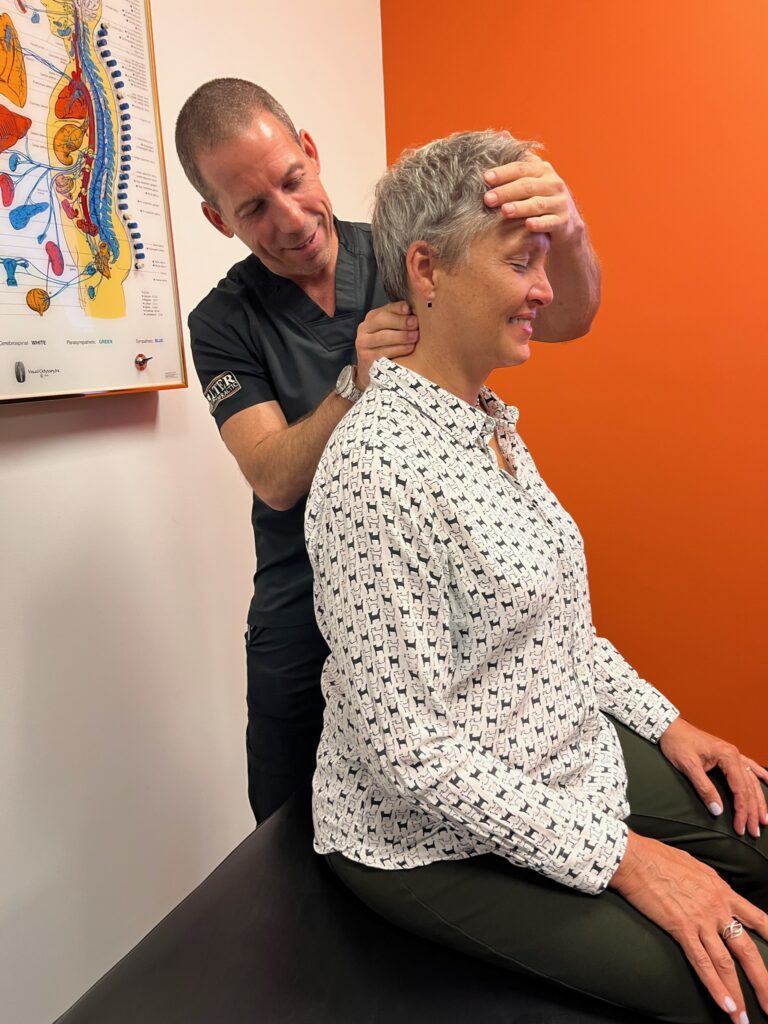
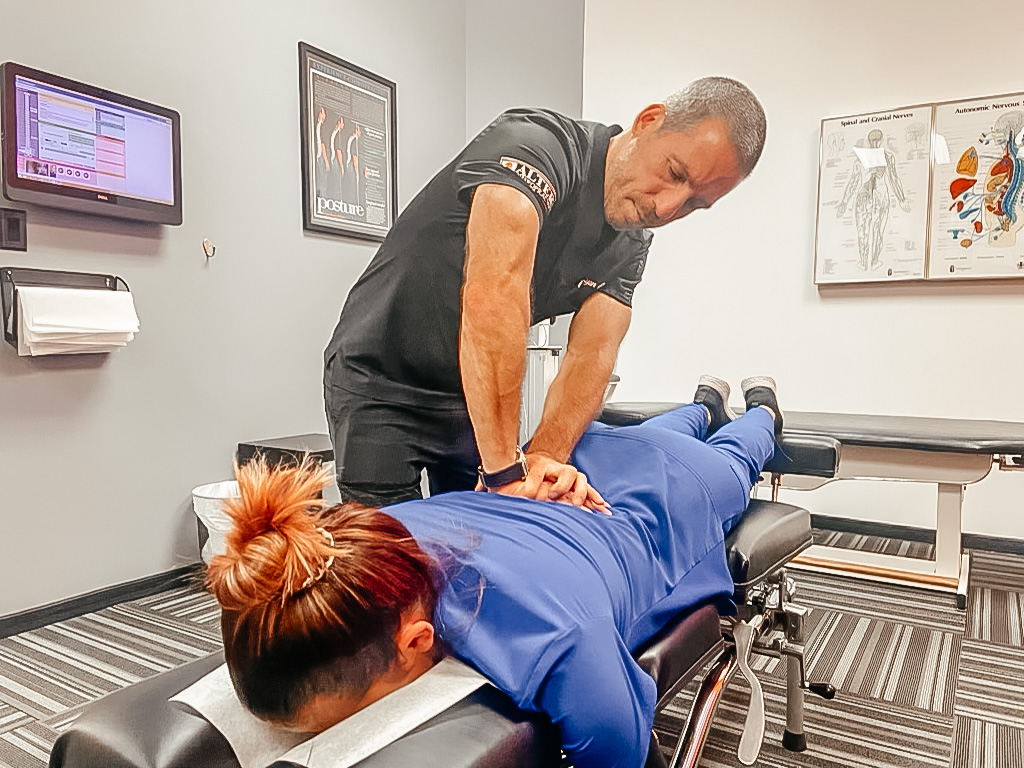
Dr. Ryan Alter takes a root-cause approach to every patient at Alter Chiropractic in Delray Beach. Rather than simply treating where it hurts, the focus is on understanding the underlying biomechanical and structural factors contributing to the problem — and that often includes evaluating posture, movement habits, and sleep positioning. Gentle chiropractic adjustments help restore proper spinal alignment and joint mobility, which can make it easier for your body to find and maintain comfortable sleep positions throughout the night.
Many patients at Alter Chiropractic report improved sleep quality as one of the first positive changes they notice after beginning care. When your spine moves and functions better, your nervous system functions better — and that has ripple effects throughout your entire body, including how deeply and comfortably you sleep.
To get a closer look at what proper sleep positioning looks like in practice, check out this helpful video from Dr. Ryan Alter:
Practical Tips for Making the Transition
Changing a sleep habit you’ve had for years isn’t easy — but it is possible with a little patience and the right strategy. Here are a few realistic approaches to help you shift toward a more spine-friendly sleep position.
If you’re a stomach sleeper trying to transition to your side or back, start by placing a body pillow alongside you. This gives you something to “lean into” and can make side sleeping feel more natural and secure. Some people find placing a pillow against their back helpful to prevent rolling over during the night.
For back sleepers dealing with lower back discomfort, the pillow-under-the-knees trick is often a game-changer. It takes pressure off the lumbar spine almost immediately and many people find it dramatically changes how rested they feel in the morning.
For side sleepers, the most impactful change is almost always pillow placement — both under your head and between your knees. Make sure your head pillow fills the gap between your shoulder and your ear without pushing your head upward. A slight chin-neutral position is what you’re aiming for.
Give any new sleep position at least two to three weeks before evaluating whether it’s working. Your body needs time to adjust, and initial discomfort doesn’t necessarily mean the position is wrong for you.

When to See a Chiropractor About Sleep-Related Pain
Morning stiffness that resolves within 30 minutes of moving around is relatively common and often related to posture or sleep position. However, there are certain signs that suggest it’s time to get a professional evaluation rather than simply hoping things improve on their own.
If you’re waking up with significant neck or back pain most mornings, if the stiffness lasts more than an hour, or if you’re noticing numbness, tingling, or radiating pain into your arms or legs, those are signs that something more than a pillow swap may be needed. Similarly, if you’ve already tried adjusting your sleep setup and haven’t seen improvement, a structural issue within the spine may be contributing.
Red flags that warrant prompt medical evaluation include severe pain that wakes you from sleep, unexplained weight loss alongside back pain, or any loss of bowel or bladder control. These symptoms are not typical of musculoskeletal sleep issues and should be assessed by a physician right away.
For the vast majority of sleep-related back and neck complaints, chiropractic care is a safe, natural, and effective starting point. At Alter Chiropractic in Delray Beach, Dr. Ryan Alter conducts thorough evaluations to identify what’s actually driving your discomfort — and builds a plan to address it at the root level.
Sleep Position Comparison: Spinal Impact at a Glance
Sleep Position |
Spinal Impact |
Best For |
Key Adjustment Needed |
|---|---|---|---|
|
Back Sleeping |
Even weight distribution; supports natural curves |
Most spinal conditions, general wellness |
Pillow under knees; medium-loft head pillow |
|
Side Sleeping (neutral) |
Good alignment when hips are stacked |
Pregnancy, snorers, most adults |
Pillow between knees; properly fitted head pillow |
|
Side Sleeping (tight fetal) |
Excessive spinal flexion; disc stress over time |
Not recommended long-term |
Straighten slightly; avoid fully curling |
|
Stomach Sleeping |
Cervical rotation stress; lumbar hyperextension |
Not recommended for spinal health |
Transition gradually to side or back sleeping |
Myths vs. Facts About Sleep Positions and Spine Health
Myth: A Firmer Mattress Is Always Better for Your Back
Fact: While a supportive mattress is important, research suggests that medium-firm mattresses tend to provide the best balance of comfort and spinal support for most people. An overly firm mattress can create uncomfortable pressure points, especially for side sleepers, and may actually increase back discomfort rather than relieve it.
Myth: Sleeping on Your Stomach Is Fine If You’re Comfortable
Fact: Comfort in the moment doesn’t equal long-term spinal health. Stomach sleeping requires sustained cervical rotation and promotes lumbar hyperextension — both of which can contribute to neck pain, headaches, and lower back problems over time, even if you feel fine falling asleep that way.
Myth: Sleep Position Doesn’t Really Affect Your Back Pain
Fact: Sleep position is one of the most clinically relevant lifestyle factors in musculoskeletal health. Spending six to nine hours in a posture that stresses the spine can absolutely contribute to pain and stiffness — and modifying sleep habits is frequently part of a comprehensive chiropractic care plan.
Myth: You Can’t Change Your Sleep Position — It’s Just How You Sleep
Fact: Sleep positions can absolutely be changed with intentional effort, patience, and the right support tools like body pillows and properly fitted pillows. Most people adapt to a new sleep position within a few weeks of consistently trying. It’s a habit, not a fixed biological trait.
Myth: If You Wake Up Pain-Free, Your Sleep Position Is Fine
Fact: Spinal stress from poor sleep positions can accumulate gradually over time, often without obvious immediate symptoms. Many patients at Alter Chiropractic who had no morning pain still showed postural imbalances and muscular tension patterns consistent with chronic suboptimal sleeping habits.
Final Thoughts from Alter Chiropractic in Delray Beach
Sleep is one of the most powerful healing tools your body has — and your spine deserves to benefit from every hour of it. The way you position yourself at night is a simple, controllable factor that can either support your spinal health or quietly work against it over time. Small changes, like adding a pillow between your knees or transitioning away from stomach sleeping, can have a genuinely meaningful impact on how you feel when you wake up and throughout your day.
At Alter Chiropractic, we’ve been helping South Florida families find natural, root-cause solutions to pain since 2006. Dr. Ryan Alter and our team believe that lasting relief comes from understanding the whole picture — not just treating where it hurts today, but addressing the underlying habits and structural factors that keep pain coming back. Whether you’re waking up stiff every morning or dealing with a long-standing neck or back issue, we’re here to help you get to the bottom of it.
If you’re in the Delray Beach area and you’re ready to stop guessing and start healing, we’d love to be part of your journey. Our approach is natural, evidence-informed, and always focused on empowering you to achieve optimal health on your own terms.
Frequently Asked Questions
What is the best sleep position for lower back pain?
Sleeping on your back with a pillow under your knees is generally considered one of the most supportive positions for lower back pain because it helps maintain the lumbar spine’s natural curve. Side sleeping with a pillow between the knees is another effective option. The best position ultimately depends on your individual anatomy and any underlying spinal conditions, which is why a professional evaluation can be so helpful.
Can my sleep position cause neck pain?
Yes, absolutely. Stomach sleeping in particular places the neck in a sustained rotated position for hours, which can create significant cervical strain over time. Even back and side sleepers can develop neck pain if their pillow isn’t providing the right level of support. Pillow height and firmness relative to your sleep position matter a great deal.
How do I stop sleeping on my stomach?
Transitioning away from stomach sleeping takes patience and a few practical tools. Placing a body pillow alongside you can make side sleeping feel more secure and natural. Some people find placing a pillow against their back prevents them from rolling onto their stomach during the night. Expect an adjustment period of two to four weeks.
Should I see a chiropractor if I wake up stiff every morning?
If morning stiffness is a regular occurrence — especially if it takes more than 30 minutes to resolve or is accompanied by neck or back pain — it’s worth getting a chiropractic evaluation. A chiropractor can assess whether there are underlying spinal alignment issues contributing to your symptoms and offer guidance on sleep positioning and supportive care.
Does chiropractic care help with sleep quality?
Many patients report improved sleep quality as a positive outcome of chiropractic care, though results vary by individual. By addressing spinal misalignments and reducing muscle tension and nerve irritation, chiropractic adjustments may help the body find a more relaxed and comfortable resting state. Evidence in this area continues to grow, and it’s considered a reasonable benefit of overall improved spinal function.
How long does it take to notice a difference after changing sleep positions?
Some people notice an improvement in morning stiffness within the first week of changing their sleep position, while others may take two to four weeks to adapt and see results. If discomfort persists despite making adjustments, it may indicate that a structural issue within the spine also needs to be addressed through professional care.
TL;DR — Key Takeaways
-
Your sleep position has a real, cumulative impact on your spinal health — spending hours in a poor posture each night adds up over time.
-
Back sleeping with a pillow under the knees and side sleeping with a pillow between the knees are the most spine-friendly positions for most people.
-
Stomach sleeping is the most problematic position for the spine due to sustained cervical rotation and lumbar hyperextension.
-
The right pillow and a medium-firm mattress are important supporting factors for spinal alignment during sleep.
-
If you’re regularly waking up with neck or back pain, a chiropractic evaluation at Alter Chiropractic in Delray Beach can help identify and address the root cause.