
If you're experiencing neck pain, I want you to know that you're not alone, and it's important to seek effective relief. Many people find that gentle neck stretches can be incredibly beneficial, and I often recommend exploring ergonomic adjustments in your workspace or daily routines to alleviate strain on your neck. Additionally, techniques such as hot and cold therapy, as well as targeted massage, can offer immediate comfort and relaxation.
As a chiropractor, I also encourage you to consider alternative therapies that may support your recovery and enhance your overall neck health. These strategies, including chiropractic adjustments, can significantly transform the way you approach neck care. Let's delve into these techniques and discover how they can positively impact your well-being and help you regain a pain-free life.
Gentle Neck Stretches
As a chiropractor, I understand the importance of maintaining a healthy neck, especially if you experience tension or discomfort. Gentle neck stretches can be a wonderful addition to your wellness routine, offering relief and improving flexibility. If you're unfamiliar with chiropractic care, let me share some simple stretches that can help alleviate strain in your neck.
To get started, find a comfortable position—either sitting in a chair or standing with your feet shoulder-width apart. We'll begin with a basic neck tilt. Gently tilt your head to the right, bringing your ear toward your shoulder. Hold this stretch for about 15 to 30 seconds, and you should feel a nice stretch along the left side of your neck. Afterward, return to the center and repeat the same movement on the left side. Not only does this stretch relieve tension, but it also supports better posture.
Next, let's move on to the neck rotation stretch. Turn your head to the right, making sure your chin aligns with your shoulder. Hold this position for 15 to 30 seconds before returning to the center and repeating on the left side. This rotation helps maintain flexibility in your neck, reducing stiffness and discomfort.
Another beneficial stretch is the chin tuck. Slowly tuck your chin in toward your chest while keeping a straight spine. Hold this position for a few seconds before releasing. This exercise not only strengthens your neck muscles but also promotes proper alignment, which is vital for overall spinal health.
Incorporating these gentle stretches into your daily routine can significantly enhance your neck's mobility and ease discomfort. Remember to breathe deeply throughout each stretch; this will help your muscles relax and allow you to get the most benefit.
With consistent practice, you'll find that these simple techniques can greatly aid in managing neck tension and pain, contributing to your overall wellness journey. If you have any questions or would like personalized recommendations, don't hesitate to reach out to me during your next visit!
Hot and Cold Therapy
As a local chiropractor, I want to share with you the powerful benefits of hot and cold therapy for alleviating neck pain and tension. Many of my patients have found that alternating between heat and cold can significantly ease discomfort and promote healing in their necks. Understanding how to use these methods effectively can enhance your recovery and improve your overall well-being.
When you apply heat to your neck, it increases blood circulation and helps to relax tight muscles. You can achieve this soothing effect using a warm towel, a heating pad, or even by taking a warm shower.
Conversely, cold therapy can be just as beneficial, as it reduces inflammation and numbs sharp pain. Using an ice pack or a bag of frozen peas wrapped in a cloth can provide quick relief from acute discomfort.
Here are some practical tips to maximize the benefits of hot and cold therapy:
- Timing: Aim to apply heat for about 20 minutes, followed by cold therapy for 15-20 minutes. This cycle helps to balance the soothing effects of both treatments.
- Frequency: I recommend repeating this cycle several times a day, particularly after any activities that may aggravate your neck pain.
- Safety: Always remember to wrap ice packs in a cloth to prevent frostbite, and use a heating pad on a low setting to avoid burns.
- Listen to your body: It's crucial to pay attention to how your body reacts. If either heat or cold increases your pain, discontinue use immediately and consult with a healthcare professional.
By incorporating hot and cold therapy into your daily routine, you can significantly improve your neck's mobility and reduce discomfort.
I encourage you to give this approach a try, as many of my patients have experienced the relief they've been searching for! If you have any questions or need further guidance, please don't hesitate to reach out.
Massage Techniques
As a local chiropractor, I often see patients who are unfamiliar with the benefits of chiropractic care and natural healing methods for neck injuries. One effective approach to enhance your recovery is incorporating massage techniques alongside your chiropractic treatments.
Massage can significantly increase blood flow, reduce muscle tension, and promote relaxation in the areas surrounding your neck, which can expedite your healing process.
I recommend starting with a simple technique using your fingertips. Gently apply pressure to the muscles at the base of your skull. Small circular motions can be particularly effective for working out knots and relieving tension. Focus on areas that feel tight, but be sure to start with light pressure and gradually increase it as needed to avoid discomfort.
Another beneficial technique is kneading the muscles along your neck and upper shoulders. Use your thumbs to press into the muscles and create a pinching motion as you move along the length of your neck. This can help release deeper tension and improve your overall mobility.
If you have a tennis ball handy, it can serve as a great tool for self-massage. Position the ball between your neck and a wall, and gently roll it over any tight spots you find. You can adjust the pressure by moving closer to or further away from the wall, giving you control over the intensity of the massage.
Additionally, consider enhancing your self-massage experience with essential oils. A few drops of lavender or peppermint oil can promote relaxation and create a soothing effect. Just remember to dilute these essential oils with a carrier oil before applying them to your skin to avoid irritation.
Incorporating these massage techniques into your routine can complement your chiropractic care and greatly aid in your recovery. By practicing these methods regularly, you can regain comfort and flexibility in your neck, paving the way for a healthier, more active lifestyle.
If you have any questions or need further guidance, feel free to reach out during your next visit!
Proper Posture Practices
As a local chiropractor, I want to emphasize the importance of proper posture practices to help you prevent neck injuries and promote overall well-being.
First and foremost, it's vital to create an ergonomic workspace that supports your body's natural alignment. This means adjusting your chair, desk, and computer screen to encourage a healthy posture.
When you sit, be mindful of your body's alignment; your head should be aligned with your spine, and your shoulders should be relaxed.
I also encourage you to integrate regular stretching breaks into your routine. These breaks are essential for keeping your muscles relaxed and engaged, which can significantly reduce tension and discomfort over time.
Ergonomic Workspace Setup
As a chiropractor, I want to emphasize the importance of an ergonomic workspace setup for your overall health, particularly in maintaining proper posture and preventing neck injuries.
A well-designed workspace can significantly reduce strain on your neck and spine, allowing you to work more comfortably for extended periods. Here are some crucial elements to consider when assessing your workspace:
- Chair Height: It's vital to adjust your chair so that your feet rest flat on the floor, with your knees at hip level. This alignment promotes better spinal health and supports your natural posture.
- Monitor Position: Your computer monitor should be at eye level and approximately an arm's length away. This positioning helps prevent you from leaning forward or looking down, both of which can contribute to neck strain and discomfort.
- Keyboard and Mouse Setup: Ensure that your keyboard and mouse are close enough for your elbows to remain at a 90-degree angle. This setup helps you maintain a relaxed posture, reducing the risk of repetitive strain injuries.
- Desk Organization: It's essential to keep your workspace organized to minimize unnecessary reaching for items. Frequently used tools should be within easy reach to avoid twisting or straining your neck, which can lead to discomfort and potentially more serious conditions.
By following these ergonomic principles, you can create a workspace that supports your body and promotes overall well-being.
If you're experiencing neck pain or discomfort, consider seeking chiropractic care to address any underlying issues and enhance your natural healing process.
Mindful Sitting Techniques
As a local chiropractor, I want to share some essential mindful sitting techniques that can significantly improve your posture and help prevent discomfort, especially if you spend long hours at your desk.
It's crucial to start with a chair that properly supports your lower back, allowing your spine to maintain its natural curve. Make sure to adjust your seat height so that your feet are resting flat on the floor, with your knees at or slightly below hip level.
Maintaining a straight back against your chair is important; avoid slouching or leaning forward as this can lead to misalignments in your spine. Your shoulders should be relaxed and not hunched up toward your ears.
Position your computer screen at eye level, about an arm's length away, to help prevent straining your neck.
When it comes to typing, keep your wrists straight and aligned with your keyboard. Your elbows should be close to your body, ideally forming an angle between 90 and 120 degrees. If you use a mouse, ensure it's within easy reach to minimize unnecessary arm extension.
Finally, I encourage you to take a moment to check in with your body regularly. If you feel any tension or discomfort, don't hesitate to adjust your position right away.
By incorporating these mindful sitting techniques into your daily routine, you can create a more comfortable workspace and significantly reduce the risk of neck injuries over time.
Regular Stretching Breaks
As a local chiropractor, I want to emphasize the importance of incorporating regular stretching breaks into your daily routine. This simple practice can significantly enhance your posture and help alleviate neck strain, which many of you may be experiencing, especially if you spend long hours sitting.
Stretching breaks provide your muscles with an opportunity to relax and reset, helping to prevent stiffness and discomfort that can lead to more serious issues. Here are some effective techniques to consider:
- Neck Rolls: Slowly roll your head in a circular motion. This gentle movement can help relieve tension built up in your neck.
- Shoulder Shrugs: Lift your shoulders towards your ears, hold for a moment, and then release. This can effectively alleviate tightness in your upper back and shoulders.
- Chin Tucks: With a straight back, gently pull your chin in towards your neck. This simple adjustment helps align your head with your spine, promoting better posture.
- Upper Back Stretch: Reach your arms overhead and lean slightly to one side. This stretch targets your upper back and neck, providing much-needed relief.
I recommend taking a stretching break every 30 to 60 minutes, especially if you're seated for extended periods. These quick stretches not only enhance circulation and flexibility but also promote relaxation—essential elements for your overall well-being.
Ergonomic Adjustments
As a local chiropractor, I want to emphasize the importance of optimizing your desk setup to relieve neck strain and promote overall well-being.
Many people are unaware of how their workspace can impact their posture and health. By selecting the right chair and adjusting the height of your monitor, you can make a significant difference in your comfort levels while working.
Let's discuss how these ergonomic adjustments can help you maintain a healthier posture, reduce discomfort, and support your natural healing journey.
Desk Setup Optimization
As a local chiropractor, I want to emphasize how crucial it's to have an optimized desk setup for your spinal health and overall comfort while you work. Many people are unaware that making a few simple adjustments to your workspace can significantly reduce neck strain and promote better posture, which is essential for maintaining a healthy spine.
Here are some vital tips to consider for your ergonomic workspace:
- Monitor Height: It's essential to position your monitor so that the top of the screen is at or just below eye level. This adjustment prevents you from tilting your head too far forward or backward, reducing unnecessary strain on your neck.
- Keyboard Placement: Your keyboard should be at elbow height, allowing your arms to hang comfortably at your sides. Keeping your wrists straight while typing not only enhances comfort but also protects your joints from strain.
- Lighting: Ensure that your workspace is well-lit to reduce glare on your monitor. Proper lighting can help you avoid leaning forward or squinting, both of which can lead to neck discomfort and exacerbate existing issues.
- Frequent Breaks: I can't stress enough the importance of taking regular breaks to stretch and move around. These breaks not only alleviate neck strain but also enhance your overall productivity and well-being.
By considering these tips, you can create a workspace that not only supports your neck but also contributes to your overall health.
Chair Selection Guidelines
As a local chiropractor, I want to emphasize the importance of selecting the right chair for your workspace. The chair you choose can significantly impact your comfort and overall spinal health, especially during those long hours at your desk. A properly designed chair is essential for maintaining good posture and minimizing neck strain.
Begin by looking for a chair that provides adequate support for your lower back. This is crucial for promoting the natural curve of your spine, which can help prevent discomfort and pain. I highly recommend finding a chair with adjustable lumbar support; this feature can be a game-changer for your back health.
Next, consider the height of the chair. When seated, your feet should rest flat on the ground, your knees should form a 90-degree angle, and your thighs should be parallel to the floor. If your chair is too high or too low, it can lead to unnecessary strain and discomfort, which can exacerbate any existing issues.
Don't overlook the armrests, as they play a vital role in your overall comfort. Armrests should support your arms comfortably and allow your shoulders to relax. Opting for chairs with adjustable armrests will enable you to customize the height to suit your needs best.
Lastly, the material of the chair is also important. Look for breathable fabrics to keep you cool, and ensure that the cushioning offers a balance between comfort and support.
Investing in a high-quality ergonomic chair tailored to your specific needs can significantly reduce neck pain, enhance your focus, and improve your overall work experience. As a chiropractor, I can't stress enough how a good chair can contribute to your long-term well-being and health.
Monitor Height Adjustment
As a chiropractor dedicated to your overall wellness, I want to emphasize the importance of proper monitor height adjustment for your health, particularly for your posture and spinal alignment.
Many of us spend extended hours in front of screens, and if your monitor is positioned incorrectly, it can lead to neck strain, discomfort, and even long-term health issues.
Here are some practical tips to ensure your monitor is set at the right height to support your body:
- Eye Level: Your eyes should align with the top of the screen. This positioning encourages you to look slightly downward at the display, which helps maintain a neutral neck position.
- Distance: Place your monitor about an arm's length away from your face. This distance is key to reducing eye strain, allowing for a more comfortable viewing experience.
- Tilt: Adjust your monitor so that it tilts slightly backward. This helps minimize glare and creates a more ergonomic viewing angle, promoting better posture.
- Use a Stand: If your monitor is too low, consider using a monitor stand or even stacking a few books to elevate it to the correct height. This simple adjustment can make a significant difference in how your body feels during and after long work sessions.
By making these adjustments, you can support your spinal health and reduce the risk of discomfort, allowing you to work more effectively and maintain your well-being.
Physical Therapy Exercises
As a local chiropractor dedicated to your well-being, I want to share five effective physical therapy exercises that can significantly alleviate neck pain and improve your mobility. These exercises not only strengthen the muscles that support your neck but also help reduce stiffness and enhance your overall flexibility.
First, let's start with neck stretches. Whether you're sitting or standing, find a comfortable position and gently tilt your head to one side, bringing your ear toward your shoulder. Hold this position for 15-30 seconds, then switch to the other side. I recommend repeating this stretch three times for each side to maximize its benefits.
Next, we've chin tucks. This exercise is simple yet powerful. While sitting or standing, gently pull your chin back toward your throat, ensuring that your eyes remain level. Hold this position for 5 seconds and aim to complete 10 repetitions. Chin tucks are excellent for strengthening your neck muscles and improving your posture, both of which are crucial for long-term neck health.
The third exercise is shoulder shrugs. Raise your shoulders towards your ears, hold for a brief moment, and then relax them back down. Aim for 10-15 repetitions. This movement is particularly effective at relieving tension in your neck and shoulder area, which can often contribute to discomfort.
Next, let's try neck rotations. Slowly turn your head to the right until you feel a gentle stretch, hold for 15 seconds, and then switch to the left side. I recommend repeating this two to three times on each side to enhance flexibility and range of motion in your neck.
Lastly, I encourage you to incorporate wall angels into your routine. Stand with your back against a wall, keeping your feet a few inches away. Raise your arms into a "W" position, and then slowly slide them up to form a "Y." Remember to keep your back against the wall throughout the movement. Aim for 8-10 repetitions. This exercise not only helps with shoulder mobility but also promotes proper alignment of your spine.
By incorporating these exercises into your daily routine, you can effectively alleviate neck pain and enhance your mobility. However, it's essential to consult with a healthcare professional, like a chiropractor, before starting any new exercise program to ensure it's suitable for your individual needs.
Your journey to better health and natural healing starts here!
Alternative Therapies
As a local chiropractor, I often see patients who are seeking relief from neck pain and may not be familiar with the benefits of chiropractic care and other natural healing therapies.
While physical therapy exercises can be effective in managing discomfort, integrating alternative therapies can significantly enhance your healing journey. These approaches focus on addressing the root causes of your pain, promoting a holistic path to recovery.
Here are some effective therapies you might consider:
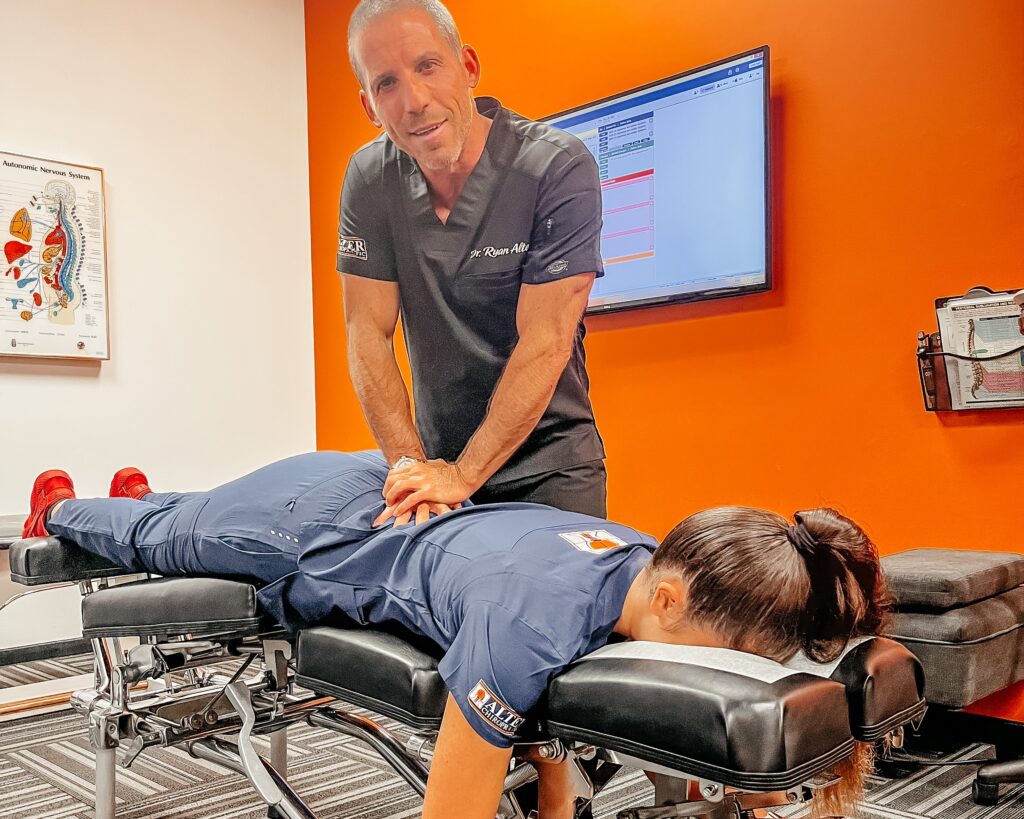
- Chiropractic Care: This is where my expertise lies. Through precise manual adjustments, I can help realign your spine and improve your mobility. Regular chiropractic visits not only alleviate neck pain but also support overall spinal health, allowing your body to function optimally.
- Acupuncture: Many of my patients have found relief through acupuncture, an ancient Chinese practice that involves the insertion of fine needles into specific points on the body. This method can effectively reduce pain and promote healing by stimulating the body's natural energy flow.
- Massage Therapy: Therapeutic massage is another beneficial option. By focusing on muscle tension and enhancing circulation, massage can be particularly effective for easing tightness in the neck and shoulders, complementing the adjustments I provide in my office.
- Mindfulness and Meditation: Incorporating mindfulness techniques into your routine can greatly help in managing pain perception and reducing stress levels, which often contribute to neck discomfort. Practices such as deep breathing and guided imagery can facilitate relaxation and improve your overall well-being.
As you explore these alternative therapies, consider how they can work alongside your chiropractic care to provide a comprehensive approach to your healing.
I always recommend discussing any new treatments with a healthcare professional to ensure they align with your specific needs and conditions.
Conclusion
As a local chiropractor, I want to share some effective techniques that can significantly improve your neck health and alleviate any discomfort you may be experiencing. It's essential to incorporate gentle stretches into your daily routine, as they can help increase flexibility and reduce tension. Additionally, using hot and cold therapy is a great way to manage pain and inflammation—heat can relax tight muscles, while cold can numb sharp pain.
Ergonomic adjustments in your workspace or home environment are crucial too. Ensuring that your computer screen is at eye level and your chair supports your posture can make a world of difference. Don't overlook the benefits of massage and alternative therapies, such as acupuncture or physical therapy; these can complement your recovery.
With consistent care and mindfulness towards your neck health, you can achieve lasting relief and enhance your overall well-being. I encourage you to start these practices today and give your neck the attention it truly deserves. Remember, your body will thank you for it!