
As a local chiropractor, I understand how debilitating back pain can be and how it can interfere with your daily activities. Many of my patients have found relief through natural healing methods that I'd love to share with you. Simple yet effective strategies, such as gentle stretching, can alleviate tension in your muscles. Additionally, knowing how to use heat and ice can provide quick comfort to sore areas.
Improving your posture is another crucial component in managing back pain. It's amazing how much a few adjustments can enhance your overall well-being. Beyond these initial steps, incorporating core-strengthening exercises into your routine can provide lasting support for your spine. And don't underestimate the power of mindfulness techniques; they can help you manage pain and reduce stress.
Are you intrigued by how these natural methods can work together to provide fast relief? Let's delve into these secrets and explore how chiropractic care can empower you on your journey to better back health.
Stretching Techniques
As a local chiropractor, I often see patients struggling with back pain, and I want to emphasize the importance of incorporating effective stretching techniques into your daily routine for relief. Stretching not only helps to lengthen tight muscles but also improves flexibility and enhances blood flow, which can significantly alleviate discomfort.
Let's start with a gentle yet effective stretch known as the Child's Pose. To perform this stretch, kneel on the floor, sit back on your heels, and stretch your arms forward while lowering your torso. Hold this position for 20-30 seconds and remember to breathe deeply. This stretch is fantastic for relaxing your back and relieving tension in your hips.
Another beneficial stretch is the Cat-Cow stretch. Begin on all fours, ensuring your wrists are aligned under your shoulders and your knees under your hips. Inhale as you arch your back and look up (the Cow position), then exhale as you round your back and tuck your chin (the Cat position). Repeat this gentle cycle for about 30 seconds; it's a wonderful way to keep your spine moving fluidly.
Don't forget about the seated forward bend, which is great for targeting the lower back and hamstrings. Sit on the floor with your legs extended in front of you. Inhale and reach your arms overhead, then exhale as you hinge forward from your hips, reaching toward your toes. Hold this stretch for 20-30 seconds to feel a nice release in your lower back and hamstrings.
It's crucial to listen to your body during these stretches. If you experience any pain, ease off and consider modifying the stretch.
Heat Therapy
As a local chiropractor, I want to share how heat therapy can significantly alleviate your back pain.
When applied properly, heat can help relax tight muscles and enhance blood circulation to the affected areas, promoting healing and comfort.
However, it's crucial to follow some safety precautions to ensure that you benefit from this natural treatment effectively.
Understanding these guidelines can help you make the most of heat therapy while supporting your overall wellness journey.
Benefits of Heat Therapy
As a local chiropractor, I often see patients struggling with back pain, and I want to share a comforting and effective approach to relief: heat therapy. This method not only provides immediate comfort but also supports your body's natural healing processes in several important ways.
When you use heat therapy, you're not just alleviating discomfort—you're actively benefiting your overall health. Here are four significant advantages of incorporating heat therapy into your pain management routine:
- Increases Blood Flow: Applying heat can widen your blood vessels, enhancing circulation to the affected areas. This increased blood flow helps to alleviate stiffness and reduce pain, allowing your body to heal more efficiently.
- Relaxes Muscles: The soothing warmth of heat therapy can help to relax tense and tight muscles. This relaxation makes it easier for you to move and can significantly decrease your discomfort.
- Improves Flexibility: Heat therapy is excellent for enhancing mobility. By loosening tight muscles and connective tissues, you can achieve a greater range of motion, which is crucial for your recovery and daily activities.
- Promotes Healing: By improving circulation and reducing tension in your body, heat therapy can speed up the healing process. This makes it an invaluable addition to your recovery plan, especially when combined with chiropractic care.
Incorporating heat therapy into your pain management strategy can provide quick relief while also supporting your long-term recovery. It's a straightforward yet powerful tool that can help you effectively combat back pain.
If you're curious about how to integrate this into your routine or have any questions about chiropractic care, feel free to reach out!
How to Apply Heat
As a chiropractor dedicated to helping you understand natural healing techniques, I want to emphasize the importance of applying heat for alleviating back pain. Utilizing heat therapy can significantly enhance your comfort and promote healing in your body.
To begin, you'll need a heating pad, a hot water bottle, or a warm towel. If you opt for a heating pad, ensure that it's set to a temperature that feels comfortable for you. It's crucial to avoid excessive heat, as that can lead to burns and further discomfort.
Next, find a comfortable space where you can either sit or lie down. Position the heat source directly on the area of your back that's experiencing pain. It's recommended to keep it there for about 15 to 20 minutes. This timeframe is ideal for allowing the heat to penetrate deeply into your muscles, enhancing blood circulation and relieving tension.
If you prefer moist heat, you can soak a towel in warm water, wring it out, and gently place it on your back. Alternatively, taking a warm bath or shower can also be effective, as the warm water relaxes your muscles and alleviates pain.
Feel free to repeat this process multiple times throughout the day, particularly during episodes of heightened discomfort.
Always pay attention to your body's signals. If you experience any discomfort while using heat, be sure to remove the source immediately.
Regularly incorporating heat therapy into your routine can contribute to managing your back pain and improving your overall well-being. Remember, at our practice, we're here to support you on your journey to natural healing and wellness.
Precautions to Consider
As a local chiropractor dedicated to helping you achieve optimal health through natural healing methods, I want to share some important precautions when using heat therapy for back pain.
While heat can be a wonderful way to relieve discomfort, it's crucial to use it safely to avoid any potential harm. Here are some essential guidelines to consider:
- Limit Application Time: It's best to apply heat for no longer than 20-30 minutes at a time. This prevents skin irritation and helps avoid overheating, ensuring you get the most benefit without risking your safety.
- Use a Barrier: Always place a towel or cloth between the heat source and your skin. This simple step acts as a protective layer, reducing the risk of burns and allowing for a more comfortable experience.
- Check Temperature: Before applying heat directly to your back, test it on a less sensitive area first. This ensures that the temperature is comfortable and won't cause any unexpected discomfort.
- Consult a Professional: If you have underlying conditions such as diabetes or circulatory issues, please reach out to me or your healthcare provider before beginning heat therapy.
We can help tailor a plan that suits your specific health needs and ensures your well-being.
Ice Application
As a local chiropractor, I often see patients struggling with back pain, and one of the simplest yet most effective remedies I recommend is the use of ice packs. When dealing with discomfort, applying ice can significantly reduce inflammation and numb the area, providing quick relief.
To use ice safely, start by wrapping an ice pack or a bag of frozen vegetables in a towel. This step is crucial; it prevents direct contact with your skin, which helps avoid frostbite and allows you to manage the cold comfortably.
I suggest applying the ice pack to the affected area for about 15 to 20 minutes at a time. It's also important to take breaks between applications; you can ice your back every hour as needed. Always listen to your body—if you feel excessive discomfort or the cold becomes intolerable, it's time to remove the ice pack.
Timing is essential as well. Ice application is most effective within the first 48 hours after you start experiencing back pain. If you notice any swelling or tenderness during this period, don't hesitate to reach for the ice. It's a simple yet powerful tool in your pain management strategy.
While you're icing, consider incorporating gentle movement into your routine. Staying too still can sometimes worsen stiffness, so engage in light activities that don't aggravate your pain. This balanced approach can help facilitate healing.
By integrating ice therapy into your self-care routine, you can make a significant difference in how you manage your back pain. Following these straightforward steps allows you to take a proactive approach to your recovery. Don't underestimate the power of ice; it may just be the key to getting back to feeling like your best self.
If you have any questions or need further guidance, feel free to reach out during your next visit!
Proper Posture
As your local chiropractor, I want to emphasize the importance of maintaining proper posture for both preventing and alleviating back pain.
Whether you find yourself sitting in an ergonomic chair or standing at your desk, the way you position your body plays a crucial role in your overall spinal health. It's vital to understand that good posture isn't just about looking confident; it's about keeping your spine aligned and functioning optimally.
In addition to being mindful of your posture, don't overlook the benefits of stretching. Regular stretching can significantly help in maintaining spinal alignment and promoting a healthy back.
If you're new to chiropractic care, know that we focus on natural healing methods that can enhance your well-being and improve your posture.
Importance of Ergonomic Seating
As a local chiropractor, I want to emphasize the critical role your workspace plays in maintaining your back health, particularly when it comes to selecting ergonomic seating.
Many of my patients have found that choosing the right chair and practicing good posture can significantly alleviate back pain. An ergonomic chair is designed to support the natural curve of your spine, which allows you to sit comfortably for extended periods without discomfort.
To enhance your ergonomic setup, here are four essential factors to consider:
- Lumbar Support: It's vital that your chair provides proper lumbar support that aligns with the curve of your lower back. This support can help prevent strain and injury.
- Seat Height: Ensure that your feet rest flat on the ground, and your knees are at or just below hip level. Adjusting the seat height accordingly can promote better circulation and comfort.
- Armrests: Utilize armrests to help keep your shoulders relaxed. They should be positioned so that your arms can rest comfortably without causing tension or strain.
- Backrest Angle: The angle of your backrest is important; it should support your back at a 100- to 110-degree angle. This positioning encourages a relaxed and natural posture.
Incorporating these adjustments into your workspace can greatly improve your overall comfort and support your spinal health.
Standing vs. Sitting Posture
As a local chiropractor, I want to emphasize the importance of posture for your back health, whether you're sitting or standing. Proper posture is essential because it helps distribute your body weight evenly, which in turn reduces strain on your spine.
When standing, I recommend keeping your feet shoulder-width apart with your knees slightly bent. Engage your core muscles and pull your shoulders back, ensuring that your head is aligned with your spine. This posture maintains the natural curve of your back and minimizes pressure on your spinal discs, helping to prevent discomfort.
On the other hand, when sitting, it's crucial to maintain a similar level of awareness. Make sure your feet are flat on the floor, and that your back is straight against the chair. Choose a chair that offers good support for your lower back, and be mindful to avoid slouching or leaning forward.
Position your computer screen at eye level to prevent unnecessary strain on your neck. Both poor sitting and standing postures can lead to discomfort and pain, which is why it's vital to switch positions frequently throughout the day.
I encourage you to take breaks to move around and stretch, allowing your muscles to relax and recover. By maintaining proper posture in both sitting and standing positions, you can significantly reduce back pain and enhance your overall comfort.
Stretching for Alignment
As a chiropractor, I often emphasize the importance of regular stretching in achieving proper posture and alignment. Many people don't realize that flexible and balanced muscles are key to maintaining a healthy posture, which can significantly reduce strain on your back.
Here are four fundamental stretches I encourage my patients to incorporate into their daily routines:
- Chest Stretch: Stand tall and clasp your hands behind your back, gently pulling your shoulders back. This stretch helps to open up your chest and counteracts the forward hunch that many of us develop from prolonged sitting.
- Child's Pose: Kneel on the floor, sit back on your heels, and stretch your arms forward. This position elongates your spine and effectively relieves tension that can build up throughout the day.
- Cat-Cow Stretch: While on all fours, alternate between arching your back and rounding it. This dynamic movement enhances spinal flexibility and increases your awareness of your body's alignment.
- Hip Flexor Stretch: Step one foot forward into a lunge while keeping your back knee on the ground. This stretch opens up the hip area, which is crucial for maintaining proper posture and alignment.
Incorporating these stretches into your daily routine can significantly enhance your posture, alleviate back pain, and contribute to an overall sense of alignment and well-being.
Strengthening Exercises
As a local chiropractor, I want to share with you the significance of strengthening exercises in alleviating back pain and enhancing your spinal health. Many people are unaware that by focusing on the muscles that support your spine, you can build a more stable foundation, which can significantly reduce strain and discomfort.
It's crucial to engage in exercises that target your core, hips, and back muscles, as these areas play a vital role in maintaining proper posture and alignment.
Let's start with some simple exercises that anyone can do at home, such as planks and bridges. For the plank exercise, lie face down and then lift your body off the ground, balancing on your forearms and toes. It's important to keep your body in a straight line, and aim to hold this position for 20 to 30 seconds.
The bridge exercise involves lying on your back with your knees bent and feet flat on the floor. Lift your hips towards the ceiling while squeezing your glutes, hold for a few seconds, and then gently lower back down. I recommend aiming for three sets of 10 to 15 repetitions for each of these exercises.
As you become more comfortable, you can start incorporating some resistance into your routine. Using light weights or resistance bands can be beneficial for strengthening your upper and lower back. Incorporate exercises like seated rows and deadlifts, but always remember to prioritize proper form to prevent injuries.
Also, consider adding stability exercises to your routine, such as standing on one leg or using a balance board. These exercises won't only challenge your balance but also enhance your proprioception and overall stability, which are essential for supporting your back effectively.
Mindfulness and Relaxation
As a local chiropractor dedicated to enhancing your health and well-being, I want to emphasize that while physical exercises are vital for alleviating back pain, integrating mindfulness and relaxation techniques into your daily routine can significantly improve your overall wellness and support a healthier spine.
These practices not only help to alleviate stress but also increase your self-awareness and enhance your body's natural response to pain. By dedicating just a few minutes each day to focus on mindfulness, you can cultivate a more balanced and pain-free life.
Here are four effective mindfulness and relaxation techniques that I encourage you to incorporate into your routine:
- Deep Breathing: Take a few moments to practice deep breathing. Inhale deeply through your nose, allowing your abdomen to expand fully, and then exhale slowly through your mouth. This simple exercise can help relax your muscles and calm your mind, setting a positive tone for your day.
- Progressive Muscle Relaxation: Try tensing and then relaxing each muscle group in your body, starting from your toes and working your way up to your head. This technique can help you identify areas of tension and promote a sense of relaxation throughout your body.
- Mindful Meditation: Spend 5-10 minutes sitting quietly, focusing on your breath or a specific thought. If your mind starts to wander, gently redirect your attention back to your breath. This practice can enhance your awareness of your body and help you better understand your pain signals.
- Gentle Yoga: Incorporate gentle yoga stretches into your routine. These movements promote relaxation and flexibility, which can alleviate back pain and encourage mindfulness through intentional movement.
By integrating these mindfulness and relaxation techniques into your lifestyle, you can complement the benefits of chiropractic care and foster a deeper sense of well-being.
Professional Treatments
When it comes to managing back pain, I want to share how professional treatments, particularly chiropractic care, can be a vital part of your recovery journey. Many people are unaware of the benefits chiropractic care can offer in relieving pain and restoring mobility more effectively than self-care methods alone.
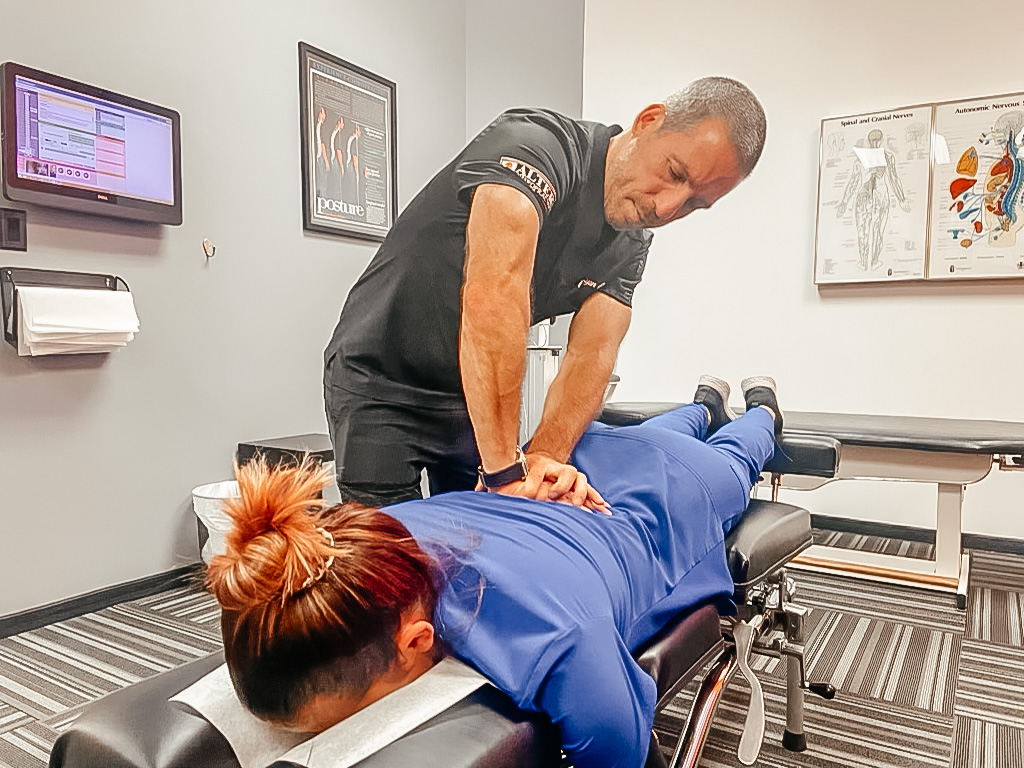
As a chiropractor, I utilize hands-on manipulation techniques to adjust the spine, which can alleviate pain and discomfort. This approach not only addresses your immediate symptoms but also enhances overall function and reduces inflammation, paving the way for a quicker recovery.
In addition, I often work closely with patients to develop personalized treatment plans that may include physical therapy exercises. These exercises are designed to strengthen your back muscles, improve flexibility, and teach correct body mechanics, all of which are essential in preventing future injuries.
If your pain continues, I encourage you to consider consulting with a pain management specialist. They may suggest options like epidural steroid injections or nerve blocks to help manage pain and inflammation, allowing you to engage more fully in your rehabilitation process.
It's also worth exploring alternative therapies that can complement chiropractic care, such as acupuncture or massage therapy. These treatments can promote relaxation and enhance the healing process, providing a holistic approach to your back pain management.
Always feel free to discuss any treatment options with me or your healthcare provider. Together, we can determine the best course of action tailored to your specific needs and medical history.
Conclusion
As a local chiropractor, I want to share with you seven effective strategies that can help alleviate your back pain quickly while promoting your overall well-being. Incorporating gentle stretching into your daily routine can help improve flexibility and reduce tension in your muscles. Heat therapy is another wonderful tool that can soothe discomfort and promote blood flow to the affected areas. Additionally, engaging in strengthening exercises can build the support your spine needs for optimal function.
It's also crucial to practice mindfulness, as it can help you manage pain and reduce stress levels. Remember, don't hesitate to seek professional help when necessary; chiropractic care can provide tailored treatments to address your specific needs. By starting this journey today, you can take significant steps towards achieving a healthier, pain-free back. Let's work together to restore your well-being!