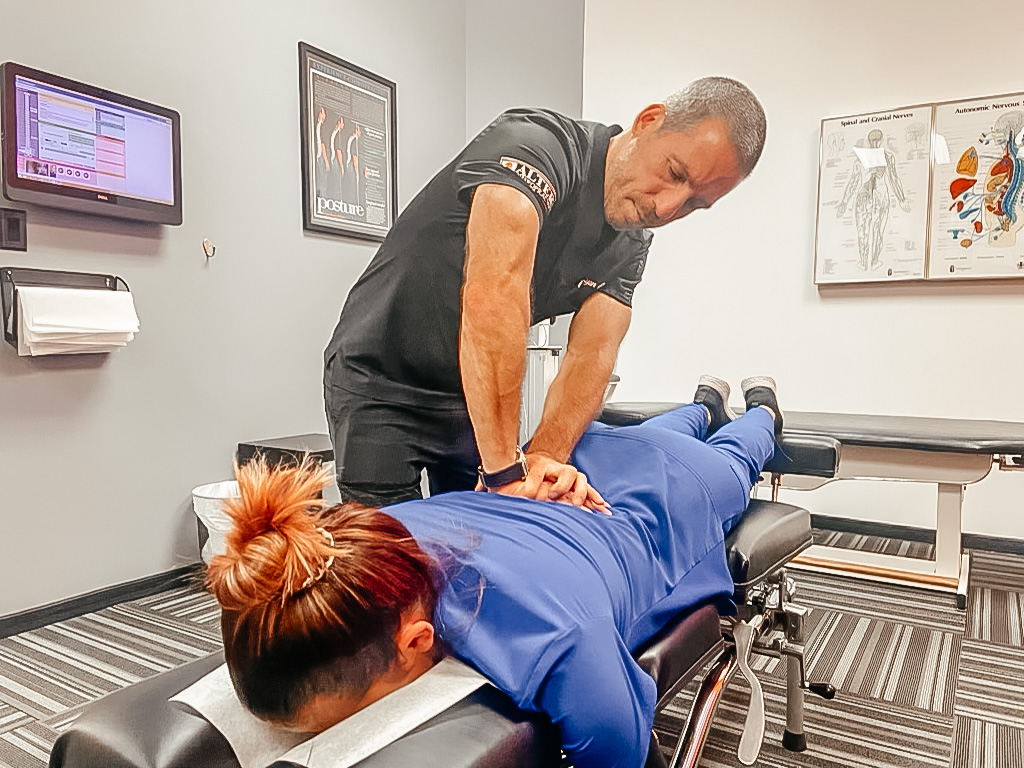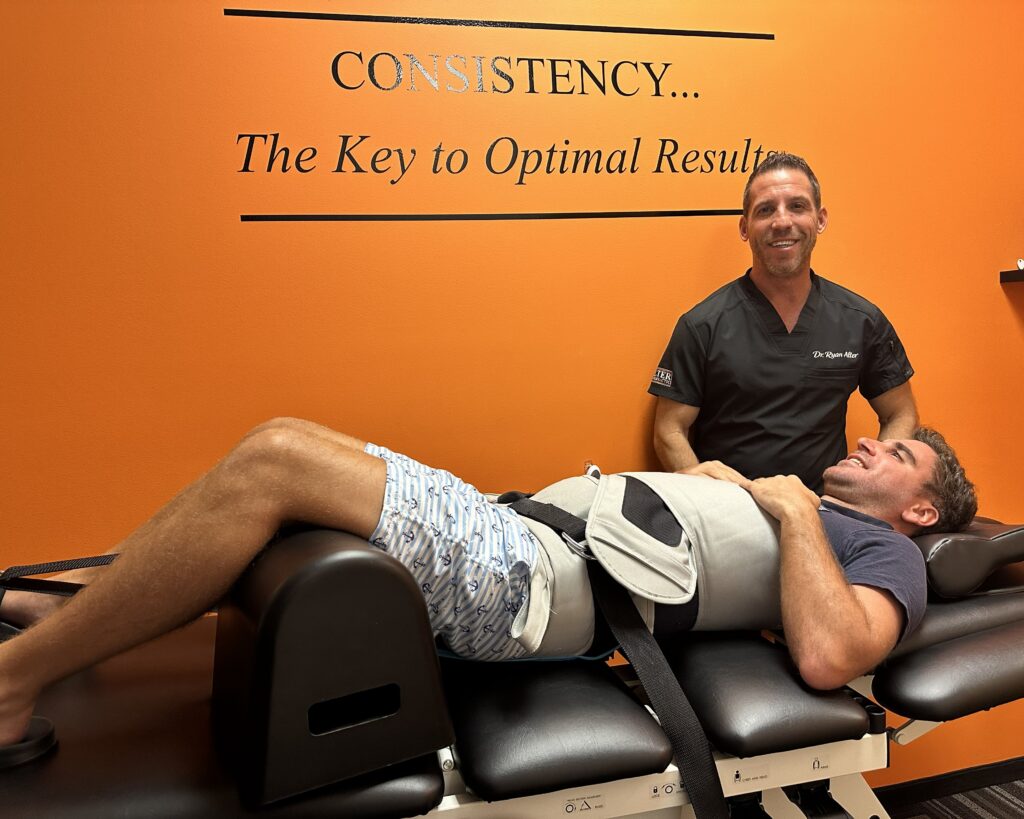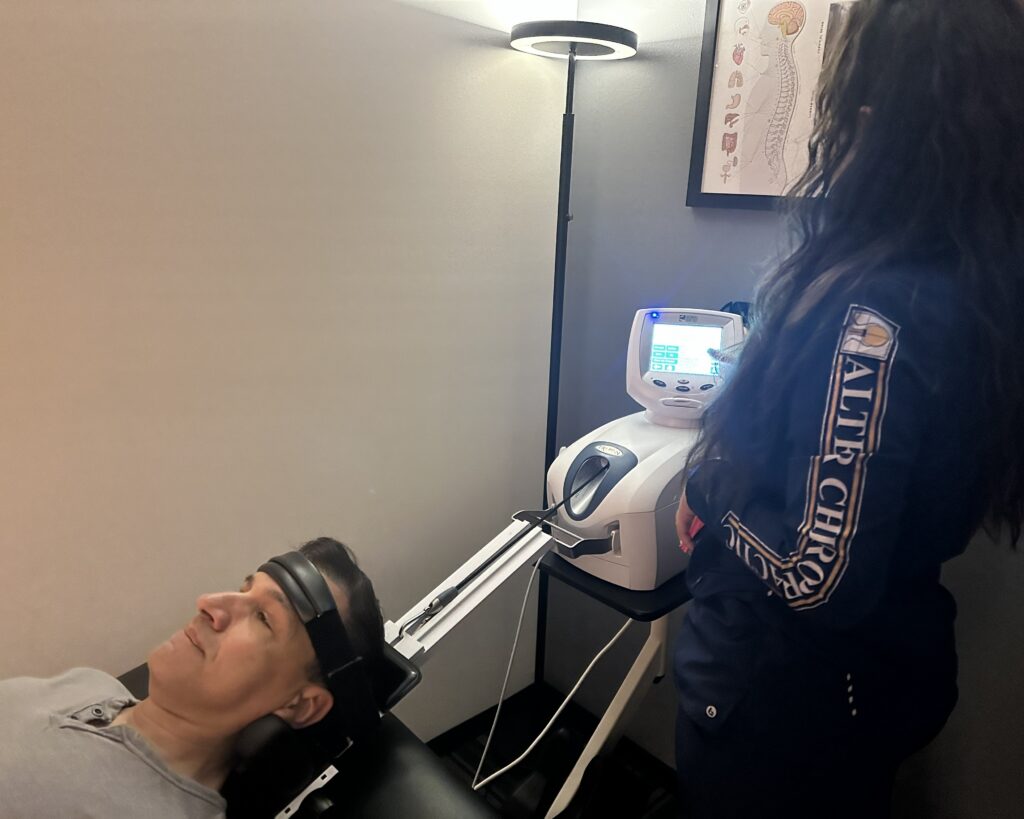

As a local chiropractor, I understand how a neck injury can greatly affect your everyday life. Many people are unaware of the natural healing methods available to them, and I want to share some effective techniques that can aid in your recovery. Gentle stretches and mindful breathing exercises are just a couple of the approaches I recommend to help restore your mobility and alleviate discomfort. By integrating these soothing techniques into your daily routine, you may find a path to healing that feels both achievable and supportive. If you're curious about which methods might be the most beneficial for your situation, let's dive into the various options that can enhance your comfort and overall well-being. Your journey to recovery is important, and I'm here to guide you every step of the way.
Gentle Neck Stretches
As a chiropractor, I often see patients who struggle with neck tension and discomfort. One of the most effective ways to alleviate this issue is through gentle neck stretches. If you've been experiencing tightness or stiffness in your neck, incorporating these stretches into your daily routine can make a notable difference in your overall well-being.
First, let's start with the neck tilt. Find a comfortable position, whether sitting or standing, and ensure your back is straight and shoulders are relaxed. Slowly lower your right ear toward your right shoulder. You should feel a gentle stretch on the left side of your neck. Hold this position for about 15-30 seconds before switching to the left side. This simple move helps relieve tension and promotes flexibility.
Next, I recommend the chin tuck. Gently pull your chin back toward your neck, which will create a double chin effect. Hold this position for a few seconds. This stretch focuses on the muscles along the back of your neck, helping to counteract the effects of poor posture that many of us experience in our daily lives.
Gentle neck rotations are also beneficial. Slowly turn your head to the right, looking over your shoulder, and then return to the center. Repeat this on the left side. This movement not only enhances mobility but also helps release any built-up tension.
Throughout these stretches, it's important to remember to breathe deeply. Inhale through your nose and exhale through your mouth, allowing each breath to help release any tightness.
I encourage you to perform these stretches several times a day, particularly if you spend long hours sitting at a desk. Consistency is crucial; over time, you'll likely notice a decrease in discomfort and an increase in your neck's flexibility.
Heat Therapy
As a chiropractor, I often recommend heat therapy as a highly effective method to relieve neck pain and tension. When you apply heat to your neck, it enhances blood circulation, relaxes tight muscles, and alleviates stiffness. This can provide you with immediate relief and support the healing process in the affected area.
There are several ways you can incorporate heat therapy into your daily routine. One of the most popular options is using a heating pad. Simply plug it in, set it to a comfortable temperature, and place it on your neck for about 15 to 20 minutes. It's important to protect your skin from direct heat by using a towel or cloth to prevent burns.
If you don't have a heating pad handy, a warm, damp towel is a great alternative. Just microwave a damp towel for around 30 seconds, check its temperature, and then apply it to your neck.
Another excellent option is taking a warm shower or bath. The combined effects of steam and warm water can help to relax your muscles and soothe any discomfort you may be experiencing. Additionally, you can use a hot water bottle or a rice bag that can be heated in the microwave for targeted relief.
Always pay attention to how your body responds to heat therapy. If the heat feels too intense or causes any discomfort, remove it right away. It's also essential to avoid using heat therapy if you have swelling, as it may worsen the condition.
Cold Compress
As a local chiropractor, I often see patients struggling with neck pain, and I want to share an effective and natural solution: the cold compress. Utilizing a cold compress can significantly alleviate your discomfort by reducing inflammation and numbing the affected area. This simple technique is an excellent way to manage pain without relying on medication.
Let's take a closer look at the benefits of cold therapy. It can help decrease swelling and slow down nerve signals in the area, which means less pain for you.
Applying a cold compress is easy; just wrap ice or a cold pack in a cloth and place it on the affected area for about 15-20 minutes. Be sure to take breaks in between applications to prevent skin damage.
Incorporating cold therapy into your routine can be a valuable part of your journey toward recovery and overall well-being.
Benefits of Cold Therapy
As a local chiropractor, I want to share with you the incredible benefits of cold therapy, also known as cold compress treatment, especially when it comes to addressing neck injuries. If you're new to chiropractic care and natural healing, understanding how cold therapy works can be a game-changer for your recovery.
When you apply a cold compress to your neck, you'll quickly notice that it helps to constrict blood vessels, which reduces inflammation and numbs sharp pain. This immediate effect is crucial after an injury, as it not only alleviates discomfort but also decreases swelling and minimizes bruising. By managing these symptoms early on, you can regain mobility much faster.
Cold therapy isn't just about pain relief; it's also a proactive way to prevent further damage. By controlling inflammation, you create an optimal environment for healing. Many of my patients find that it reduces muscle spasms, allowing them to relax and rest their neck more effectively. This relaxation is essential for the recovery process, and it can complement the adjustments and therapies we provide in our practice.
One of the best aspects of cold therapy is its accessibility. You don't need to rely on medications or complex treatments to experience relief. Simple solutions like ice packs or even frozen vegetables wrapped in a cloth can work wonders, making this technique both easy to implement and cost-effective.
Incorporating cold therapy into your recovery routine can significantly enhance your healing process. It provides the comfort and relief you need during this challenging time, and I encourage all my patients to consider it as part of their natural healing journey.
If you have any questions or need guidance on how to properly use cold therapy, don't hesitate to ask during your next visit!
Application Techniques Explained
As a local chiropractor, I want to help you understand how to effectively use cold therapy to relieve neck pain. The right application techniques can make a significant difference in your healing process.
First, choose a suitable cold compress, such as a gel pack or even a bag of frozen peas wrapped in a thin towel. This protective barrier is essential to prevent frostbite on your skin.
Before you apply the cold compress, ensure that the area around your neck is clean and dry. Gently place the cold compress on the affected area for about 15-20 minutes. If you find that the cold is causing you excessive discomfort, remove it right away.
You can repeat this treatment every hour, but it's important to allow your skin some time to recover between applications to avoid irritation.
While you're using the cold compress, try to maintain a comfortable position. Ensure your neck is properly supported and avoid any movements that may strain it further. If you need to move around, you can secure the compress in place with a light cloth or bandage, but make sure it's not too tight.
After several applications, take a moment to assess how your neck feels. If the pain continues or gets worse, it's a good idea to consult with a healthcare professional for further advice.
Cold therapy can be a simple yet effective method for managing neck injuries, especially when applied correctly. Remember, natural healing and chiropractic care can work hand in hand to support your recovery journey.
Massage Techniques
As a local chiropractor, I want to share how effective massage techniques can be for relieving neck injuries. Many people may not realize the benefits of natural healing practices, so let's delve into some methods that can provide comfort and aid in your recovery.
Gentle kneading techniques can greatly alleviate tension in your neck muscles. This approach promotes relaxation and improves circulation, which are essential for healing.
Another valuable method is trigger point therapy, where we focus on specific tight areas in the muscle that can cause pain or discomfort. By applying targeted pressure, we can help release these knots and restore normal function.
Additionally, I encourage you to explore self-massage tips that you can incorporate into your daily routine. Simple techniques can empower you to manage your discomfort at home and complement the care you receive in our office.
Together, these massage techniques can significantly enhance your healing journey, and I'm here to guide you through this natural approach to wellness.
Gentle Kneading Techniques
As a local chiropractor, I want to share with you some gentle kneading techniques that can be incredibly beneficial for alleviating neck pain and tension. When you engage in these methods, you're not just massaging the surface; you're actively helping to release tight muscles and enhance blood circulation, which is vital for your overall health.
First, find a comfortable position, either sitting or lying down, and focus on the area where you feel the most discomfort. This might be at the base of your skull or along your shoulders.
Using your fingertips or palms, gently press into the muscles at the base of your skull. It's important to apply steady, firm pressure, but make sure it's gentle enough to avoid causing any additional pain. You can move in small circular motions or long strokes, gradually working your way down towards your shoulders. Feel free to adjust the pressure based on your comfort level.
If you discover any knots or tight spots, take a little extra time to knead those areas. Remember to take slow, deep breaths as you do this; it will help your body relax and enhance the effectiveness of the technique.
I also recommend incorporating some light stretching between kneading sessions to further improve your results.
Practicing these gentle kneading techniques regularly can greatly reduce neck tension, promote relaxation, and improve your overall sense of well-being. I encourage you to take a few moments each day to care for your neck, as it can truly make a world of difference in how you feel.
If you have any questions or need more guidance, feel free to reach out to me during your next visit. Your health and comfort are my top priorities!
Trigger Point Therapy
As a local chiropractor, I want to introduce you to an effective technique we often use in our practice to help relieve neck pain: trigger point therapy. This method focuses on specific areas of muscle tightness known as "trigger points." These are tight knots within your muscles that can lead to discomfort and pain in your neck and surrounding areas.
By applying pressure to these points, we can help release tension, improve blood flow, and ultimately ease your neck pain.
To start with trigger point therapy, we'll identify the tight spots in your neck and shoulders. Using fingers, thumbs, or even specialized massage tools, we apply firm pressure directly to these areas. Typically, we hold the pressure for about 20-30 seconds before gently releasing it.
While you may feel some discomfort during this process, it should never reach a point of pain. We can adjust the pressure as needed to ensure your comfort.
In addition to applying direct pressure, we may also incorporate small circular motions to massage the knots. This technique can further help to break up the tightness and promote relaxation.
Remember to breathe deeply during the session, as deep breathing can enhance your relaxation and support the healing process.
Incorporating trigger point therapy into your wellness routine can provide significant relief from neck pain. It's a valuable technique we utilize in our chiropractic care to help you manage pain naturally and effectively.
If you have any questions or are interested in learning more about how this therapy can benefit you, feel free to reach out!
Self-Massage Tips
As a chiropractor, I often emphasize the importance of self-care techniques that can complement your wellness journey. One effective method you can incorporate into your routine is self-massage, particularly focusing on the neck area where many people hold tension.
Begin by using your fingertips to apply gentle pressure on any sore spots in your neck. Move your fingers in small circles for about 30 seconds, ensuring you adjust the pressure based on what feels comfortable for you. This can help release tightness and promote relaxation.
Next, consider using your palms. Position them on the back of your neck and gently squeeze, as if you're giving yourself a soothing hug. This technique can aid in releasing tension and enhancing blood circulation in the area.
For a more focused approach, a tennis ball can be an excellent tool. Place the ball between your neck and a wall and lean into it. Roll the ball over any tight spots, spending extra time on areas that feel particularly tender. This form of pressure can help break up knots and alleviate discomfort.
Incorporating stretches during your self-massage is also beneficial. For instance, tilt your head to one side while gently pressing down on the opposite shoulder with your hand. Hold this position for 15 seconds, then switch sides. This can help stretch the muscles and improve flexibility.
Remember, it's crucial to listen to your body throughout these practices. If you experience any pain, reduce the pressure you're applying.
Regular self-massage, combined with chiropractic care, can significantly relieve neck discomfort and contribute to your overall well-being.
Mindful Breathing Exercises
As a chiropractor, I often emphasize the connection between breath and overall well-being, especially when it comes to alleviating discomfort like neck pain. You may not realize how much your breathing can impact your state of calm and relaxation. By incorporating mindful breathing exercises into your routine, you can help ease tension and promote a sense of serenity.
To get started, find a comfortable position—whether you prefer sitting in a chair or lying down on a flat surface. Close your eyes and place one hand on your abdomen and the other on your chest. Take a deep breath in through your nose, allowing your abdomen to rise while keeping your chest relatively still. Count to four as you inhale, filling your lungs completely, then pause for a moment to hold that breath.
Now, exhale slowly through your mouth, counting to six. Pay attention to how your abdomen gently falls as you release the air. This longer exhale is particularly effective in releasing tension that may be stored in your neck and shoulders. Repeat this mindful breathing process for several minutes, focusing exclusively on your breath. It's natural for your mind to wander; if it does, simply redirect your attention back to the rhythmic flow of your breathing.
For added relaxation, you might visualize a calming scene as you breathe. Imagine yourself on a peaceful beach or in a tranquil forest. Allow this imagery to deepen your relaxation, helping your body to soften with each breath.
Integrating these mindful breathing exercises into your daily routine can yield significant benefits. Many patients find that not only does their neck pain diminish, but they also experience a heightened sense of peace and well-being.
Embrace this simple yet powerful tool as part of your journey toward natural healing and relief.
Posture Improvement
As a local chiropractor, I want to share how improving your posture can significantly alleviate neck pain and enhance your overall comfort. When you maintain proper alignment while sitting, standing, or moving, you help distribute your body weight evenly, which reduces the stress on your neck and the surrounding muscles.
First, let's talk about how to position your head. It's important to keep your head aligned with your spine. Many people have a habit of jutting their heads forward or tilting them to one side, which can lead to discomfort over time.
When you're seated, ensure that your feet are flat on the ground and your knees are bent at a right angle. A chair that properly supports your lower back is essential; it should allow your spine to maintain its natural curve. If you spend a lot of time at a desk, make sure your computer screen is at eye level to avoid unnecessary strain on your neck.
While standing, aim to distribute your weight evenly across both feet. Avoid locking your knees; instead, engage your core muscles to support your spine.
I encourage you to regularly check your posture throughout the day. Setting reminders on your phone or placing sticky notes around your workspace can serve as helpful prompts to remind you to sit or stand tall.
Incorporating stretching and strengthening exercises into your daily routine is also beneficial for supporting good posture. Strengthening your back and core muscles provides stability, while stretching your chest and shoulder muscles can help alleviate the tightness that often accompanies poor posture.
Ergonomic Adjustments
As a local chiropractor dedicated to your well-being, I want to share some valuable insights on how making ergonomic adjustments to your workspace can significantly reduce neck pain and enhance your overall comfort throughout the day.
First and foremost, it's essential to assess your desk height. Ideally, your elbows should rest comfortably at a 90-degree angle while typing. If your desk is too high or low, I recommend using a keyboard tray or adjusting your chair to find that optimal height. This simple change can help alleviate unnecessary strain on your neck and shoulders.
Next, let's talk about your monitor. Positioning it at eye level is crucial. This way, you won't have to tilt your head up or down, which can lead to discomfort. A monitor stand can be a great tool to achieve this. Make sure the top of the screen is at or slightly below eye level and about an arm's length away from your face. This will help prevent neck strain and promote better posture.
Your chair is another vital component of your workspace. Choose one that provides good lumbar support to encourage the natural curve of your spine. Adjust the backrest to properly support your lower back, and ensure your feet are flat on the floor or on a footrest. This alignment is key to maintaining a healthy posture and reducing tension in your neck.
Don't forget about your phone habits! If you find yourself on calls frequently, consider using a headset or speakerphone instead of cradling the phone between your shoulder and ear. This small adjustment can greatly reduce additional strain on your neck.
Lastly, I can't stress enough the importance of taking regular breaks to stretch and move. Set a timer to remind yourself to stand up, stretch, and check your posture every hour. These small habits can lead to significant improvements in your neck pain and overall well-being at work.
Conclusion
As a local chiropractor, I want to share some valuable insights into relieving neck injury discomfort using natural techniques. By incorporating these seven soothing methods into your daily routine, you can effectively manage your pain and promote healing.
- Gentle Stretches: Engaging in gentle neck stretches can help increase flexibility and reduce stiffness. It's essential to perform these stretches mindfully to avoid further strain.
- Heat Therapy: Applying heat to the affected area can enhance blood flow and relax tense muscles. You might consider using a warm towel or a heating pad for this purpose.
- Cold Compresses: On the other hand, cold therapy can be beneficial for reducing inflammation and numbing sharp pain. A simple ice pack wrapped in a cloth can do the trick.
- Self-Massage: Taking the time to gently massage your neck can release built-up tension and promote relaxation. Consider using your fingertips to apply gentle pressure to sore areas.
- Mindful Breathing: Practicing mindful breathing techniques can help calm your mind and body, making it easier to cope with pain. Focus on deep, slow breaths to foster relaxation.
- Posture Improvement: Maintaining good posture is crucial in preventing future neck issues. Be mindful of your alignment, especially when sitting or using digital devices.
- Ergonomic Adjustments: Making adjustments to your workspace can help create a more supportive environment for your neck. Ensure your chair and desk are set up to promote proper alignment.
Remember, it's vital to take breaks throughout your day to move and care for your neck. Prioritizing your well-being is essential for recovery, so don't hesitate to reach out for guidance on how chiropractic care can further assist you in your healing journey. Together, we can work towards a pain-free future!